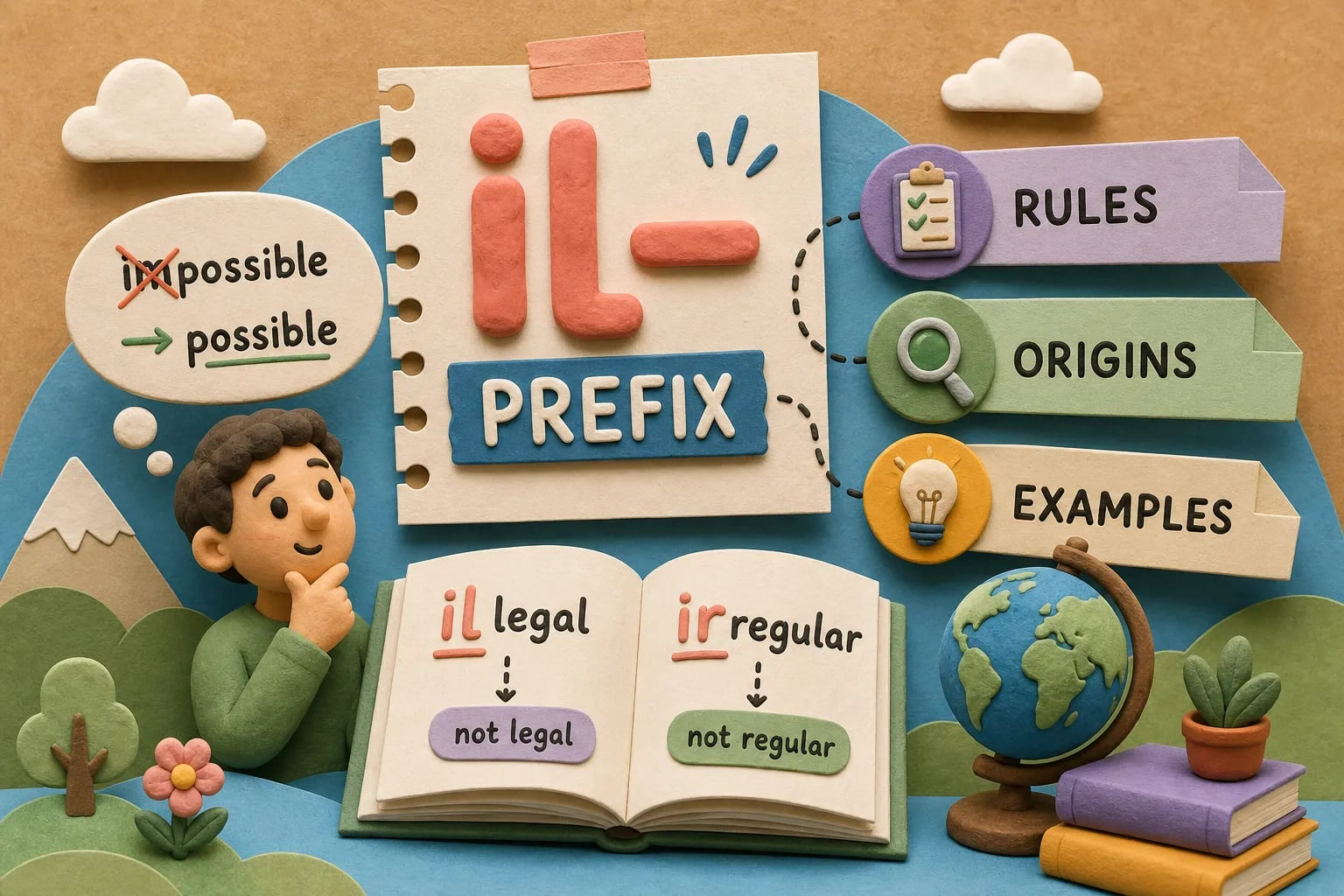
The il- Prefix Explained: Rules, Origins, and Examples
Learn why the il- prefix exists, how the in- spelling rule works, and which common words use it. See examples, exceptions, and practice tips.
American English lessons by category — everyday phrases, professional English, pronunciation, and grammar. Free and practical for ESL learners.
Learn why the il- prefix exists, how the in- spelling rule works, and which common words use it. See examples, exceptions, and practice tips.

Learn to use the future with will in American English. See real examples for predictions, promises, and offers, and practice right away.

The -en suffix turns adjectives into verbs like widen, brighten, and strengthen. Learn the rules, see real examples, and use them fluently in American English.
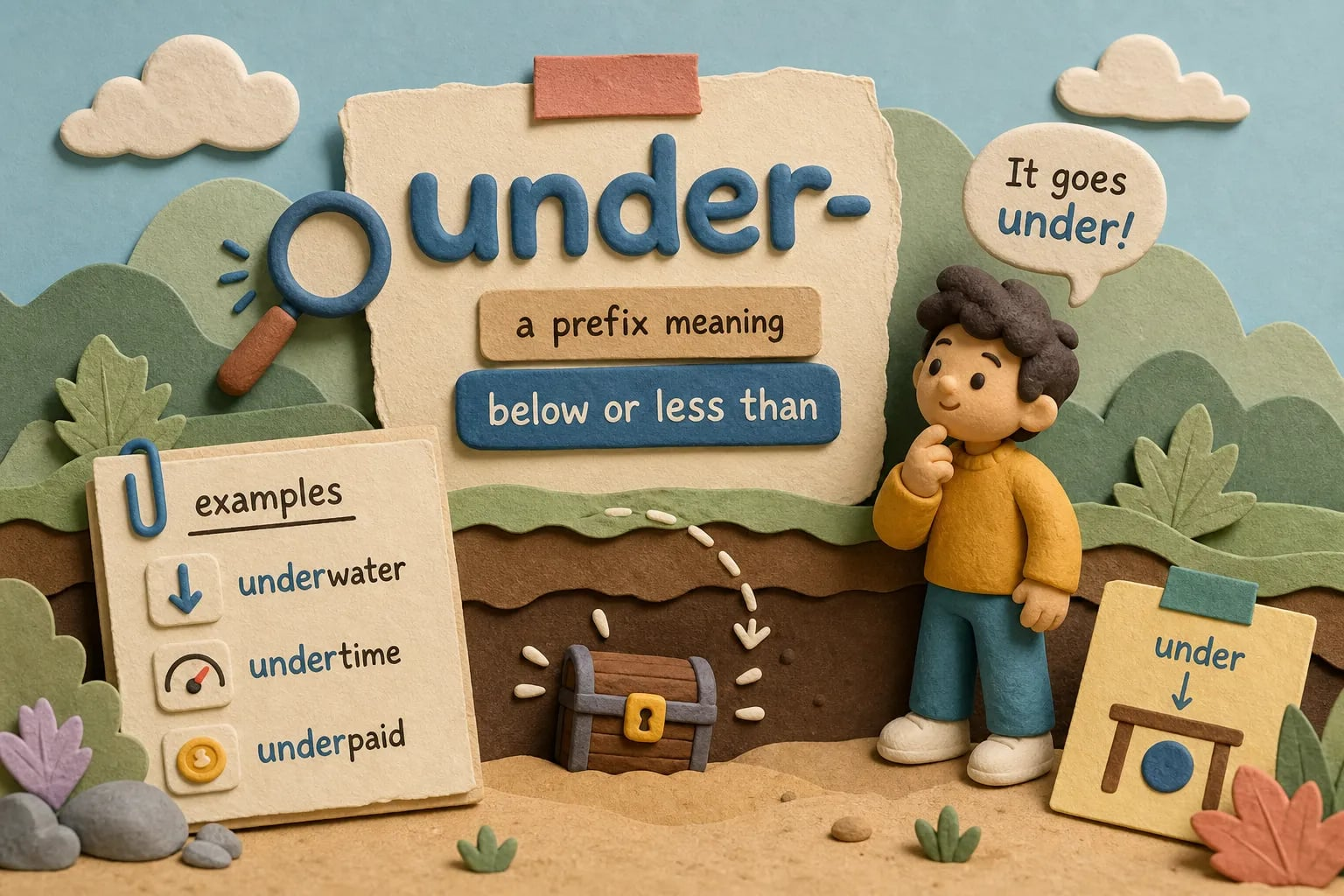
Learn what the under- prefix means and how it changes words like underestimate and underperform. See real American English examples and start using them today.
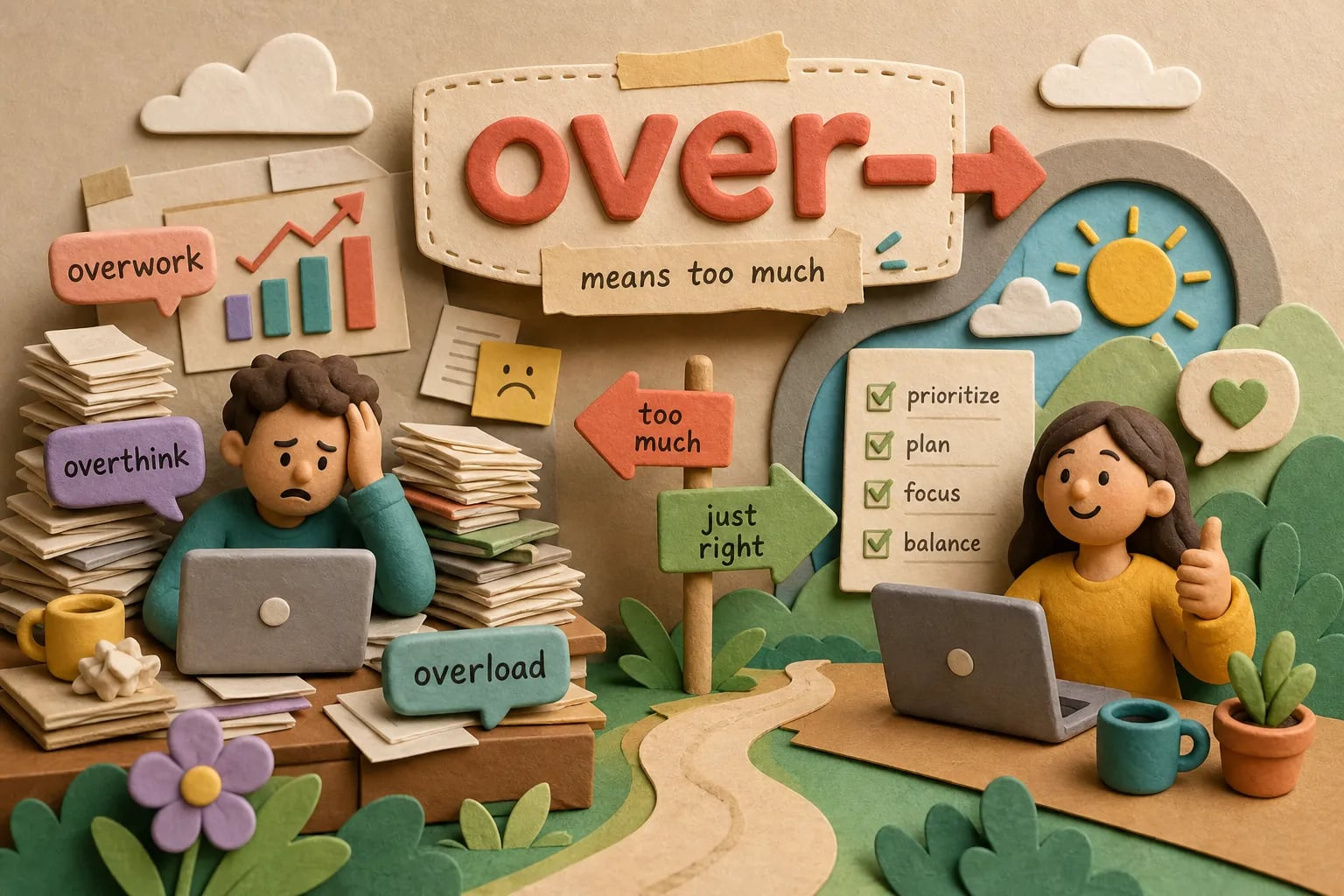
Learn what the over- prefix means in American English and see common over- words and phrasal verbs for work, daily life, and more. Start using them today.
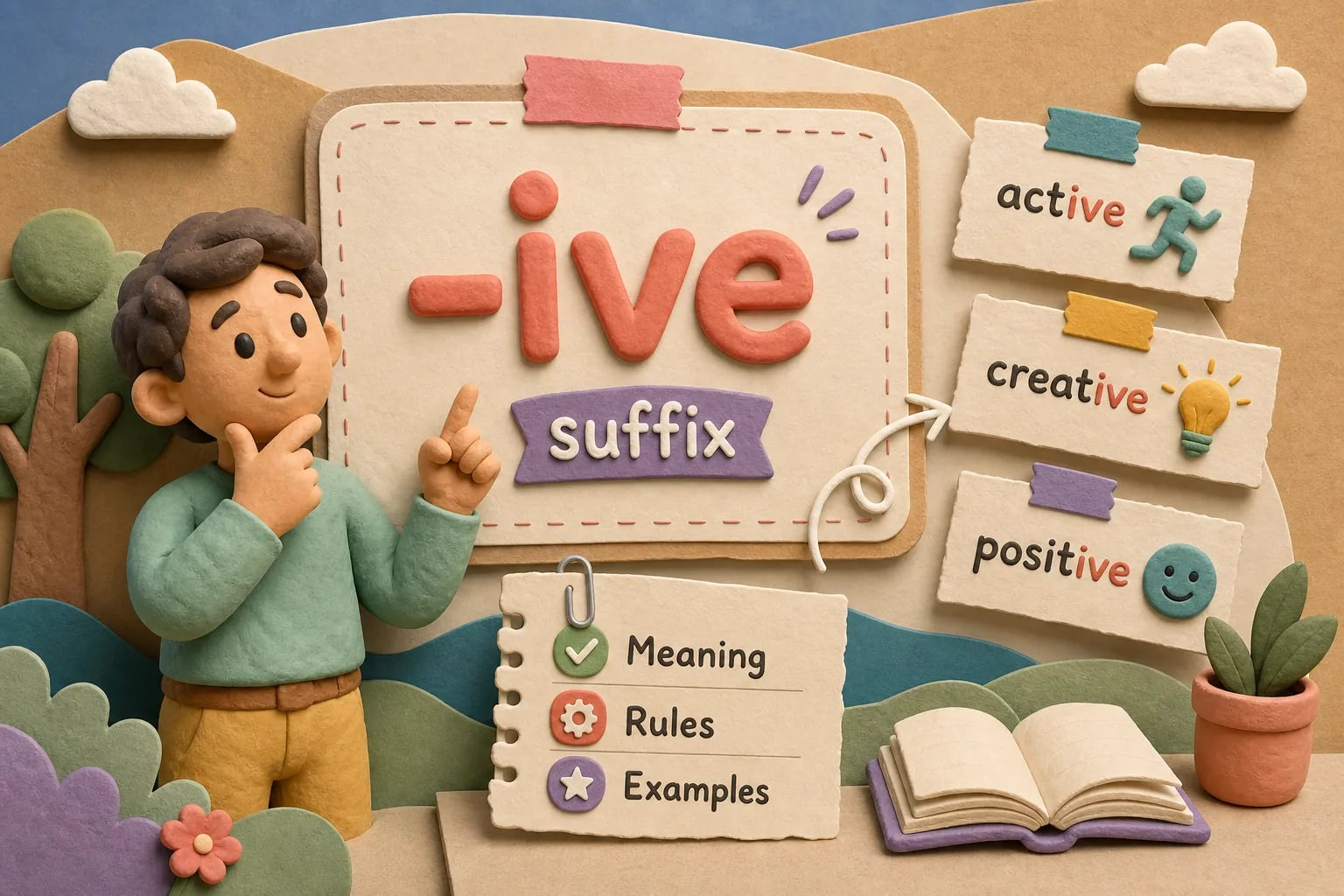
Learn what the -ive suffix means, where it comes from, and how to use common -ive words in business English, resumes, and interviews.

Waive vs. wave: learn the real difference, common phrases, memory tricks, and examples so you always choose the right word at work and in daily life.
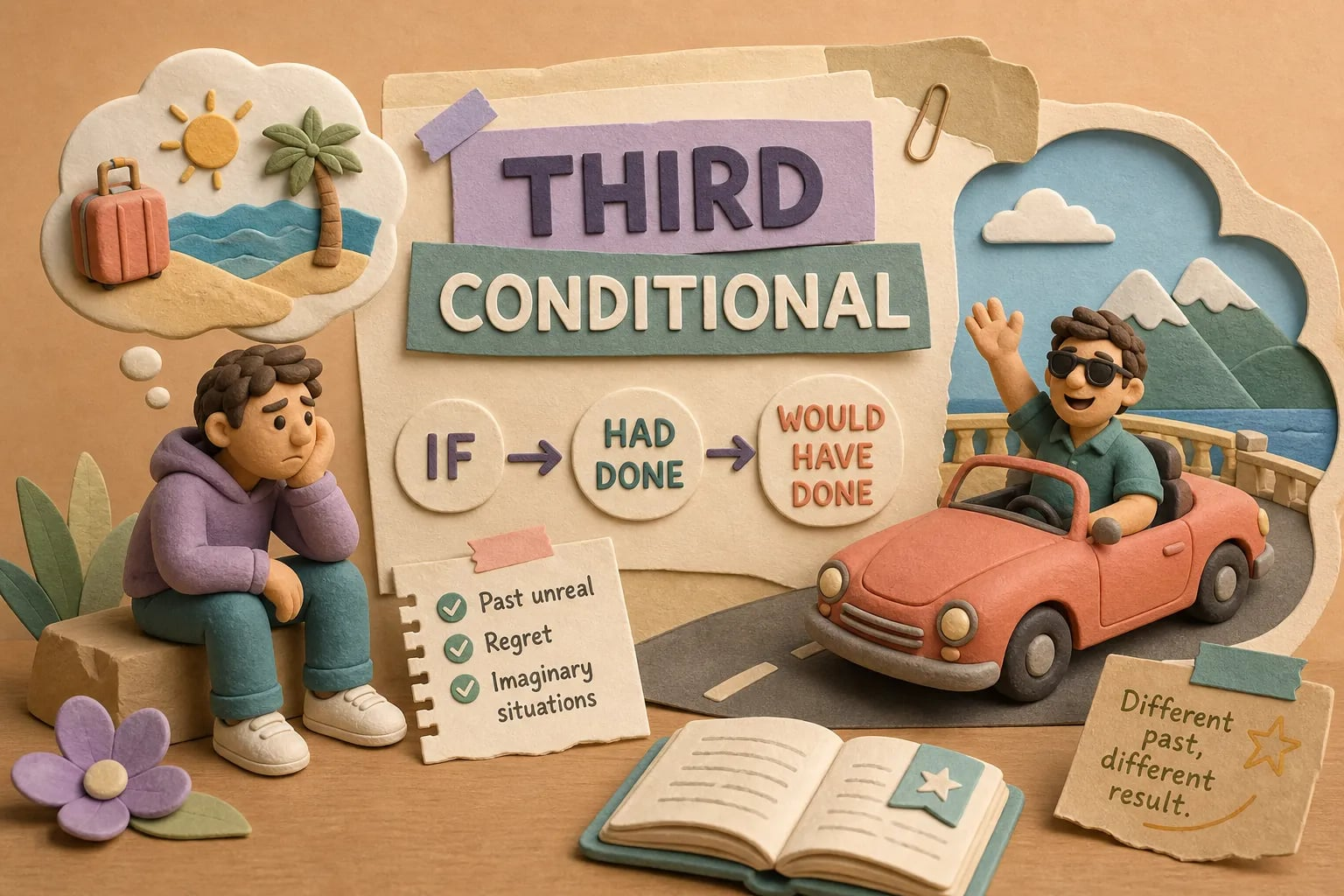
Master the third conditional with real American English examples from work and interviews. Learn the rules, fix common mistakes, and practice today.
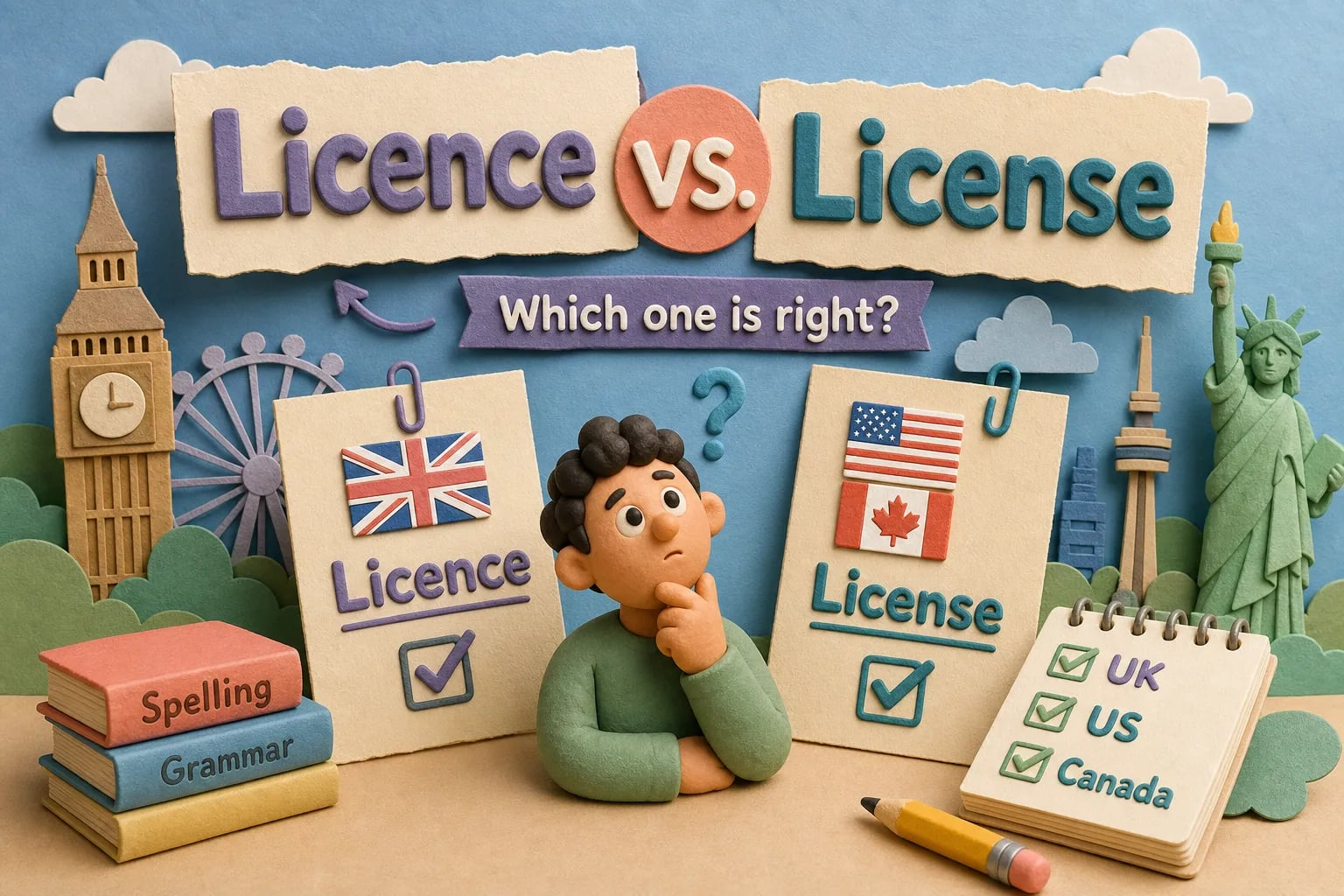
Confused by licence vs. license? Learn the exact spelling rule for US, UK, and Canada, see real examples, and never mix them up again.

Learn the uni- prefix meaning, its Latin origin, and 15+ real words used in everyday and workplace American English. Build smarter vocabulary today.

Learn what the fore- prefix means, where it comes from, and how to use 40 common fore- words in real American English. Build your vocabulary faster today.
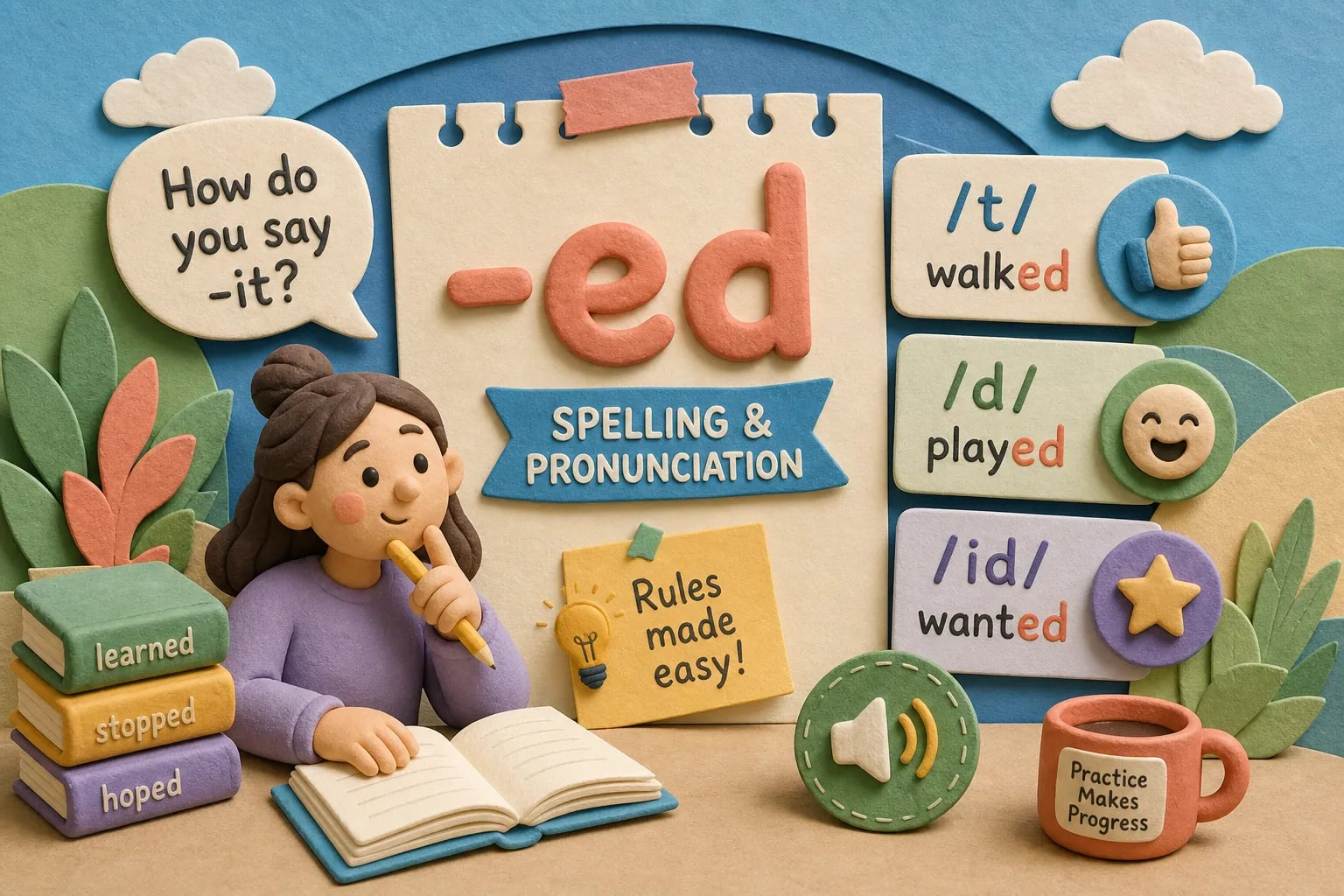
Learn how the -ed suffix works in American English: spelling rules, the 3 sounds (/t/, /d/, /ɪd/), common mistakes, and practice tips.

These vs those confusing you? Learn the one proximity rule, see real American English dialogues, and test yourself with quick practice. Start here.
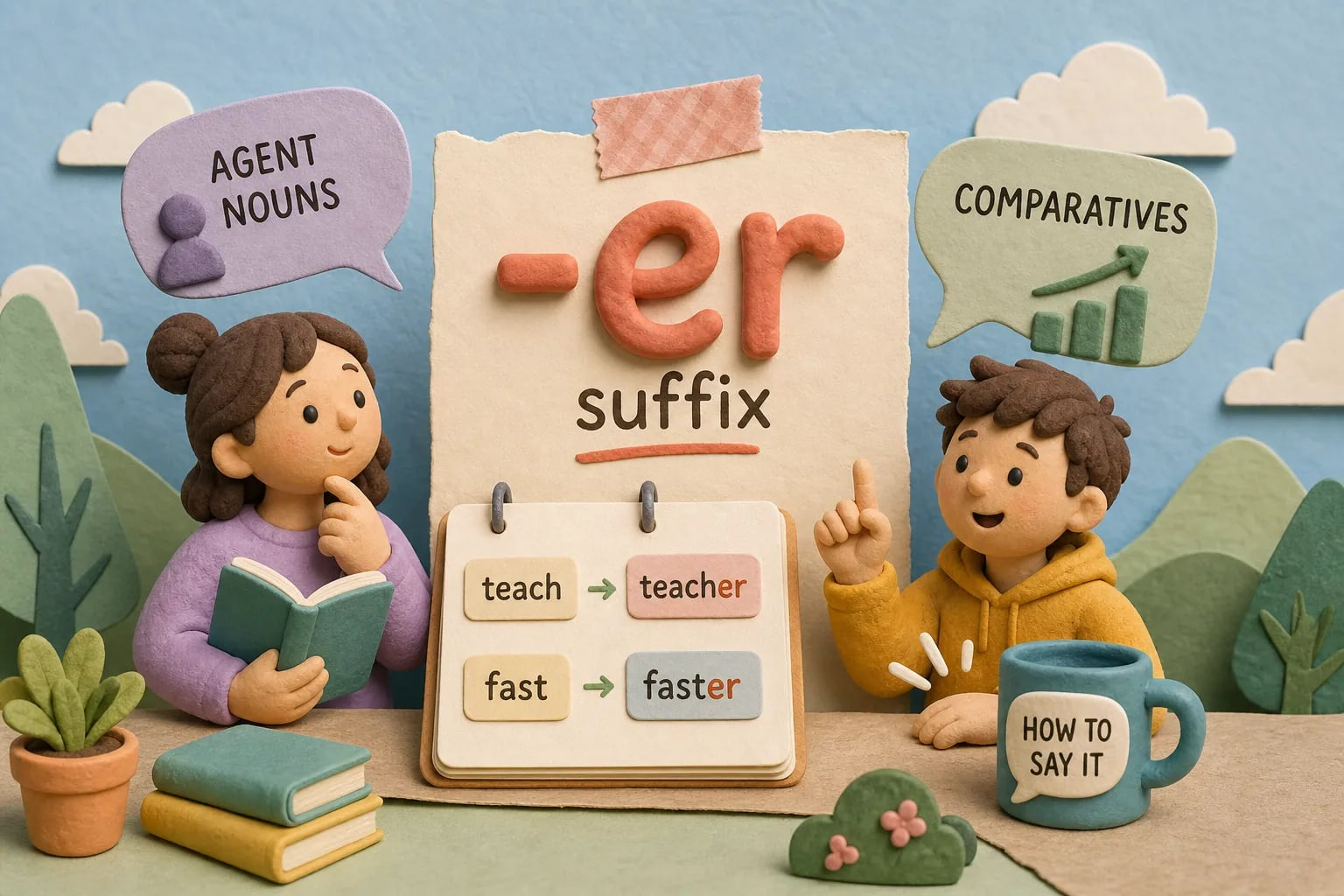
Learn how the -er suffix works in American English: forming agent nouns, building comparatives, spelling rules, and how to pronounce that distinct American -er sound.
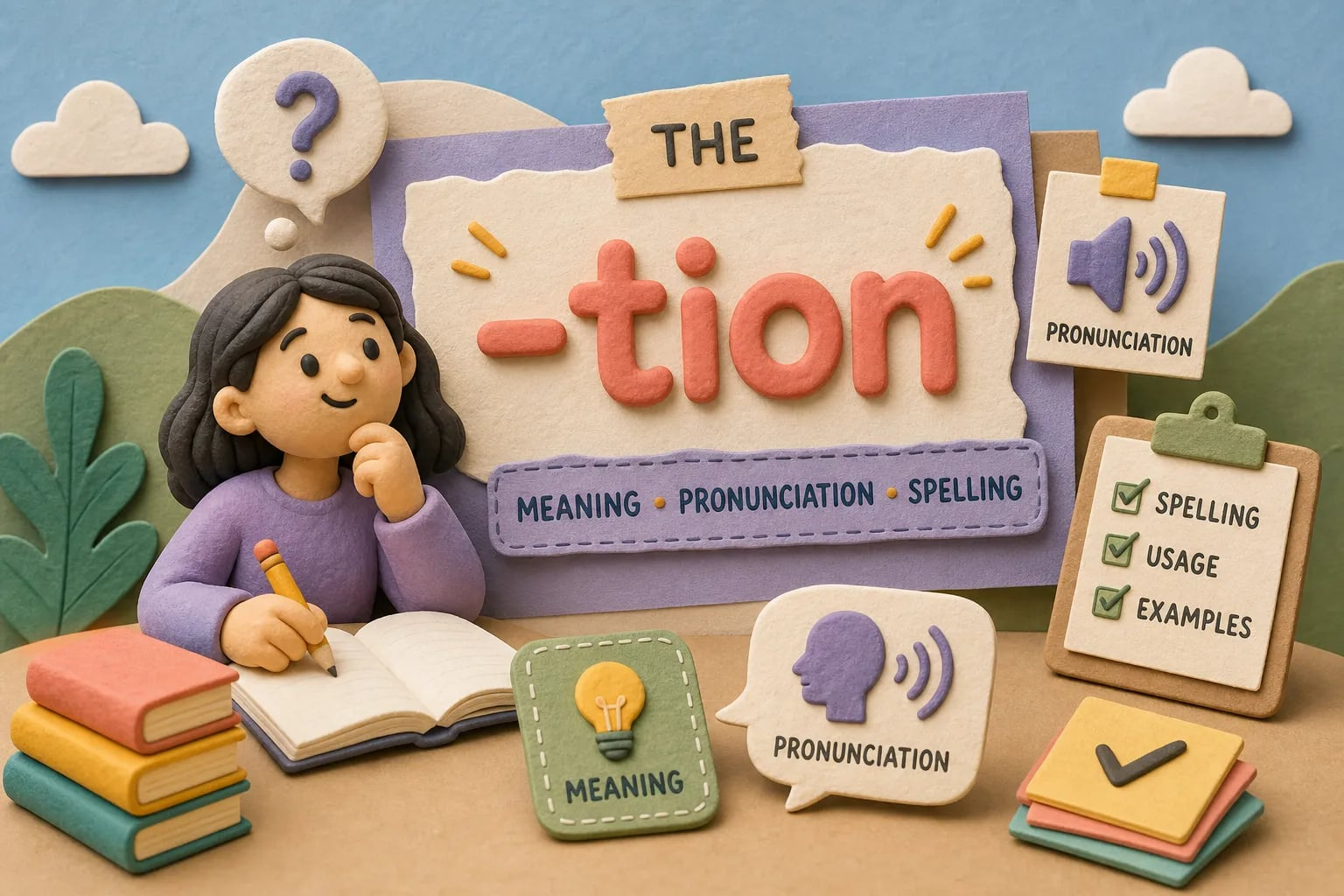
Learn how the -tion suffix works in American English: what it means, how to pronounce it, spelling rules, and common examples for everyday and workplace use.

Master the -ful suffix with clear spelling rules, real examples, and natural American English phrases native speakers actually use. Start using these words today.
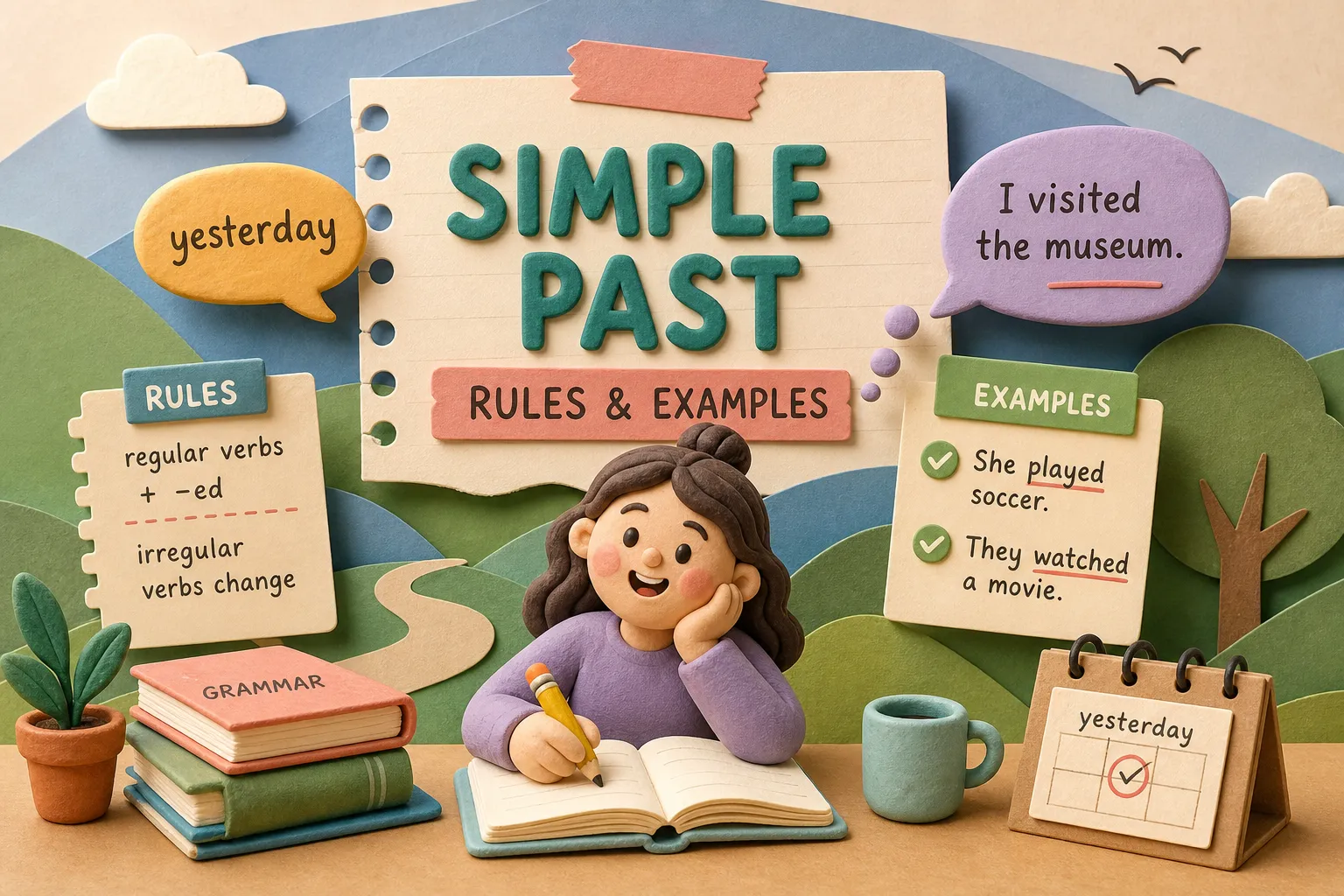
Learn simple past tense with clear rules, real American English examples, and common mistakes to avoid. Form it right every time. Start here.
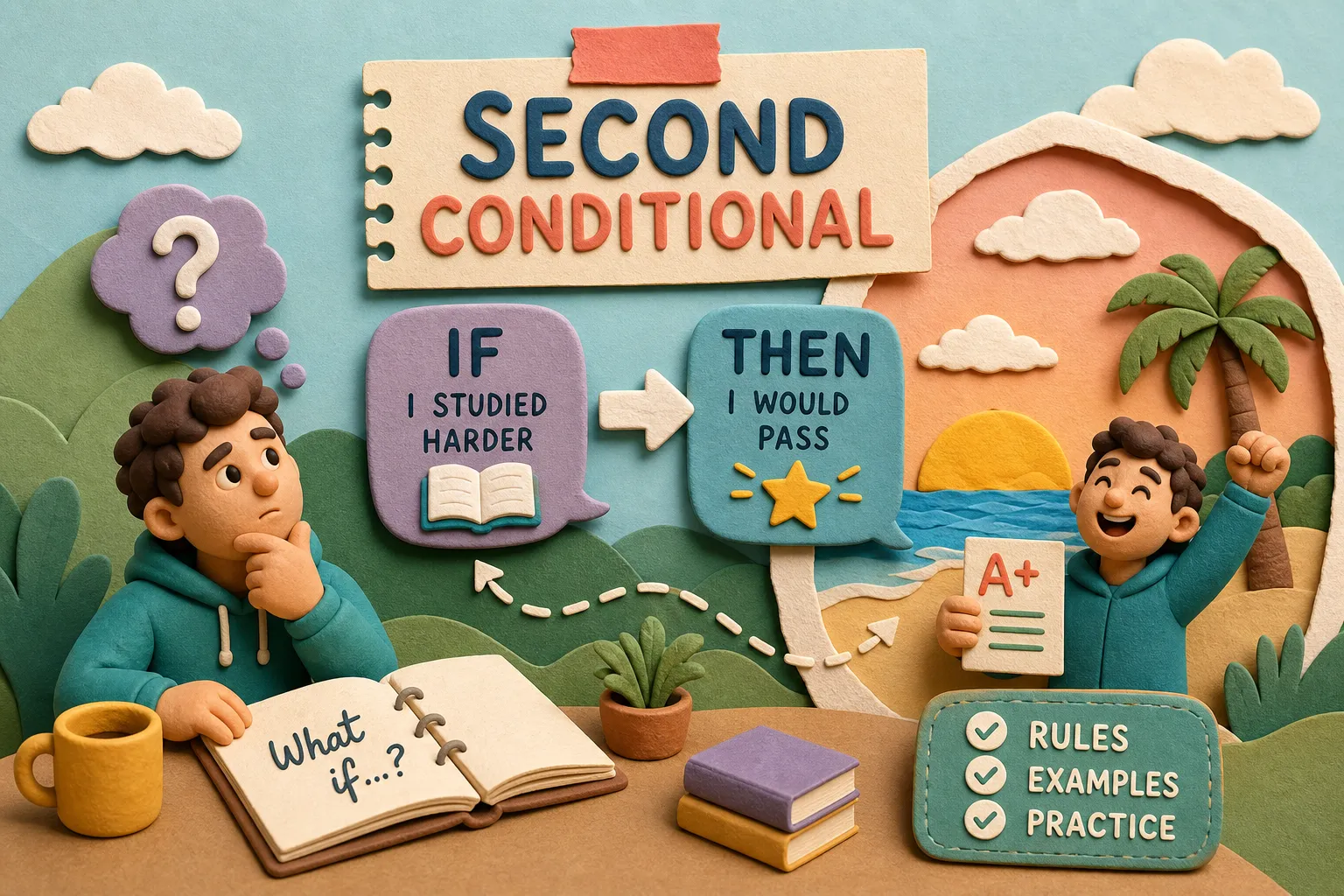
Learn the second conditional with simple rules, real American examples from job interviews and daily talk, and quick practice exercises. Start using it today.
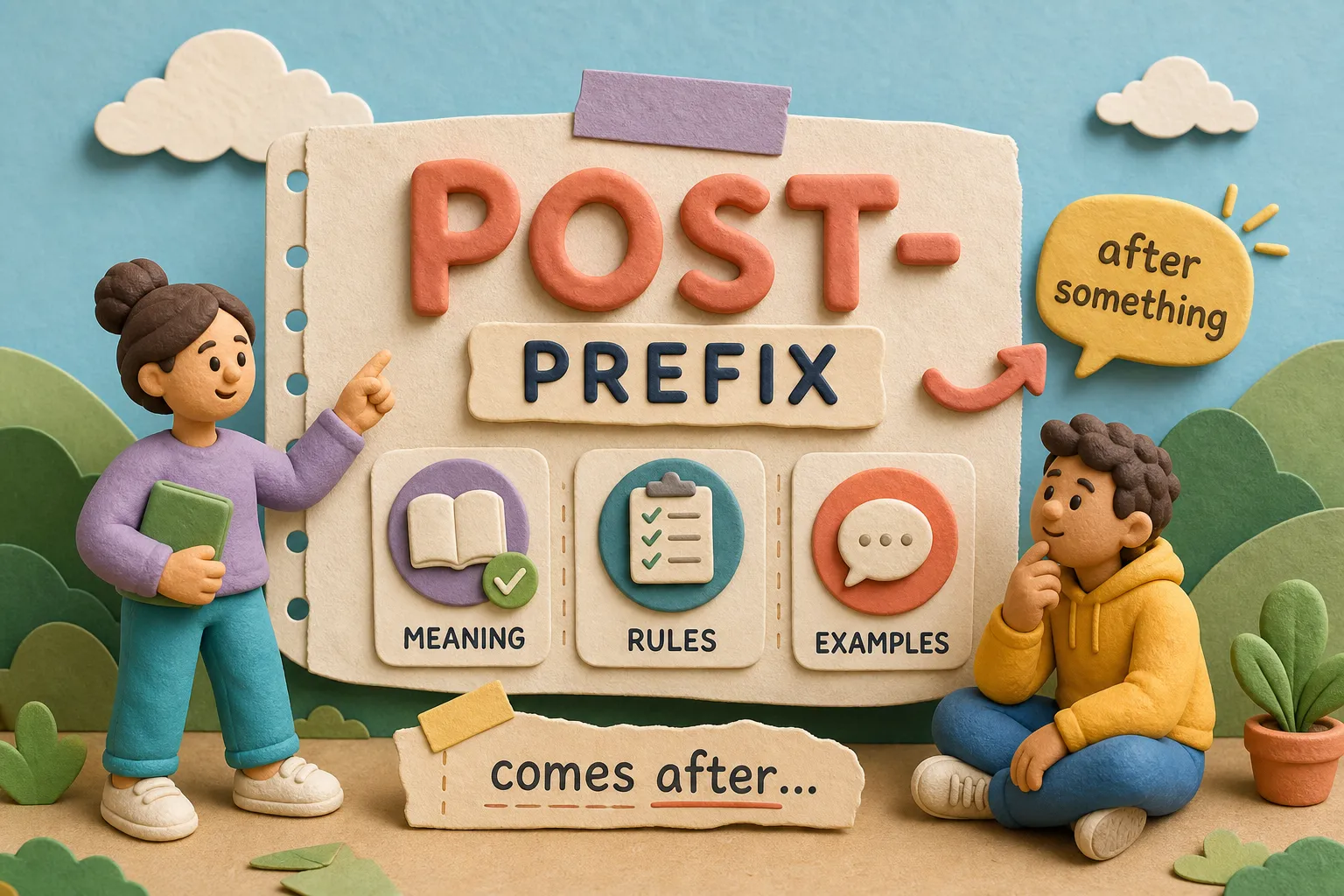
Learn what the post- prefix means, how to spell it correctly, and how to use it in professional emails and meetings. Master it with Your Daily American.
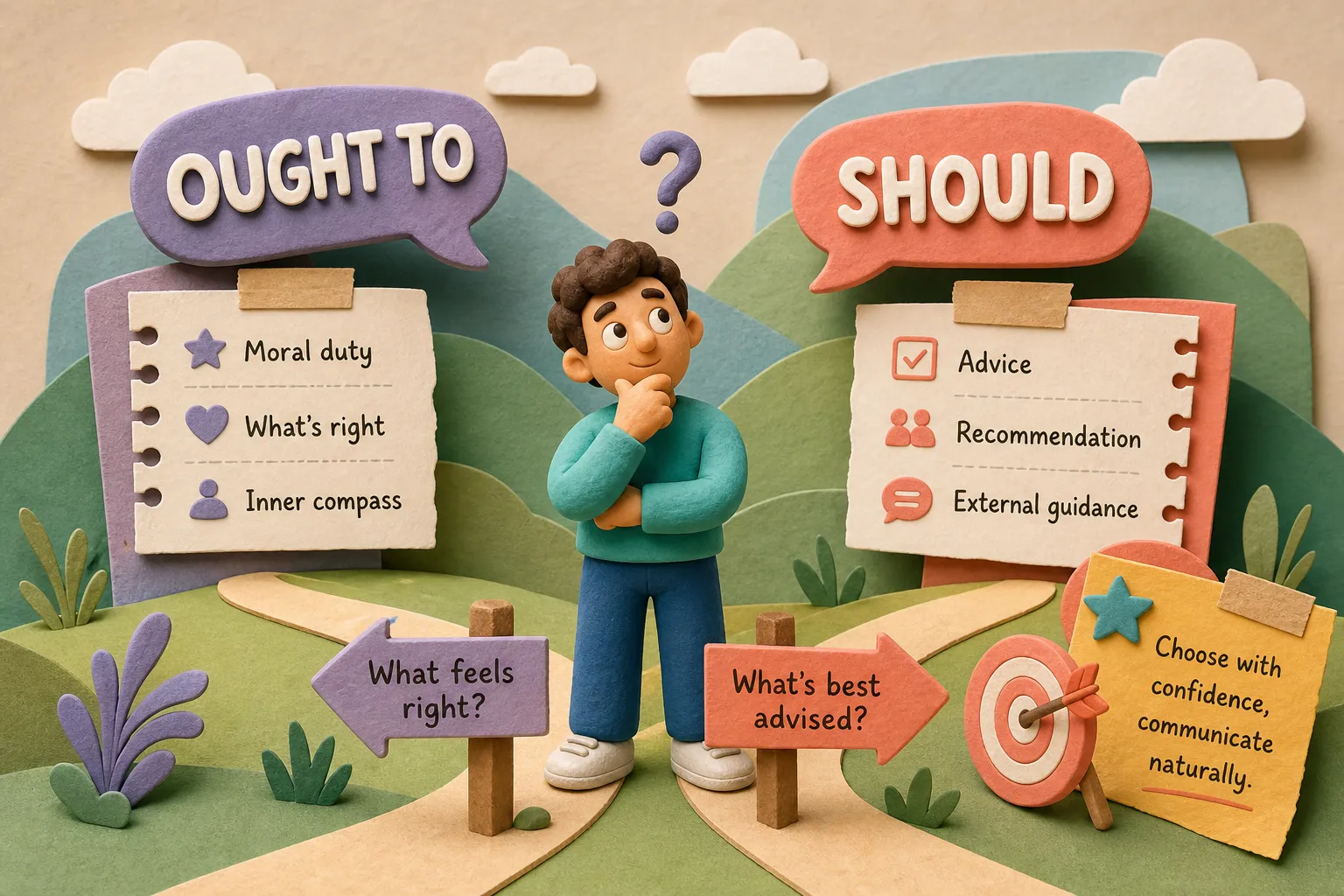
Learn when “ought to” sounds natural vs. too formal in American English, how it differs from “should,” and the common mistakes to avoid. Start speaking naturally.
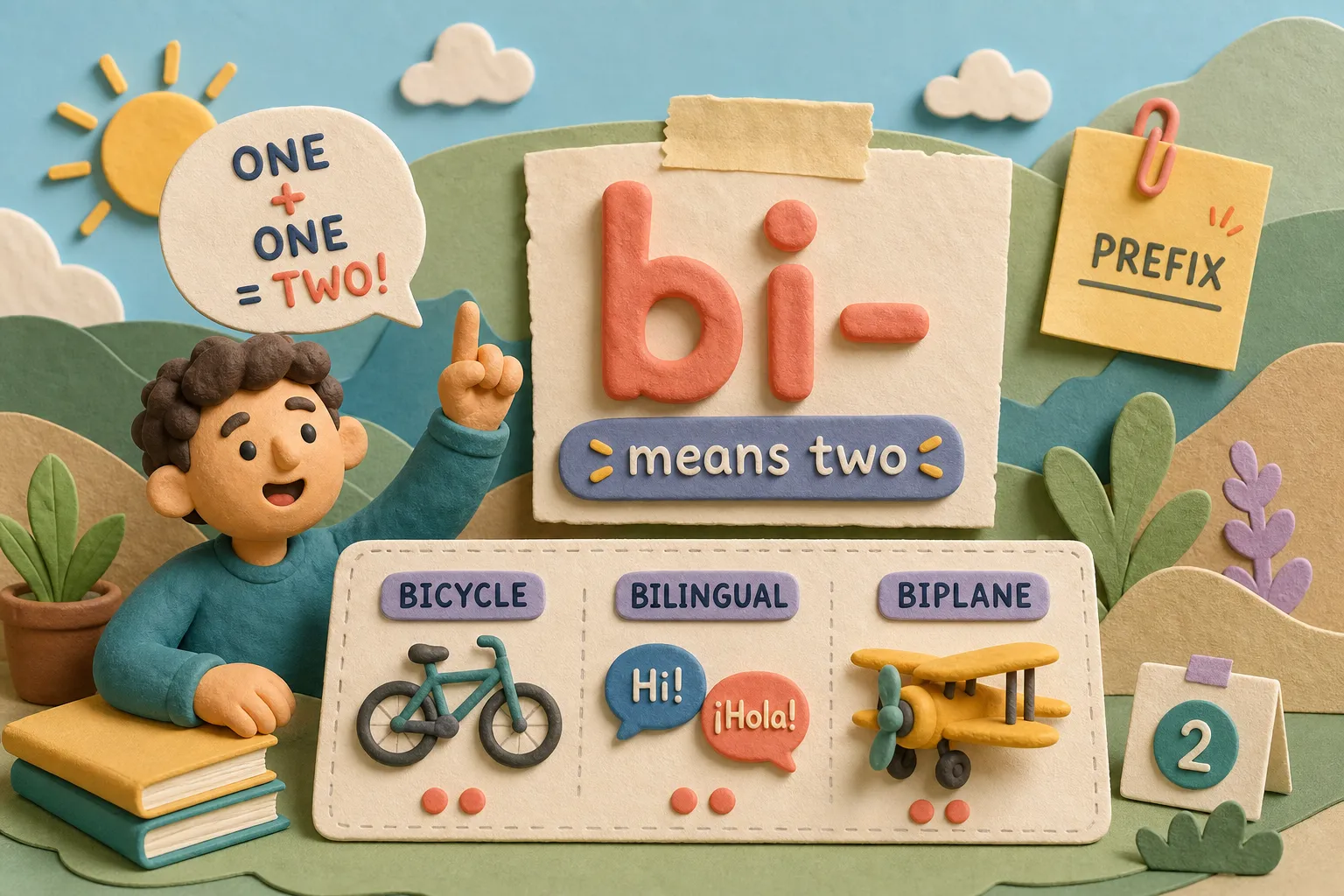
Learn the bi- prefix in American English: its Latin roots, pronunciation, and 20+ practical words for daily life and work. Build your vocabulary faster.