How to Choose the Best Online English School for You
Compare the best online English schools in 2026 by price, format, and focus area. Find the right platform for your goals and start learning today.
American English lessons by category — everyday phrases, professional English, pronunciation, and grammar. Free and practical for ESL learners.
Compare the best online English schools in 2026 by price, format, and focus area. Find the right platform for your goals and start learning today.
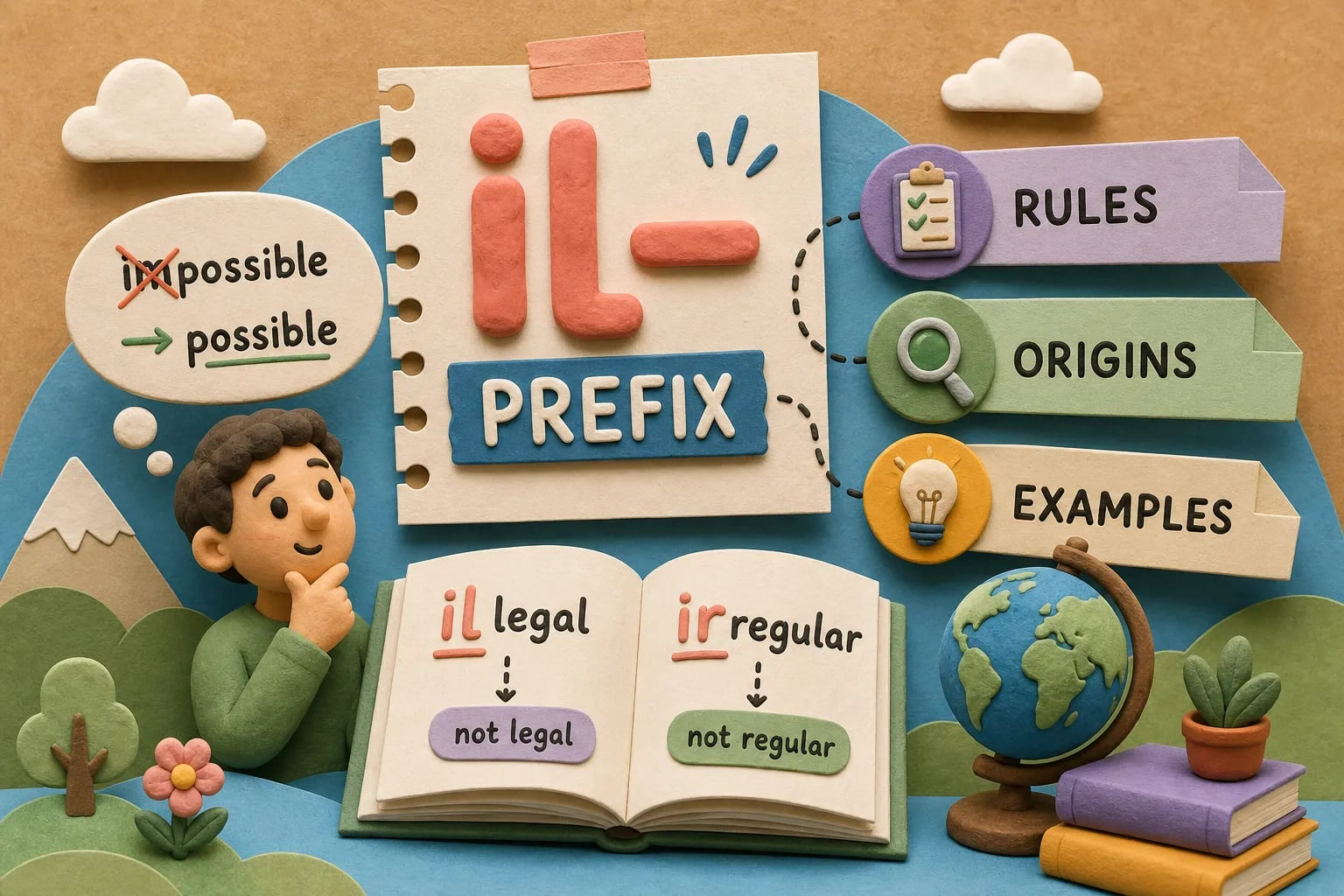
Learn why the il- prefix exists, how the in- spelling rule works, and which common words use it. See examples, exceptions, and practice tips.
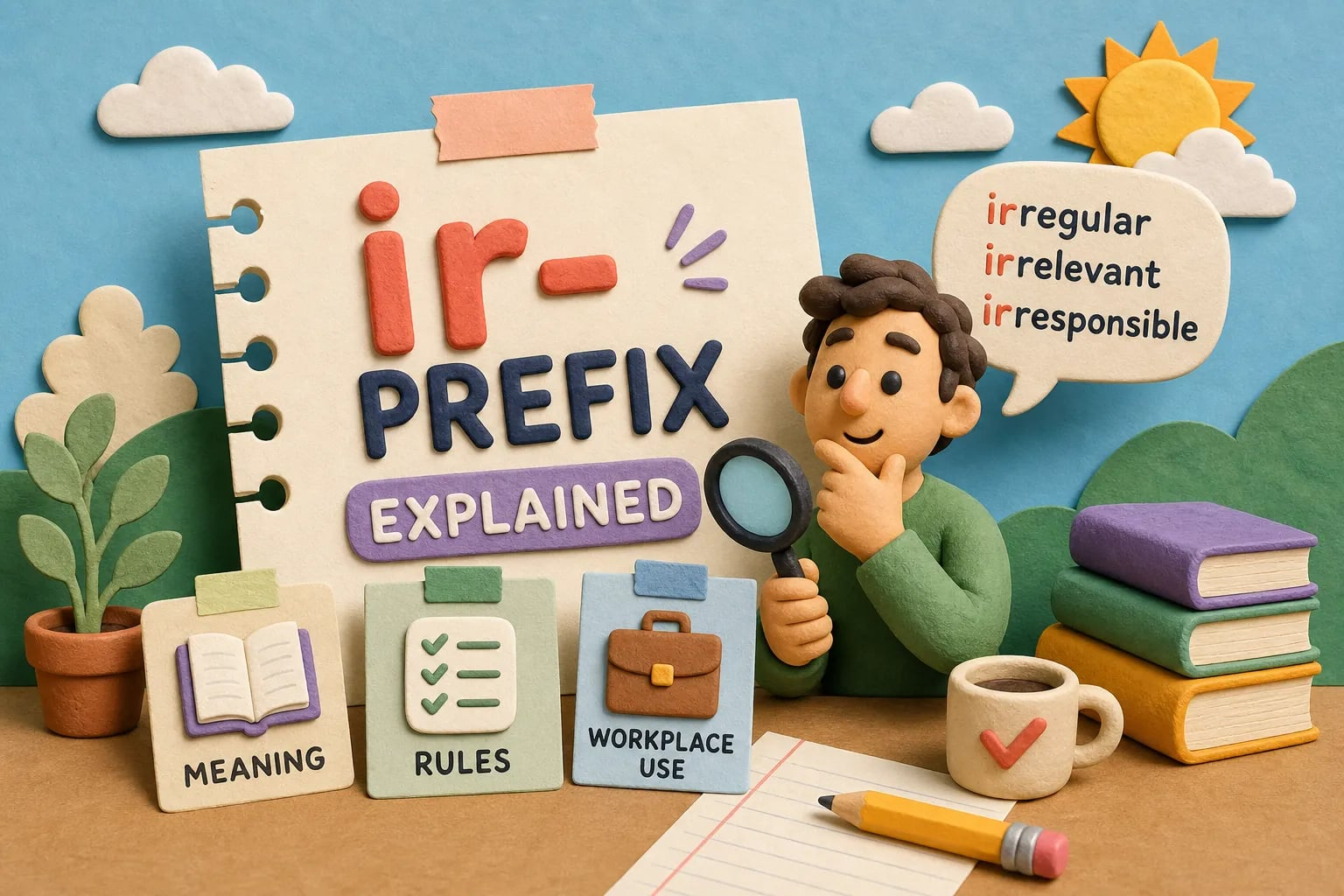
Learn what the ir- prefix means, why in- becomes ir- before r, and how to use common ir- words correctly in workplace English. Start building your vocabulary now.

Learn to use the future with will in American English. See real examples for predictions, promises, and offers, and practice right away.
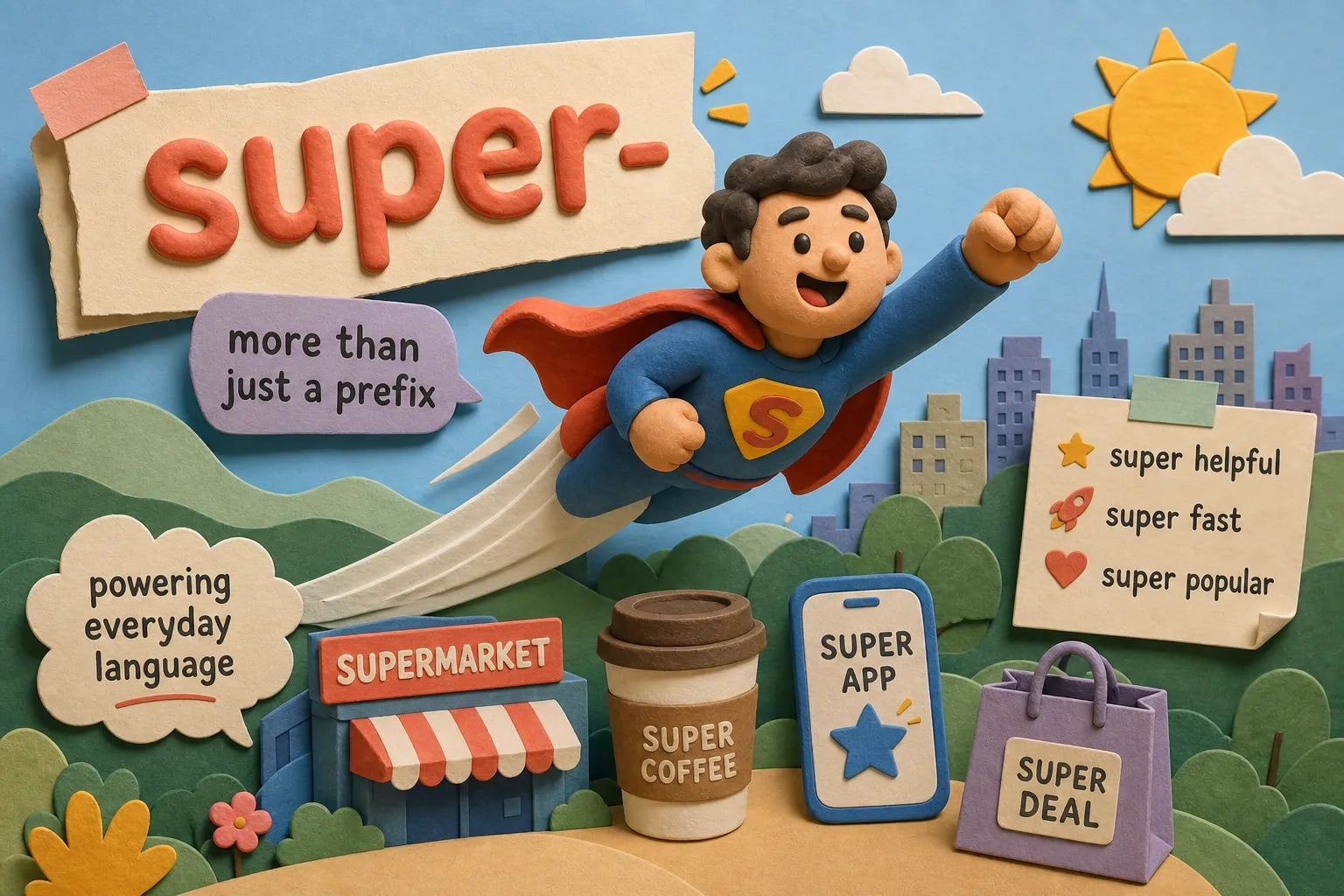
Learn what the super prefix means, where it comes from, and how Americans use it — from workplace words to everyday slang. See 40+ clear examples.

The -en suffix turns adjectives into verbs like widen, brighten, and strengthen. Learn the rules, see real examples, and use them fluently in American English.
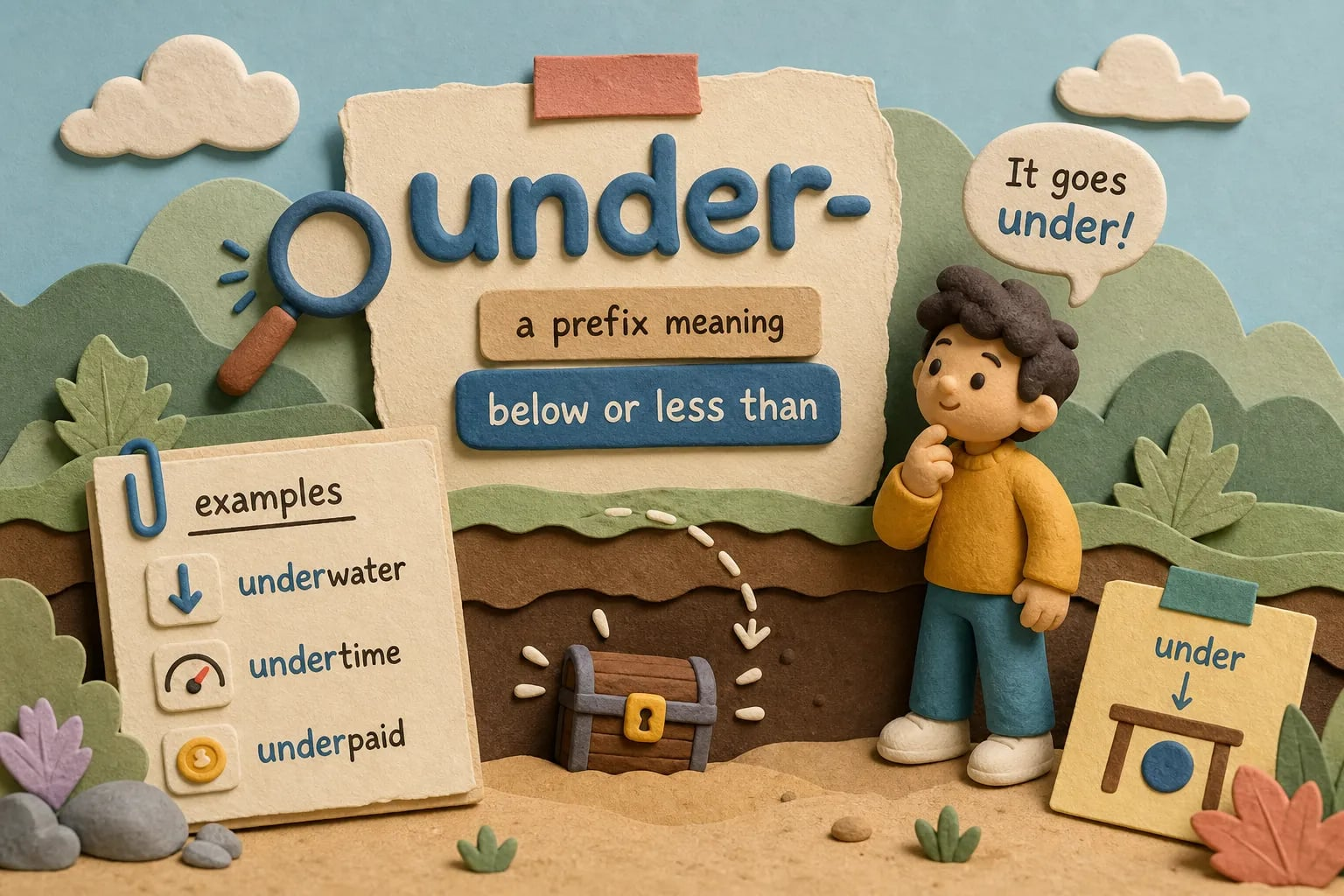
Learn what the under- prefix means and how it changes words like underestimate and underperform. See real American English examples and start using them today.
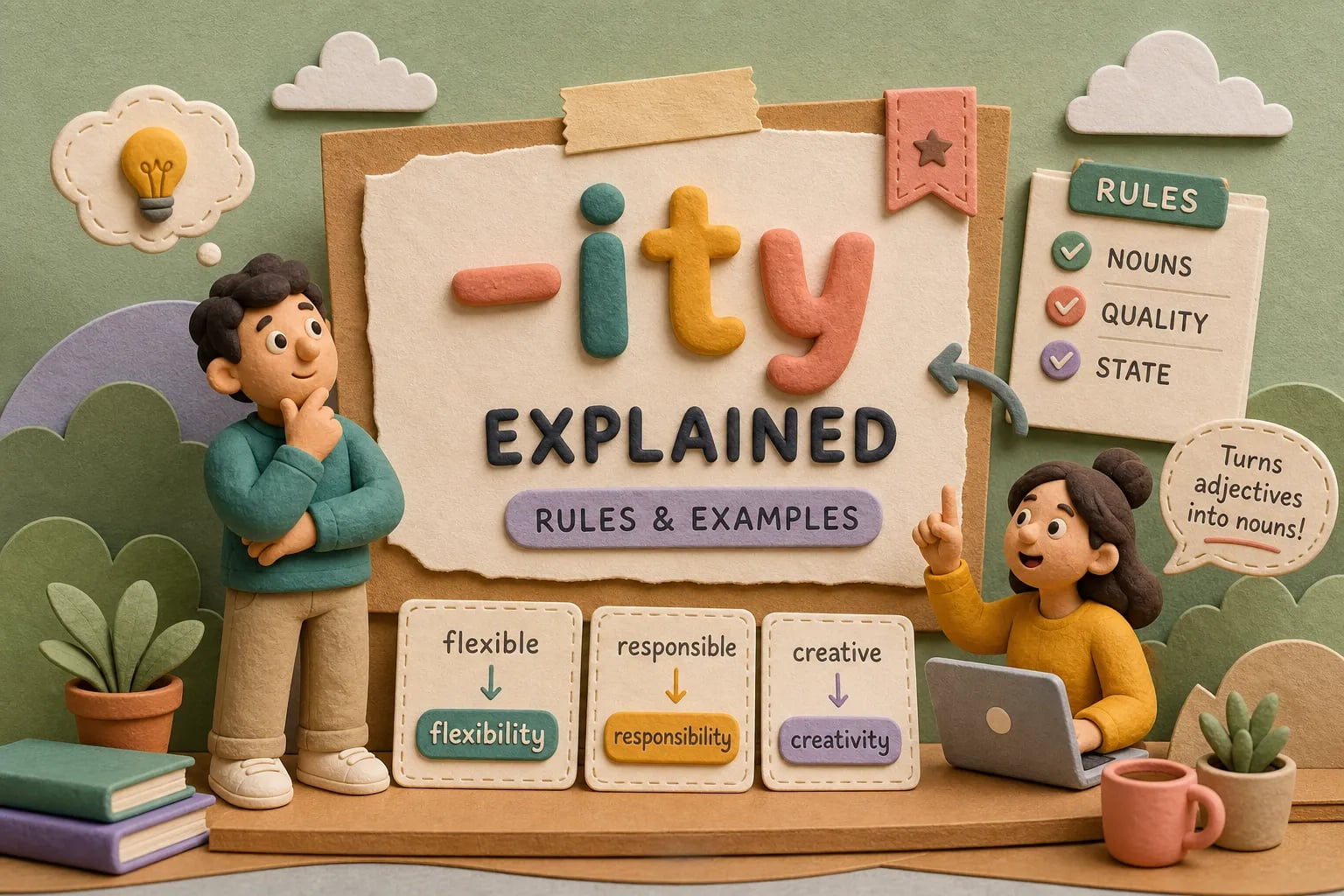
Master the -ity suffix: spelling rules, stress shifts, and the key words — from productivity to accountability — that help you sound polished in American professional English.
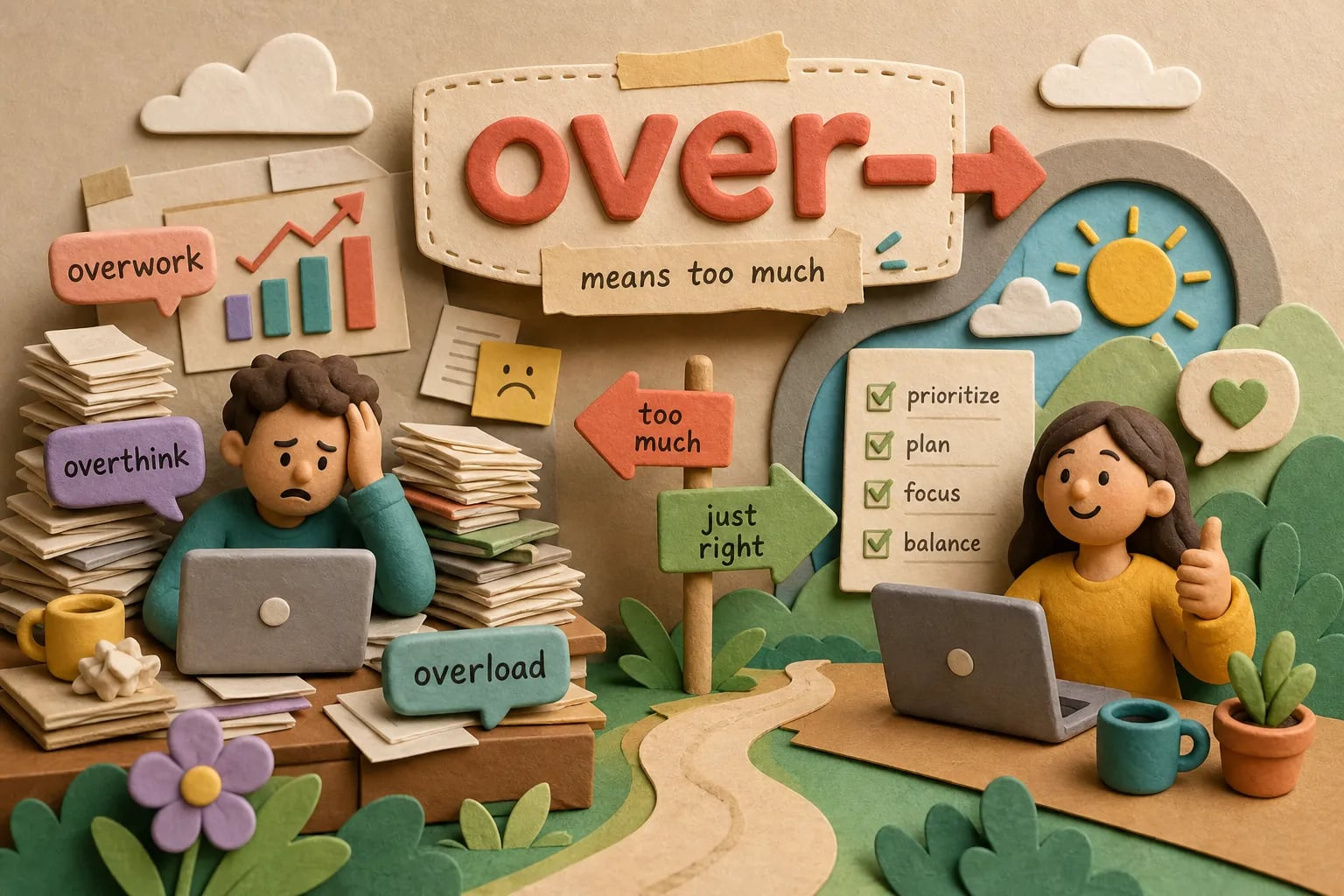
Learn what the over- prefix means in American English and see common over- words and phrasal verbs for work, daily life, and more. Start using them today.

Learn natural American phrases for accepting an invite, from casual texts to formal emails. Real dialogue examples and RSVP etiquette tips included. Start using them today.
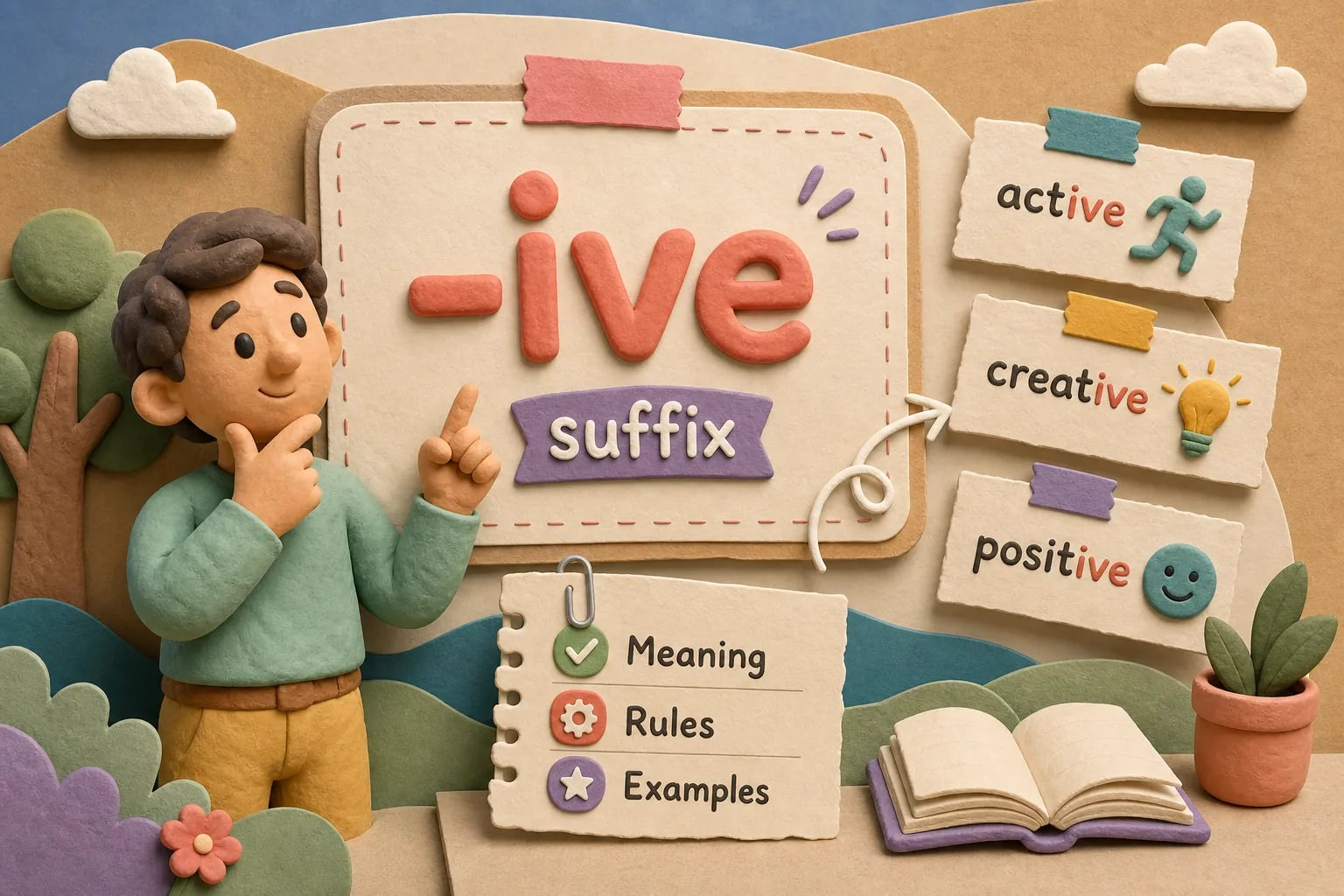
Learn what the -ive suffix means, where it comes from, and how to use common -ive words in business English, resumes, and interviews.
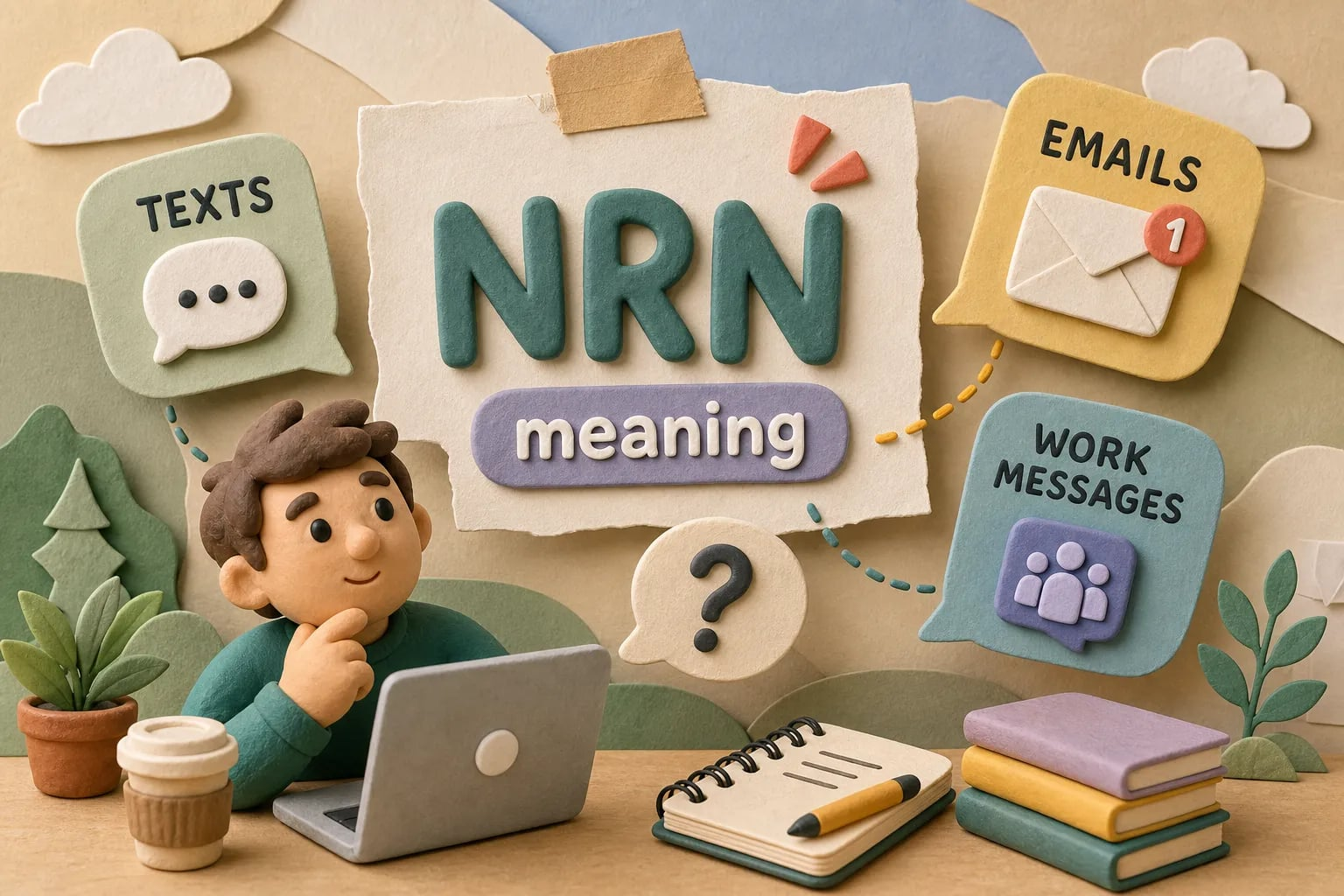
Learn the NRN meaning in texts and work emails, why Americans use it, and similar shorthand. Master professional American English with Your Daily American.
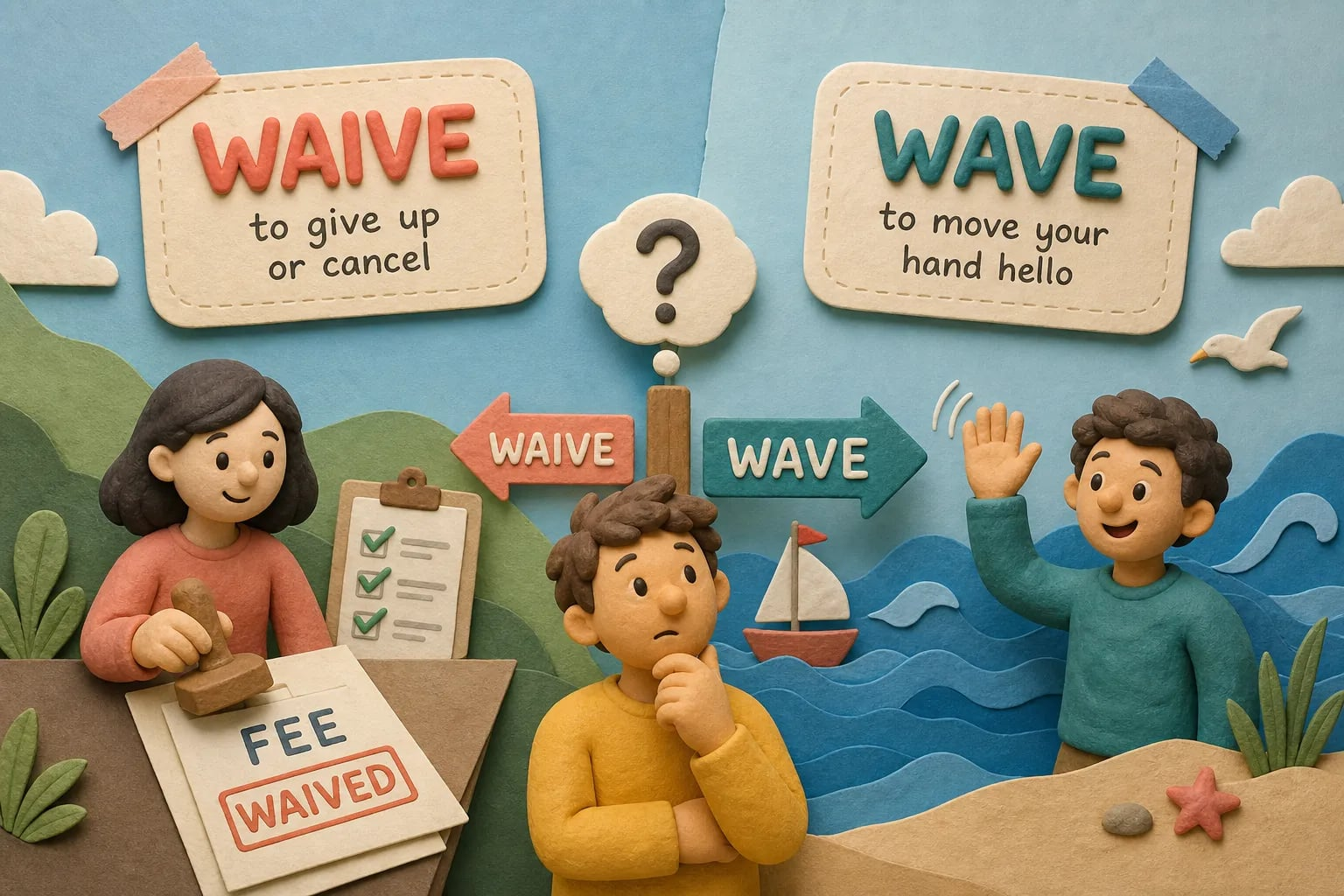
Waive vs. wave: learn the real difference, common phrases, memory tricks, and examples so you always choose the right word at work and in daily life.
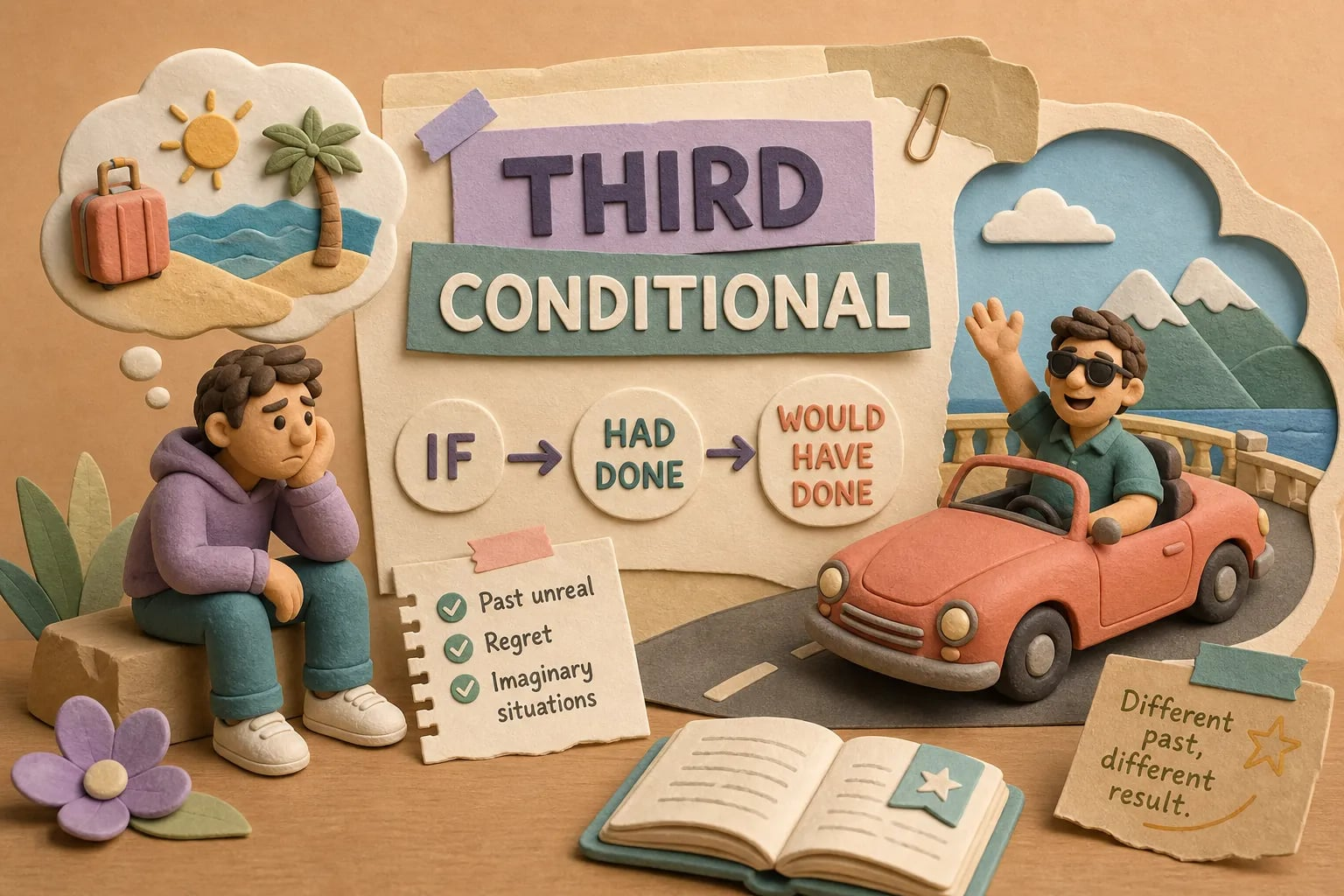
Master the third conditional with real American English examples from work and interviews. Learn the rules, fix common mistakes, and practice today.
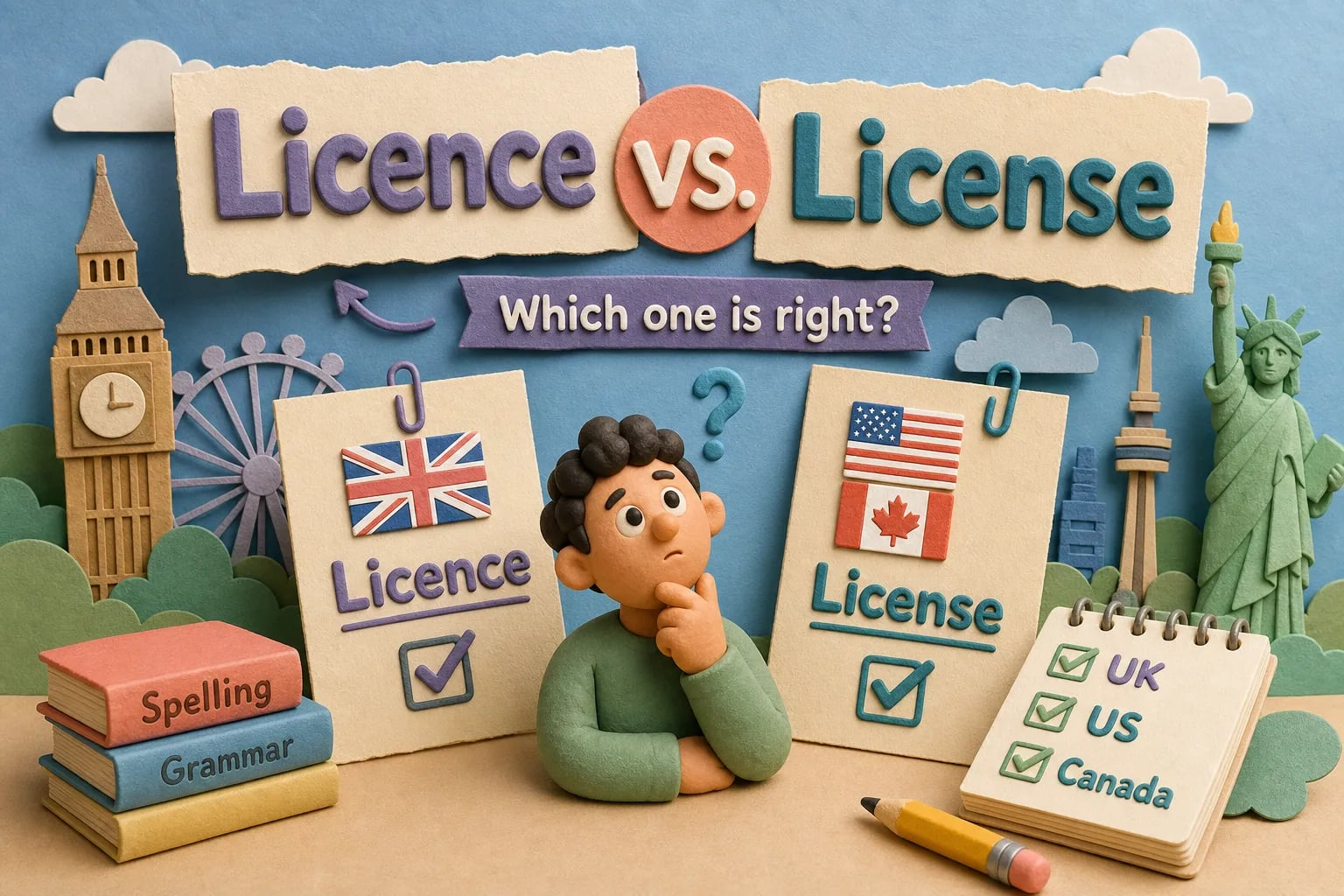
Confused by licence vs. license? Learn the exact spelling rule for US, UK, and Canada, see real examples, and never mix them up again.

Learn what “have a blast” means in American English, see it in real conversations, and find natural alternatives for any situation. Start using it today.
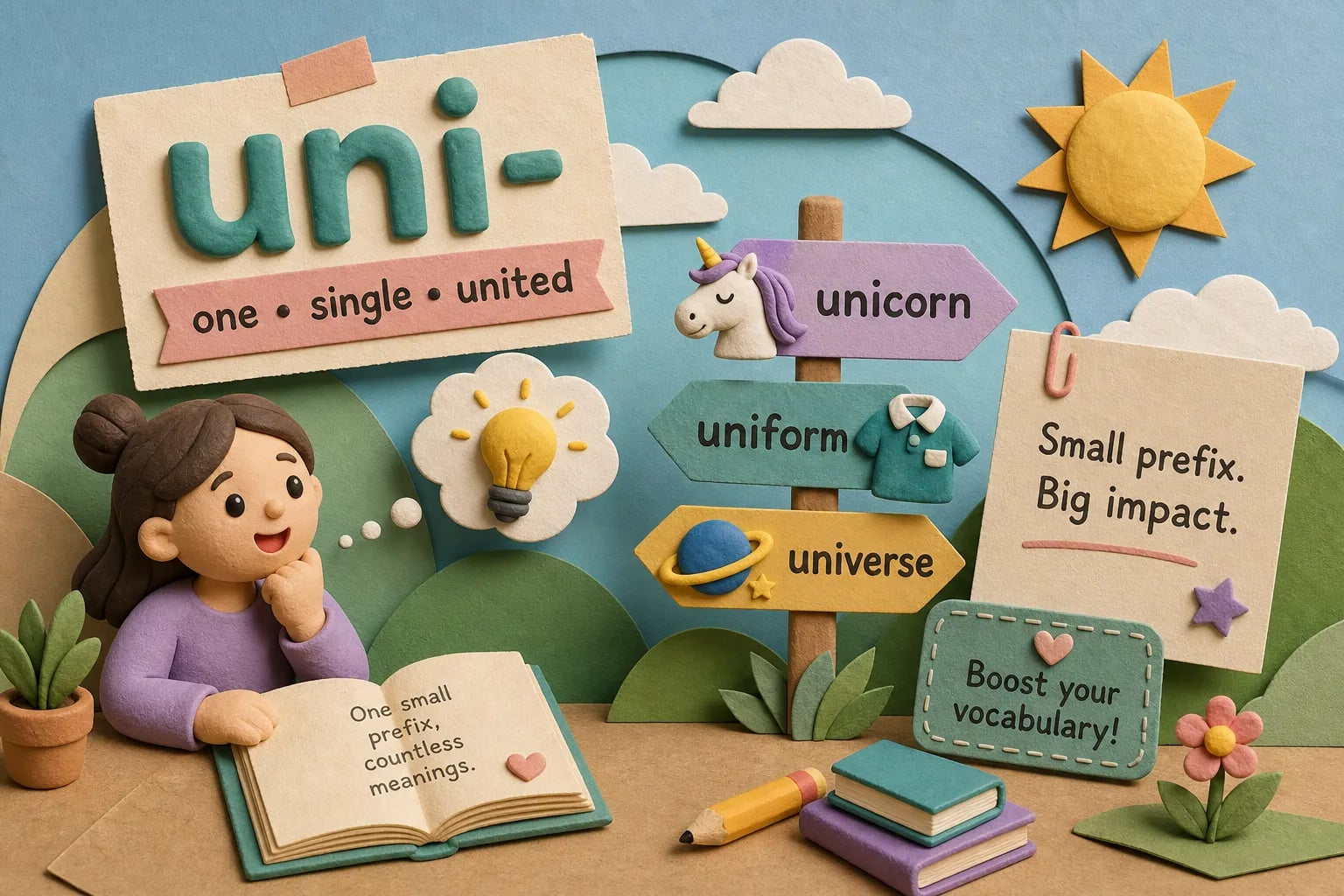
Learn the uni- prefix meaning, its Latin origin, and 15+ real words used in everyday and workplace American English. Build smarter vocabulary today.
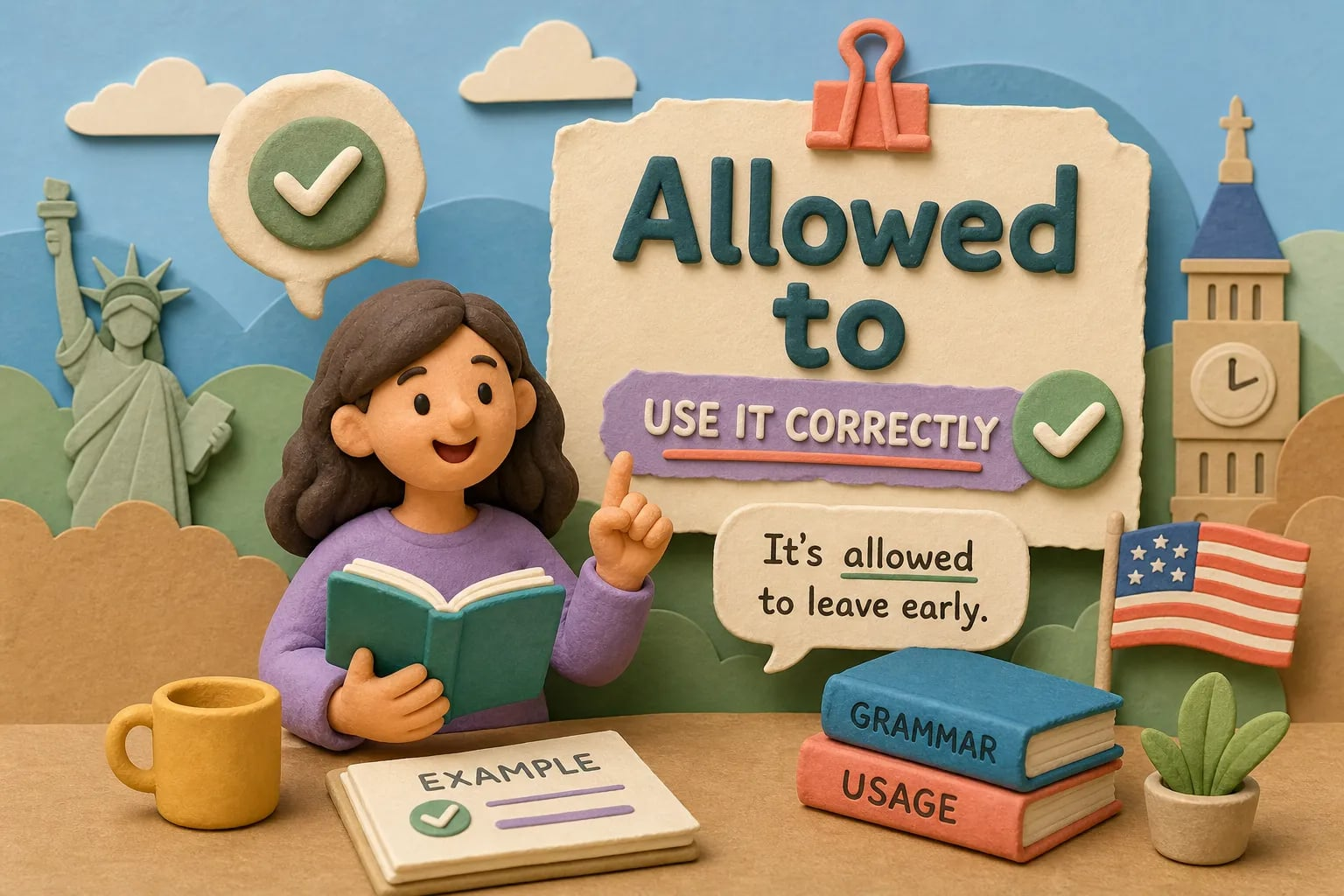
Learn how “allowed to” works in American English, when to use it vs. “can” or “permitted to,” and the top ESL mistakes to avoid. Practice included.
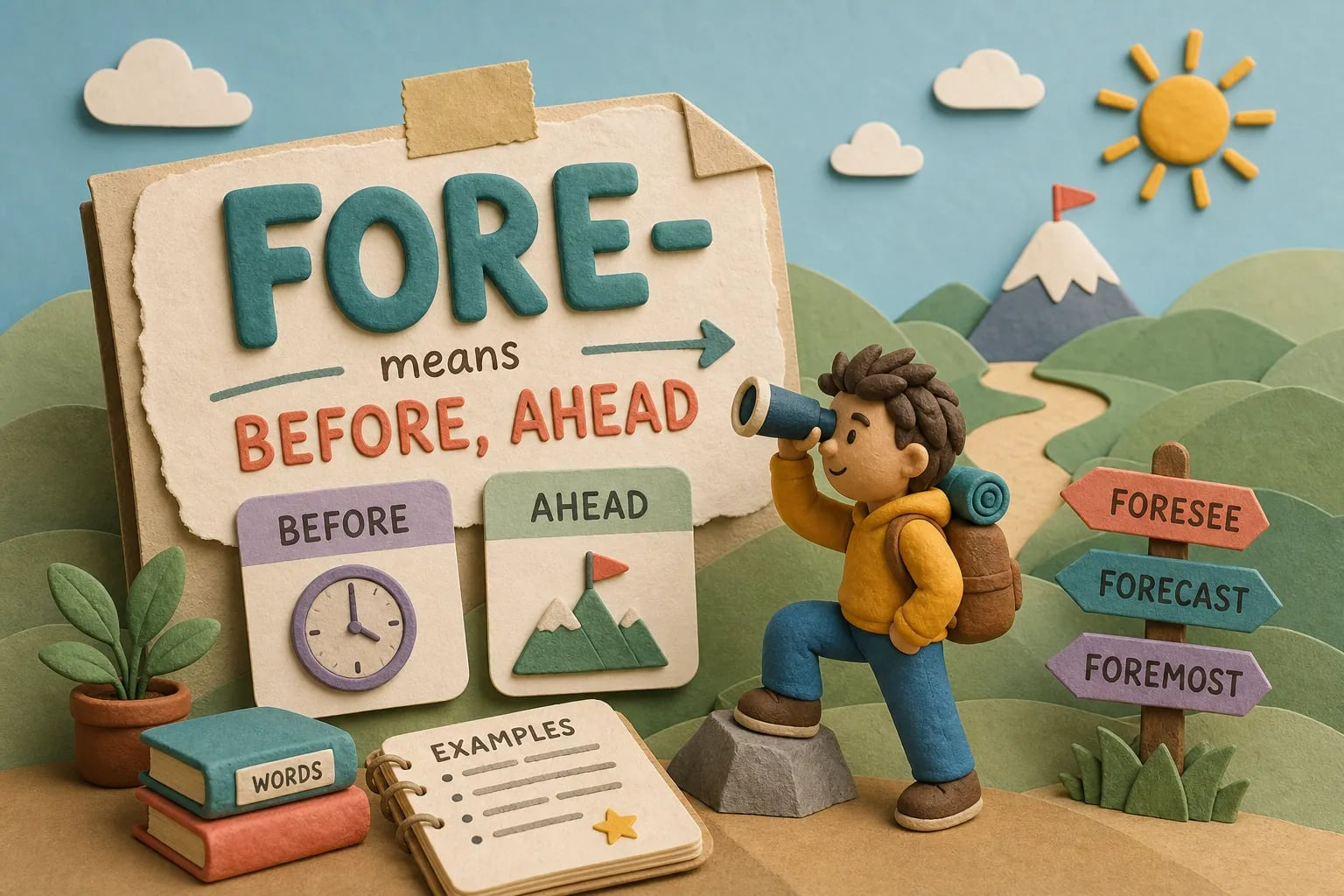
Learn what the fore- prefix means, where it comes from, and how to use 40 common fore- words in real American English. Build your vocabulary faster today.
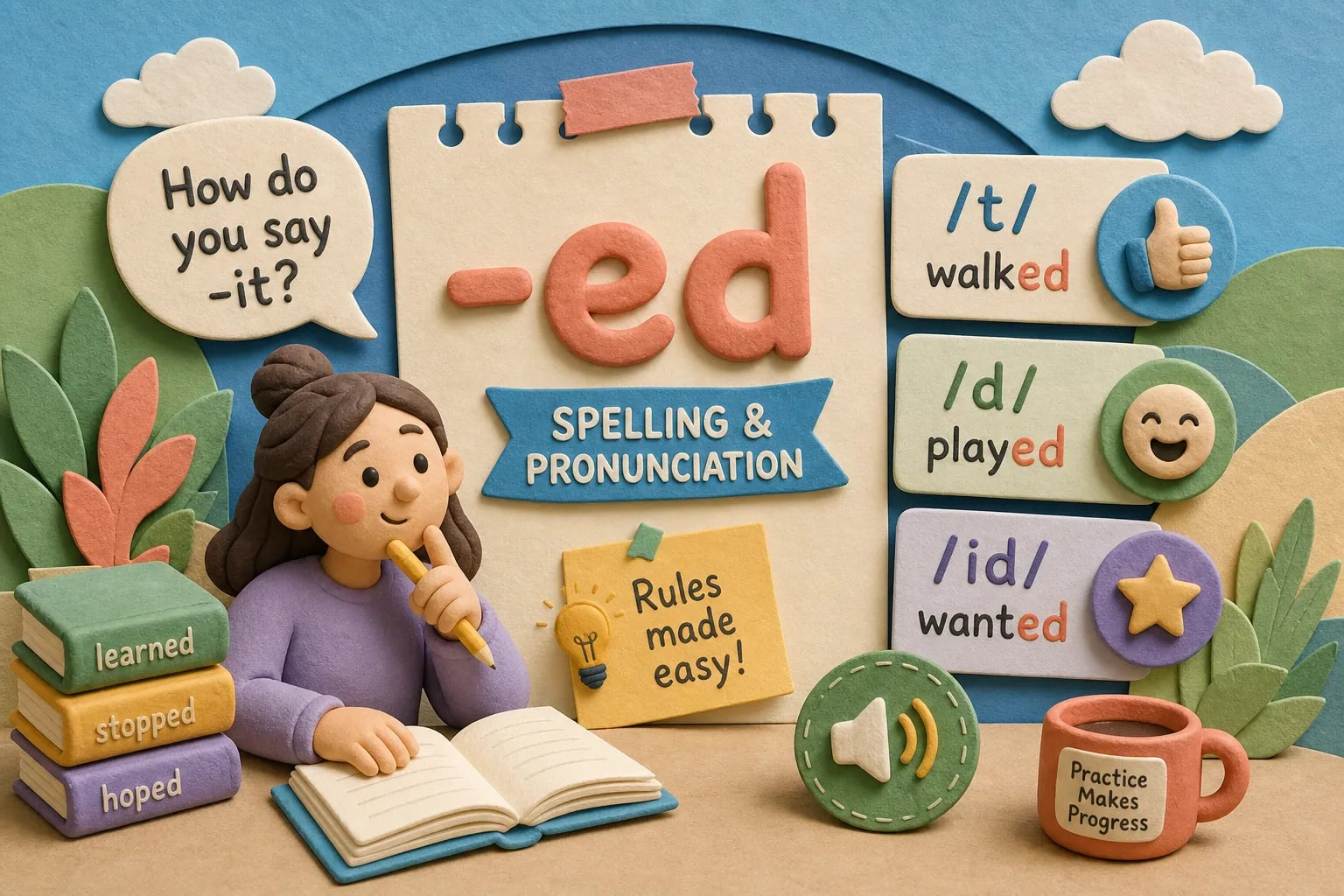
Learn how the -ed suffix works in American English: spelling rules, the 3 sounds (/t/, /d/, /ɪd/), common mistakes, and practice tips.
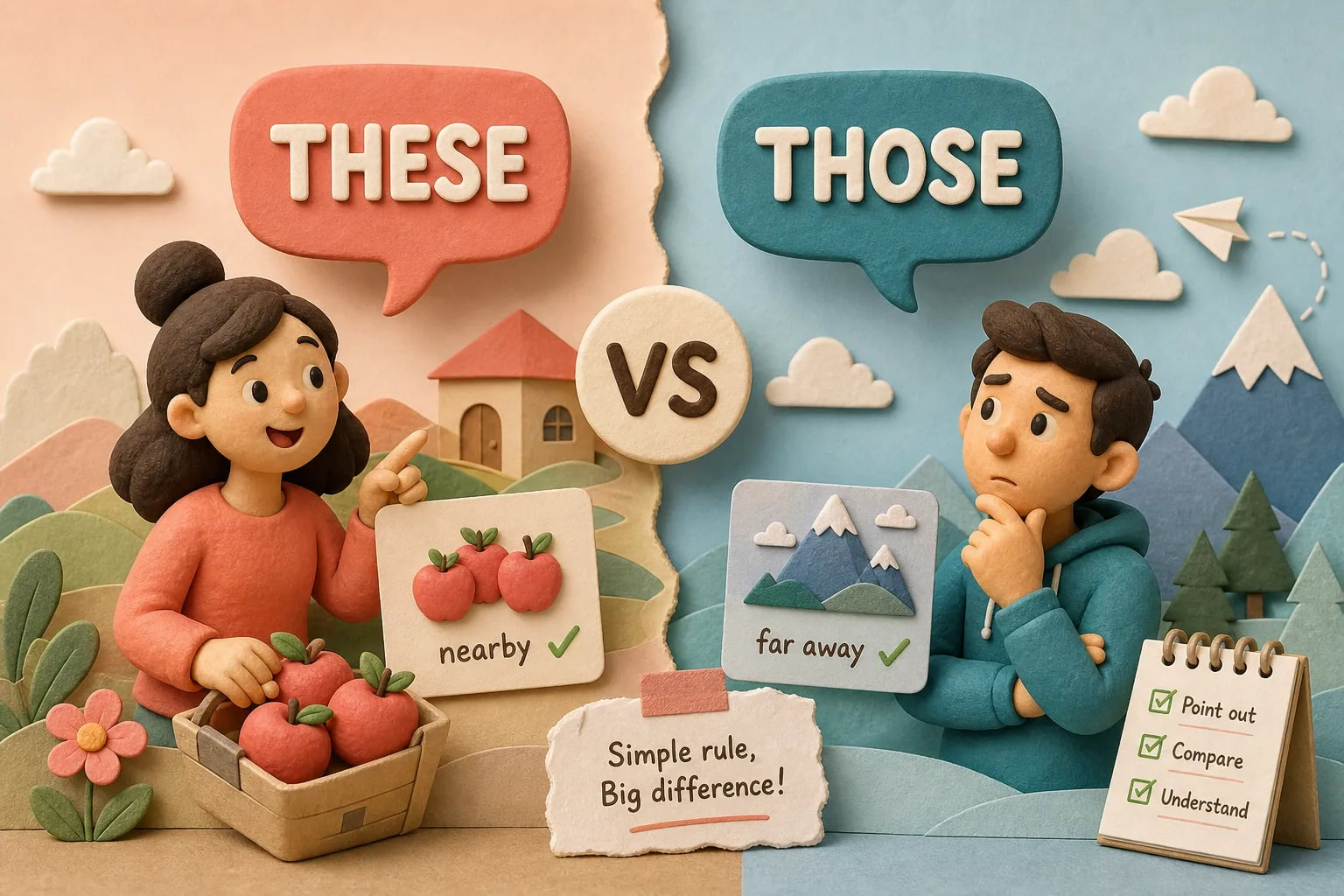
These vs those confusing you? Learn the one proximity rule, see real American English dialogues, and test yourself with quick practice. Start here.