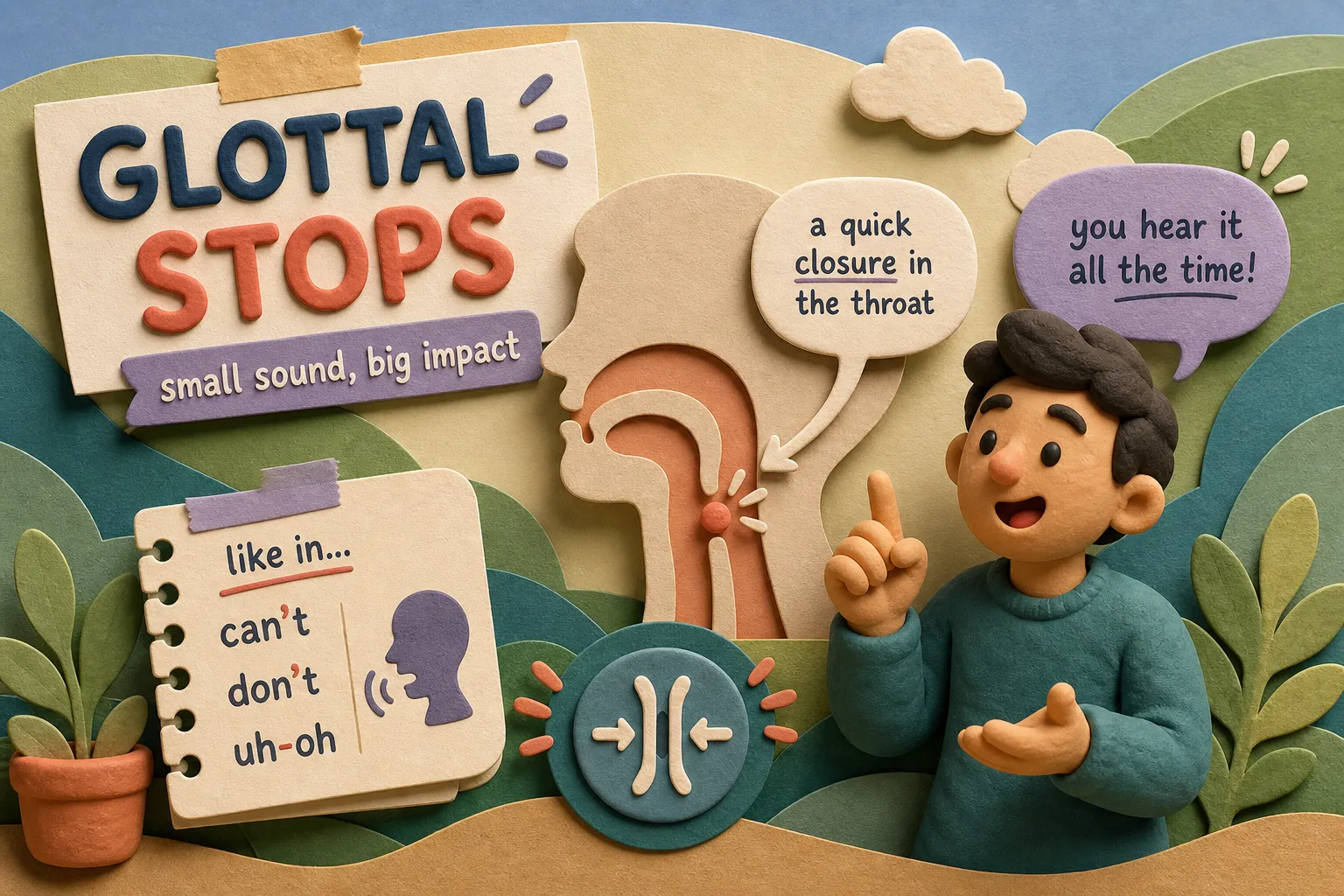
Glottal Stops: What They Are & How to Use Them
Glottal stops appear in everyday words like “button” and “uh-oh.” Learn what they are, how Americans use them, and why hearing them helps. Explore more at Your Daily American.
Glottal stops appear in everyday words like “button” and “uh-oh.” Learn what they are, how Americans use them, and why hearing them helps. Explore more at Your Daily American.
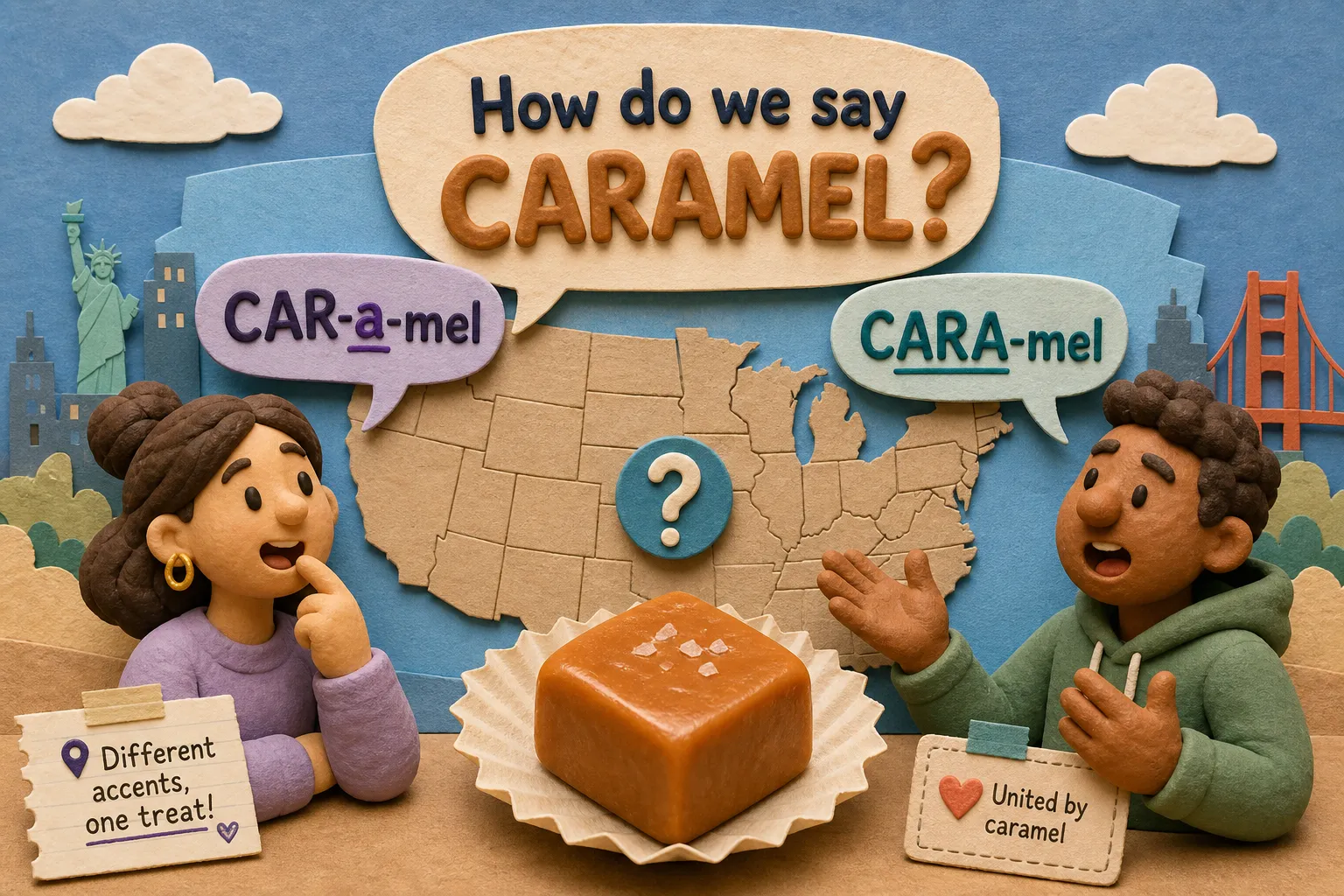
Caramel pronunciation in American English: two accepted ways natives say it, IPA included, with regional patterns and tips to say it confidently. Start here.
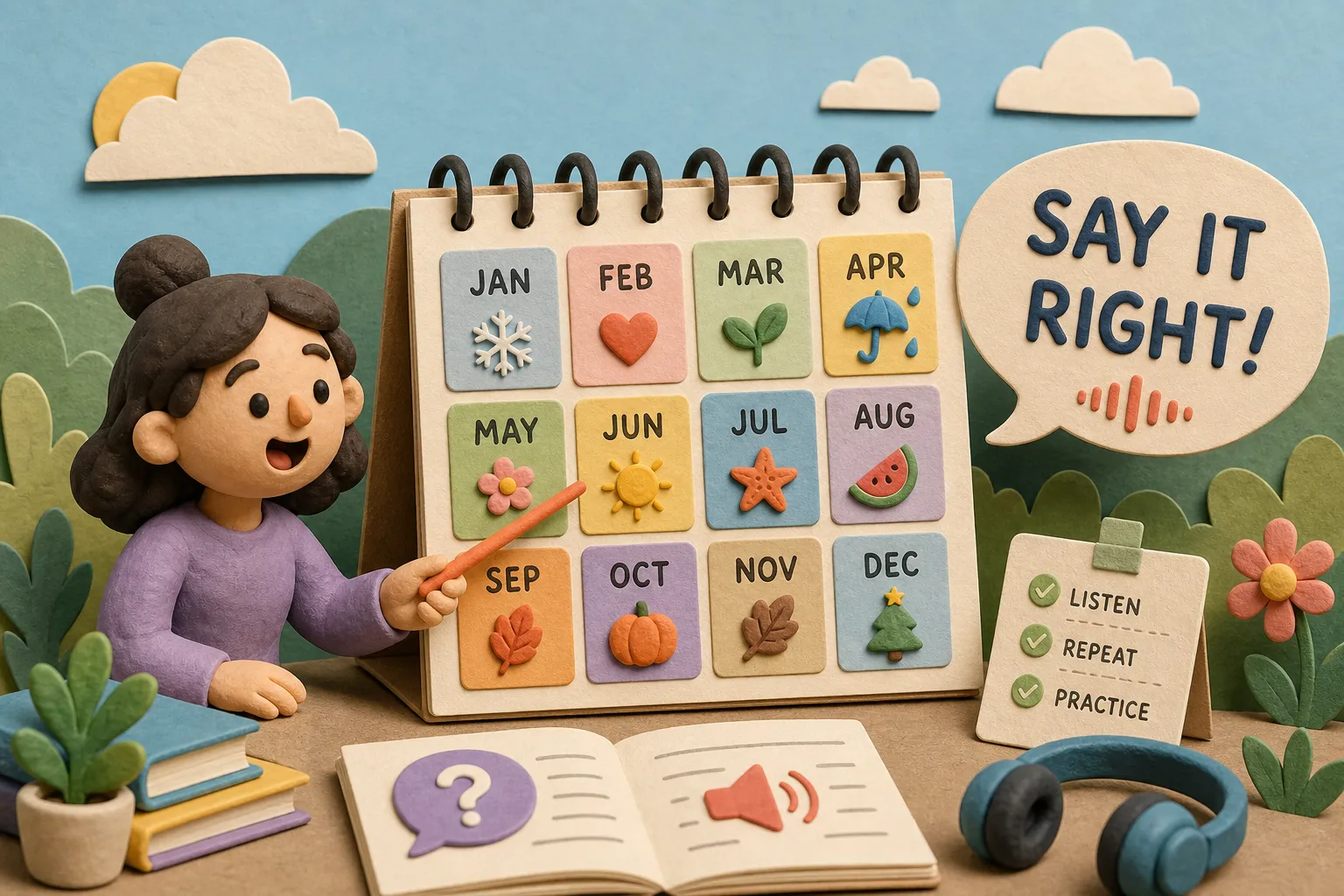
Months of the year pronunciation in American English: learn all 12 month names, fix mispronunciations like February, and sound polished in meetings and emails.
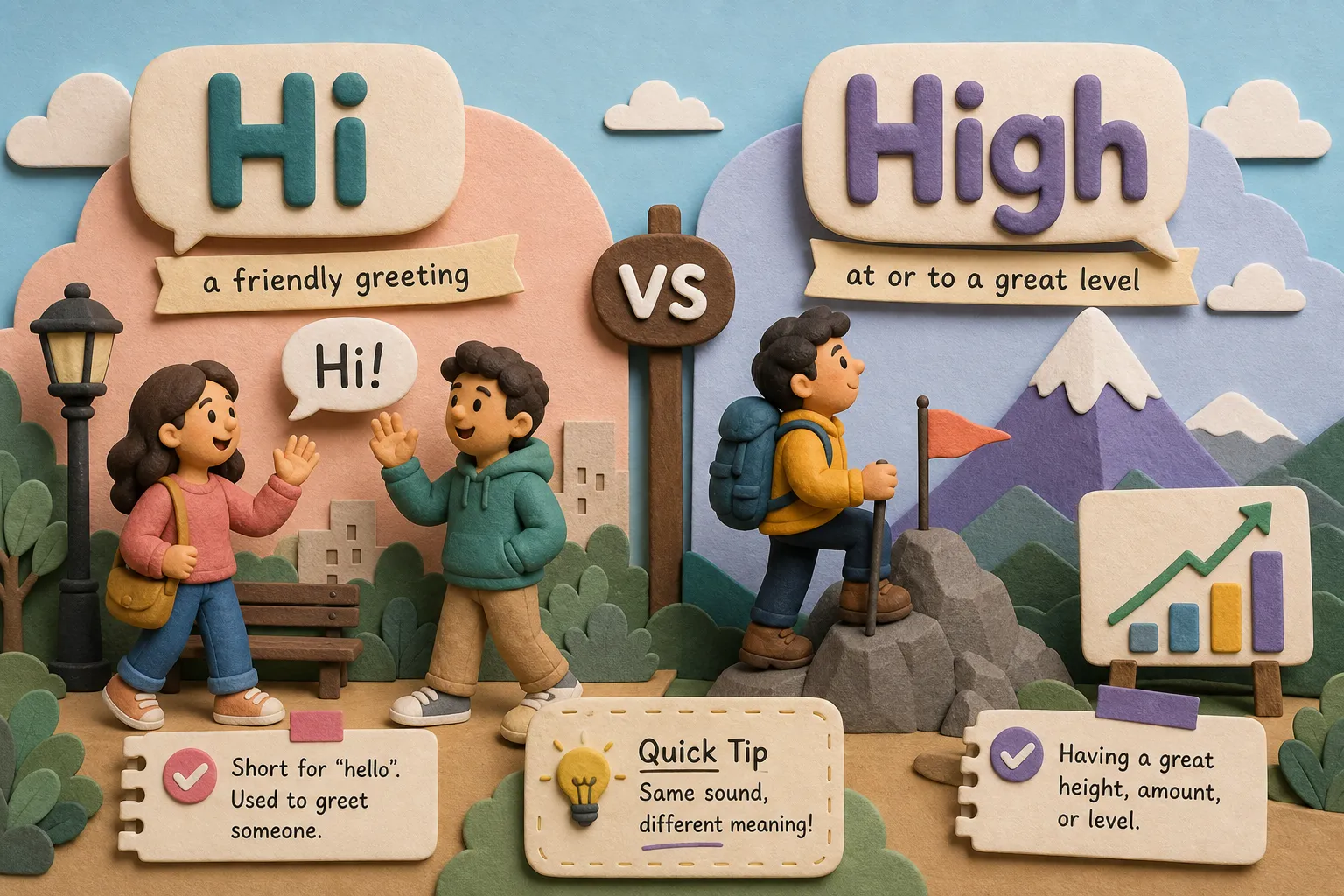
“Hi” vs “high” — same pronunciation, very different meanings. Learn what sets them apart, see real examples, and never mix them up in writing again.
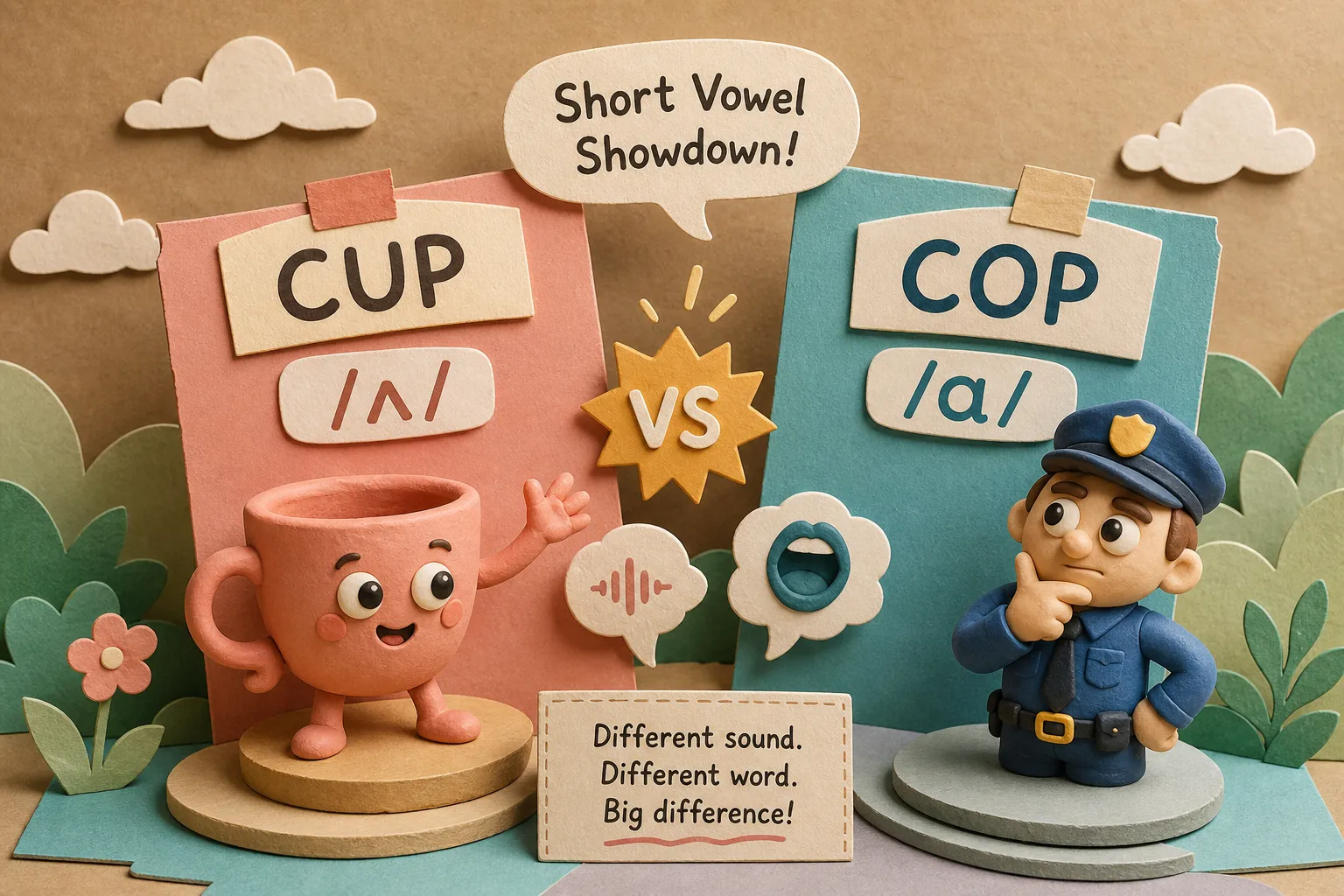
Cup vs cop pronunciation got you guessing? Learn exact mouth positions for /ʌ/ and /ɑ/, drill minimal pairs, and fix the mix-up in under 10 minutes.
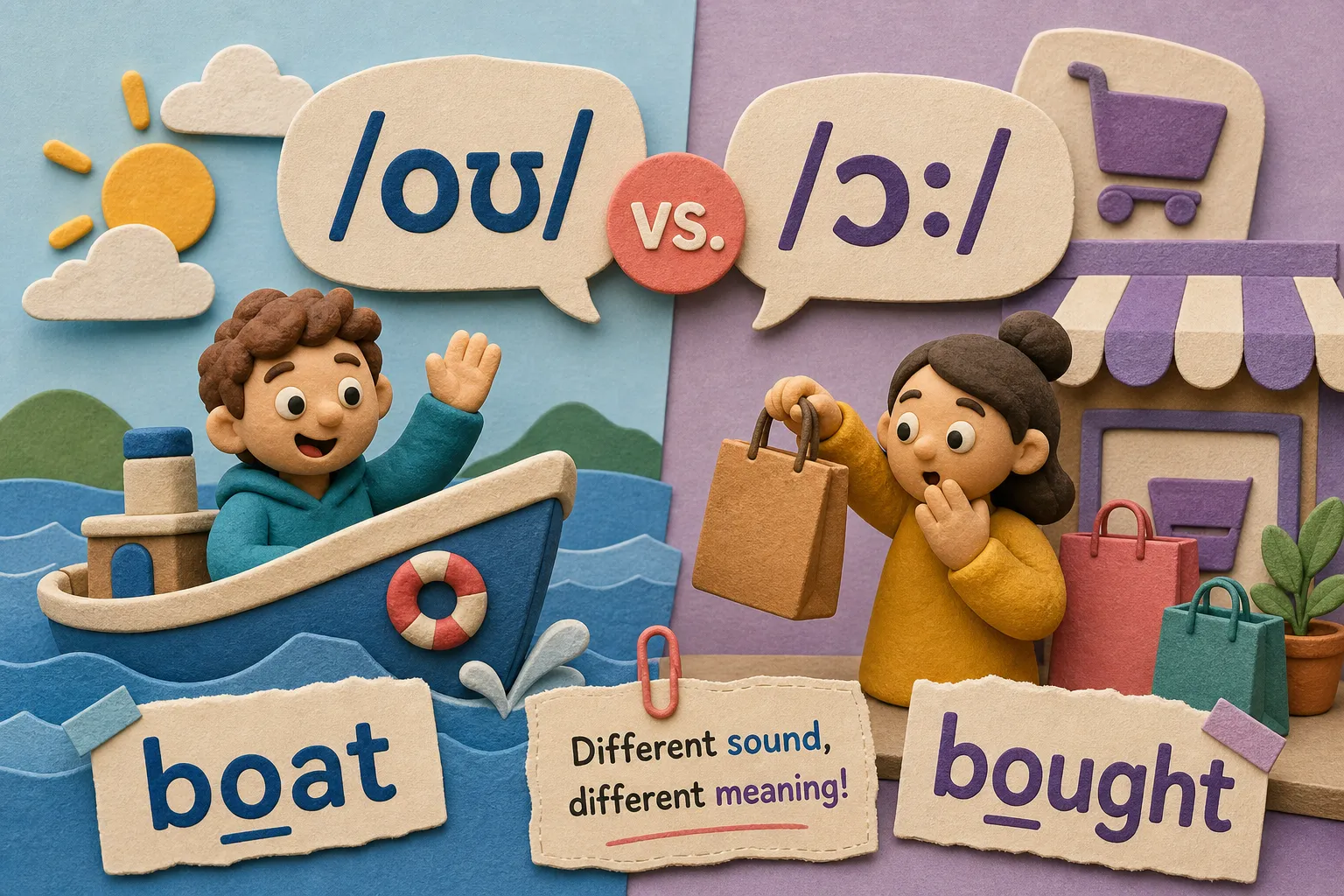
Master the boat vs bought pronunciation difference with IPA breakdowns, mouth-position cues, and 5 targeted drills. Start sounding more natural today.
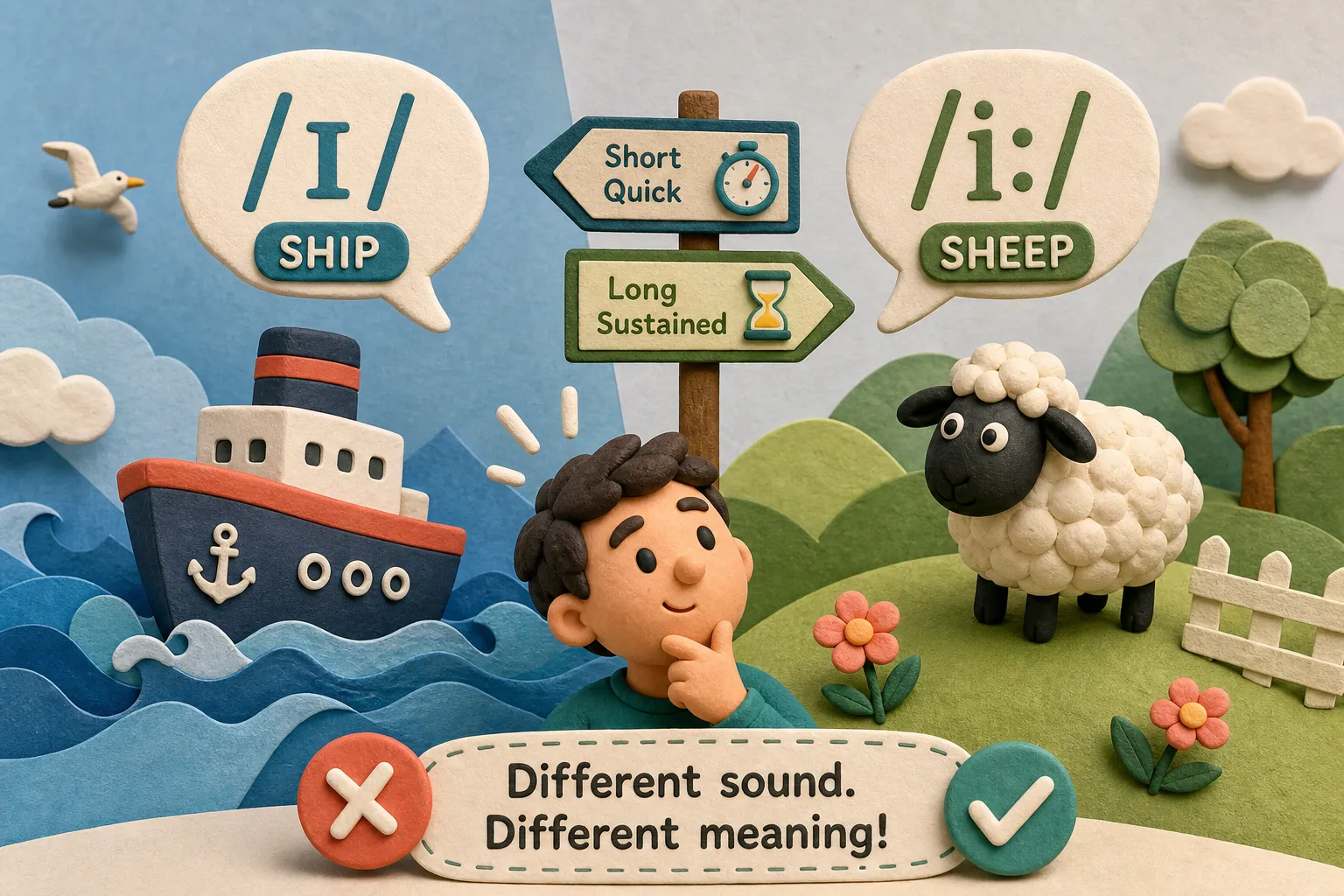
Ship vs sheep trips up millions of ESL learners. Learn the exact mouth position, vowel length cues, and minimal-pair drills to finally hear and say both sounds correctly.
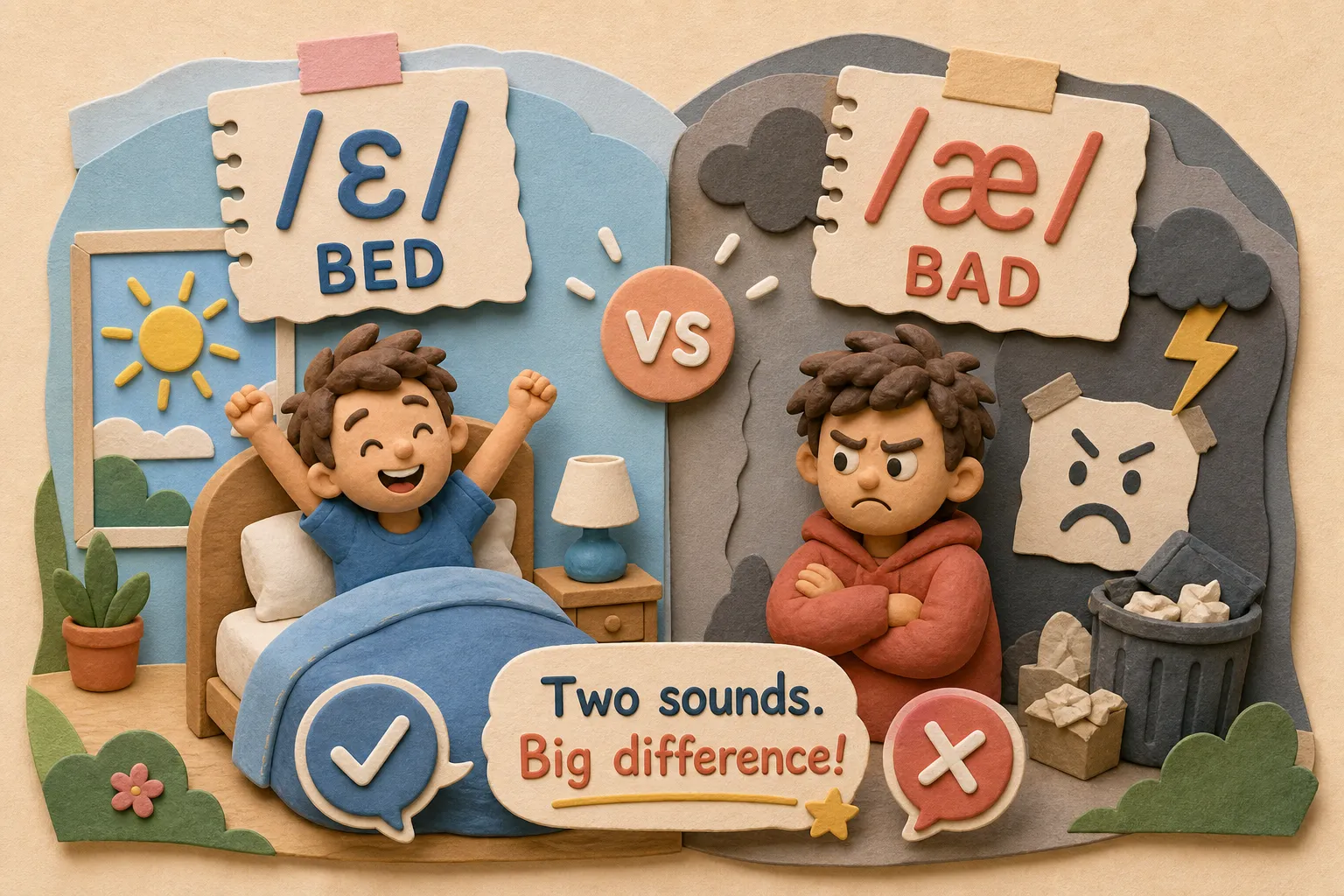
Bed vs bad: learn the tongue and jaw positions for /ɛ/ and /æ/, run targeted minimal pair drills, and fix this American English pronunciation gap for good.
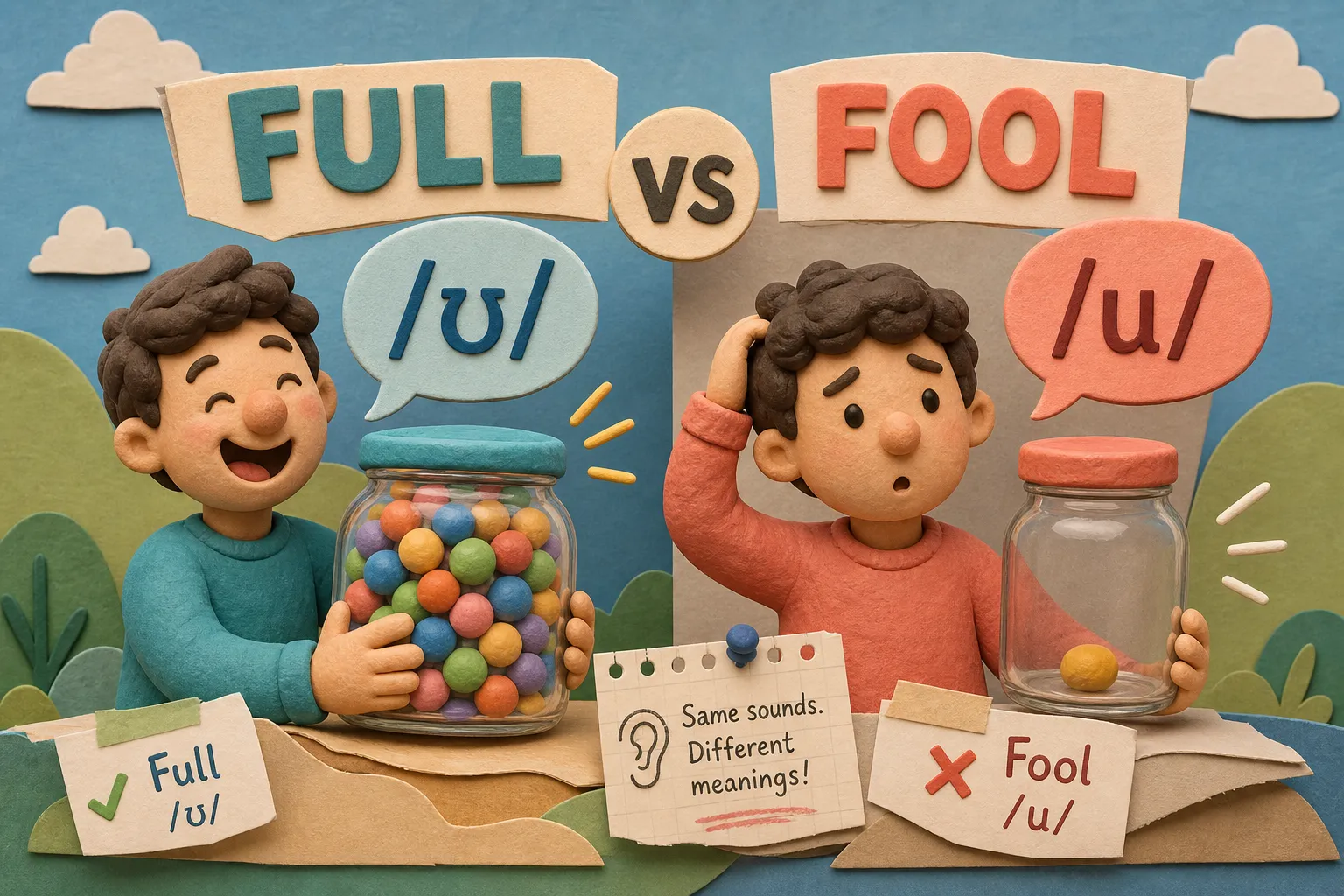
Full vs fool: learn the exact mouth positions for /ʊ/ and /uː/, practice with minimal pairs, and finally hear and say both sounds correctly.
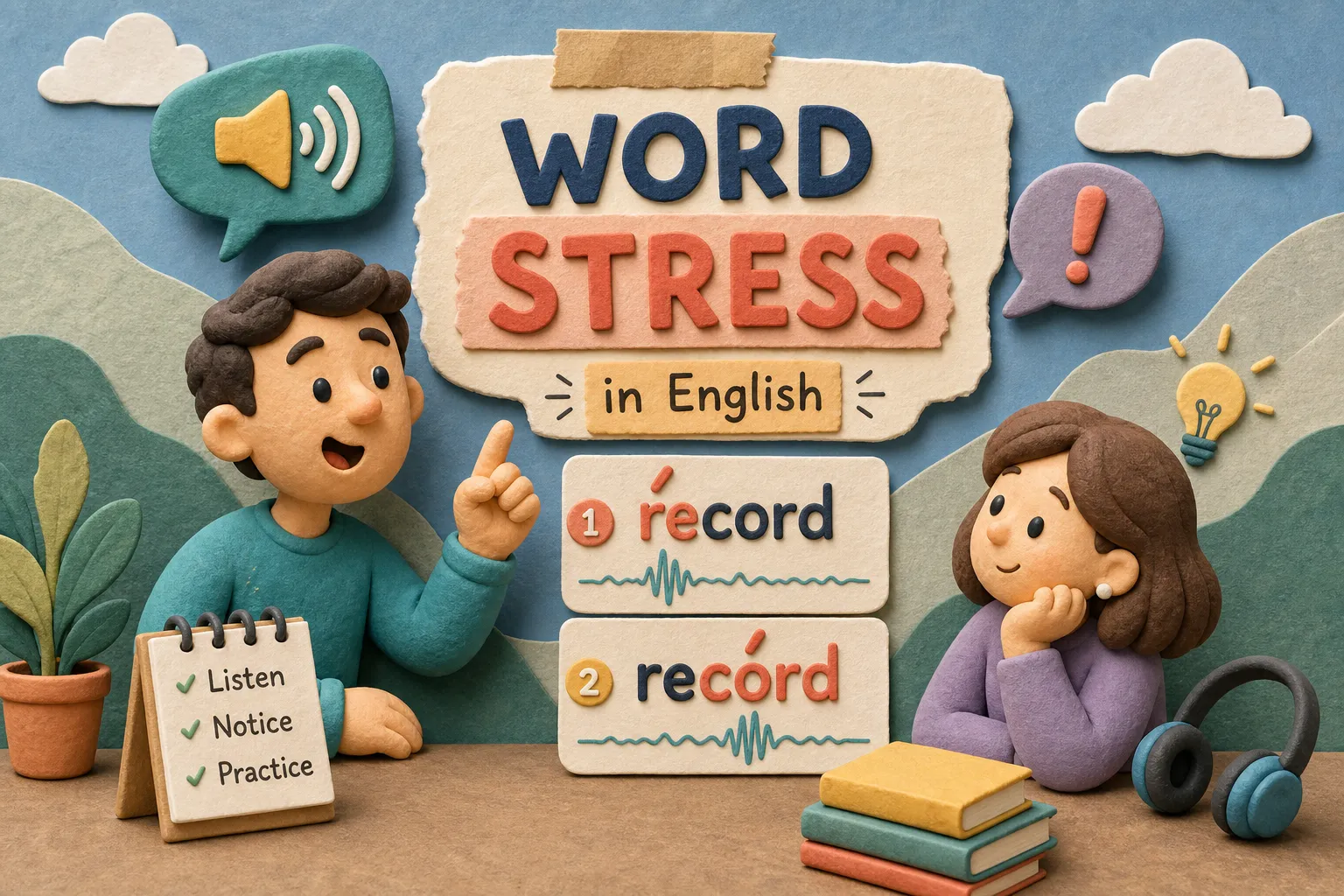
Word stress in American English shapes meaning and how natural you sound. Learn the key rules, IPA patterns, and practice drills to speak with real confidence.
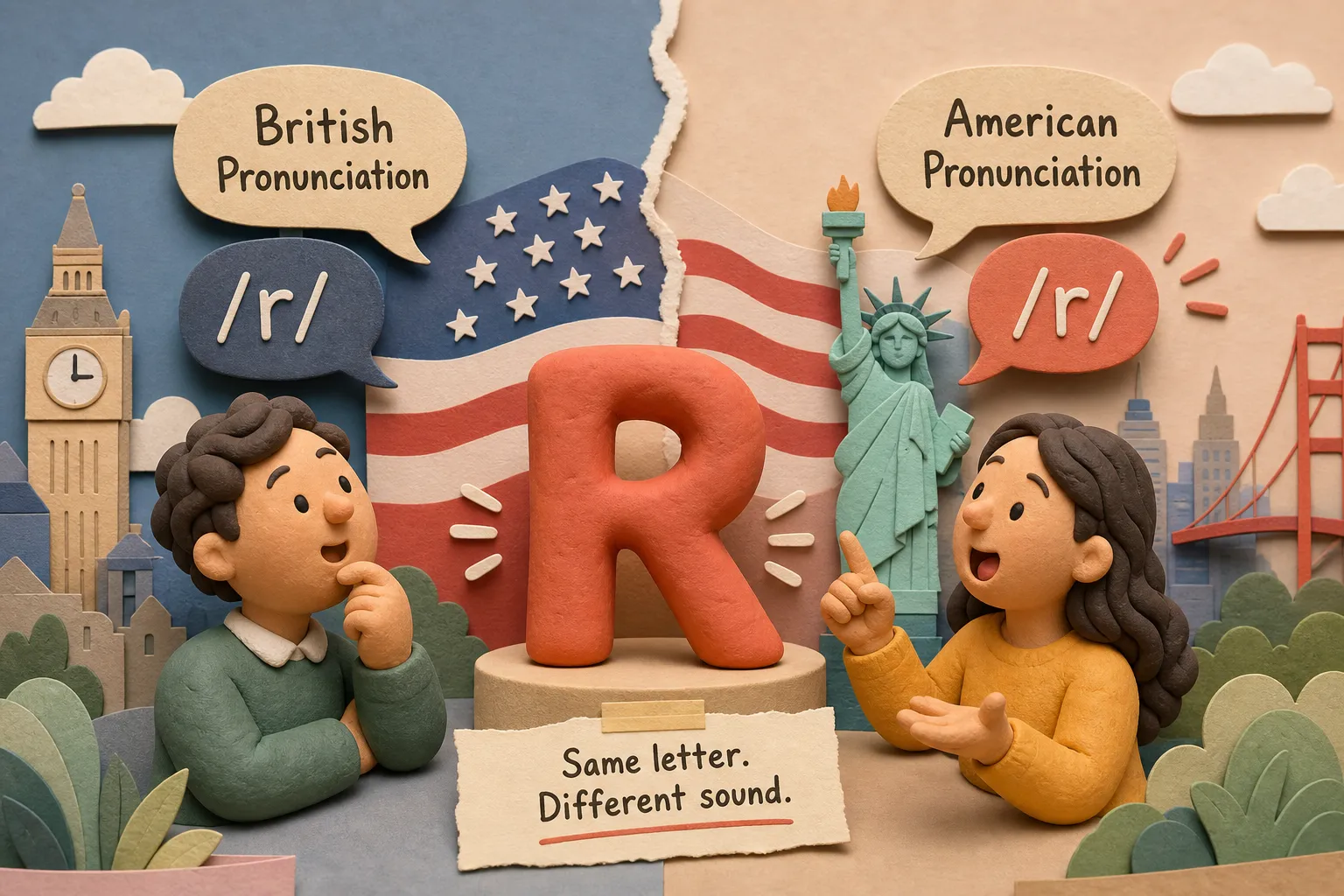
The American R sounds so different because of a unique tongue shape and acoustic fingerprint no other language uses. Learn the phonetics and fix your R now.
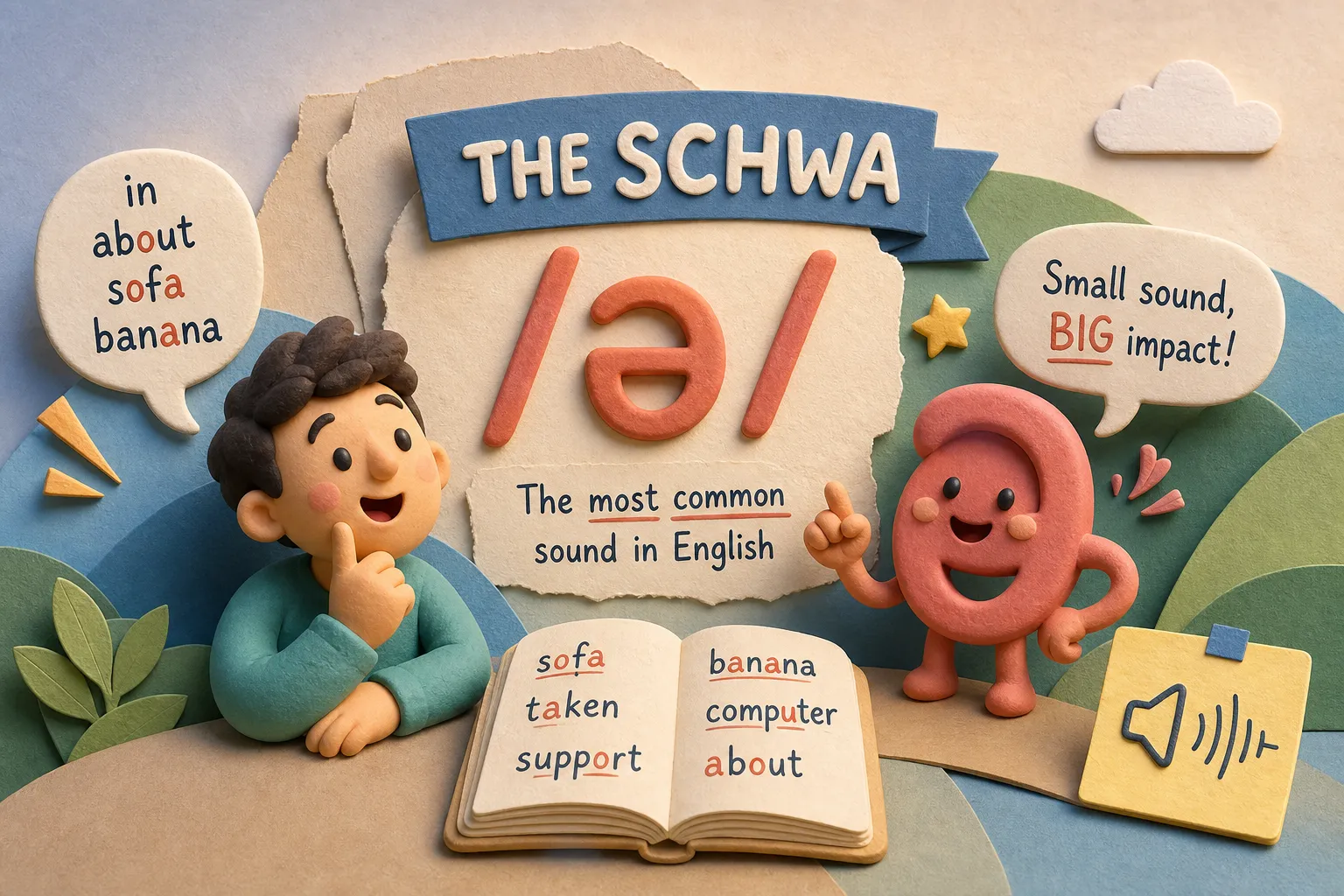
The schwa, the most common sound in English, is the key to clearer pronunciation and better listening. Discover what it is, where it hides, and how to practice it.
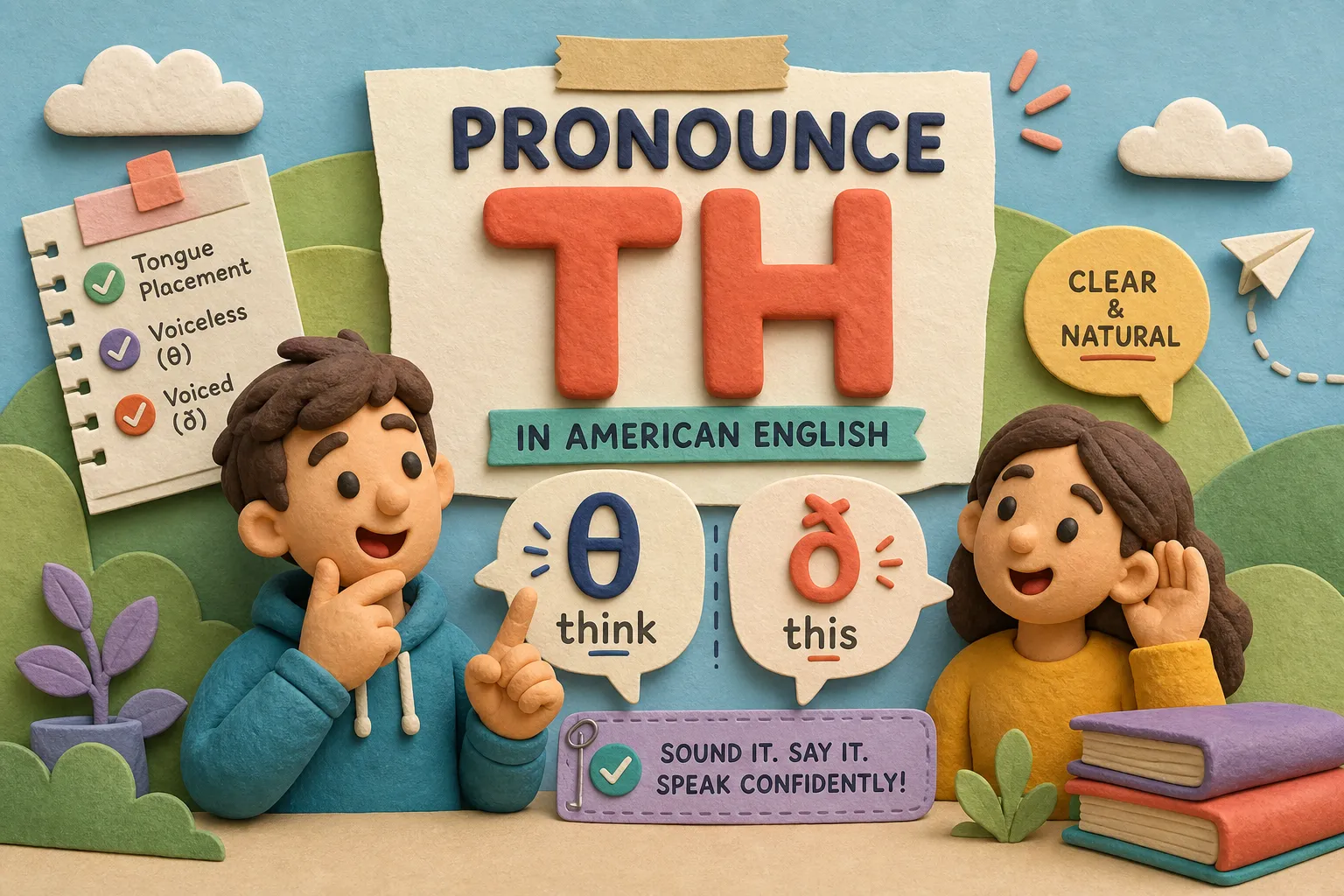
Learn how to pronounce TH in American English: voiced /ð/ and voiceless /θ/ with tongue placement steps, minimal pairs, and daily drills. Start speaking clearly today.
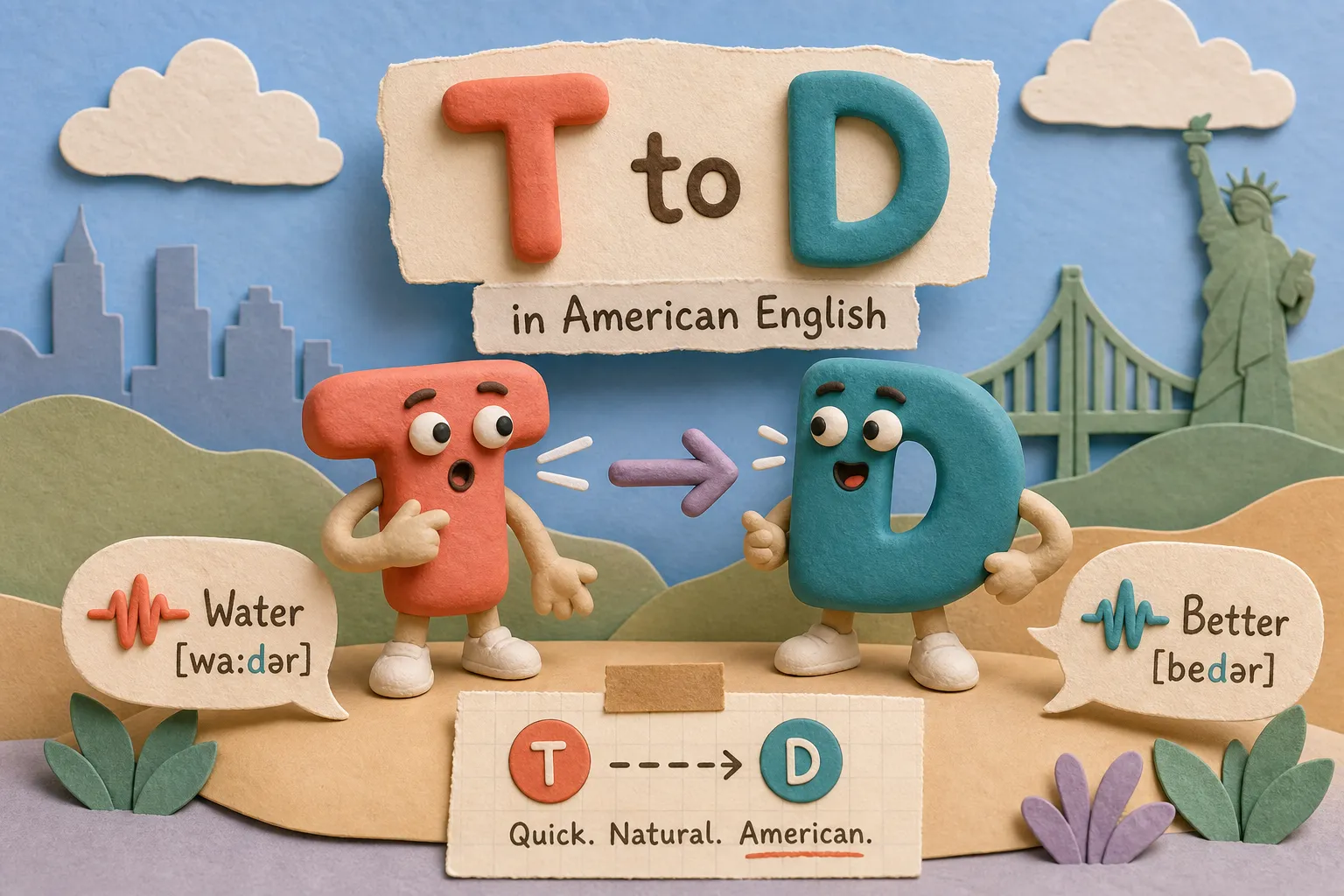
T flapping is why Americans say “budder” not “butter.” Learn the /ɾ/ rule, common examples, minimal pairs, and practice drills to sound more natural.
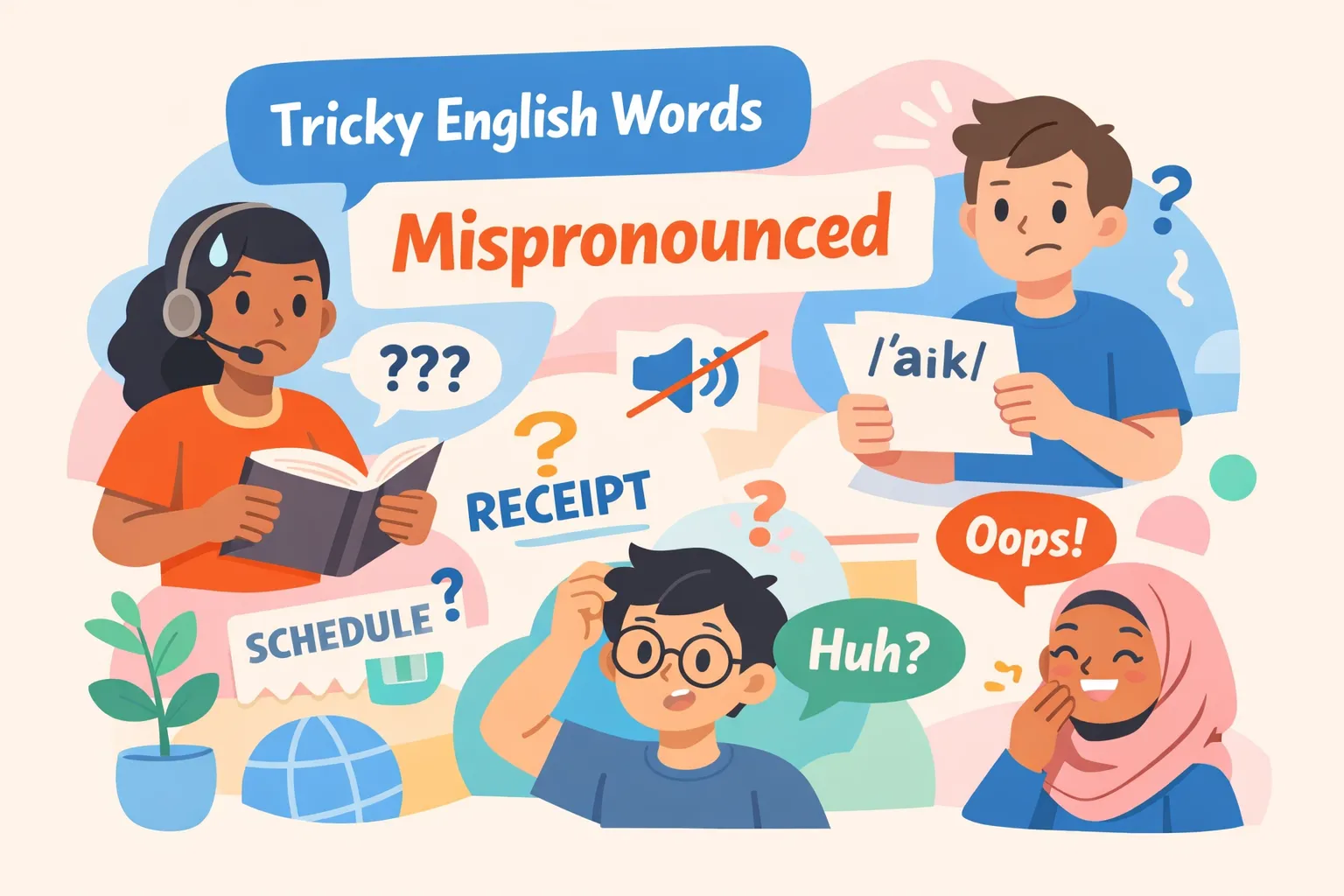
Discover which English words non-native speakers mispronounce most, why each one trips you up by L1 background, and simple drills to fix them fast.
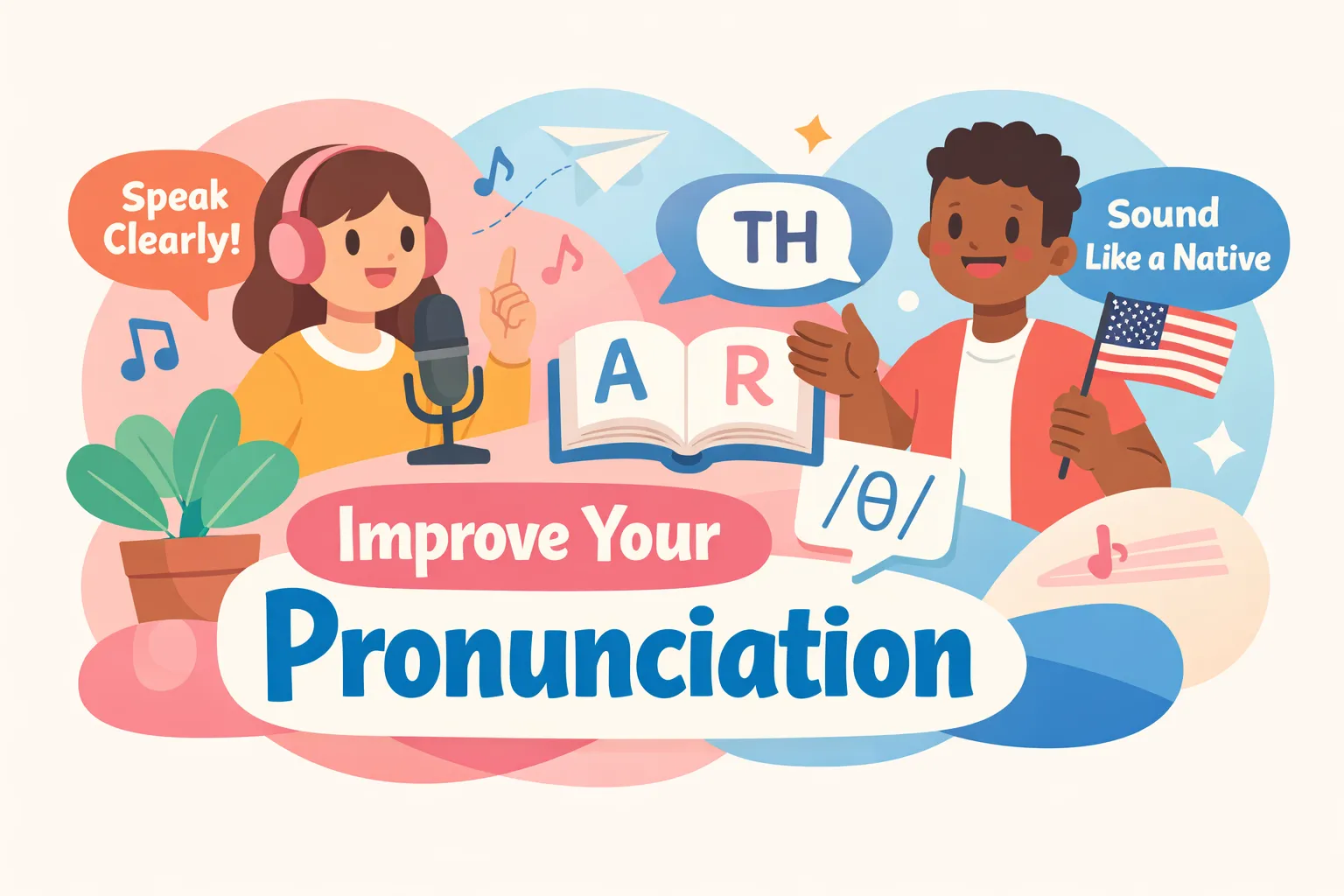
Improve your American English pronunciation with shadowing, connected speech drills, and a weekly routine. Sound more natural — starting today.