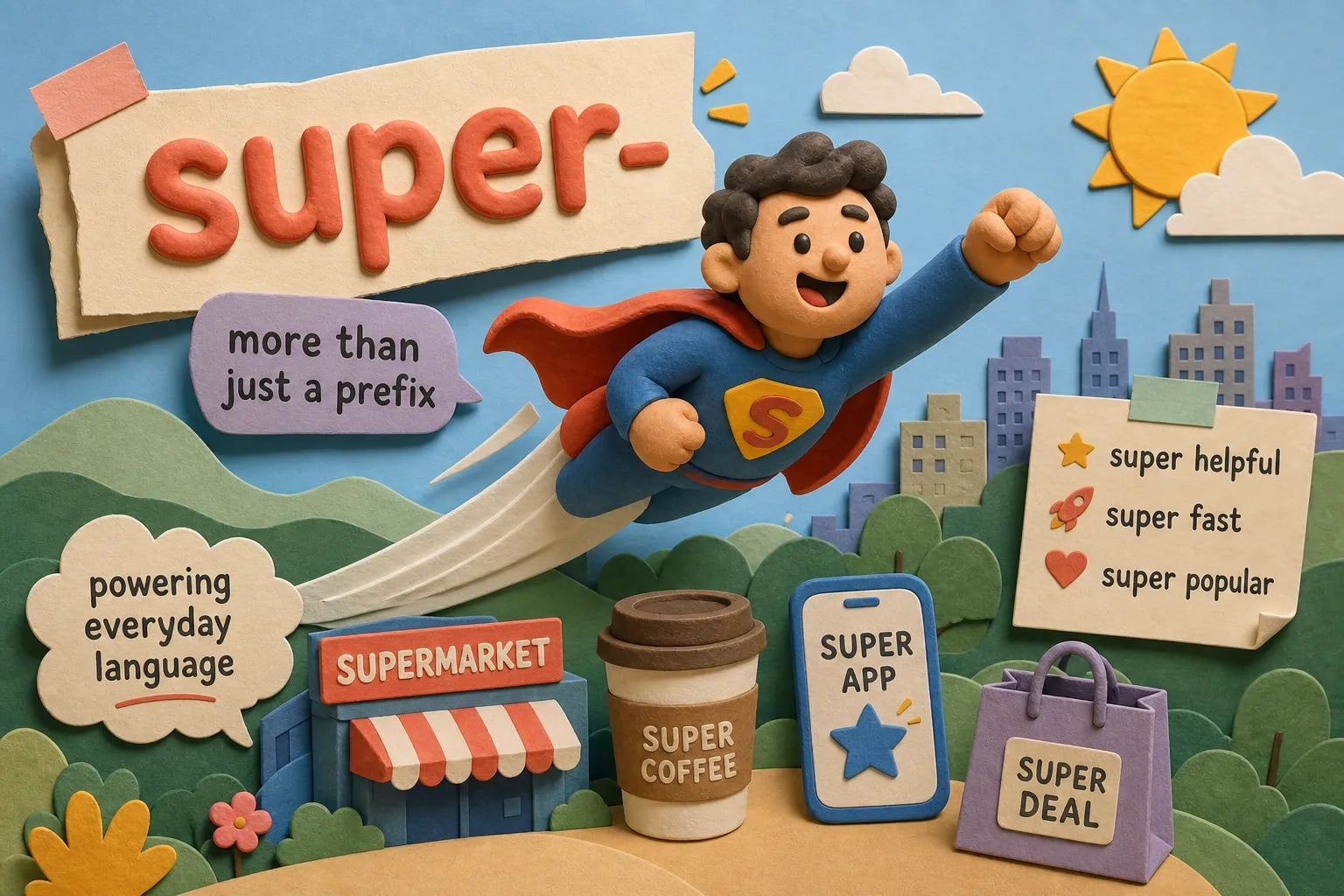
The Super Prefix: What It Means and How Americans Use It
Learn what the super prefix means, where it comes from, and how Americans use it — from workplace words to everyday slang. See 40+ clear examples.
Learn what the super prefix means, where it comes from, and how Americans use it — from workplace words to everyday slang. See 40+ clear examples.

Learn natural American phrases for accepting an invite, from casual texts to formal emails. Real dialogue examples and RSVP etiquette tips included. Start using them today.
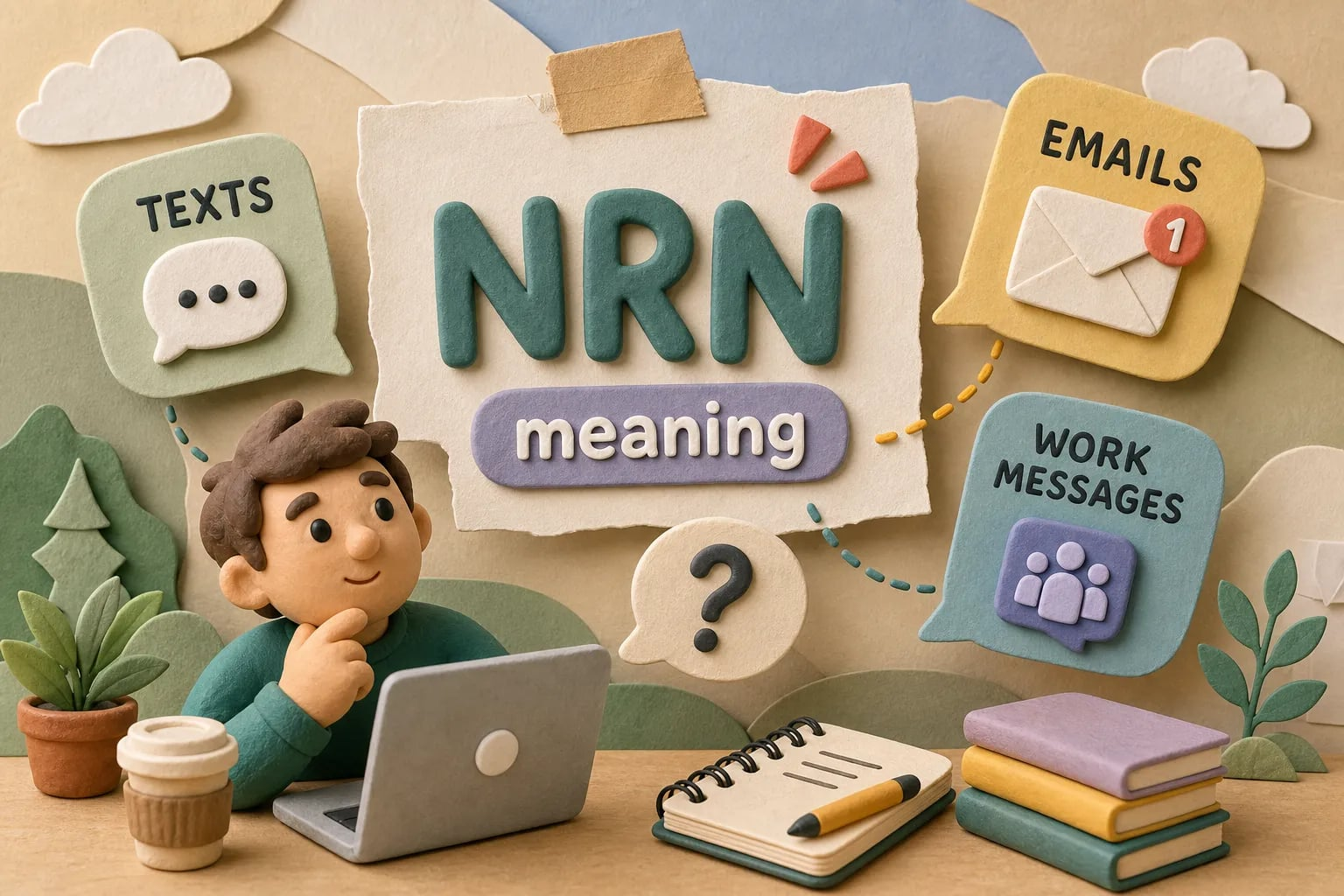
Learn the NRN meaning in texts and work emails, why Americans use it, and similar shorthand. Master professional American English with Your Daily American.
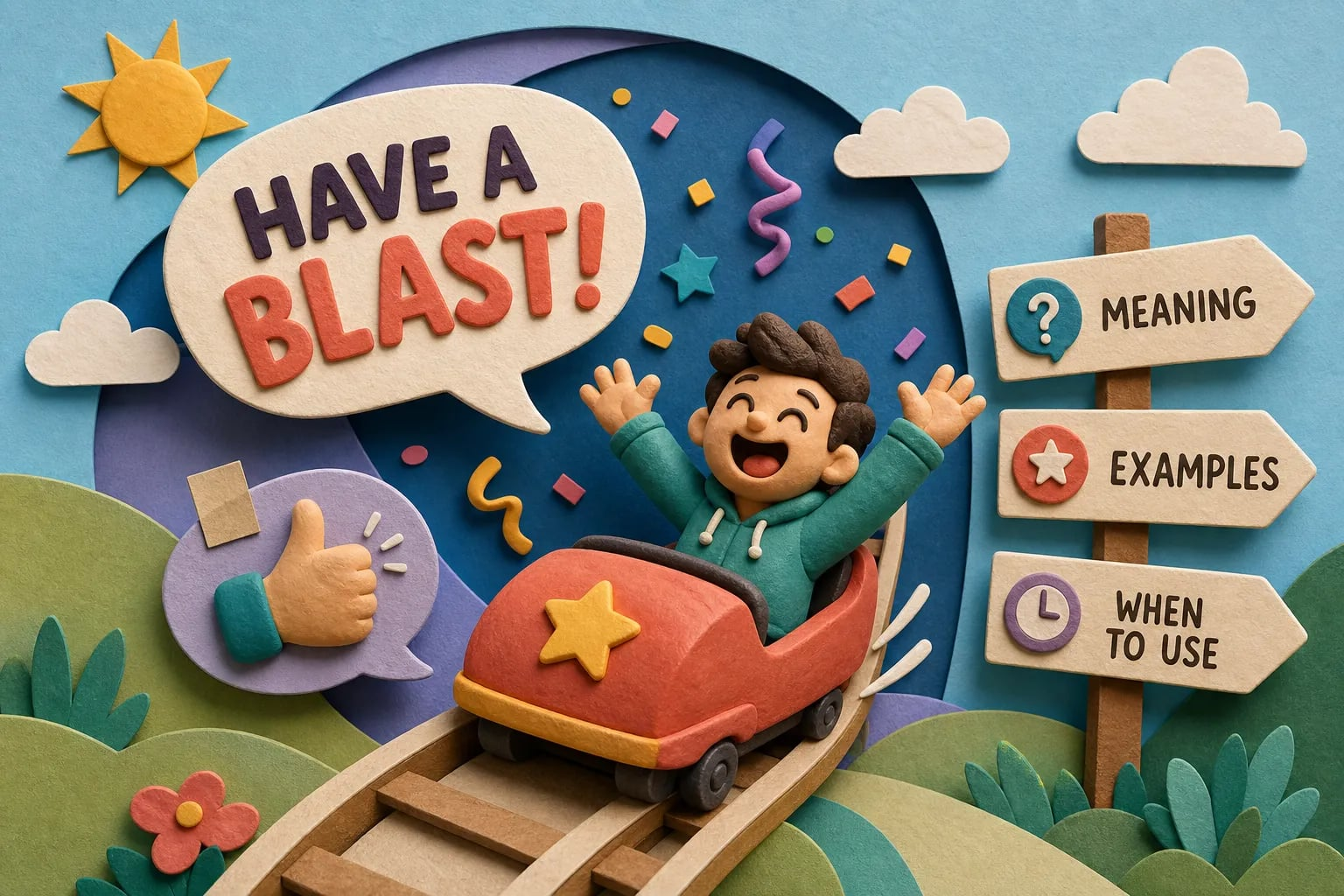
Learn what “have a blast” means in American English, see it in real conversations, and find natural alternatives for any situation. Start using it today.
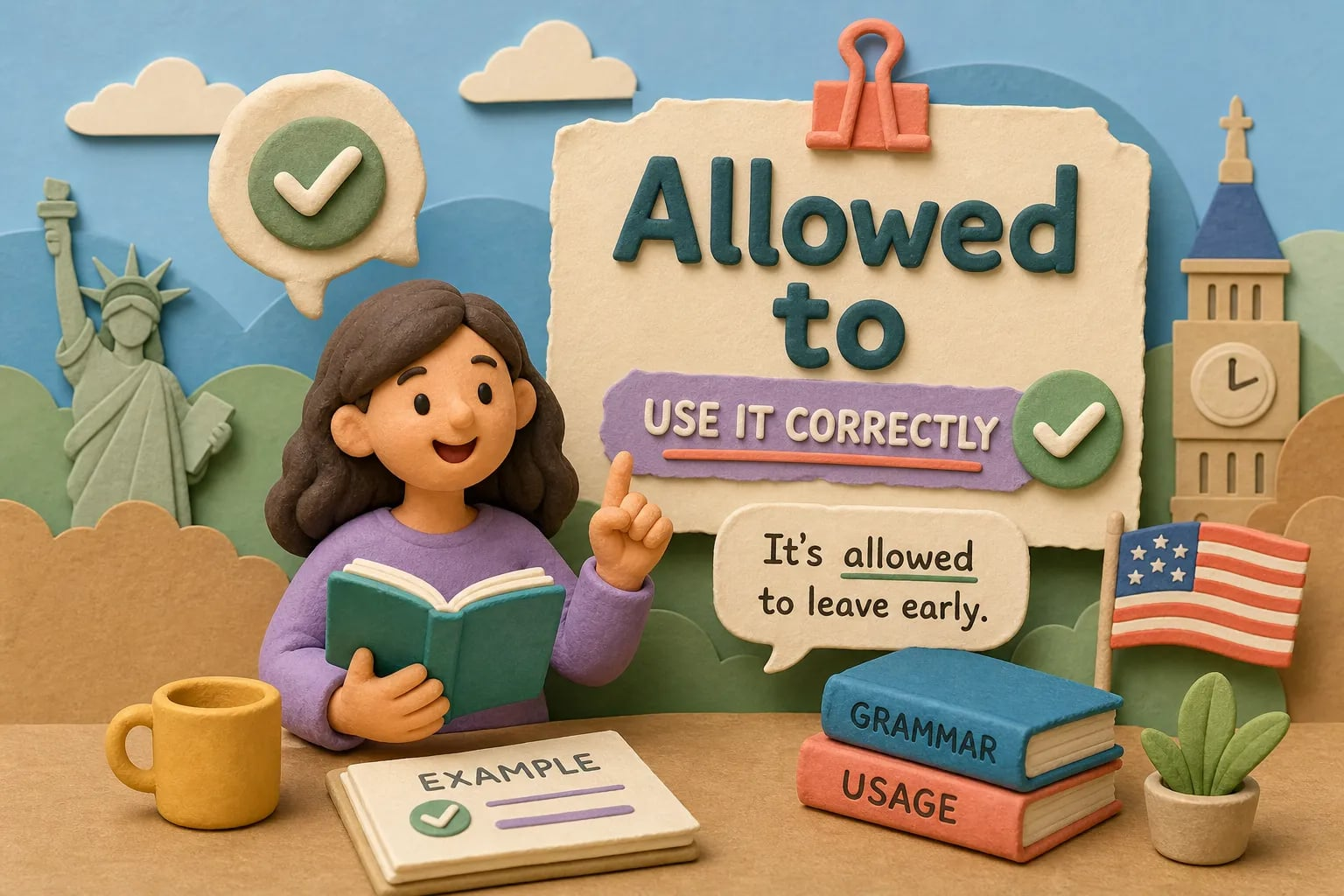
Learn how “allowed to” works in American English, when to use it vs. “can” or “permitted to,” and the top ESL mistakes to avoid. Practice included.
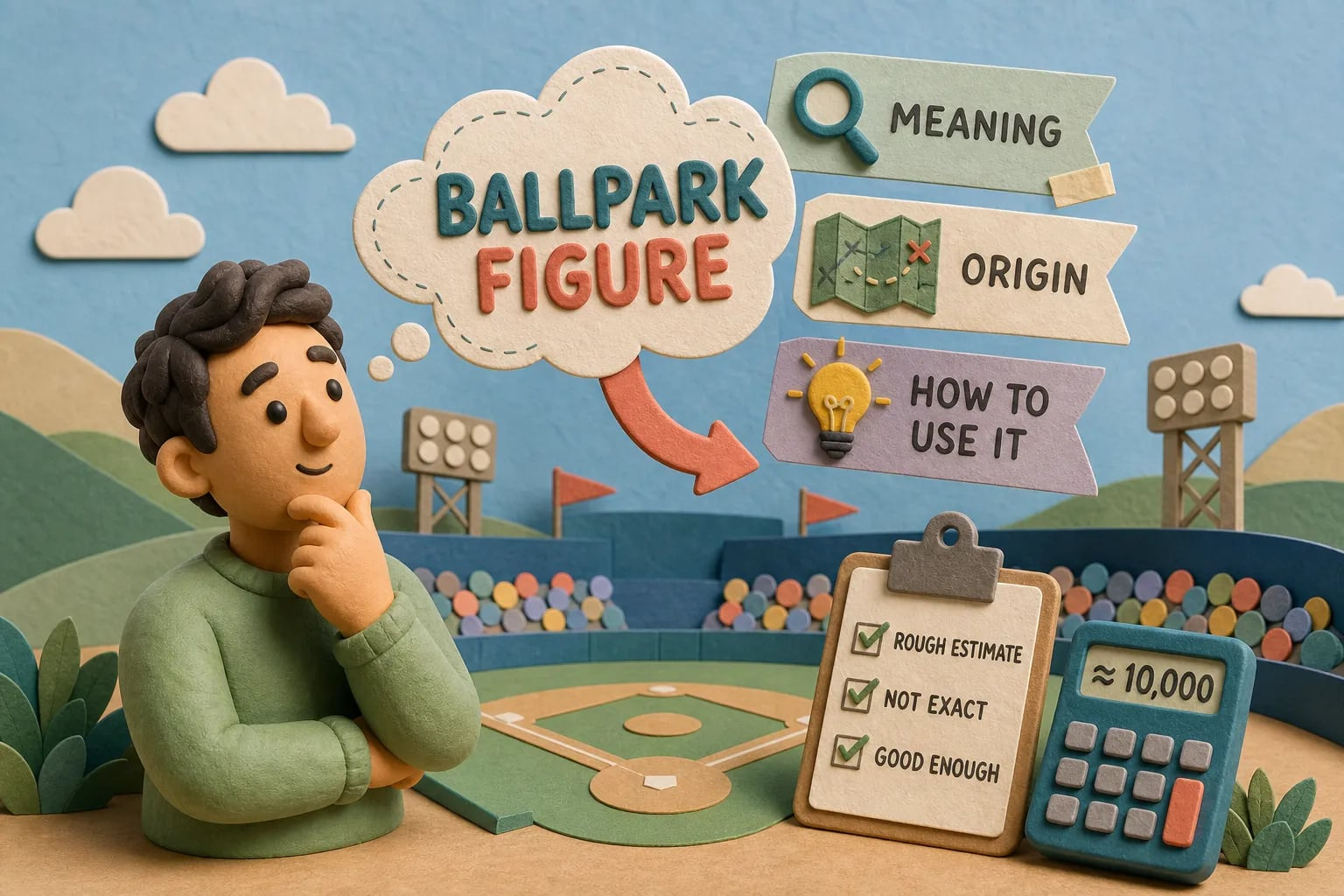
Learn what “ballpark figure” means, its baseball origin, and how to use it in meetings and emails. Master this common American expression today.
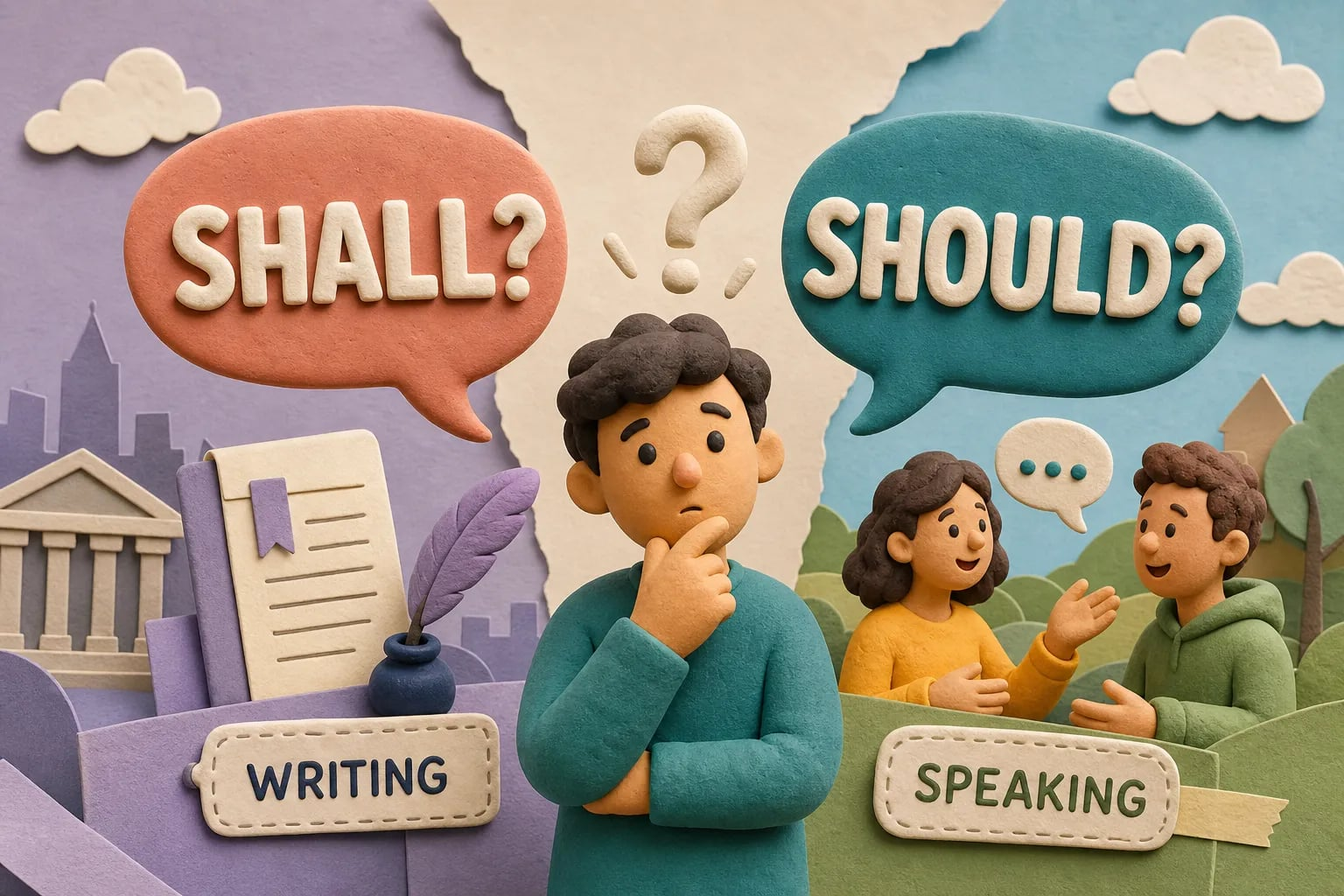
Shall vs should — most Americans use only one. Learn the real difference, when “shall” appears in contracts, and how to sound natural in American English.
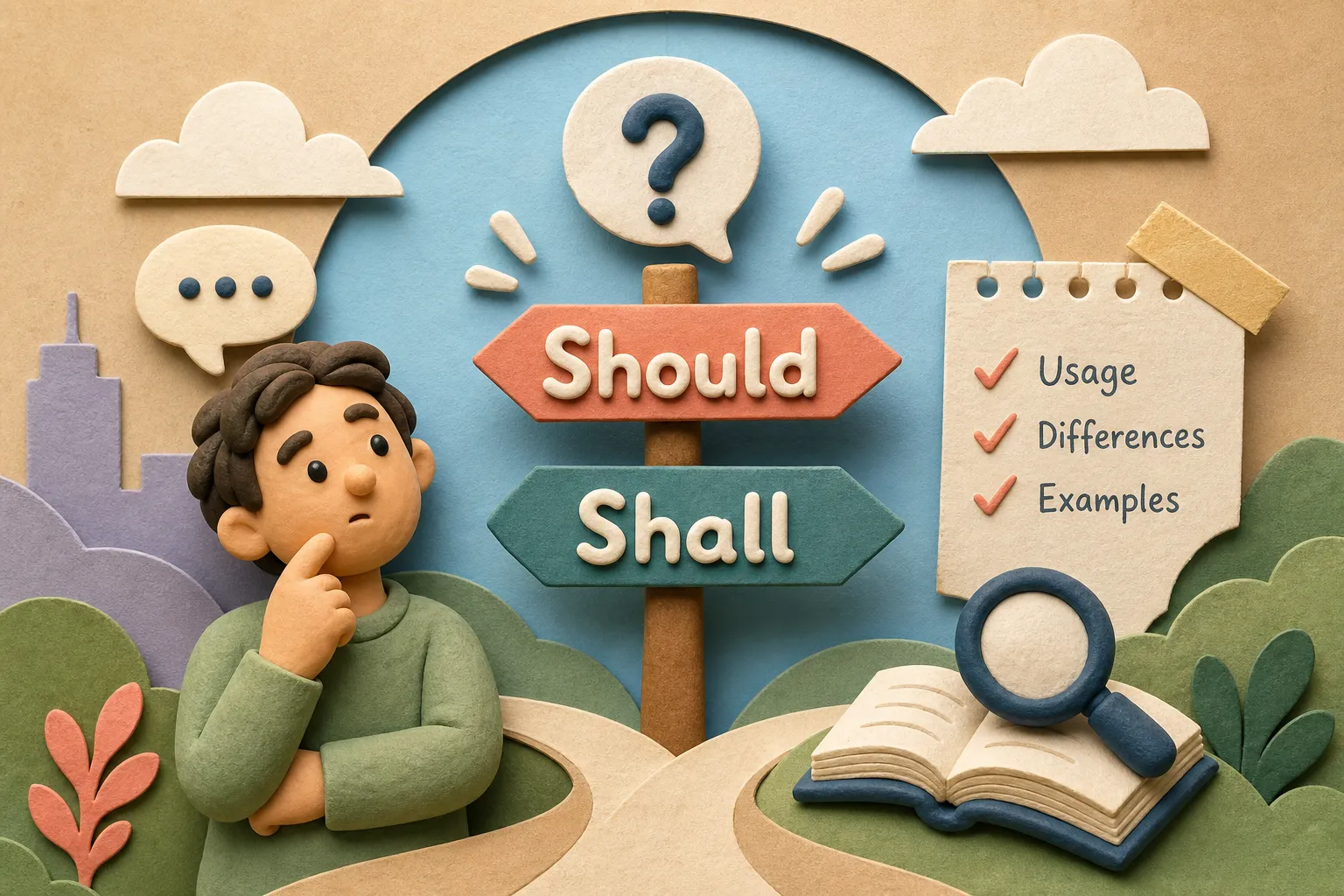
Should vs shall: learn why Americans rarely use “shall,” how British English differs, and which modal verb fits each situation. Start speaking like a native.
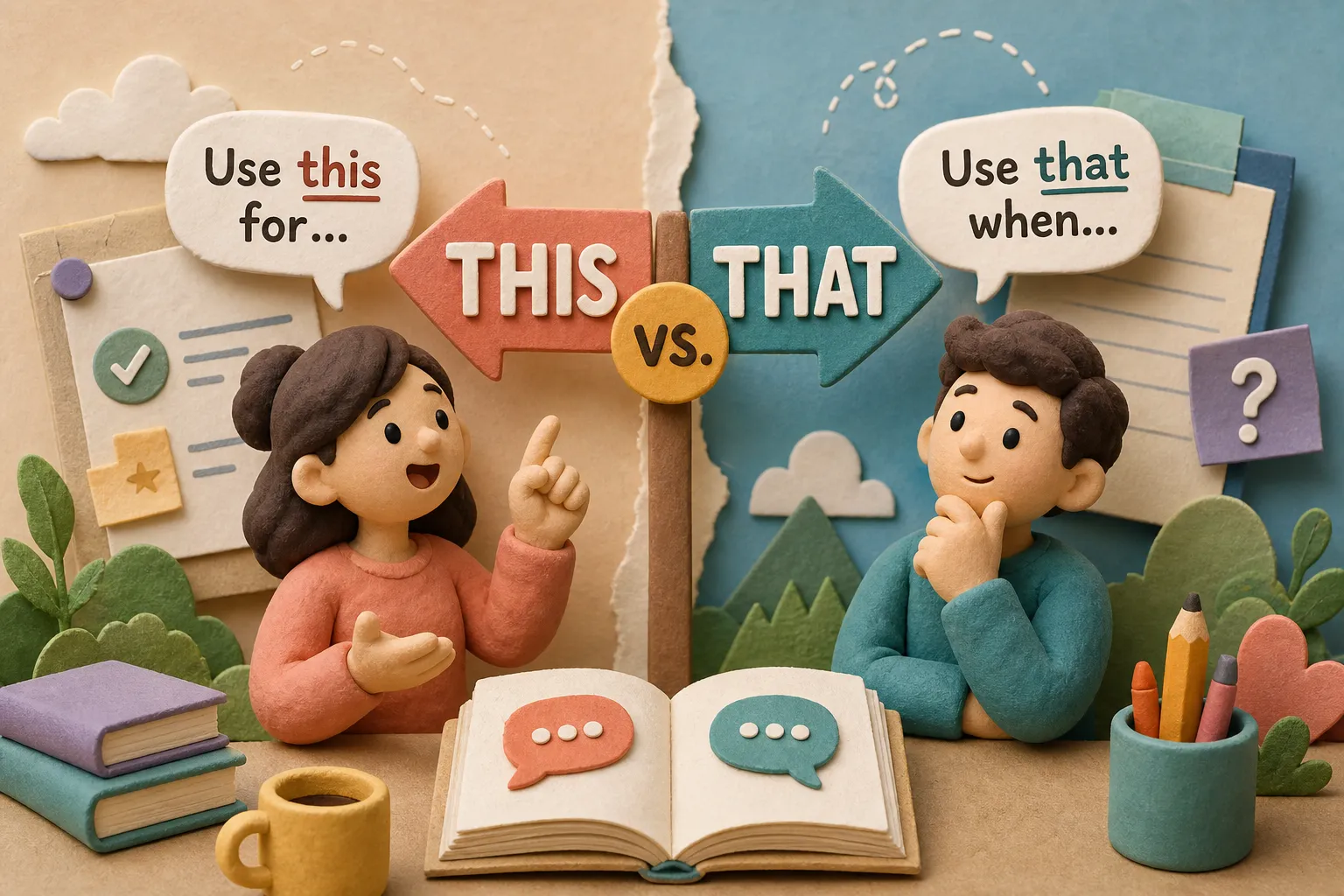
Confused by this vs. that? Learn the near/far rule, conversational uses, and native speaker patterns so you always choose the right word.
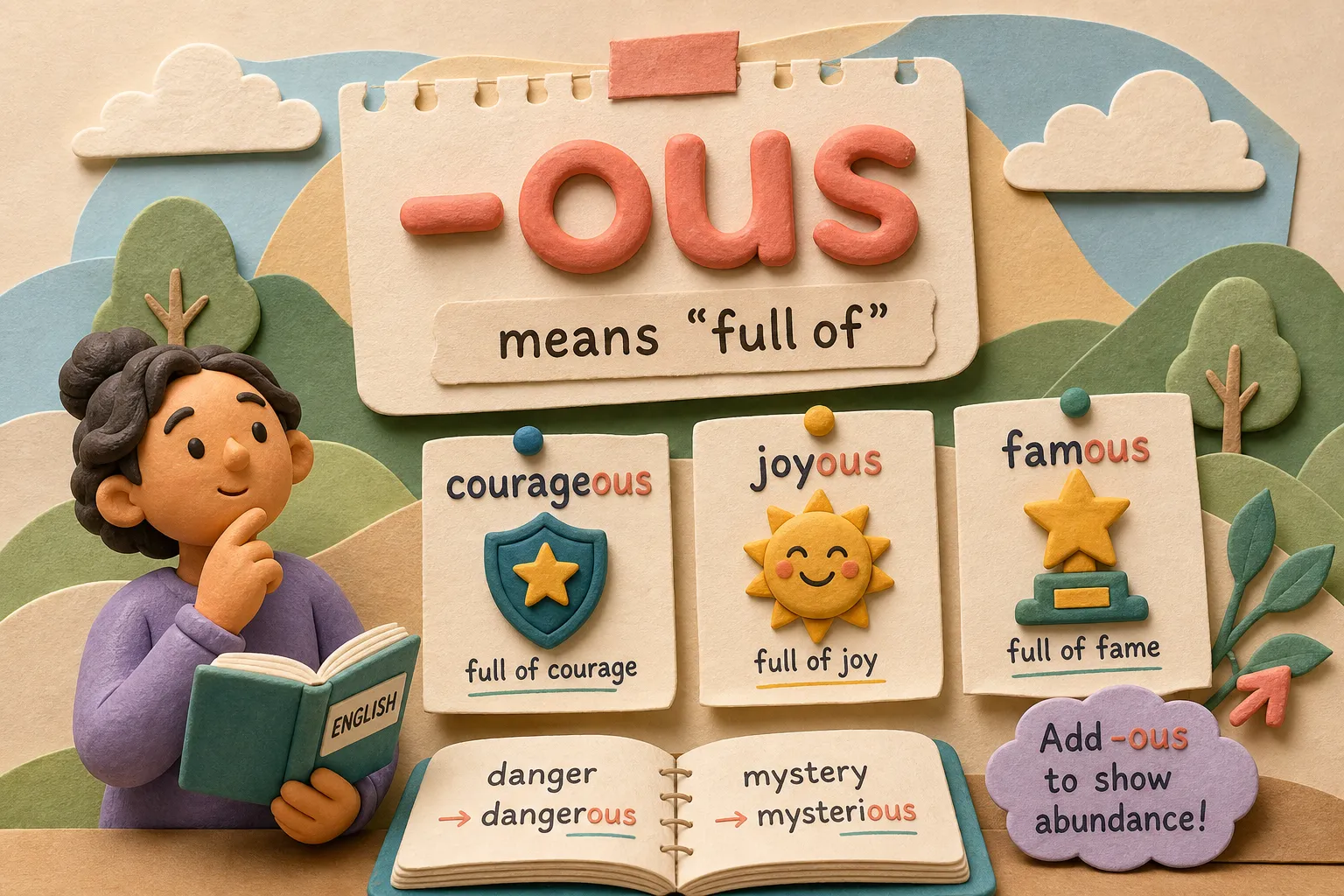
Learn the -ous suffix: what it means, spelling rules, pronunciation, and the best high-frequency words for job interviews, emails, and daily conversation.

Learn what “riding on coattails” means, where it came from, and how Americans use it in politics, work, and daily life. Start using it naturally today.

Learn what “well off” means in American English, when to hyphenate it, and how to use synonyms like affluent and loaded in real conversations.
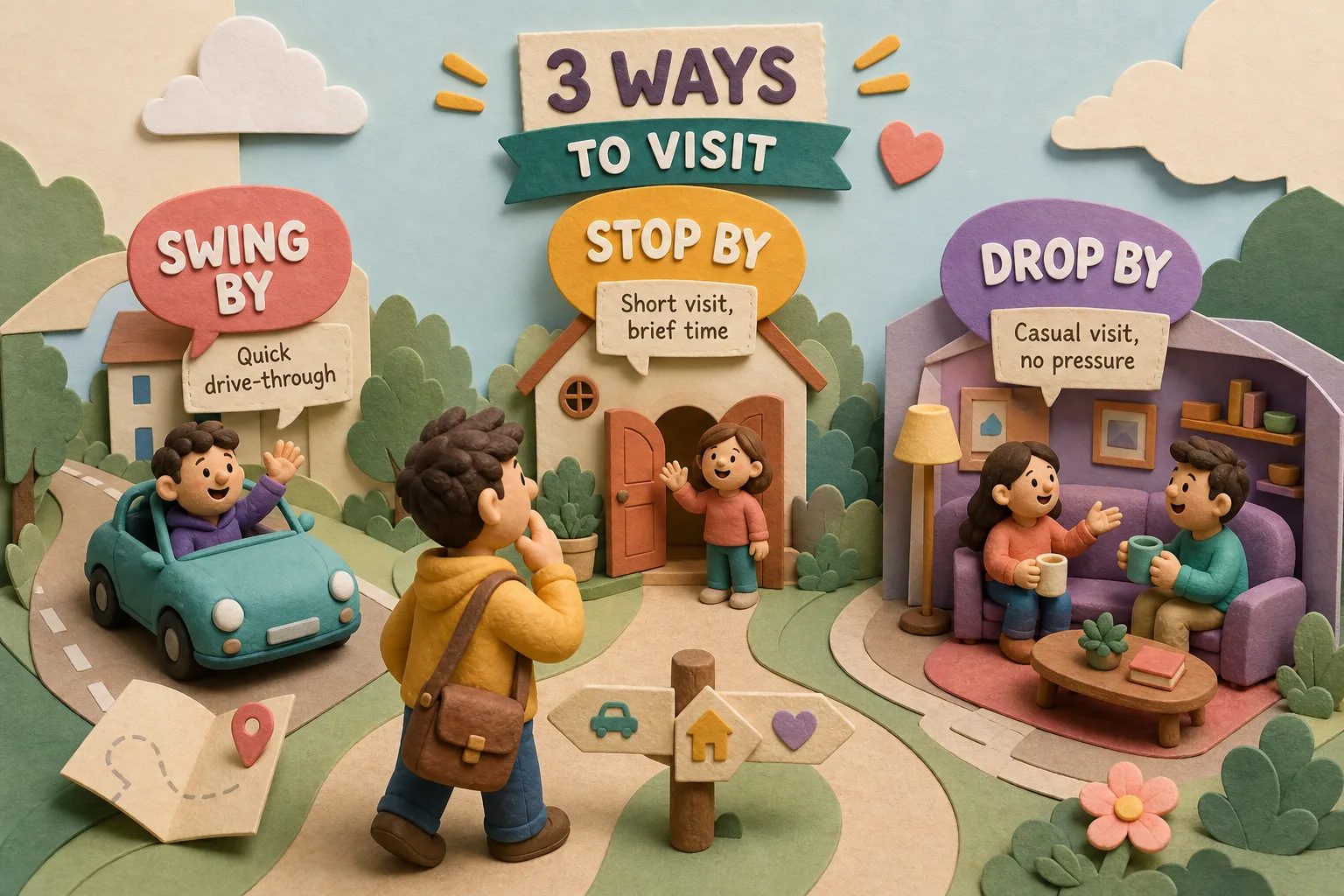
Learn what “swing by” means, how to use it in casual and work settings, and how it differs from “stop by” and “drop by.” Includes example dialogues.

Learn the meaning, origin, and everyday uses of “never a dull moment” in American English. Real examples and practice tips inside.
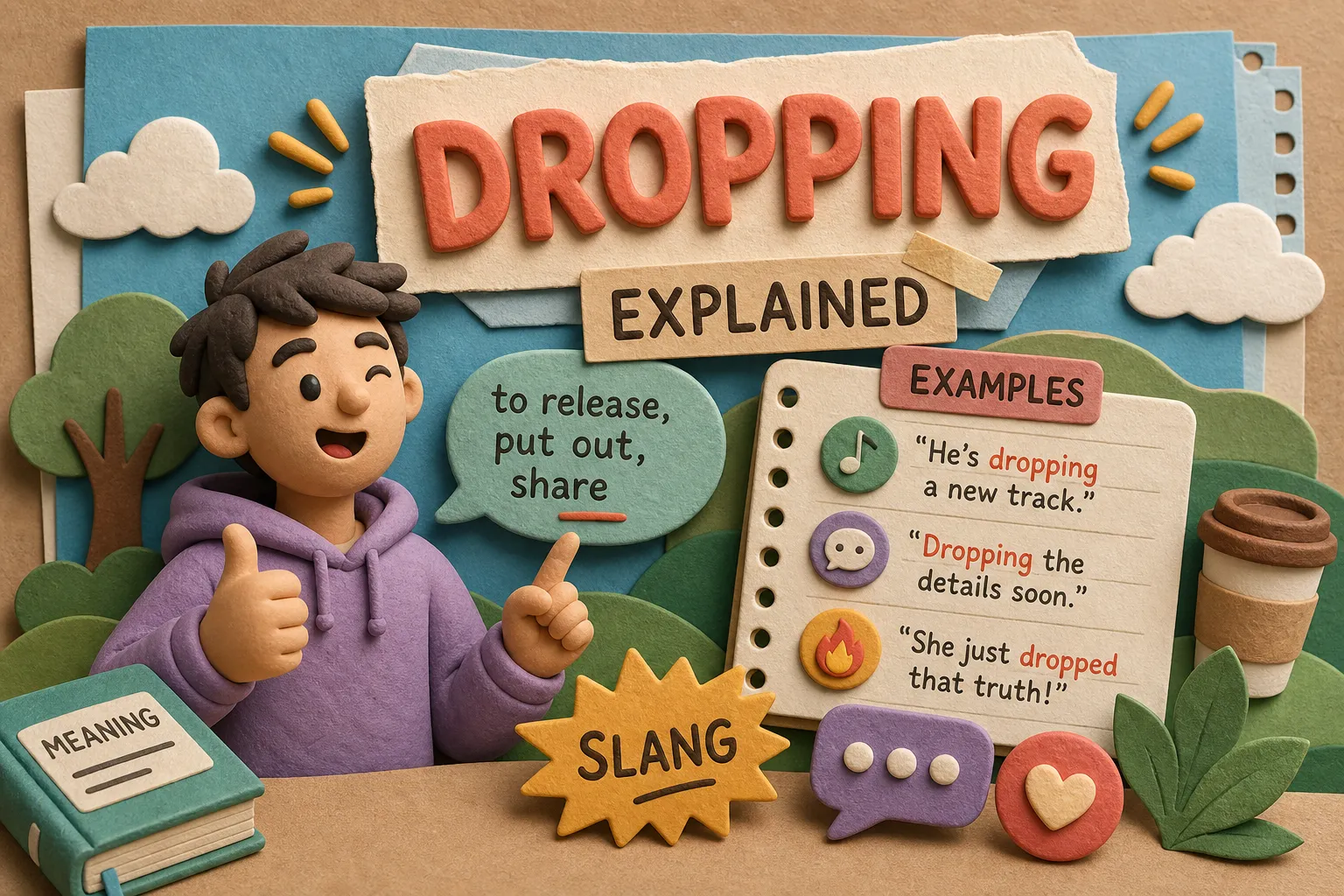
Learn every dropping meaning in American English — from grammar basics to everyday slang. See real example sentences and start using the word correctly today.
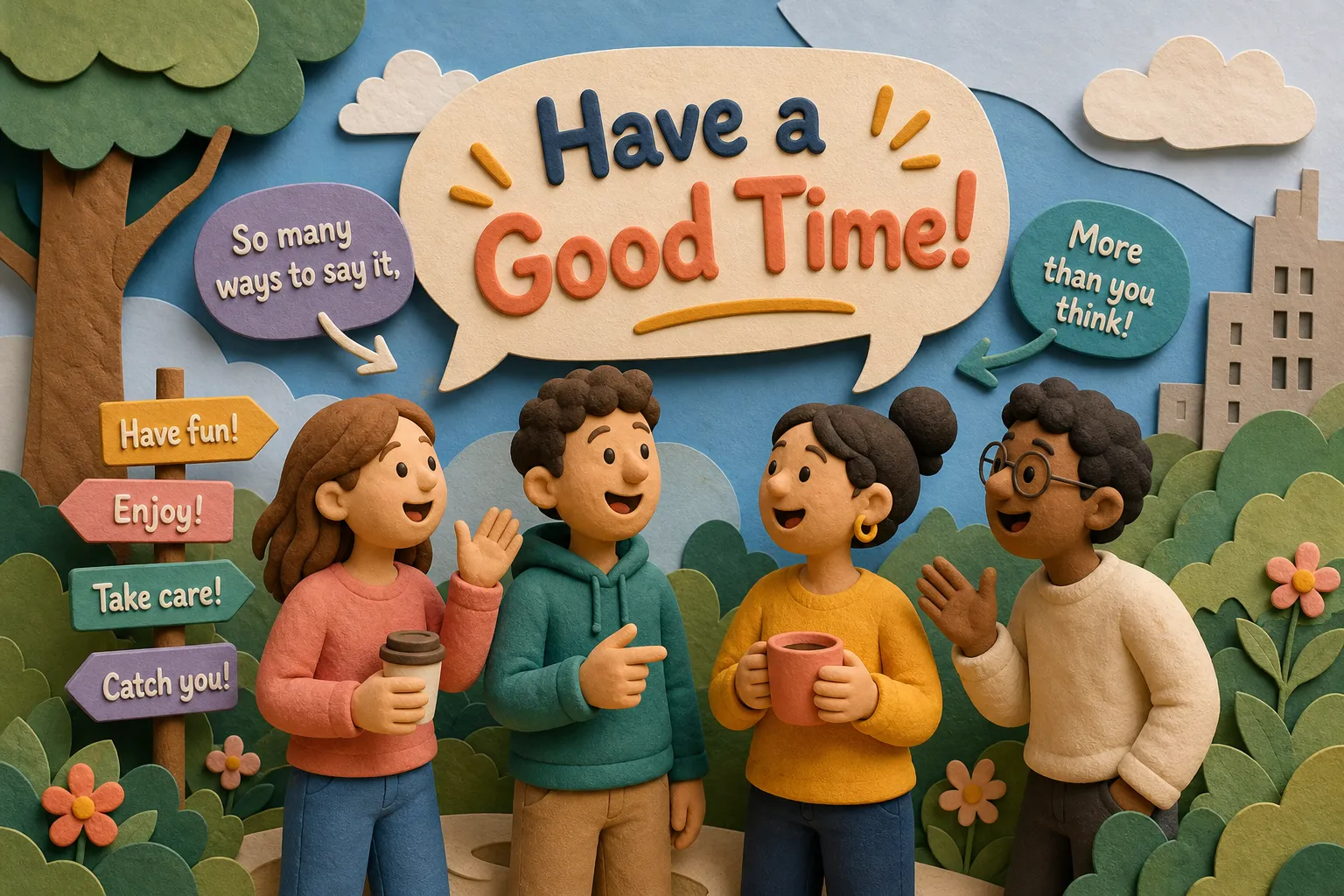
Learn how Americans use “have a good time” in farewells and small talk. Discover natural variations and tips to sound warm. Start speaking like a native today.
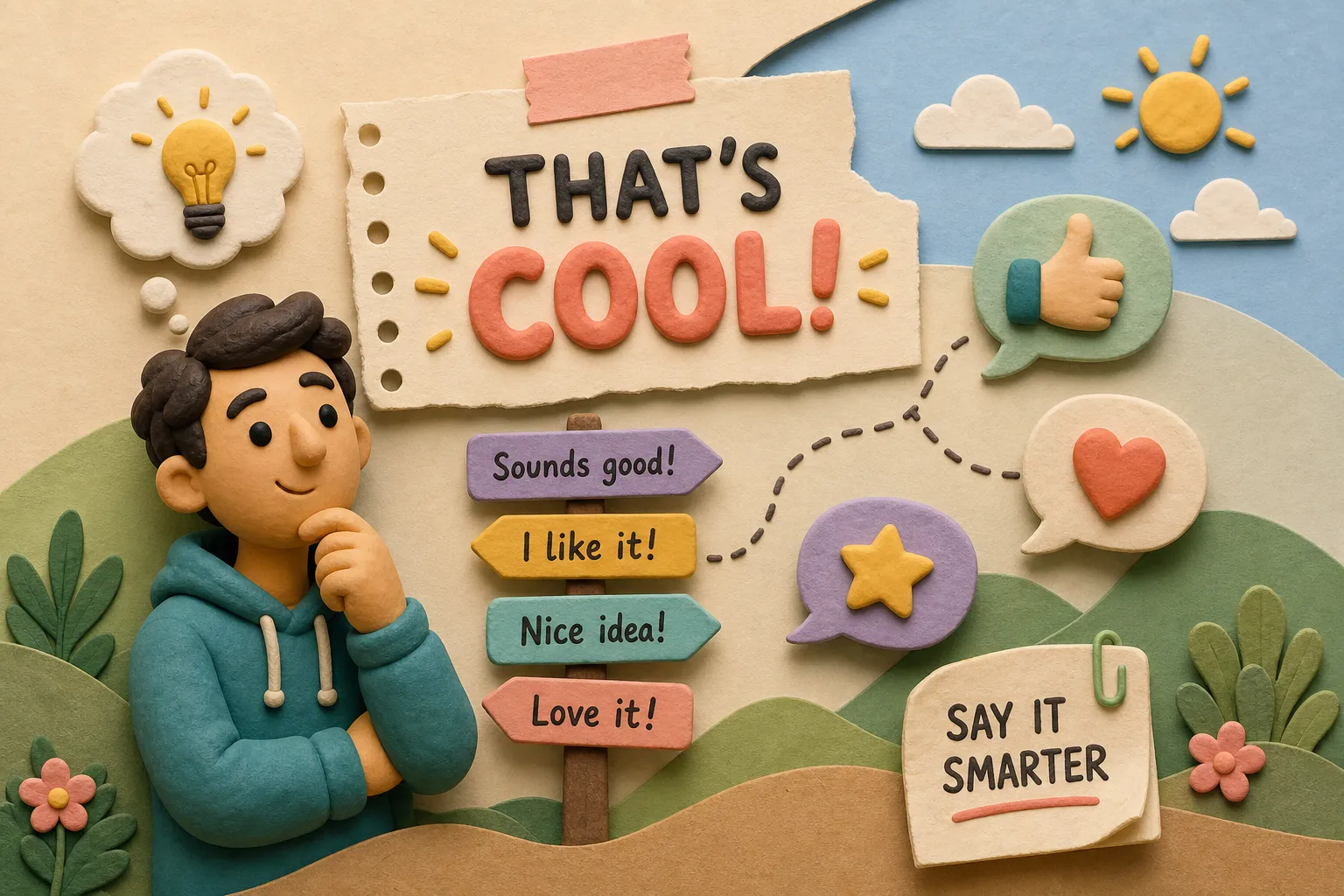
Learn what “that’s cool” really means in American English — approval, indifference, or sarcasm — plus slang like “cool beans” and better phrases for every context.
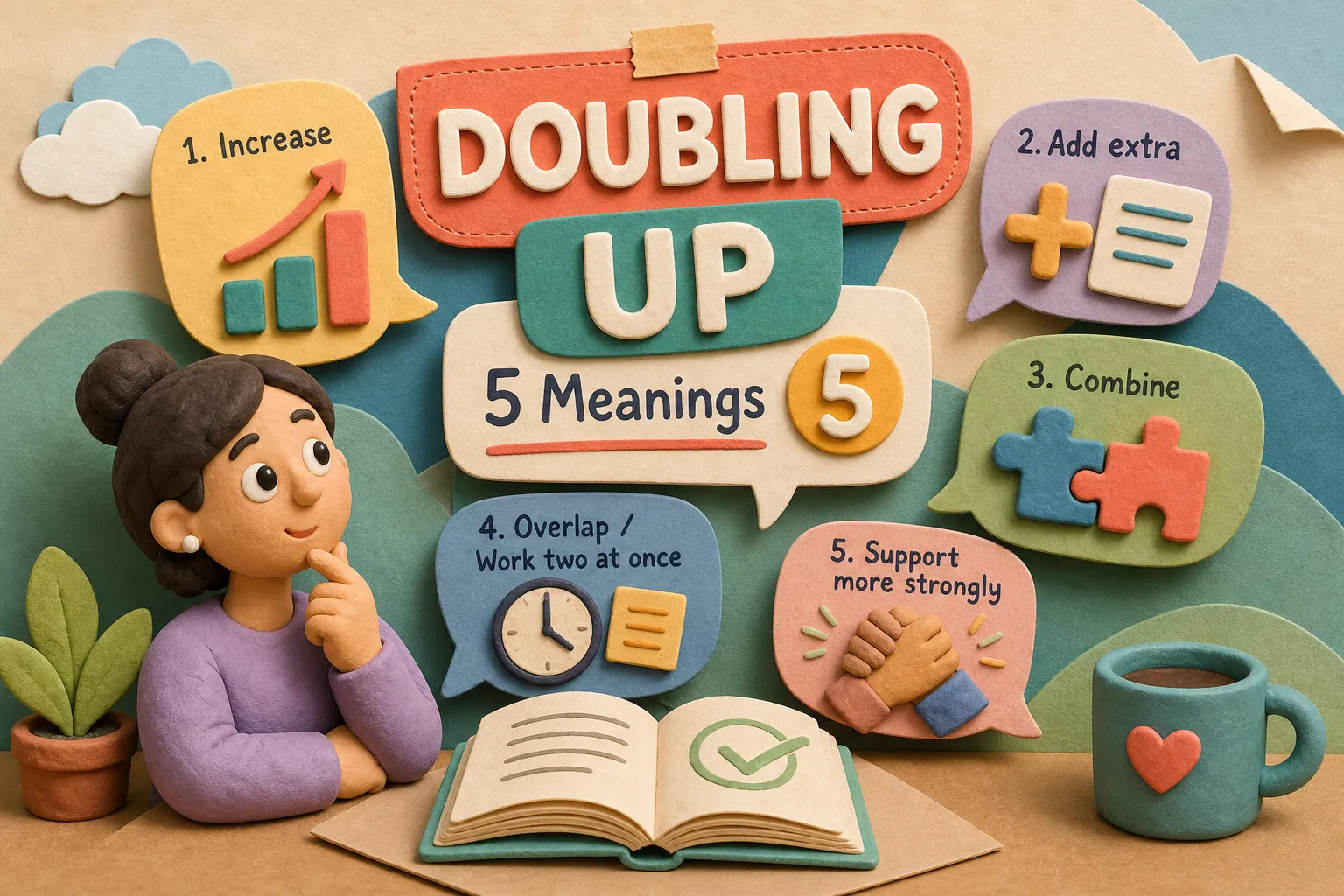
Learn what “doubling up” really means in American English. From sharing a room to laughing hard, discover all 5 meanings with clear examples. Start using it today.
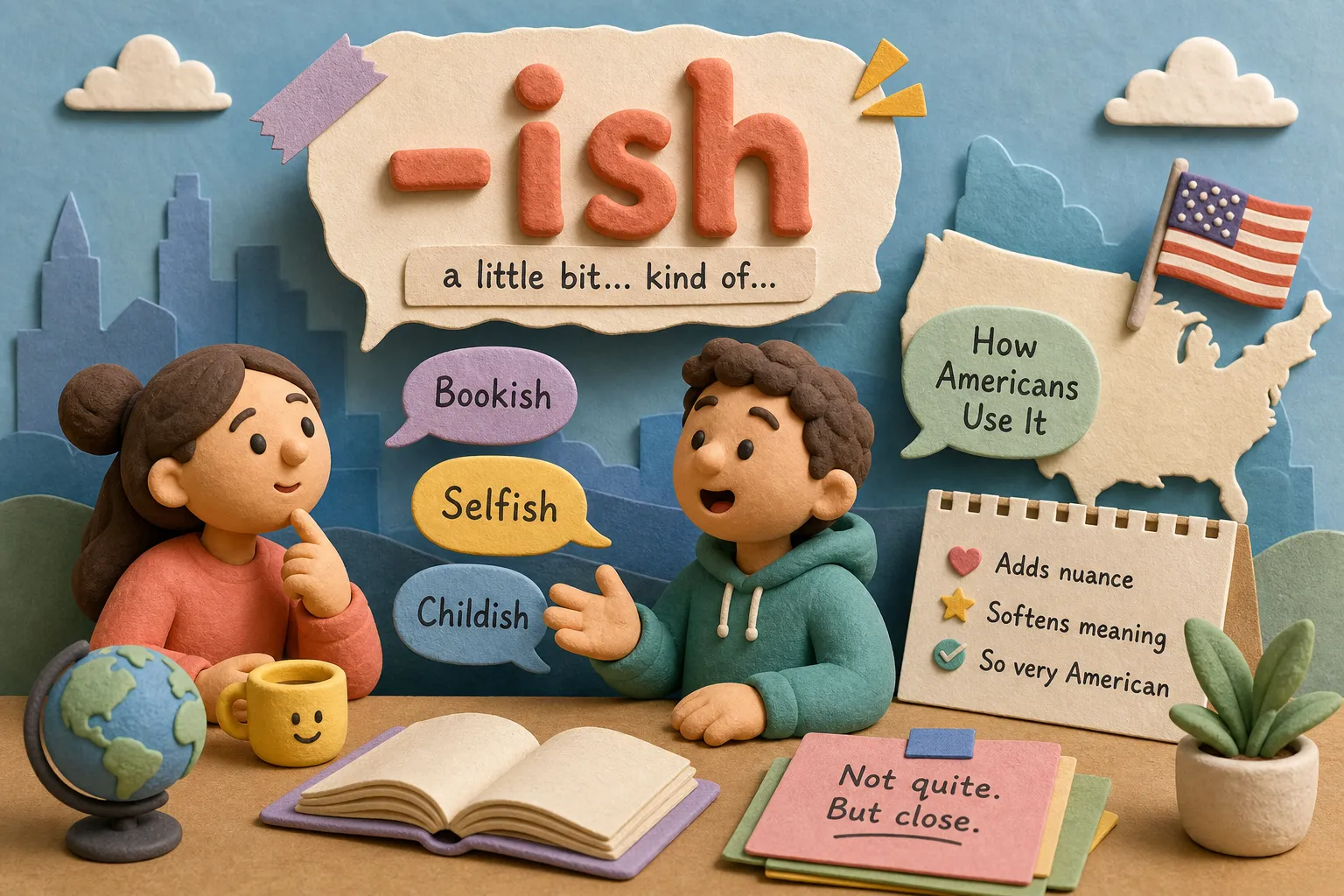
Master the -ish suffix: learn its Old English roots, two main uses, and real American examples. Your Daily American shows you how natives really talk.
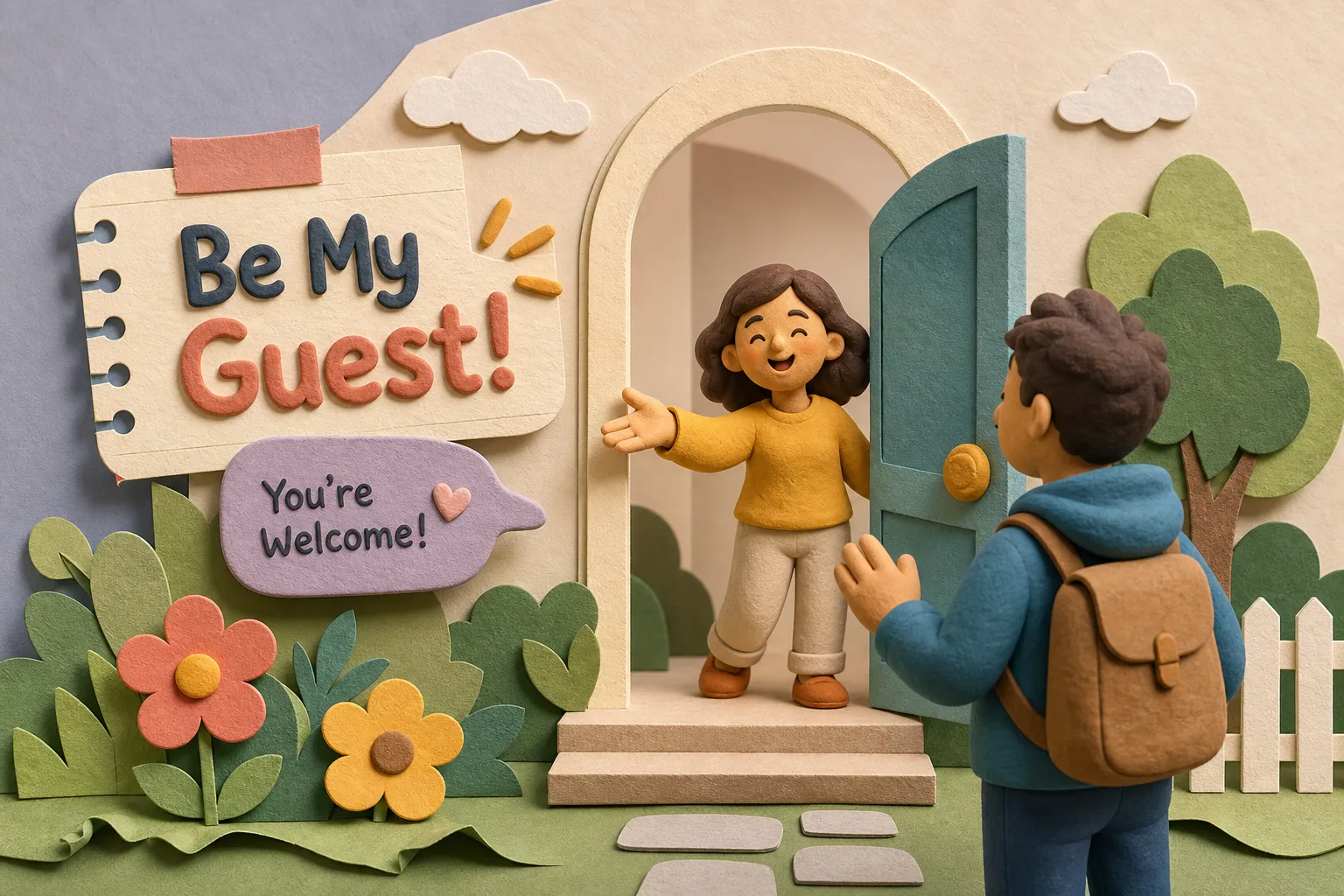
“Be my guest” means more than permission — it can sound warm or sarcastic. Learn how Americans use this idiom naturally in daily life. Explore more at Your Daily American.
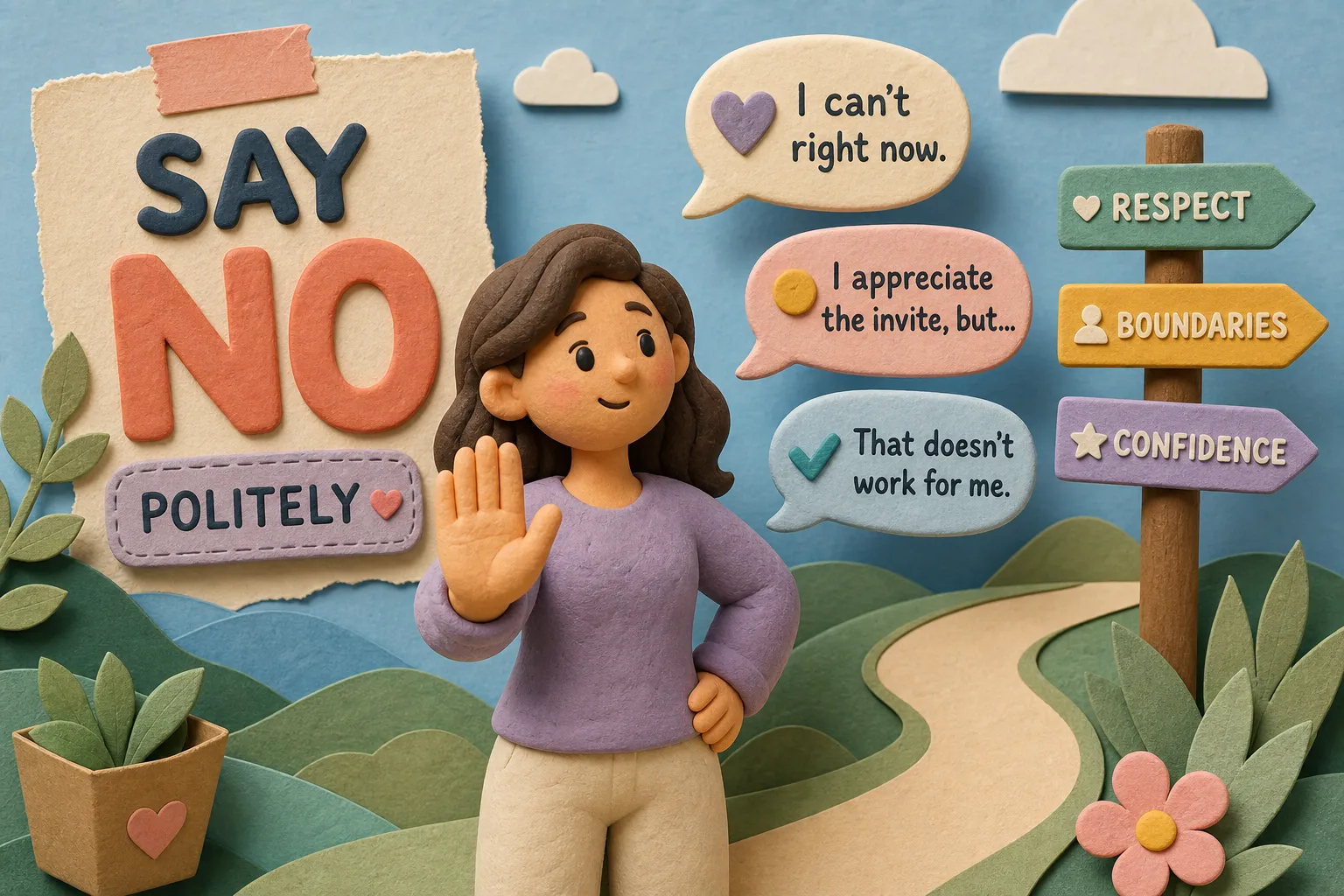
Learn polite, casual, and professional ways to say no in American English. Real phrases, scripts, and 3 guilt-free techniques to refuse with confidence.