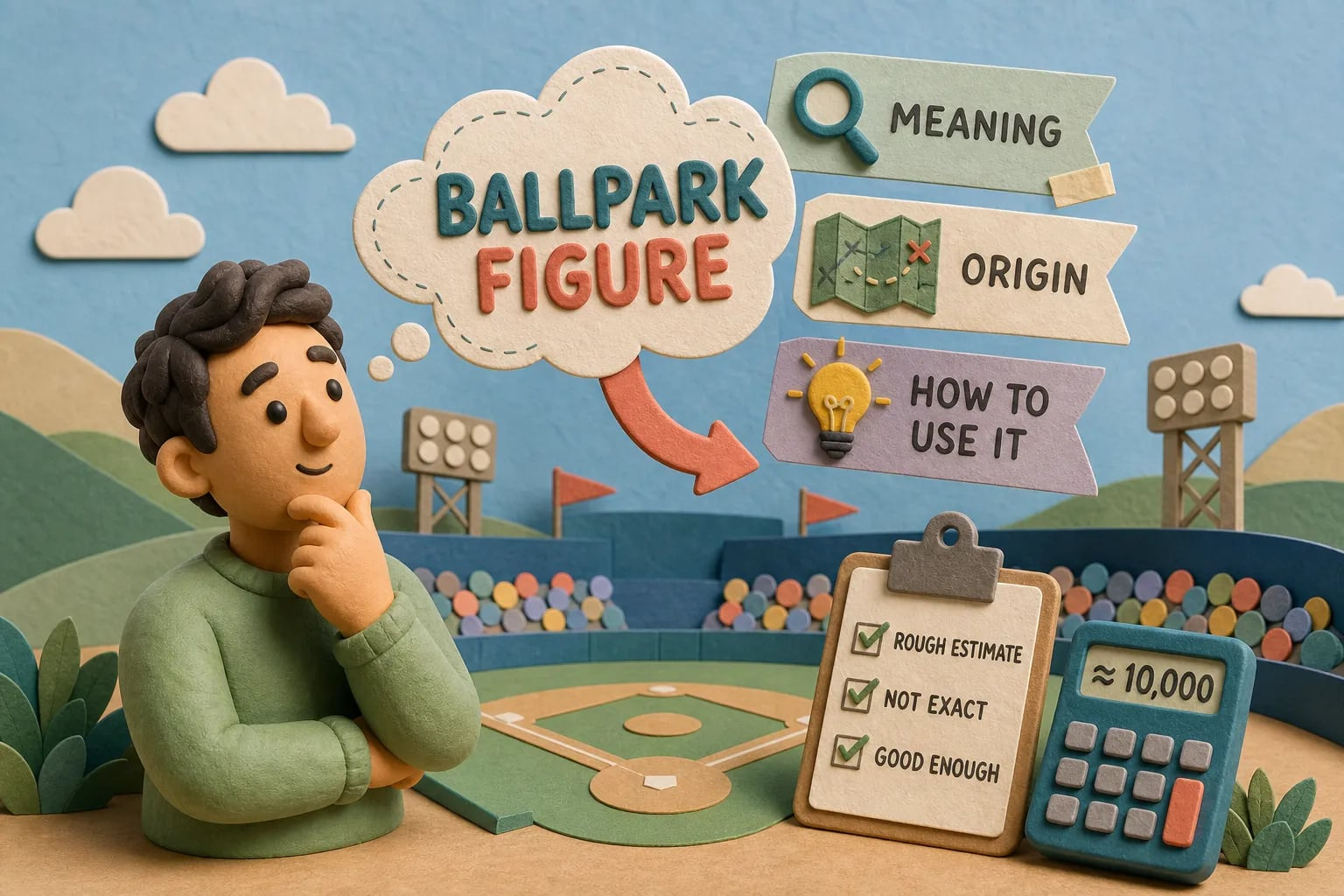
Ballpark Figure: Meaning, Origin, and How to Use It
Learn what “ballpark figure” means, its baseball origin, and how to use it in meetings and emails. Master this common American expression today.
American English lessons by category — everyday phrases, professional English, pronunciation, and grammar. Free and practical for ESL learners.
Learn what “ballpark figure” means, its baseball origin, and how to use it in meetings and emails. Master this common American expression today.
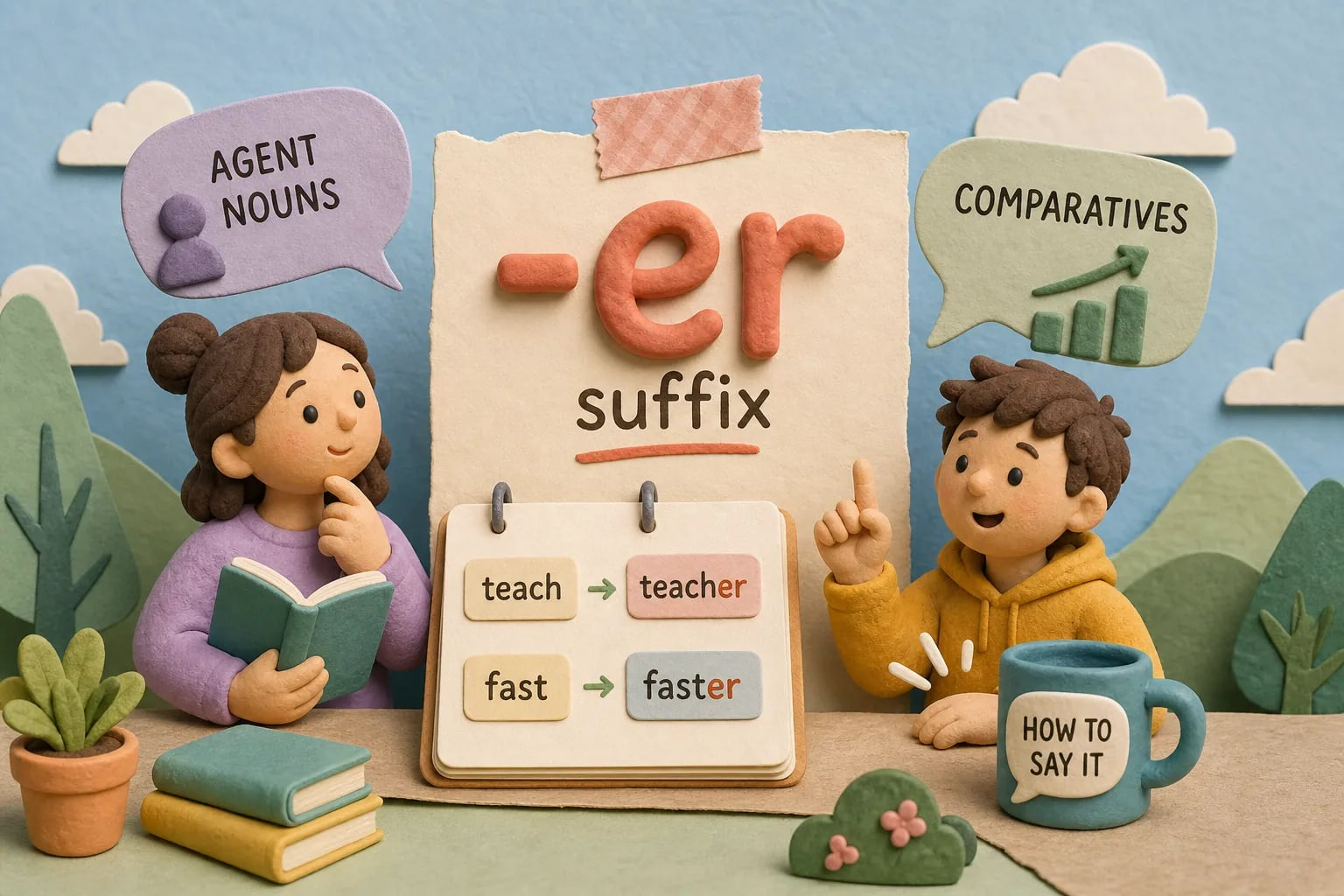
Learn how the -er suffix works in American English: forming agent nouns, building comparatives, spelling rules, and how to pronounce that distinct American -er sound.
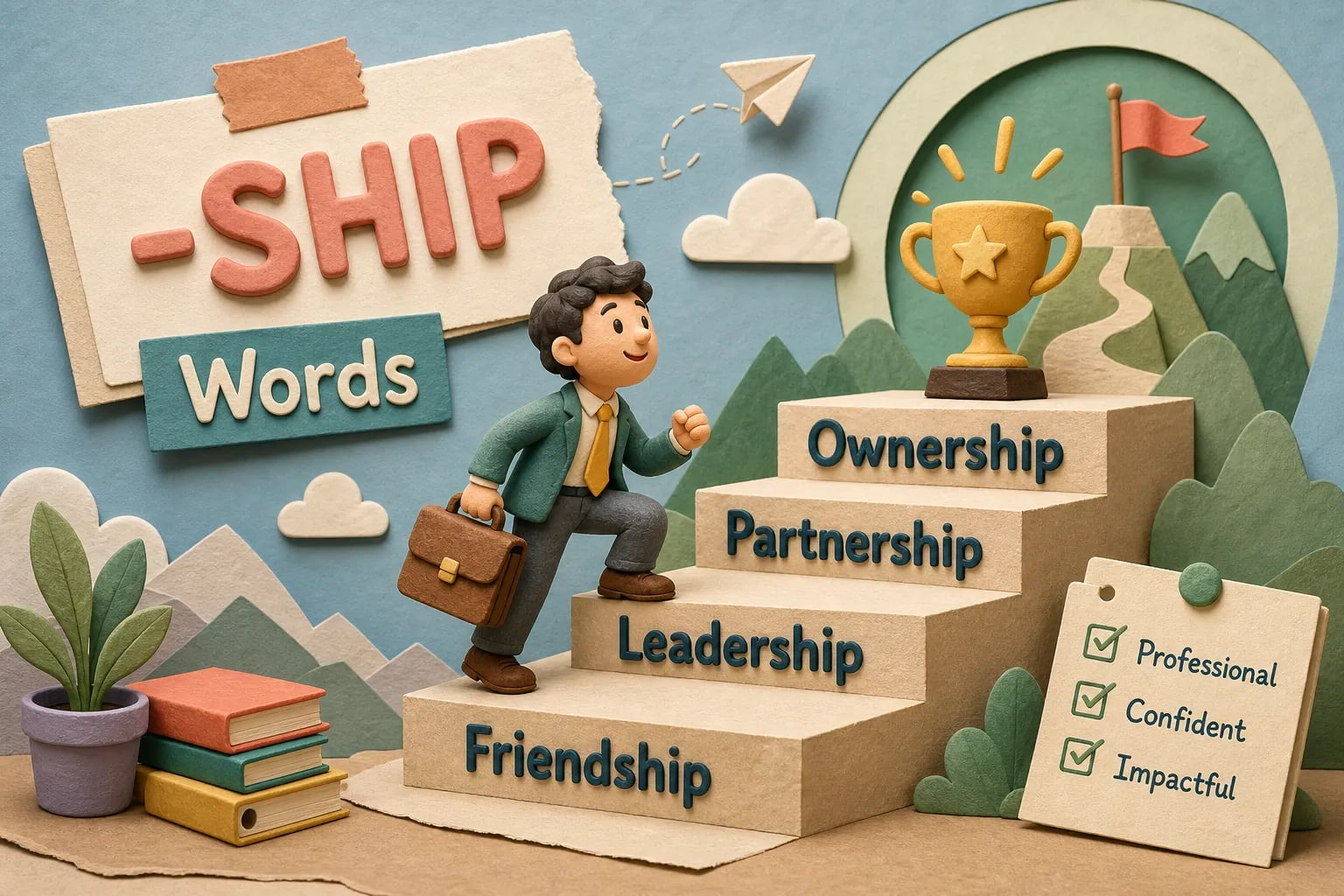
Learn the -ship suffix through words like leadership, mentorship, and internship. See real usage in emails, interviews, and workplace English. Start learning now.
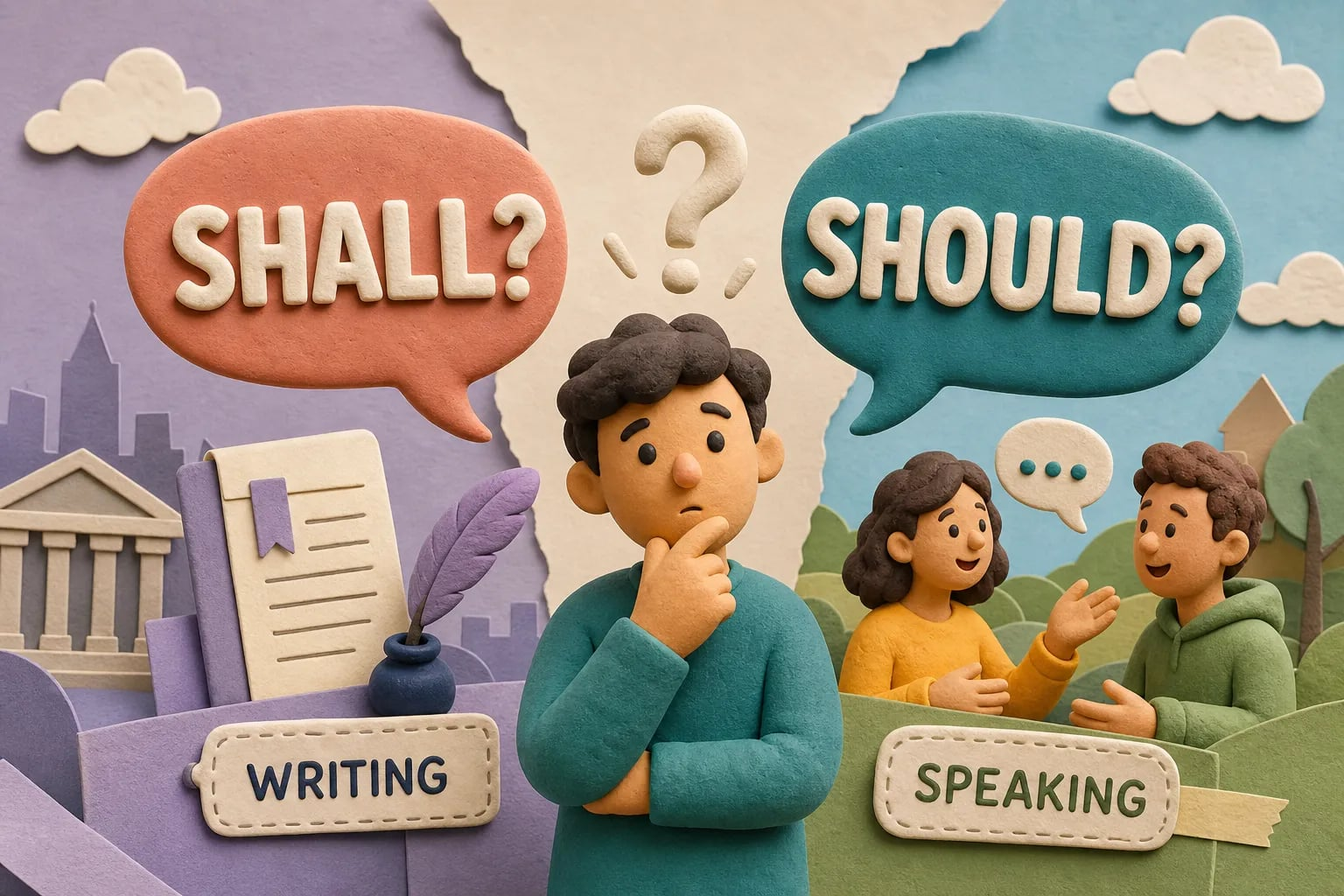
Shall vs should — most Americans use only one. Learn the real difference, when “shall” appears in contracts, and how to sound natural in American English.
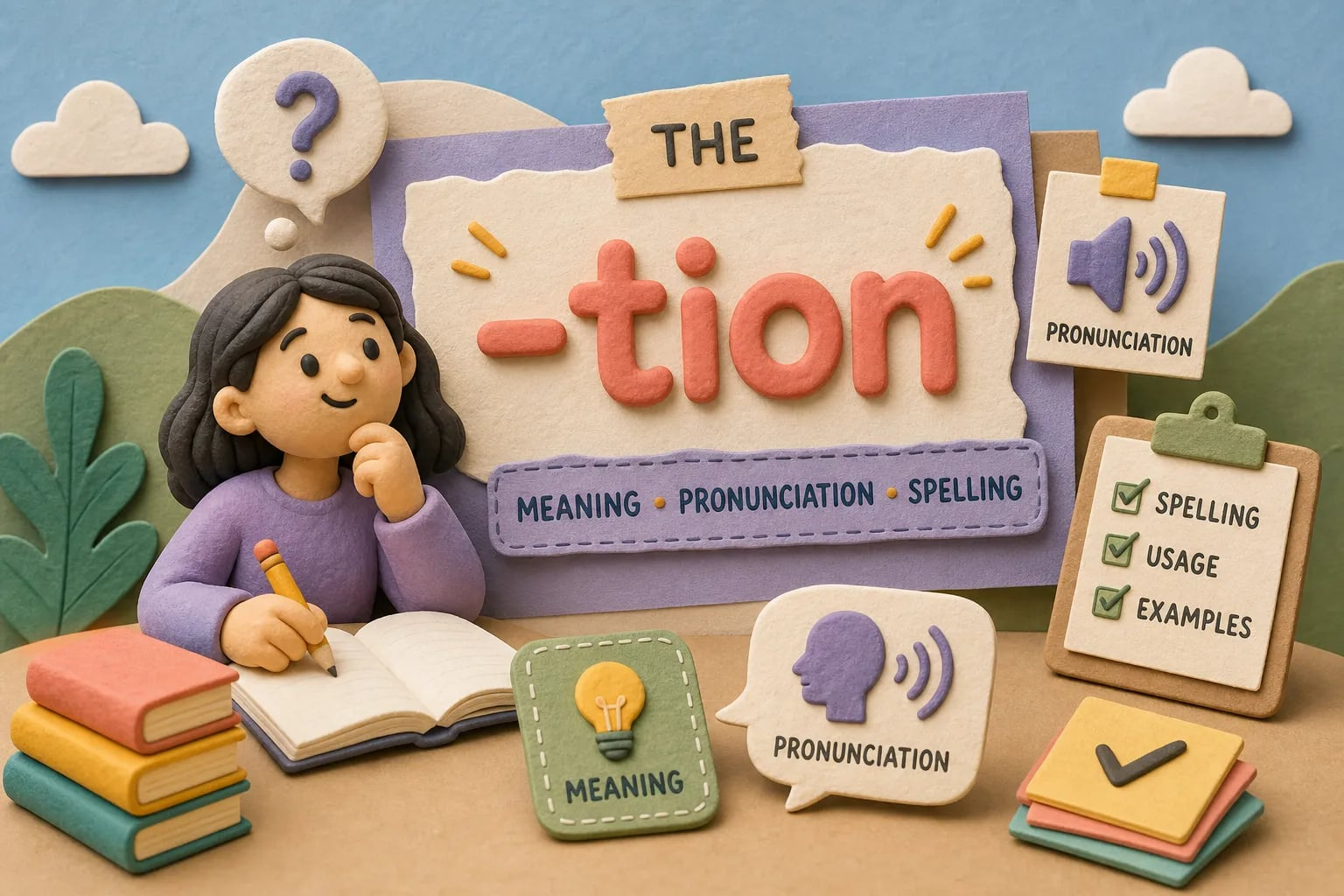
Learn how the -tion suffix works in American English: what it means, how to pronounce it, spelling rules, and common examples for everyday and workplace use.
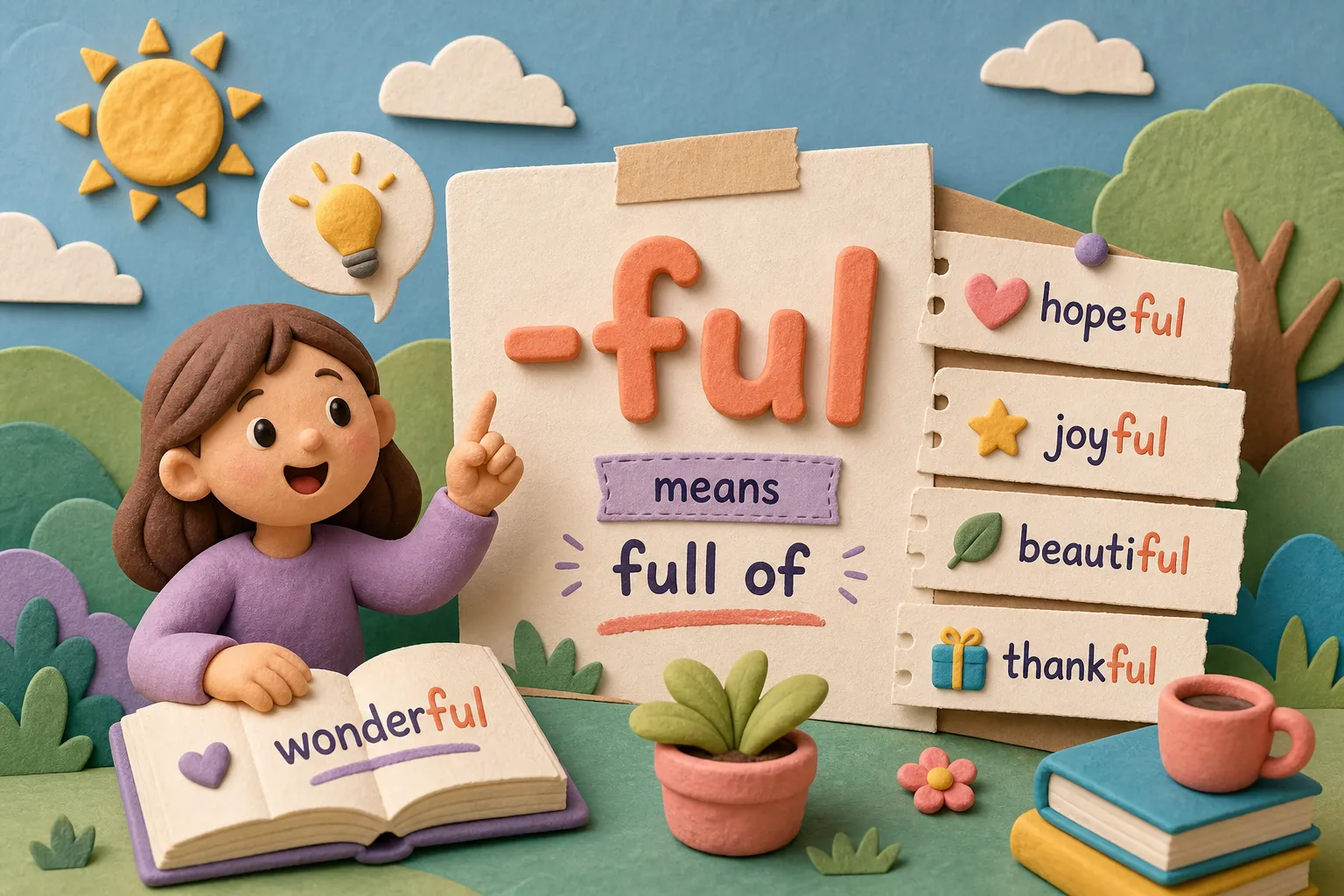
Master the -ful suffix with clear spelling rules, real examples, and natural American English phrases native speakers actually use. Start using these words today.
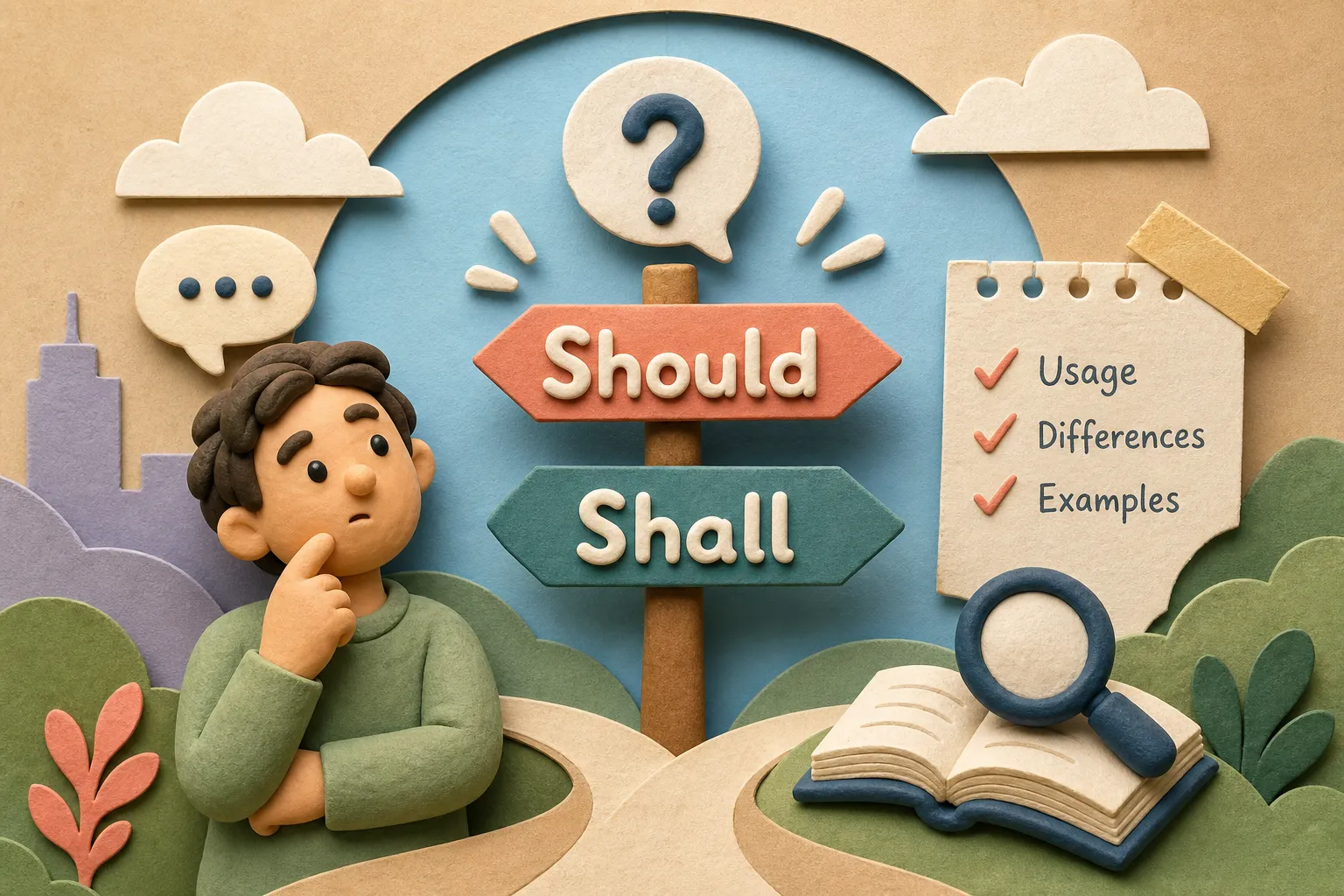
Should vs shall: learn why Americans rarely use “shall,” how British English differs, and which modal verb fits each situation. Start speaking like a native.
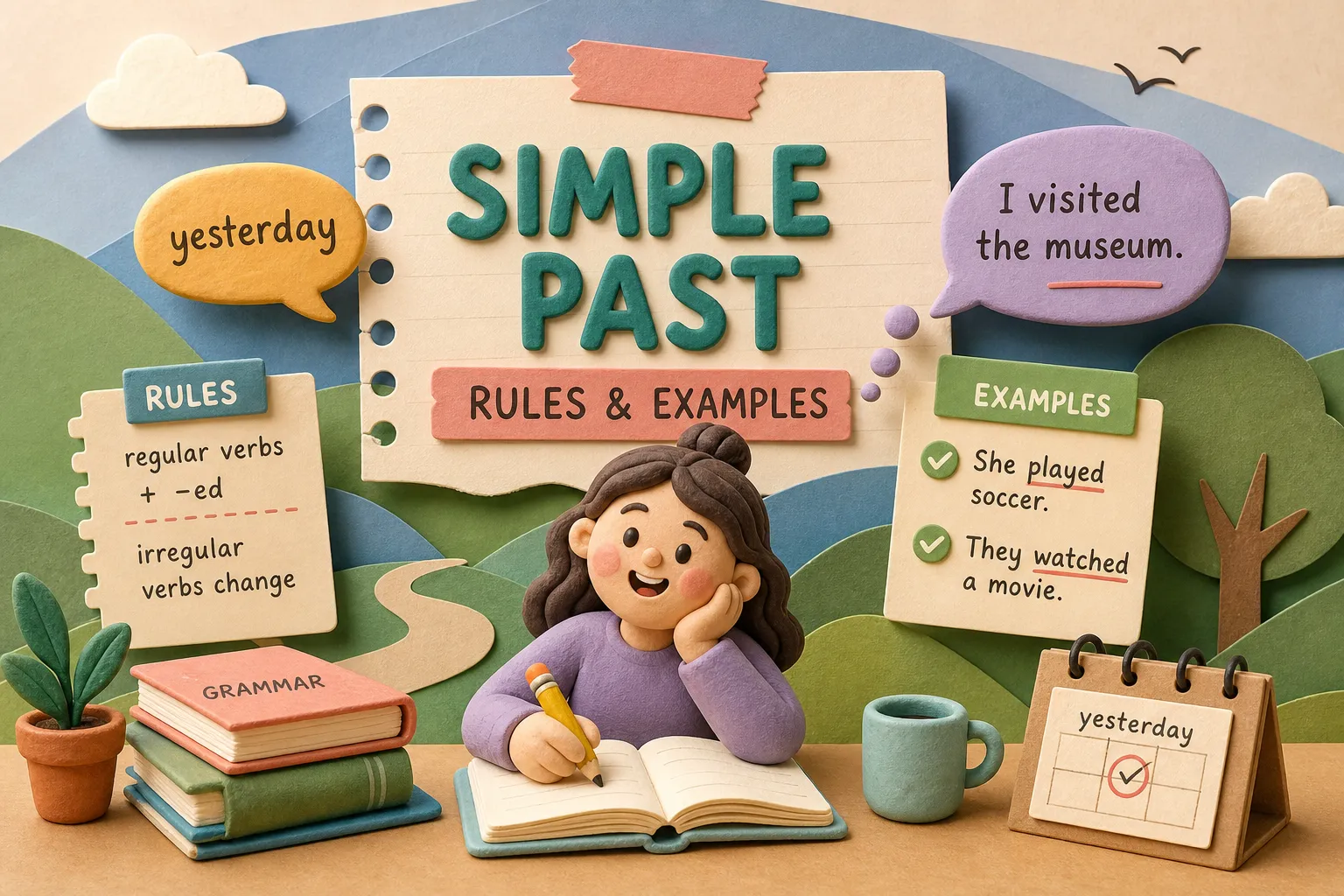
Learn simple past tense with clear rules, real American English examples, and common mistakes to avoid. Form it right every time. Start here.
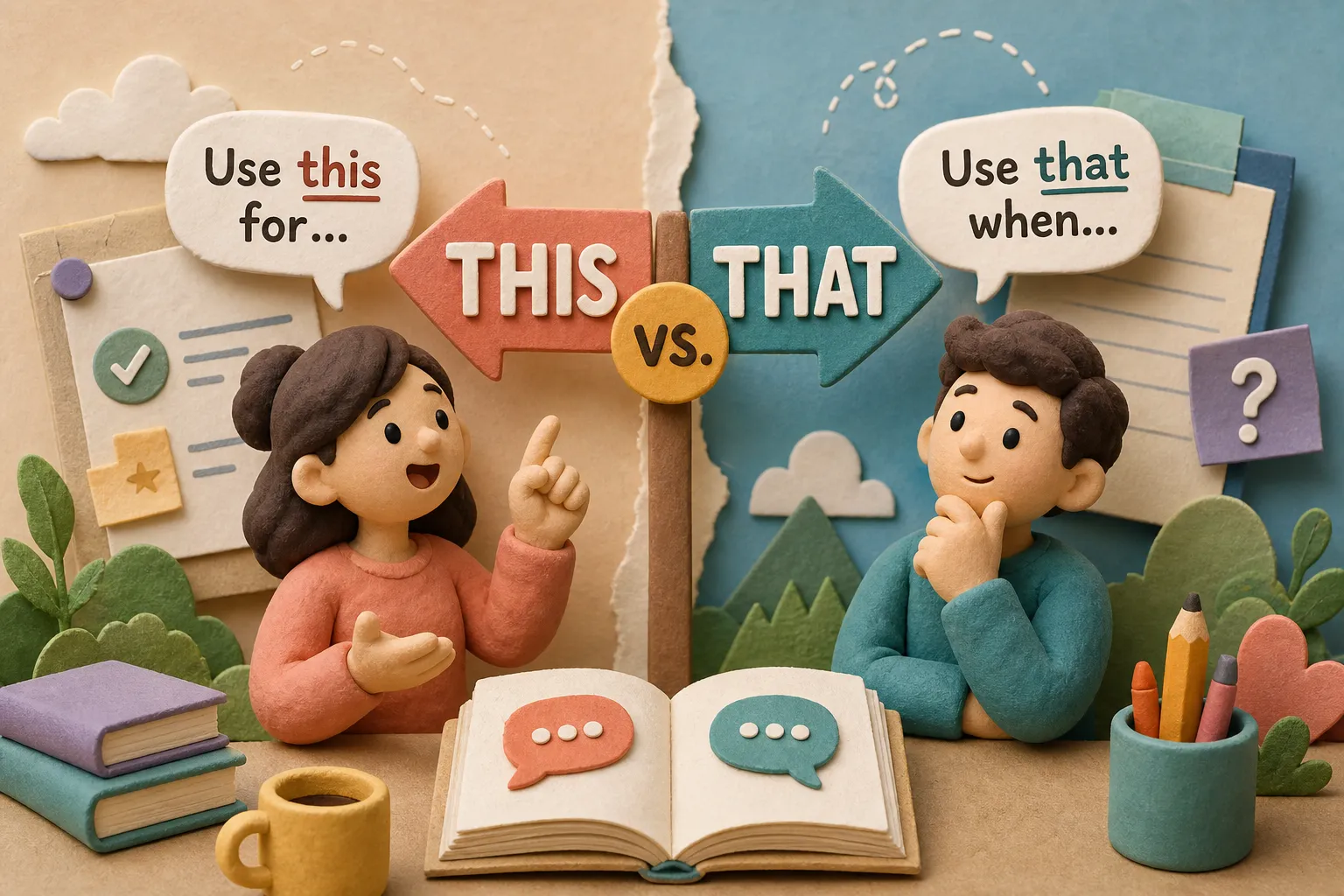
Confused by this vs. that? Learn the near/far rule, conversational uses, and native speaker patterns so you always choose the right word.
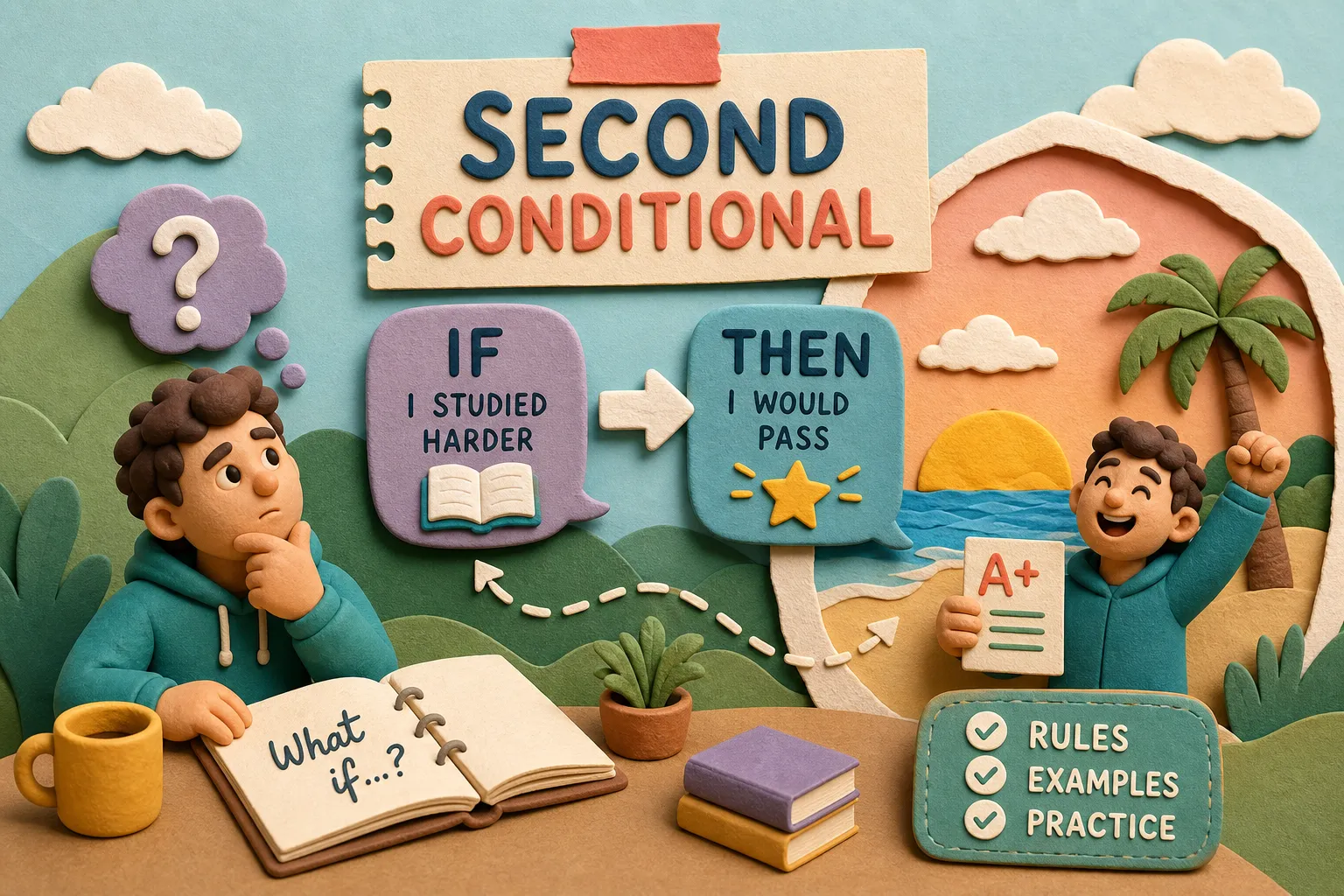
Learn the second conditional with simple rules, real American examples from job interviews and daily talk, and quick practice exercises. Start using it today.
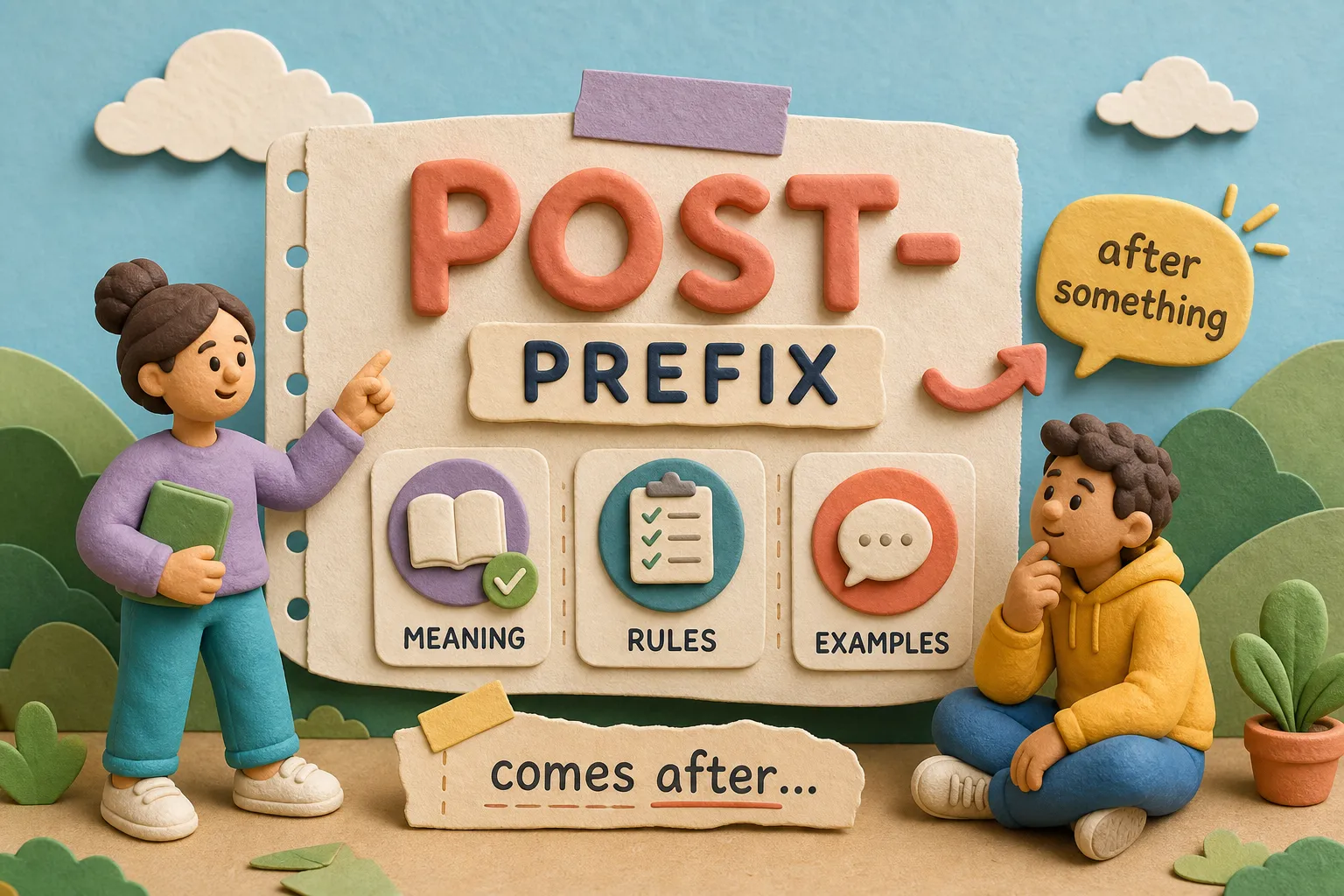
Learn what the post- prefix means, how to spell it correctly, and how to use it in professional emails and meetings. Master it with Your Daily American.
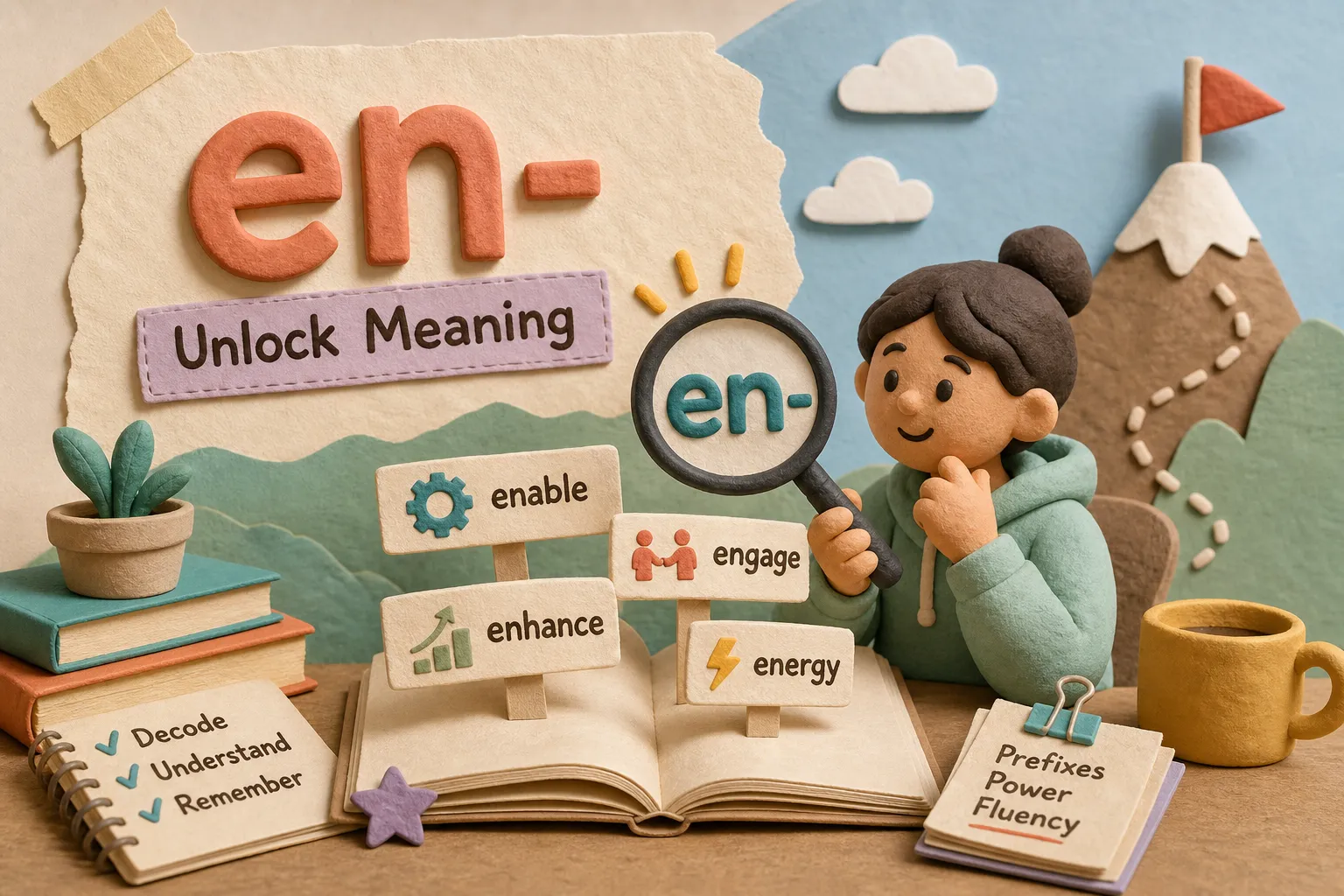
Learn what the en- prefix means, when it becomes em-, and how words like empower and engage work in real workplace English. Build your vocabulary faster.
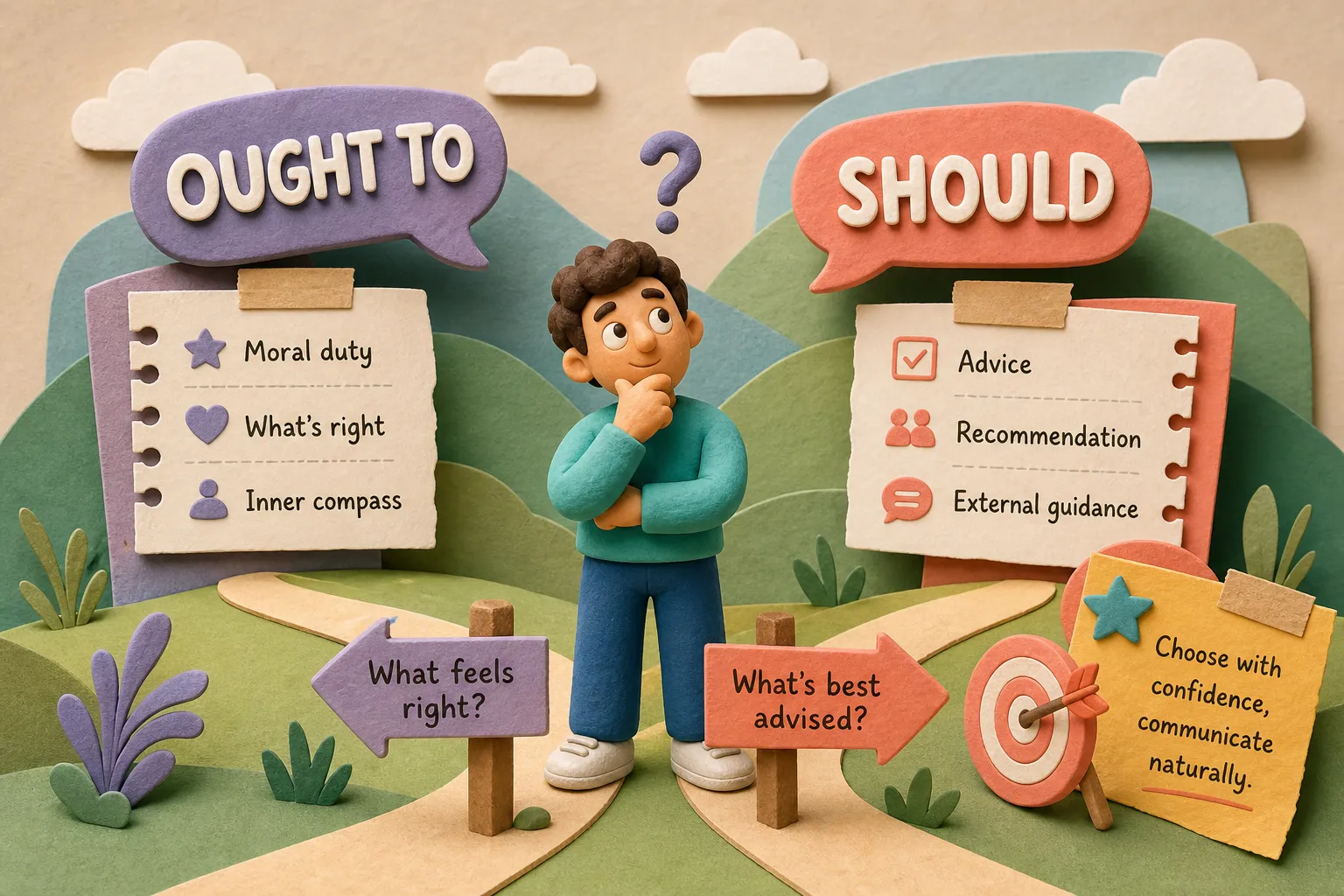
Learn when “ought to” sounds natural vs. too formal in American English, how it differs from “should,” and the common mistakes to avoid. Start speaking naturally.
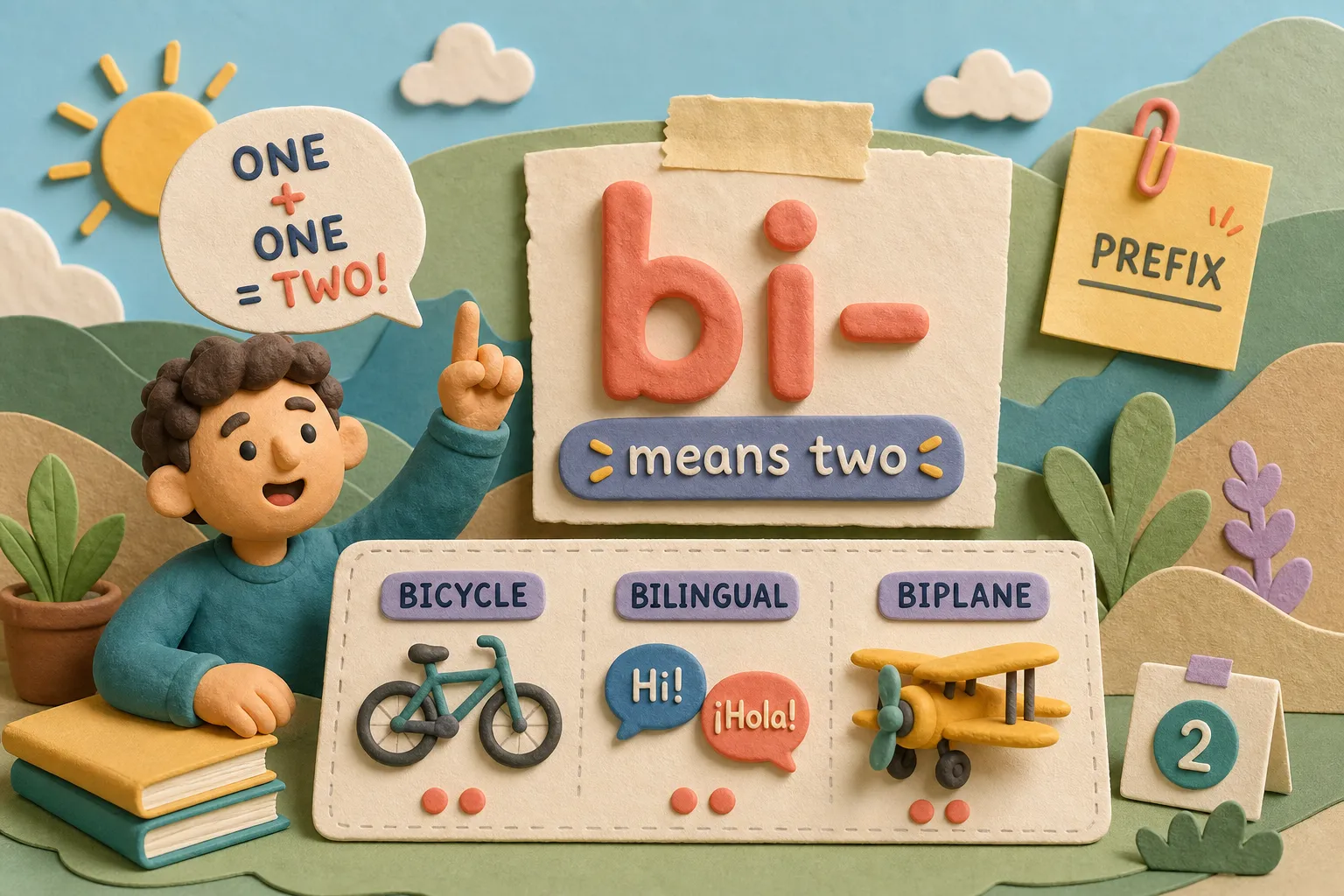
Learn the bi- prefix in American English: its Latin roots, pronunciation, and 20+ practical words for daily life and work. Build your vocabulary faster.
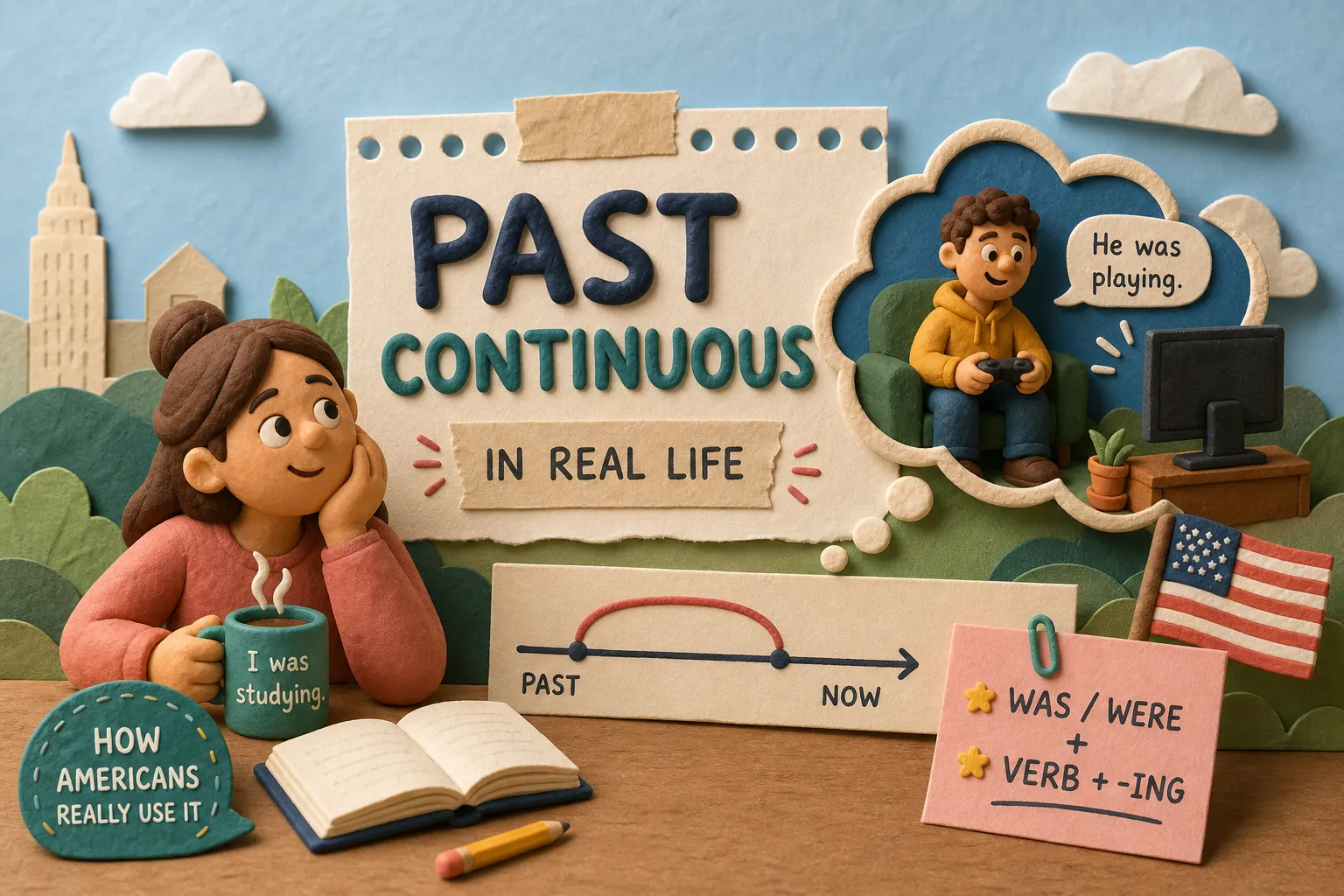
Learn the past continuous tense through real American English scenarios. Master interrupted actions, background scenes, and polite requests. Start speaking naturally.
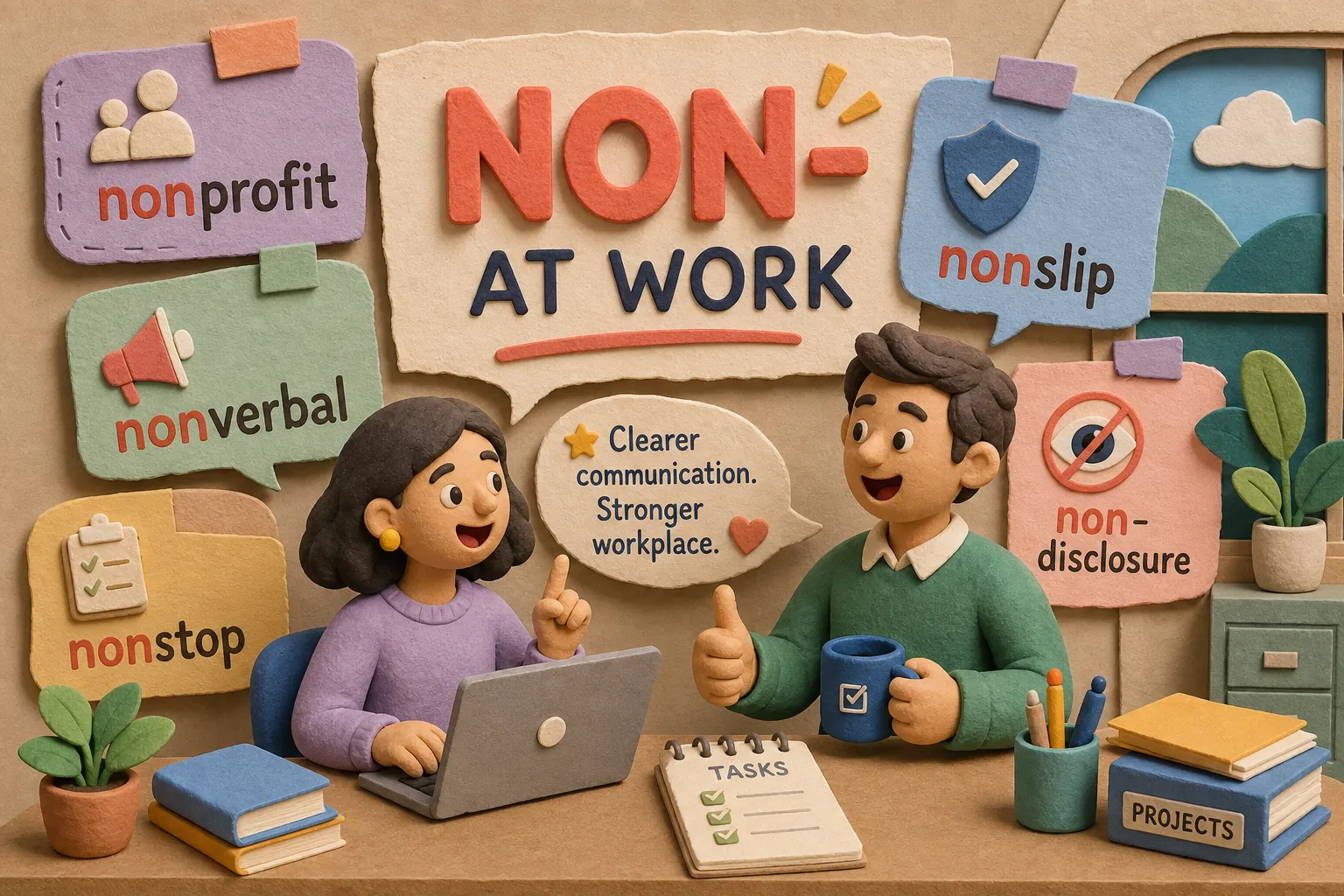
Learn what the non- prefix means, how to spell non- words correctly, and how to use words like non-disclosure and non-negotiable at work. Start here.
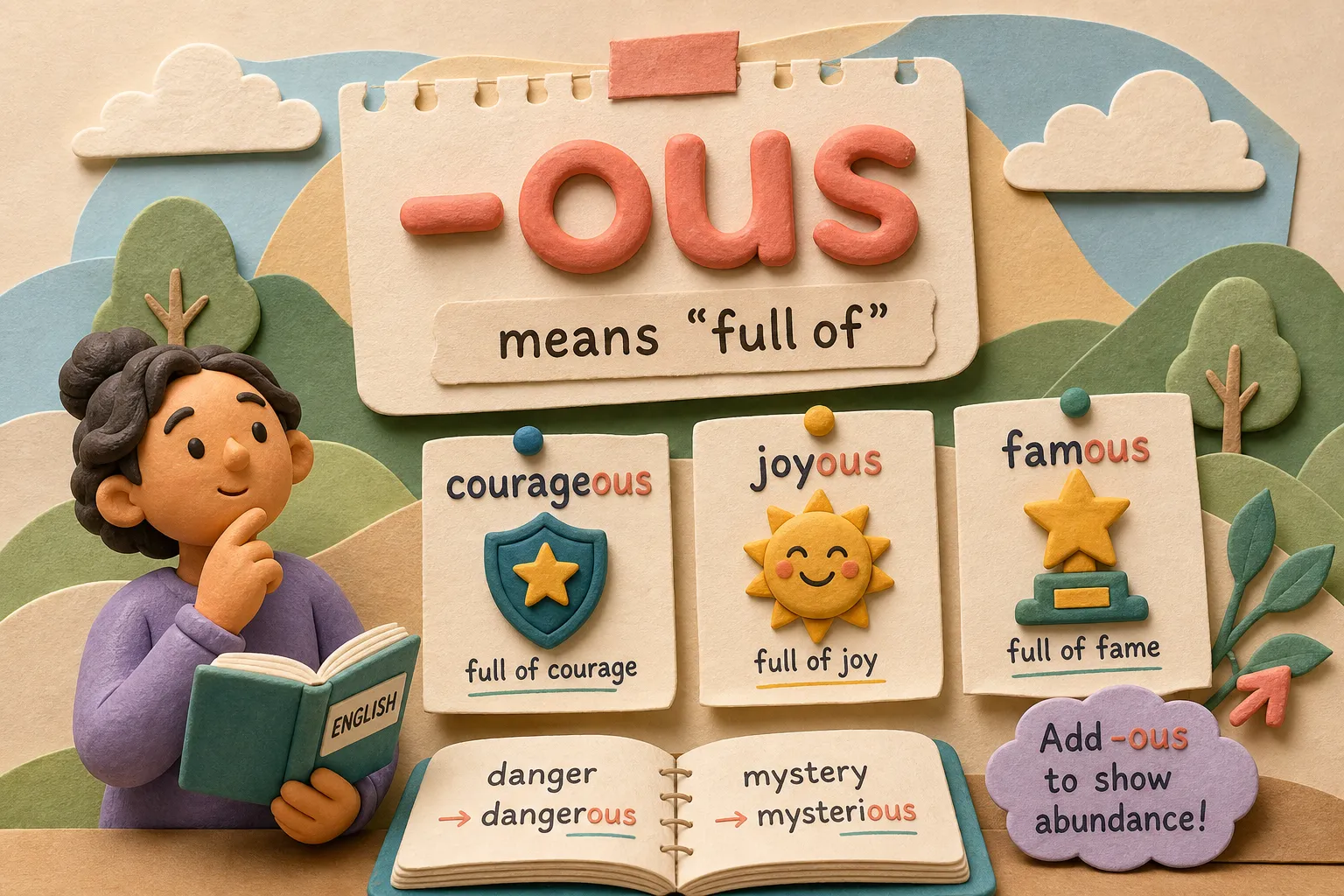
Learn the -ous suffix: what it means, spelling rules, pronunciation, and the best high-frequency words for job interviews, emails, and daily conversation.
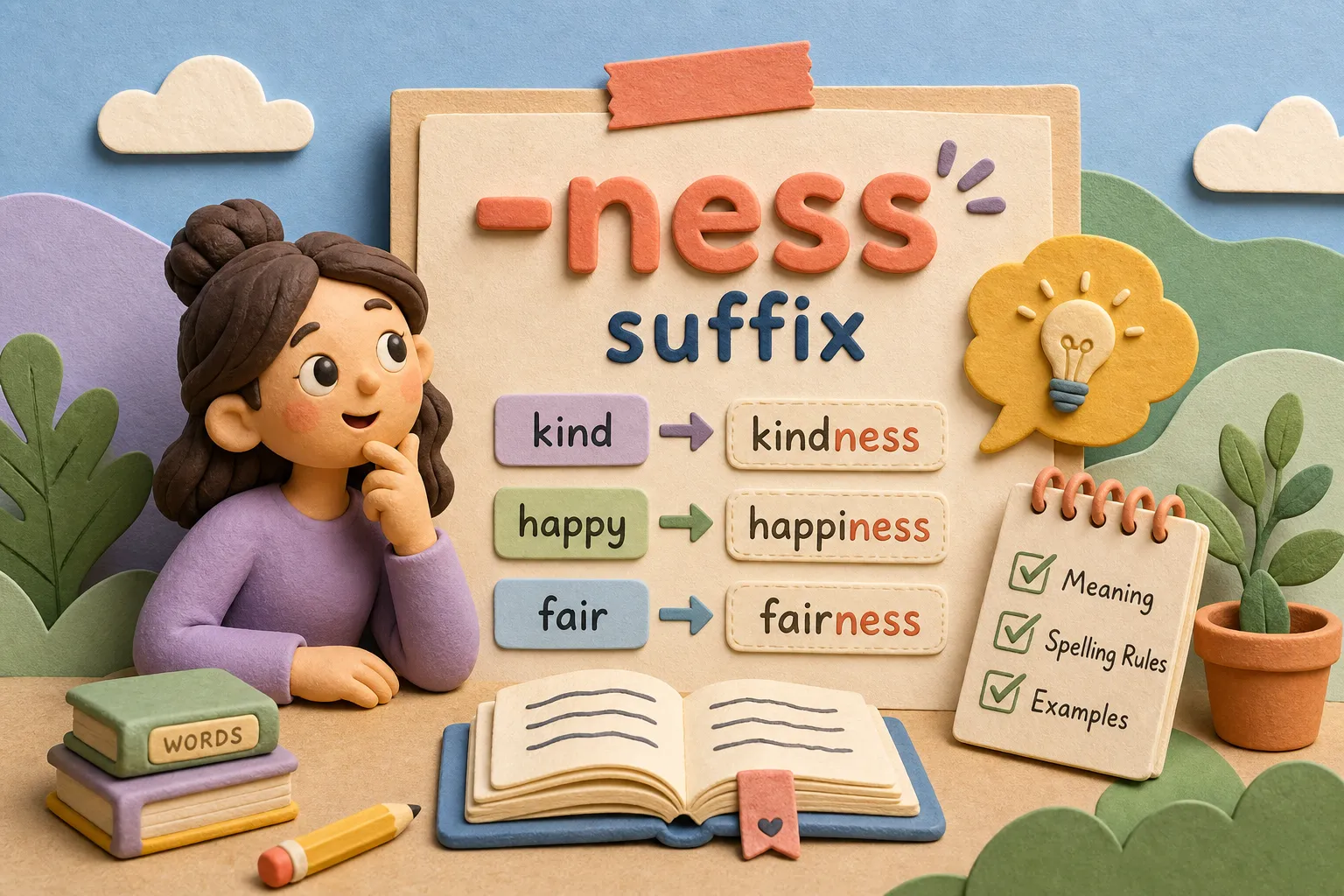
Learn how the -ness suffix works in American English, with spelling rules, common examples, and tips to use words like kindness and awareness naturally.

Learn what “riding on coattails” means, where it came from, and how Americans use it in politics, work, and daily life. Start using it naturally today.
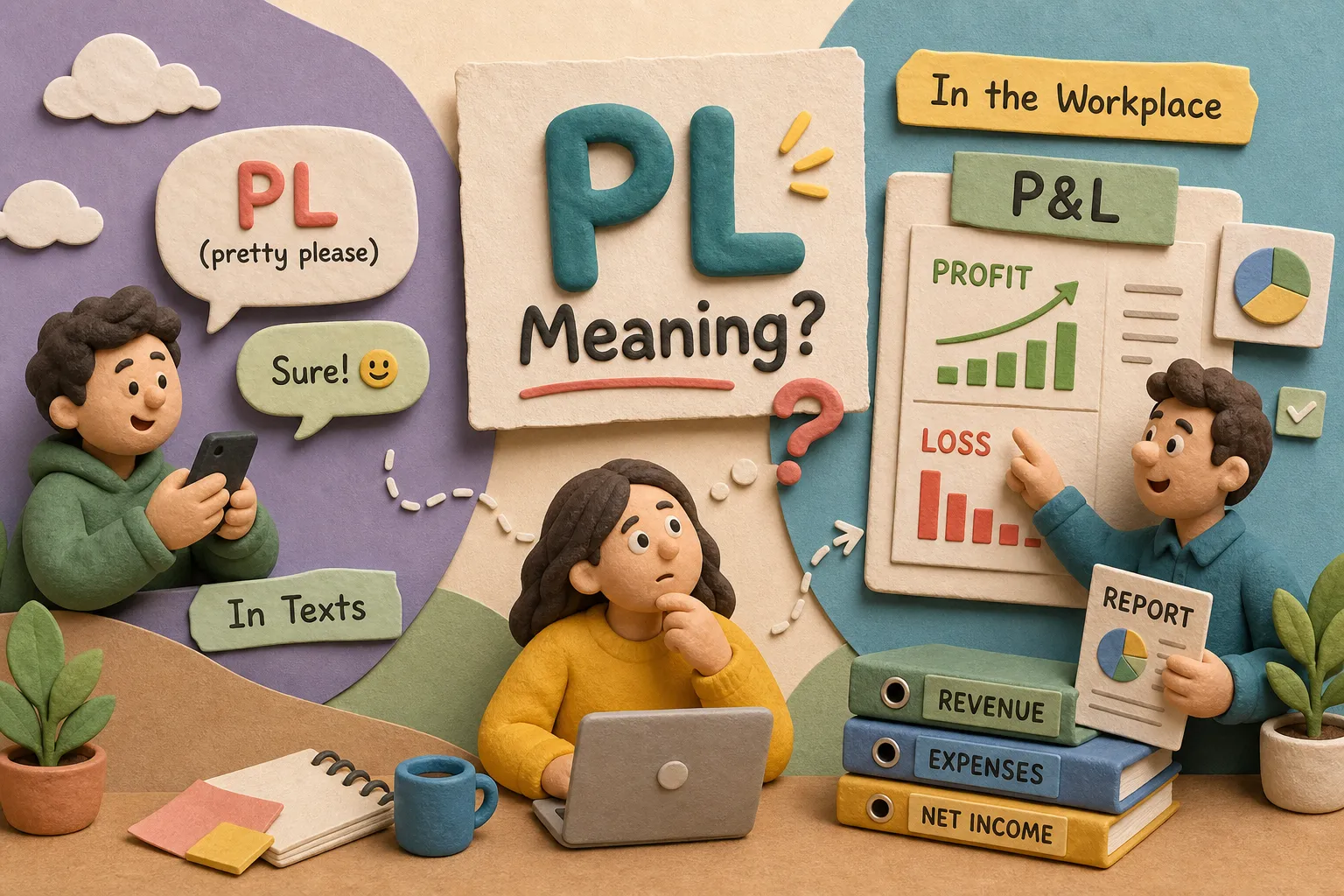
Wondering what PL means? From “please” in texts to P&L in business reports, this guide explains every use — with real examples for workplace English.
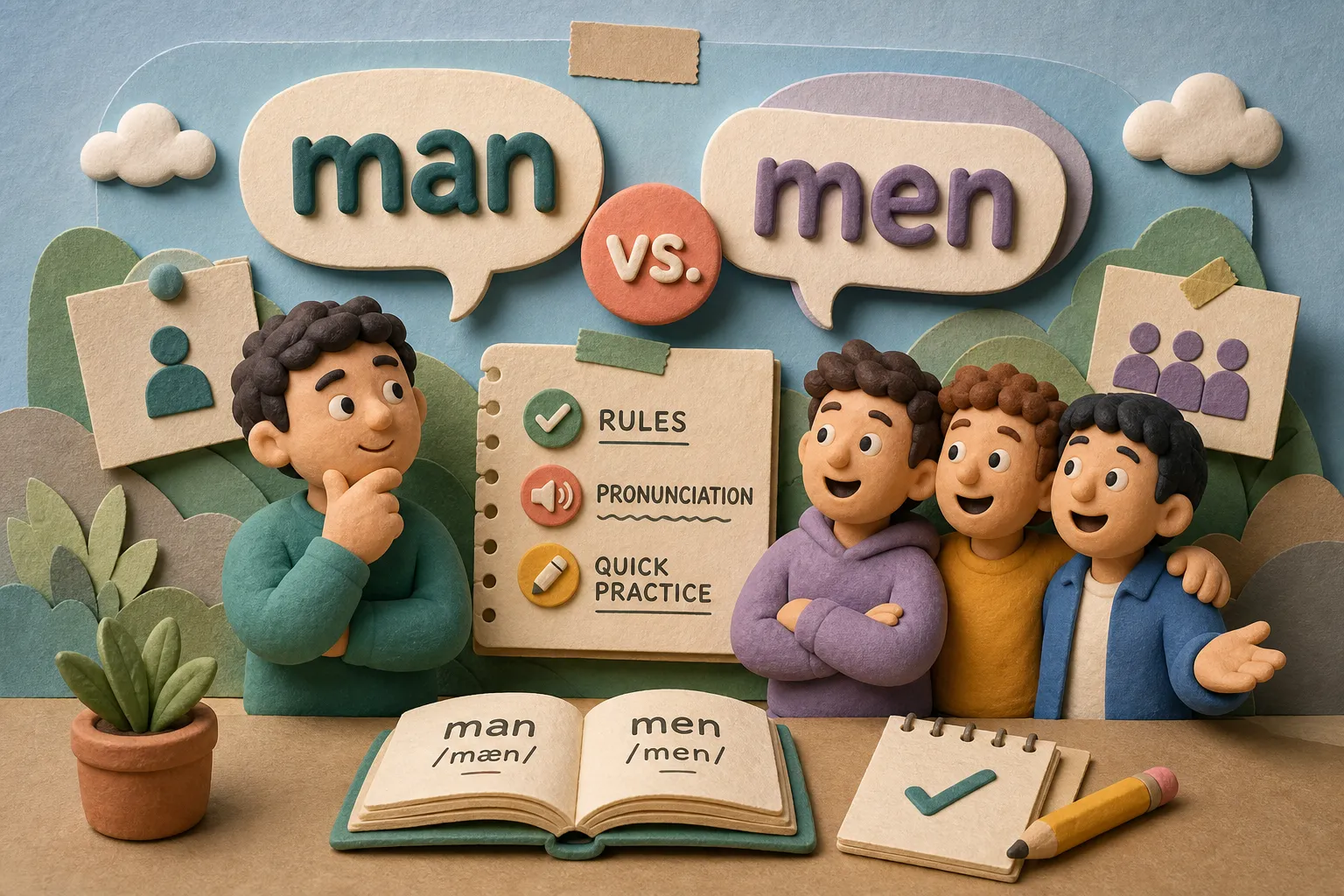
Confused by man vs. men? Learn the grammar rule, how to pronounce each word in American English with IPA, and fix common ESL mistakes fast.