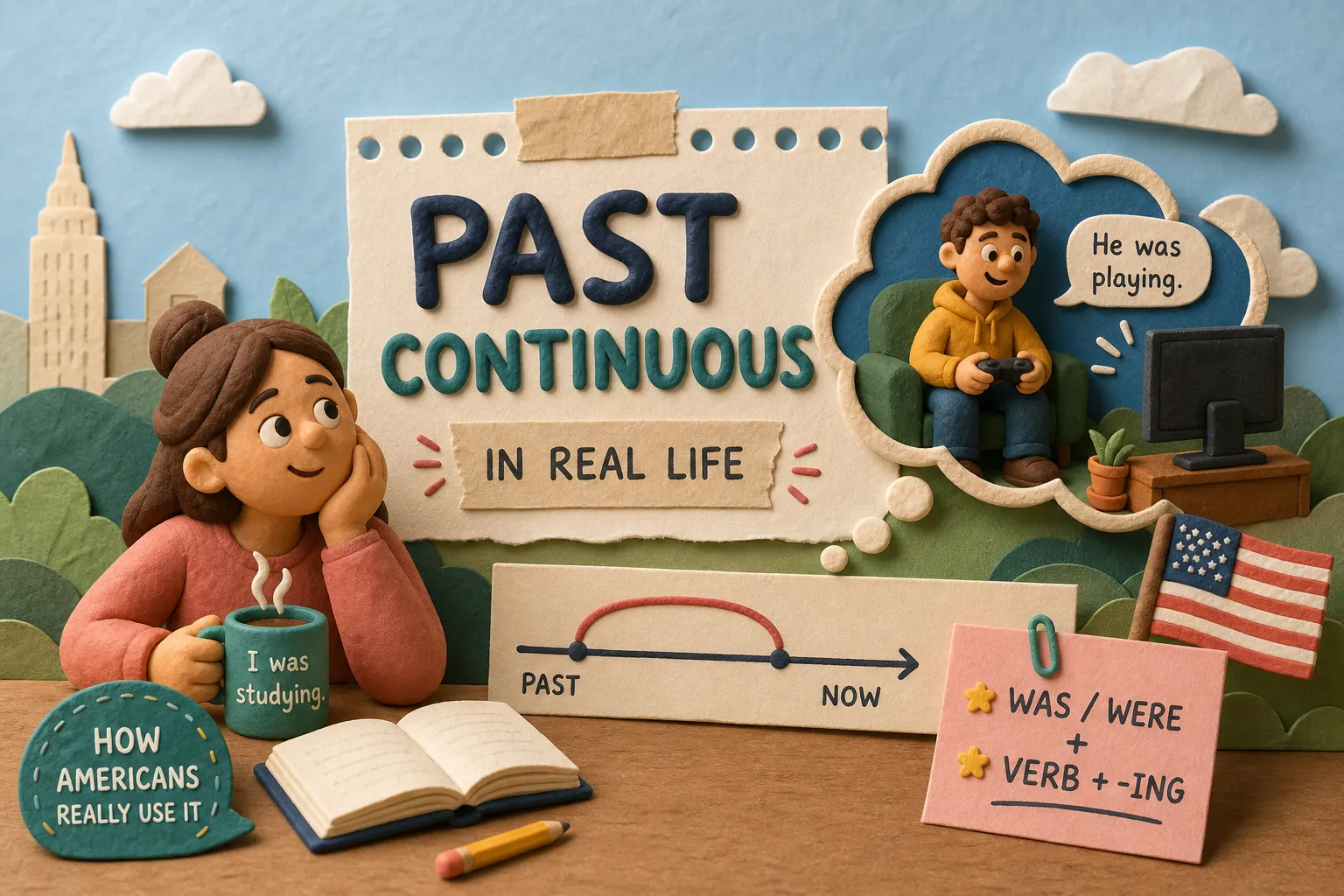
Past Continuous Tense: How Americans Really Use It
Learn the past continuous tense through real American English scenarios. Master interrupted actions, background scenes, and polite requests. Start speaking naturally.
American English lessons by category — everyday phrases, professional English, pronunciation, and grammar. Free and practical for ESL learners.
Learn the past continuous tense through real American English scenarios. Master interrupted actions, background scenes, and polite requests. Start speaking naturally.
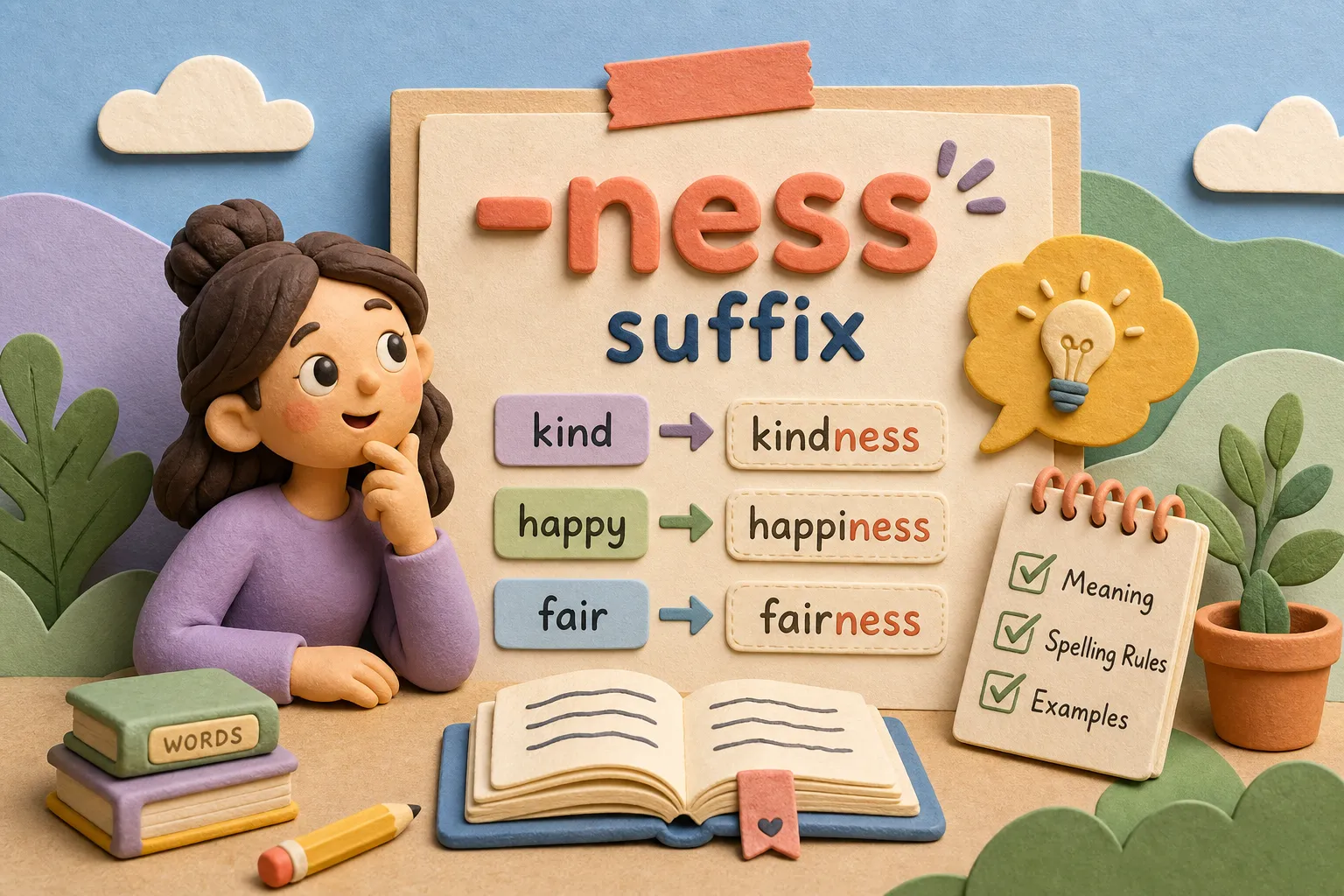
Learn how the -ness suffix works in American English, with spelling rules, common examples, and tips to use words like kindness and awareness naturally.
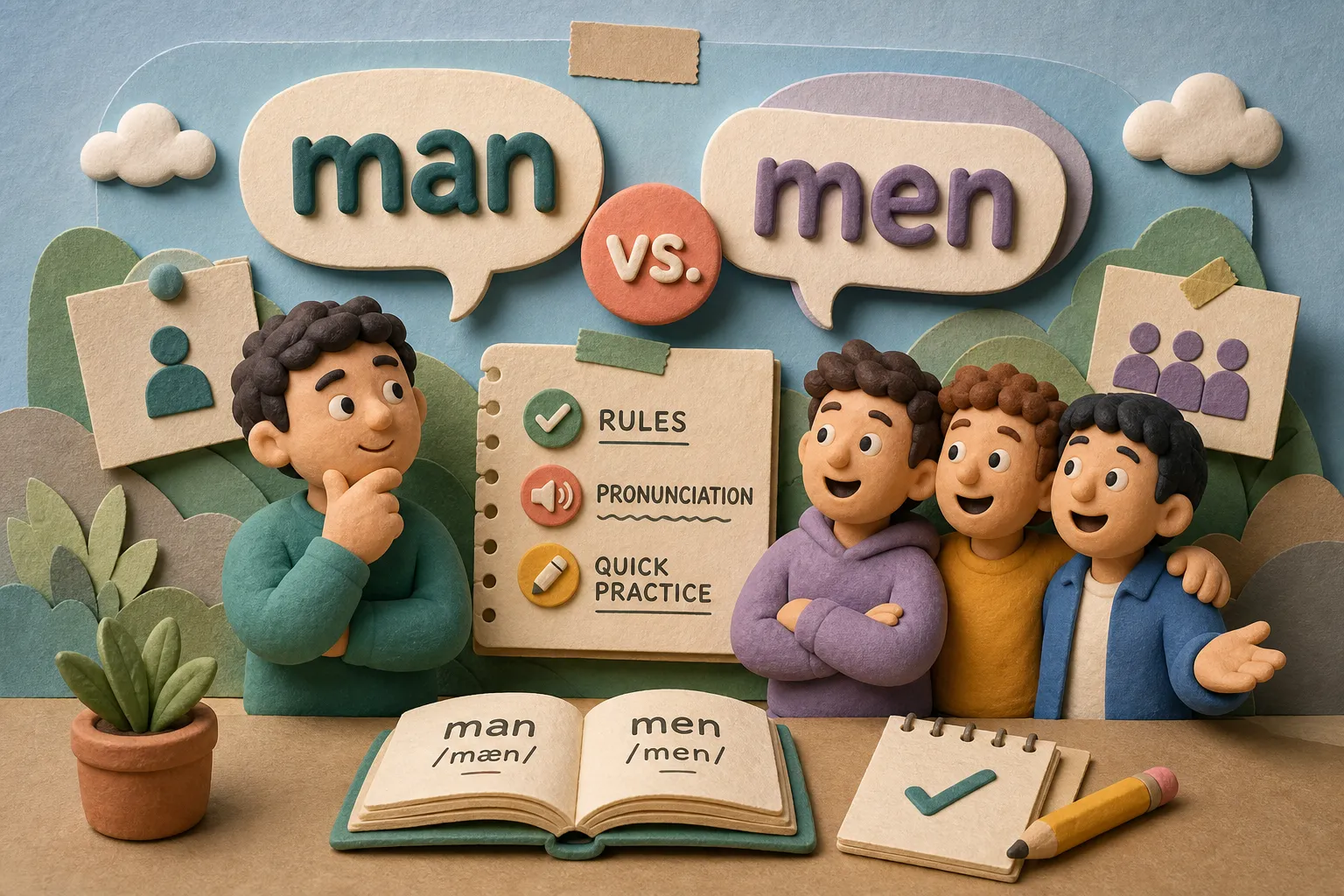
Confused by man vs. men? Learn the grammar rule, how to pronounce each word in American English with IPA, and fix common ESL mistakes fast.
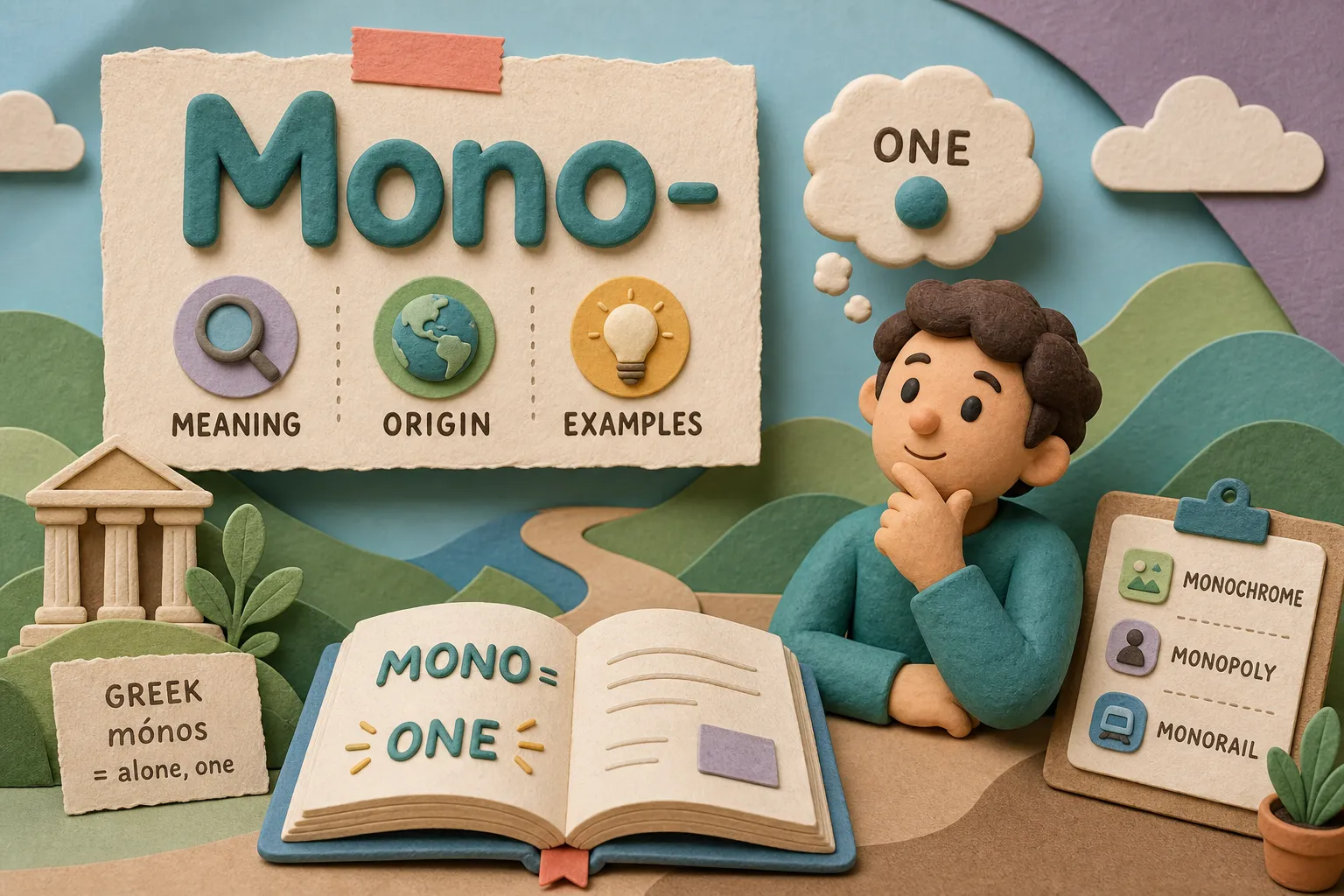
The mono- prefix means “one” or “single.” Learn its Greek roots, the mon- variant, key words — and why avoiding a monotone voice matters. Start here.
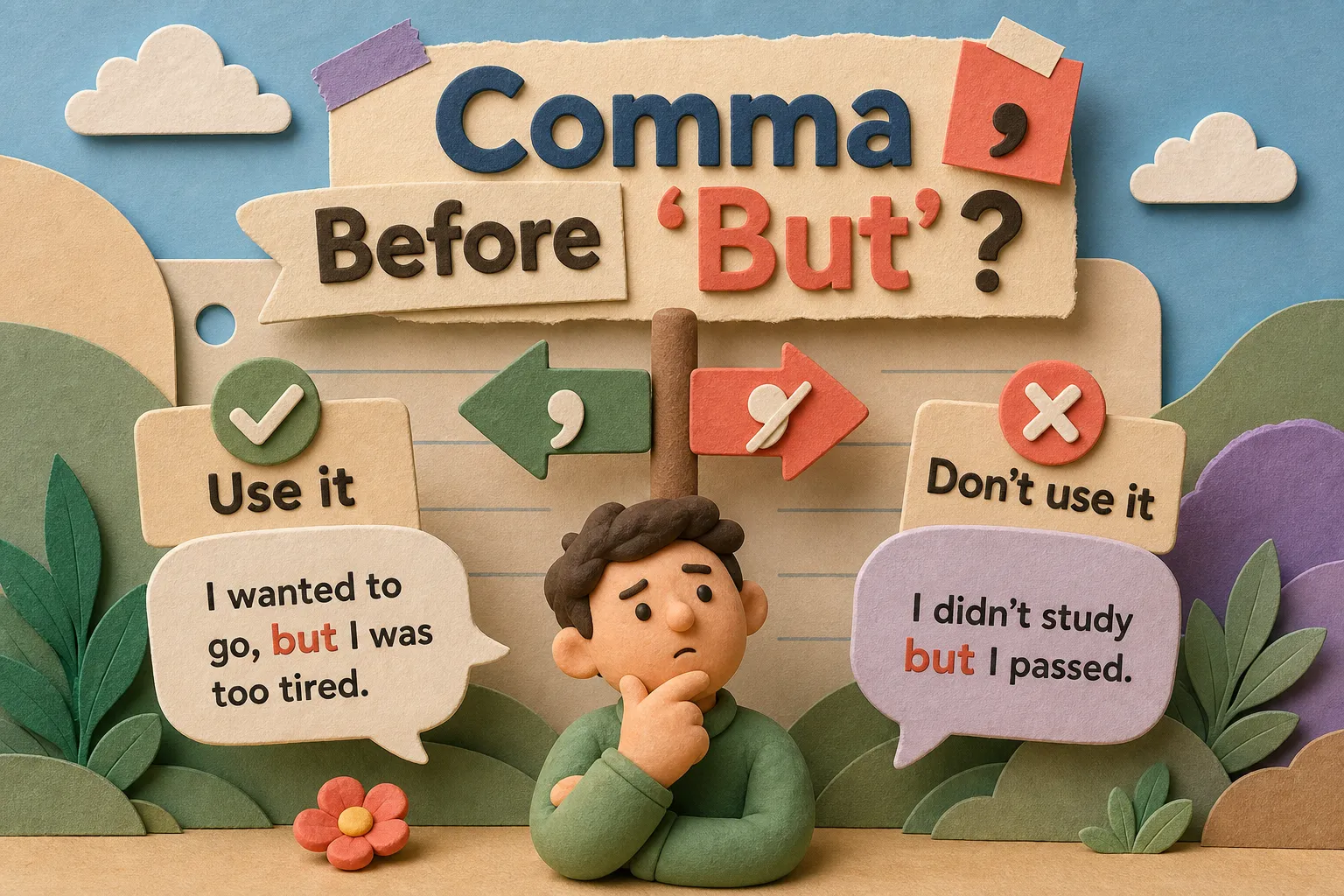
Learn the comma before “but” rule with real examples from emails and reports. Know when to add it, when to skip it, and write with more confidence.

Confused by “historic vs historical”? Learn the clear difference, see what style guides say, and practice with 20 real example sentences. Start using both words correctly today.
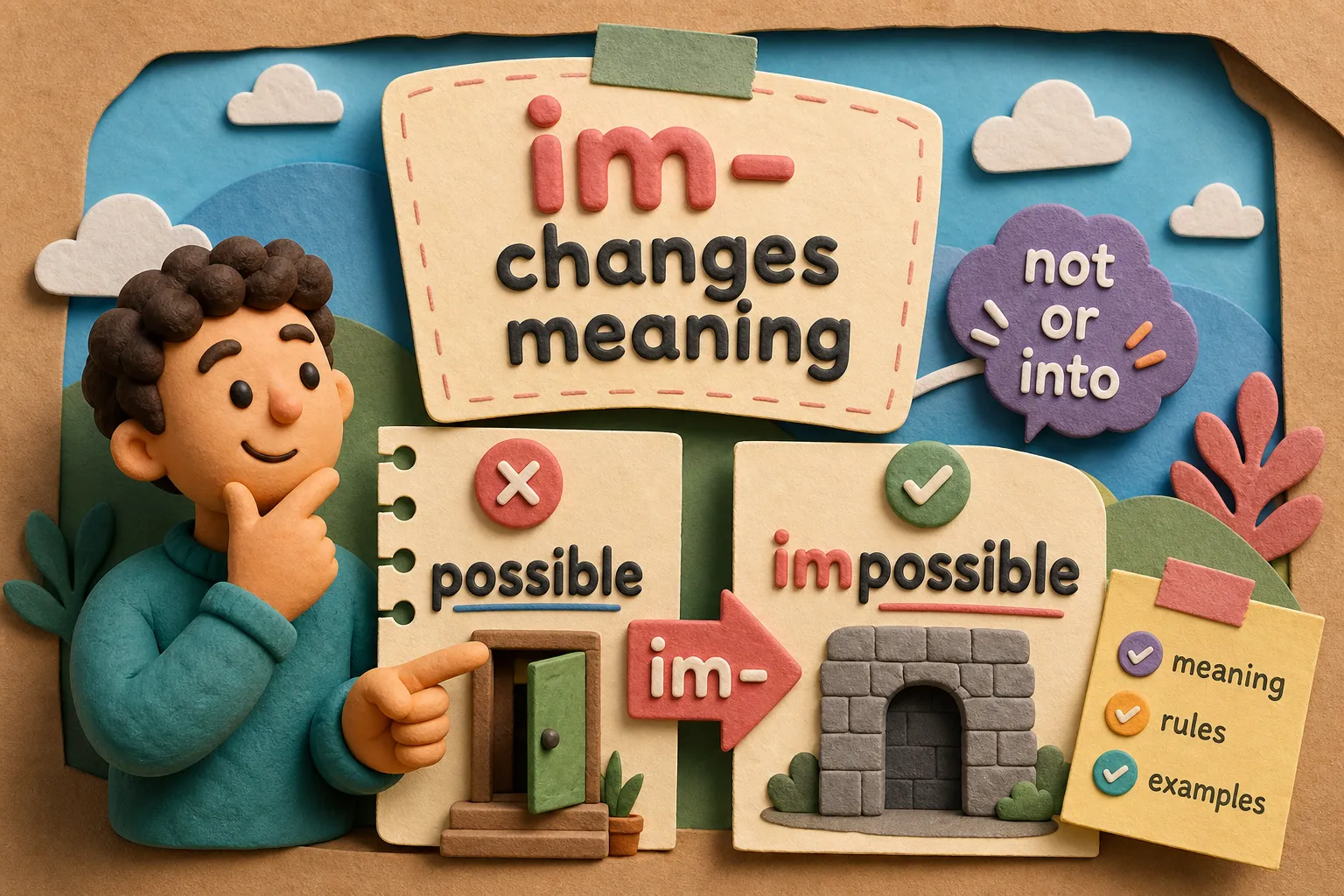
Learn what the im- prefix means, why “in-” changes to “im-” before b, m, and p, and see real examples to build vocabulary fast.
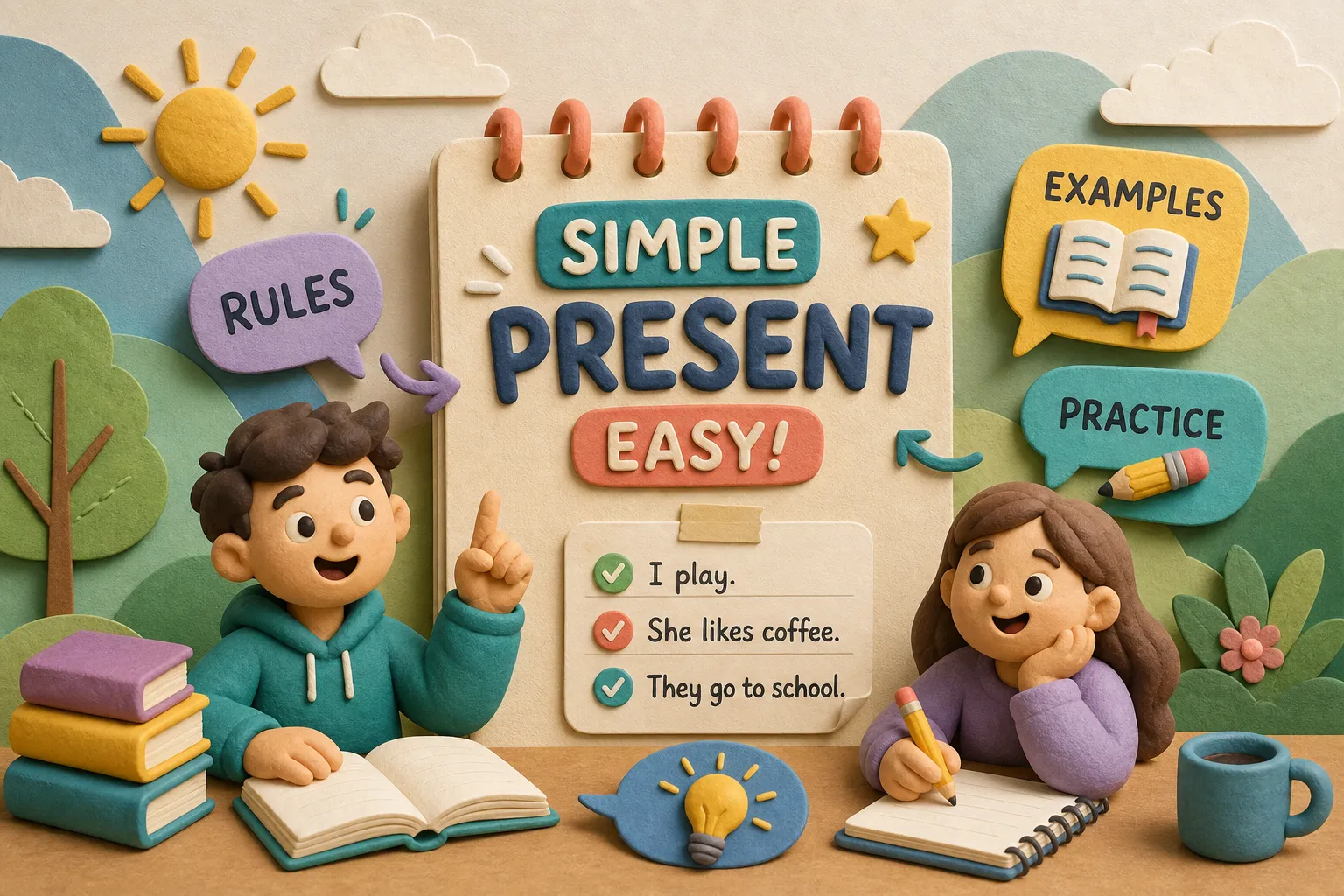
Learn how to use the simple present tense in real American English — habits, facts, schedules, and daily routines — with clear rules, examples, and quick practice.
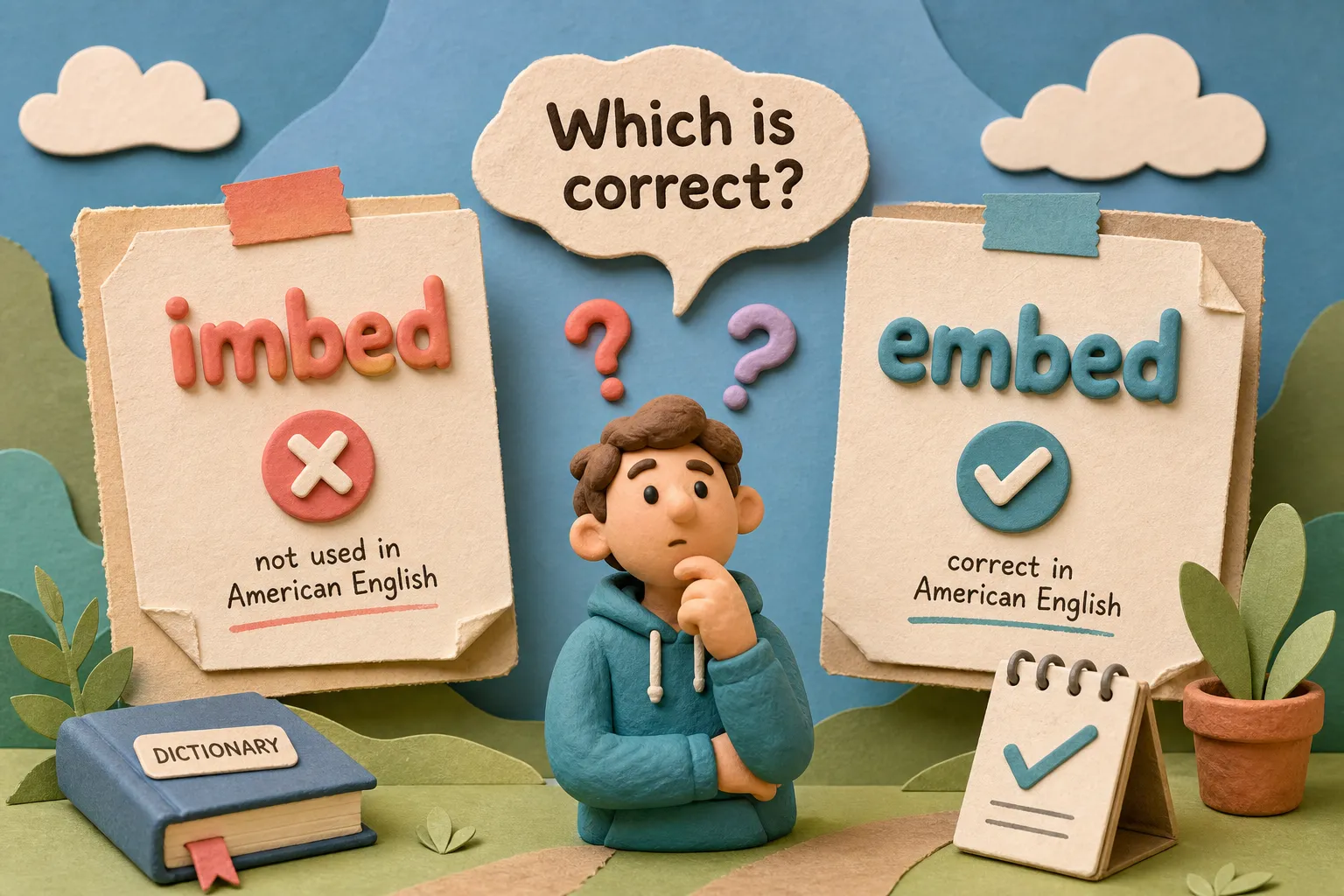
Imbed vs. embed: both spellings exist, but one is the clear standard. See what style guides say, how usage shifted, and get real examples you can follow.
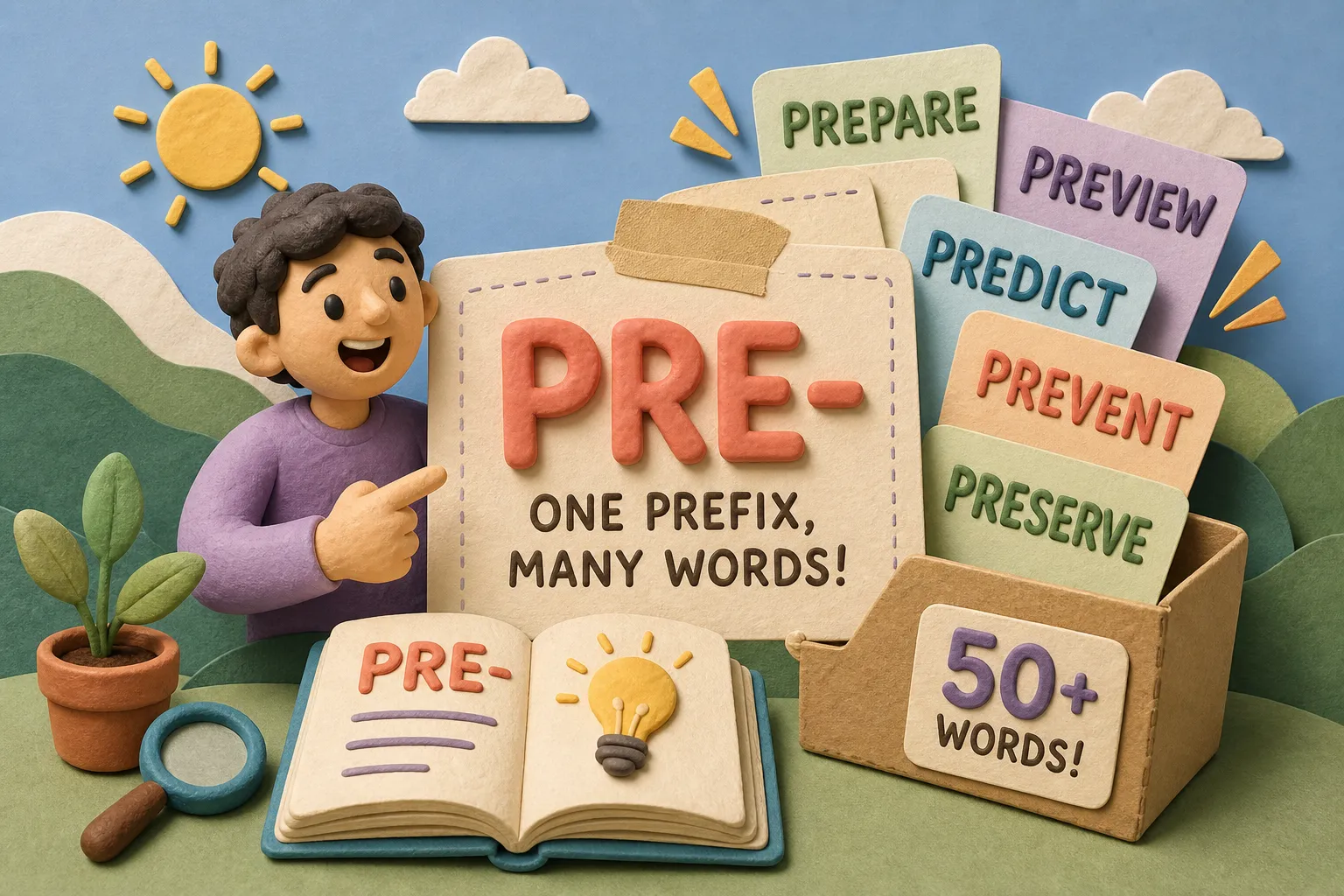
The pre- prefix means “before” — and knowing that unlocks 50+ English words instantly. See real examples, simple rules, and a quick practice exercise.
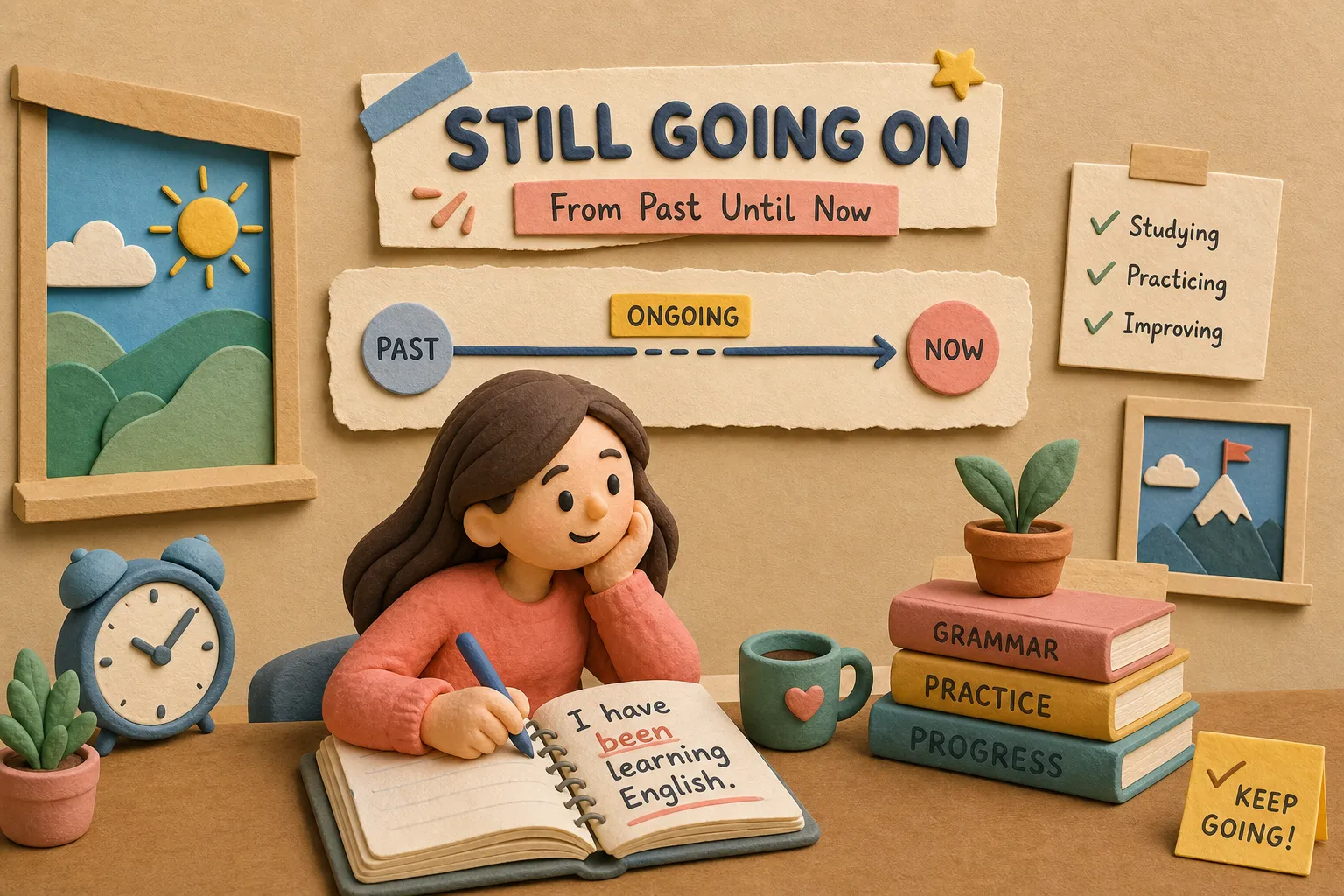
Learn the present perfect continuous tense: how to form it, when to use it, signal words, stative verb rules, and real examples to practice right away.
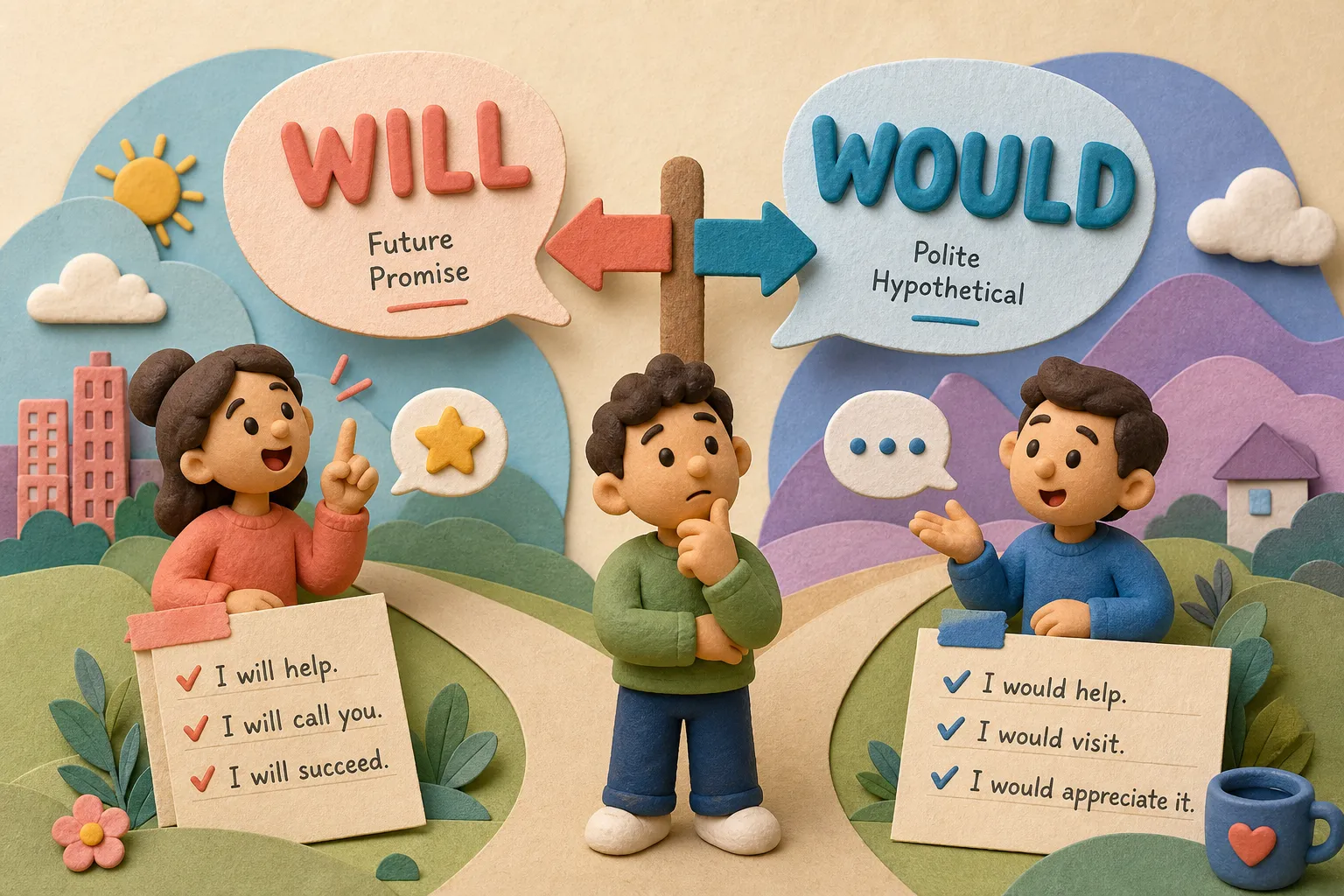
Will vs would confusing you? Learn exactly when native speakers use each one, with real examples for requests, conditionals, and professional emails.
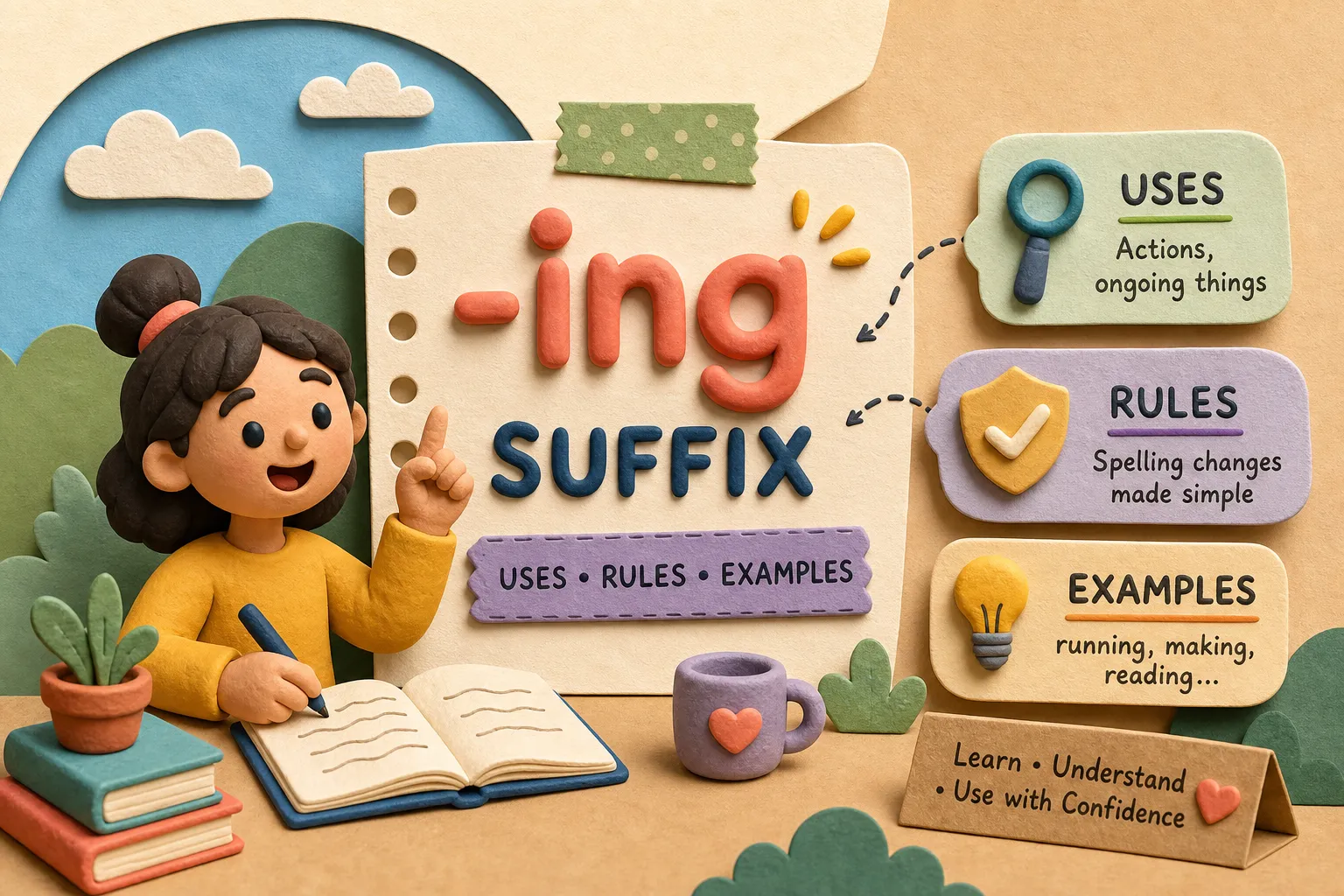
The -ing suffix turns verbs into nouns, adjectives, and more. Learn its three functions, key spelling rules, and real American English examples. Start here.
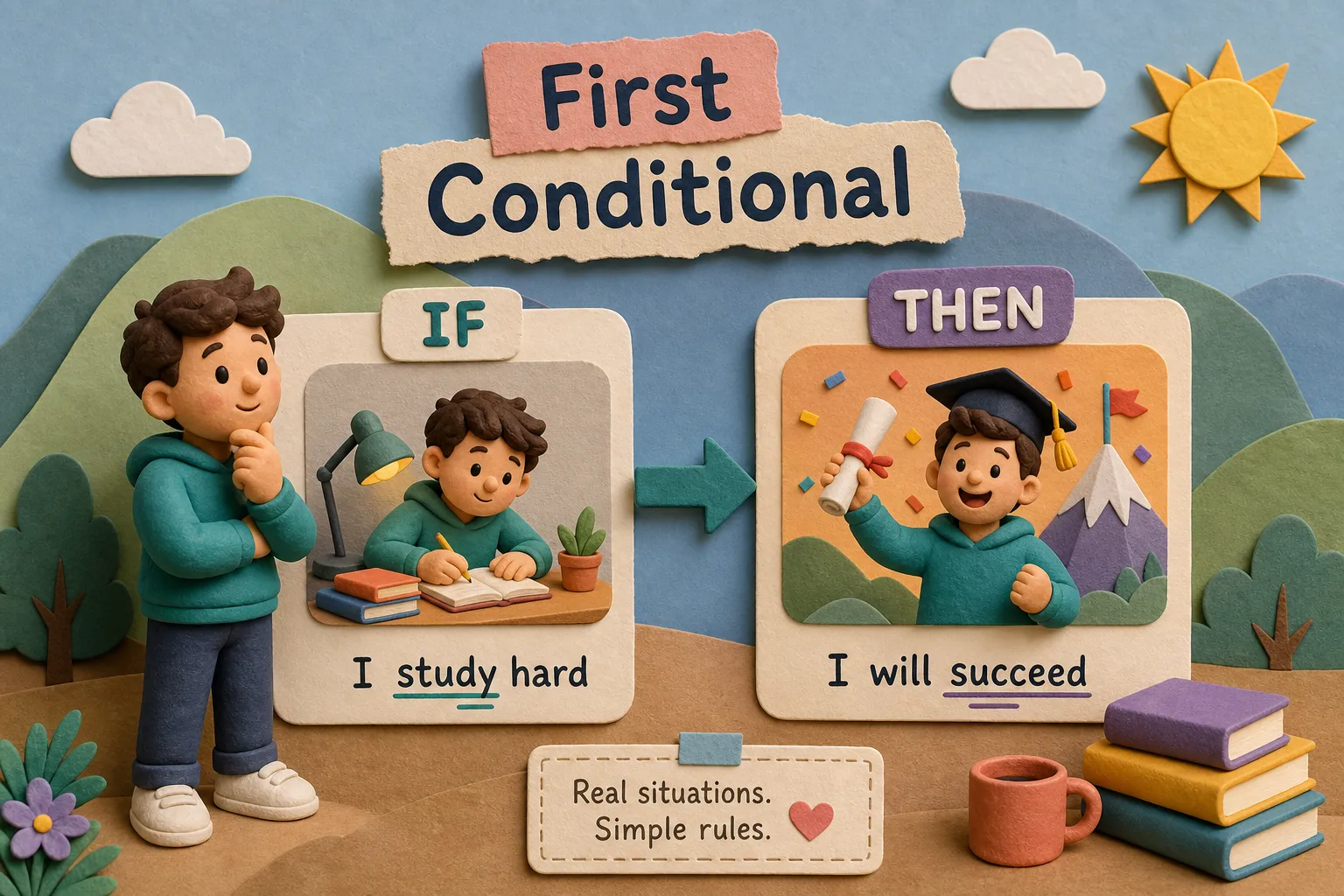
Learn the first conditional with simple rules, real American English examples, and quick practice exercises. Perfect for ESL learners at A2–B1.
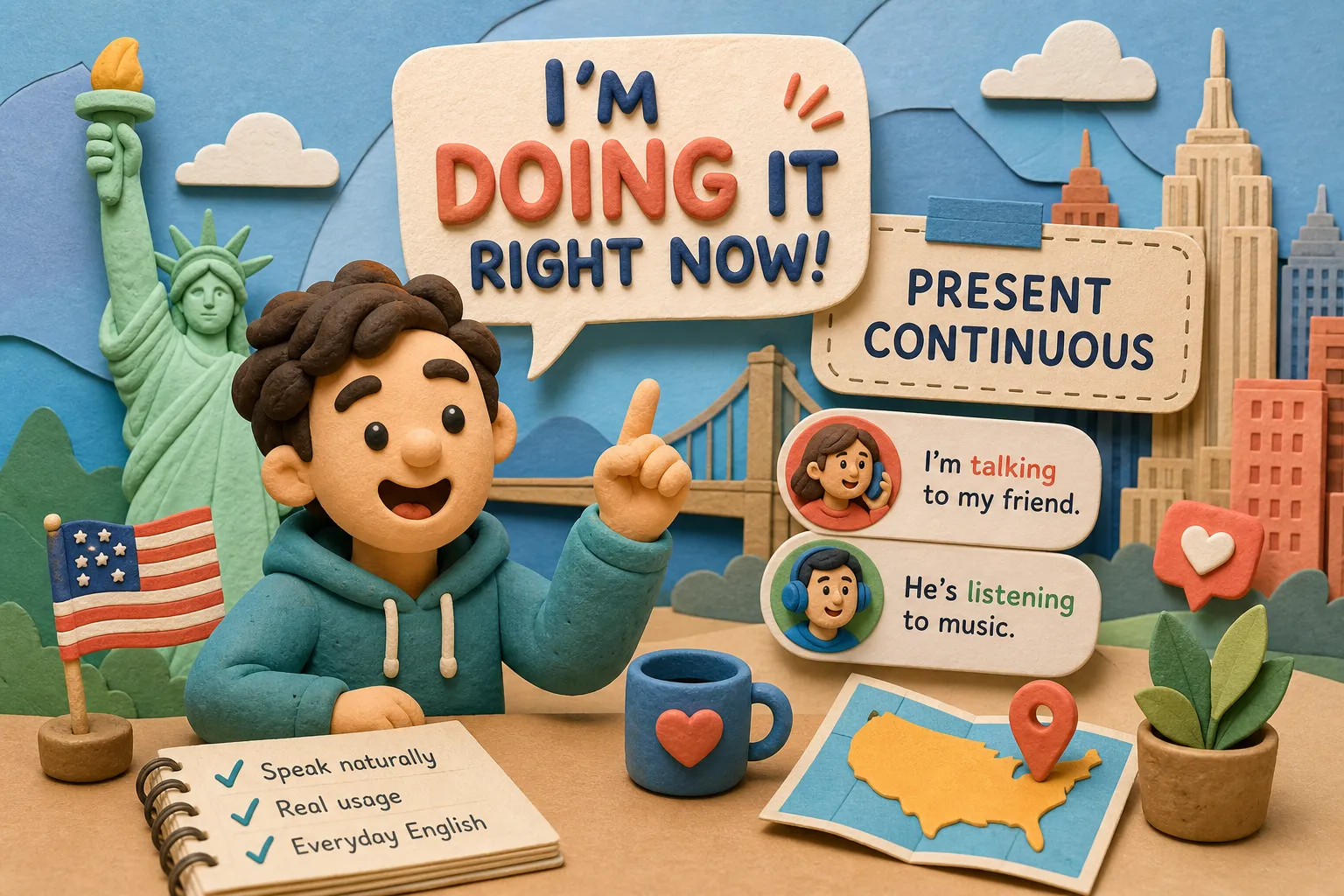
Learn how native Americans use the present continuous for actions, plans, and temporary situations. Real examples, clear rules, and practice included.
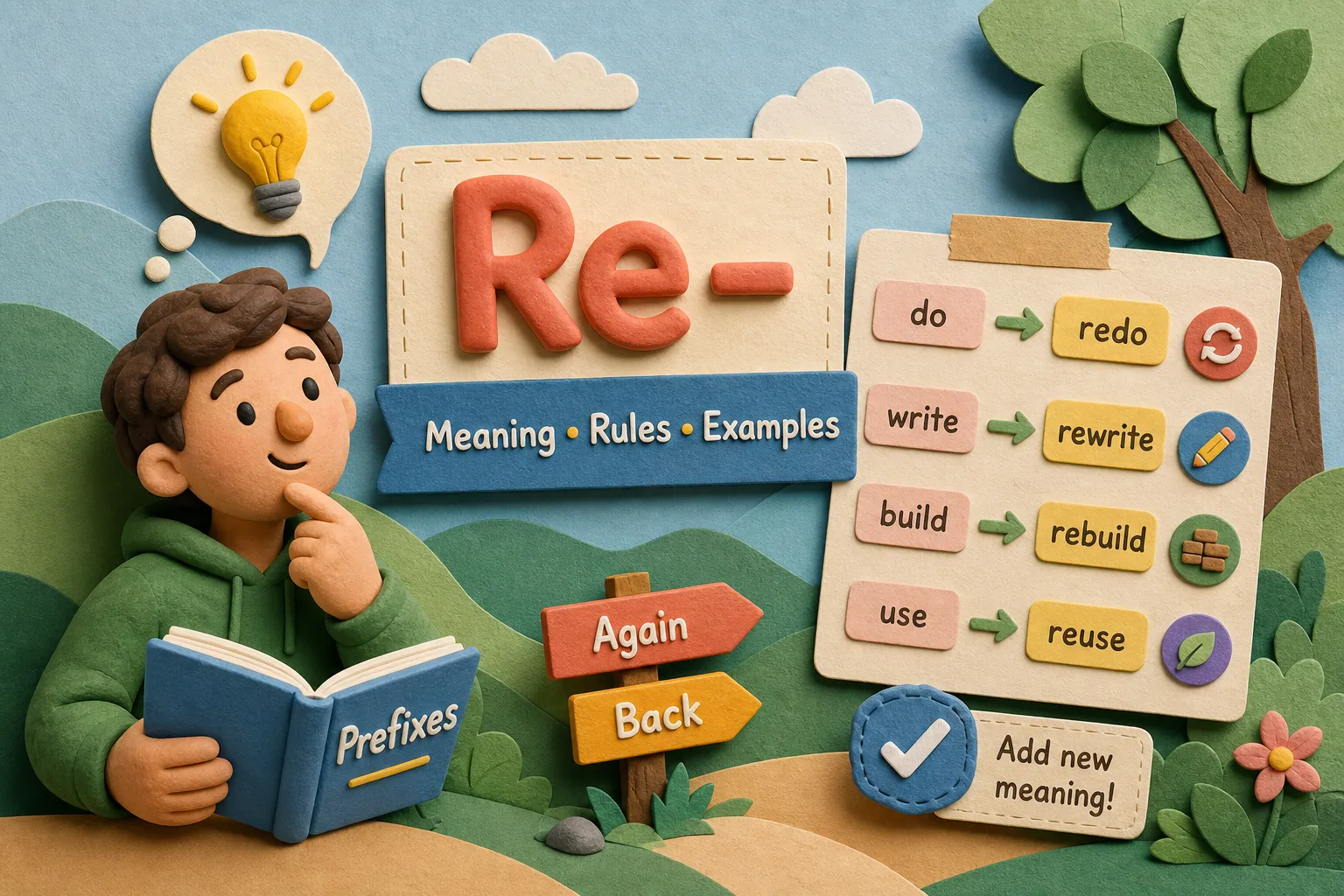
Learn what the re- prefix means, how to spell re- words correctly, and see real examples in American English. Build vocabulary faster — start today.
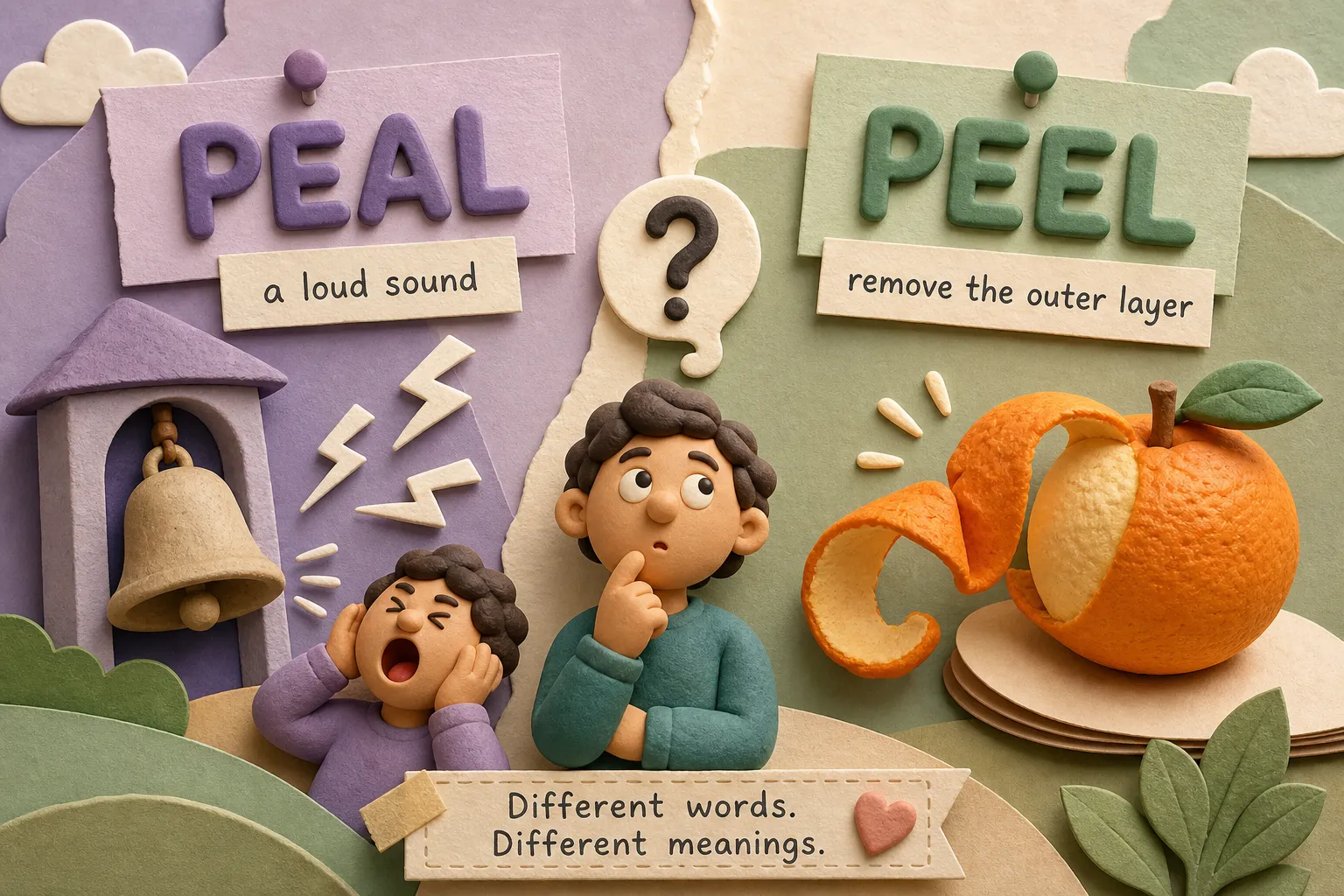
Confused about peal vs. peel? Learn the definitions, see clear example sentences, and get simple memory tricks to use each word correctly every time.
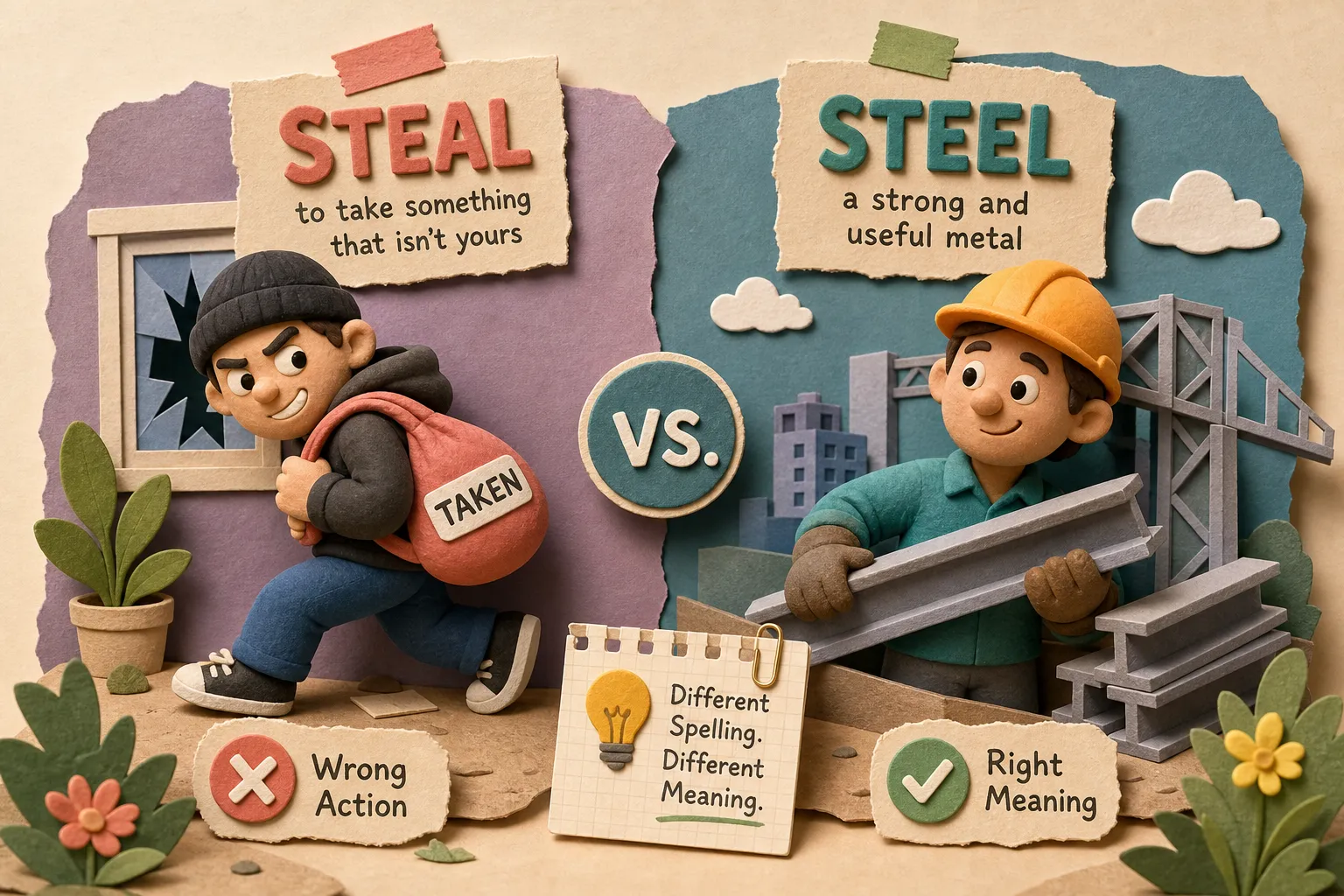
Steal vs. steel sound the same but mean different things. Learn each word’s meaning, pronunciation, and easy memory tricks to always write the right one.
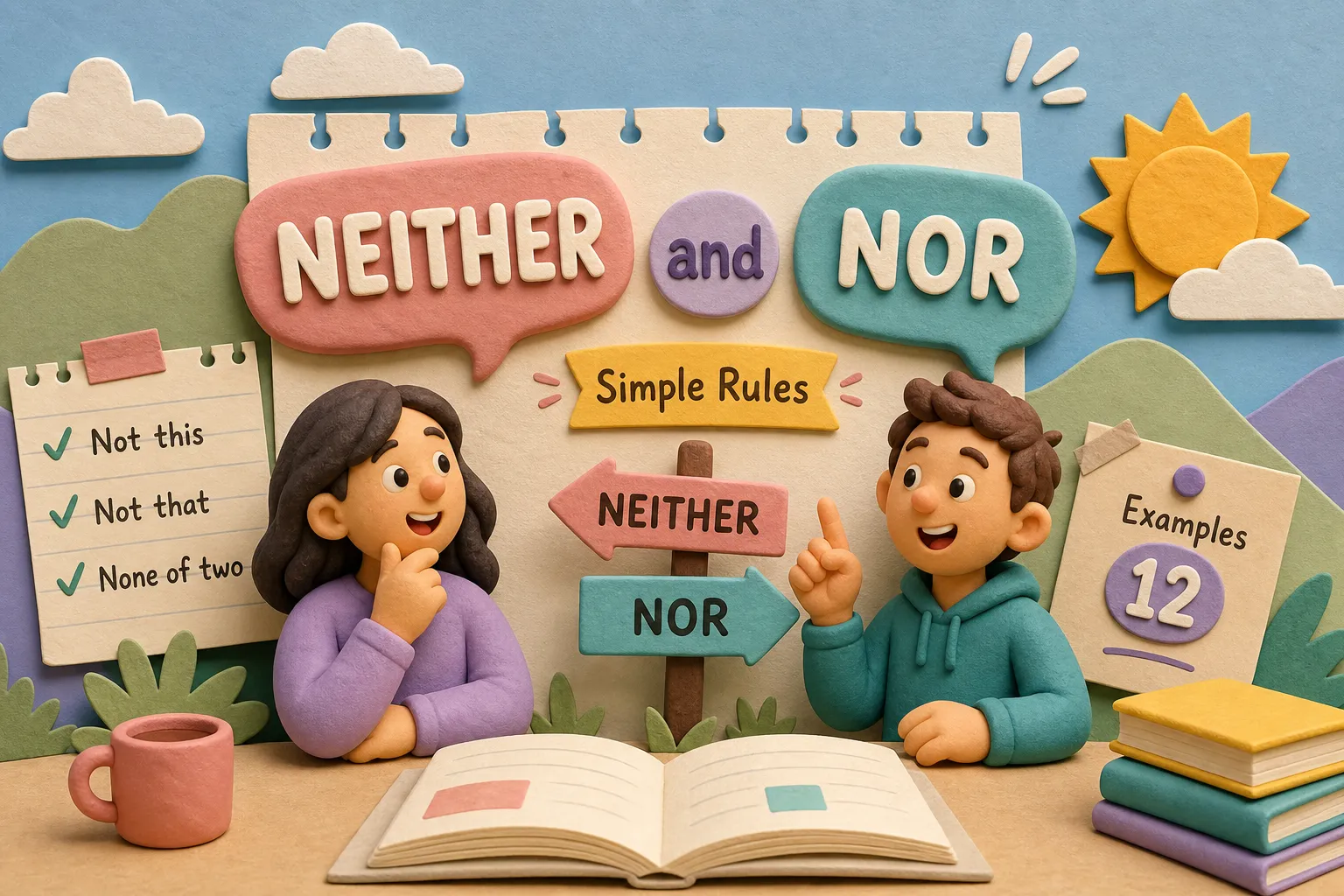
Learn how to use neither and nor correctly with 12 clear examples, subject-verb tips, and fixes for the most common ESL mistakes. Start using it confidently today.

Learn when to use can vs. could in American English. Master ability, requests, and politeness with real examples from work, interviews, and daily life.
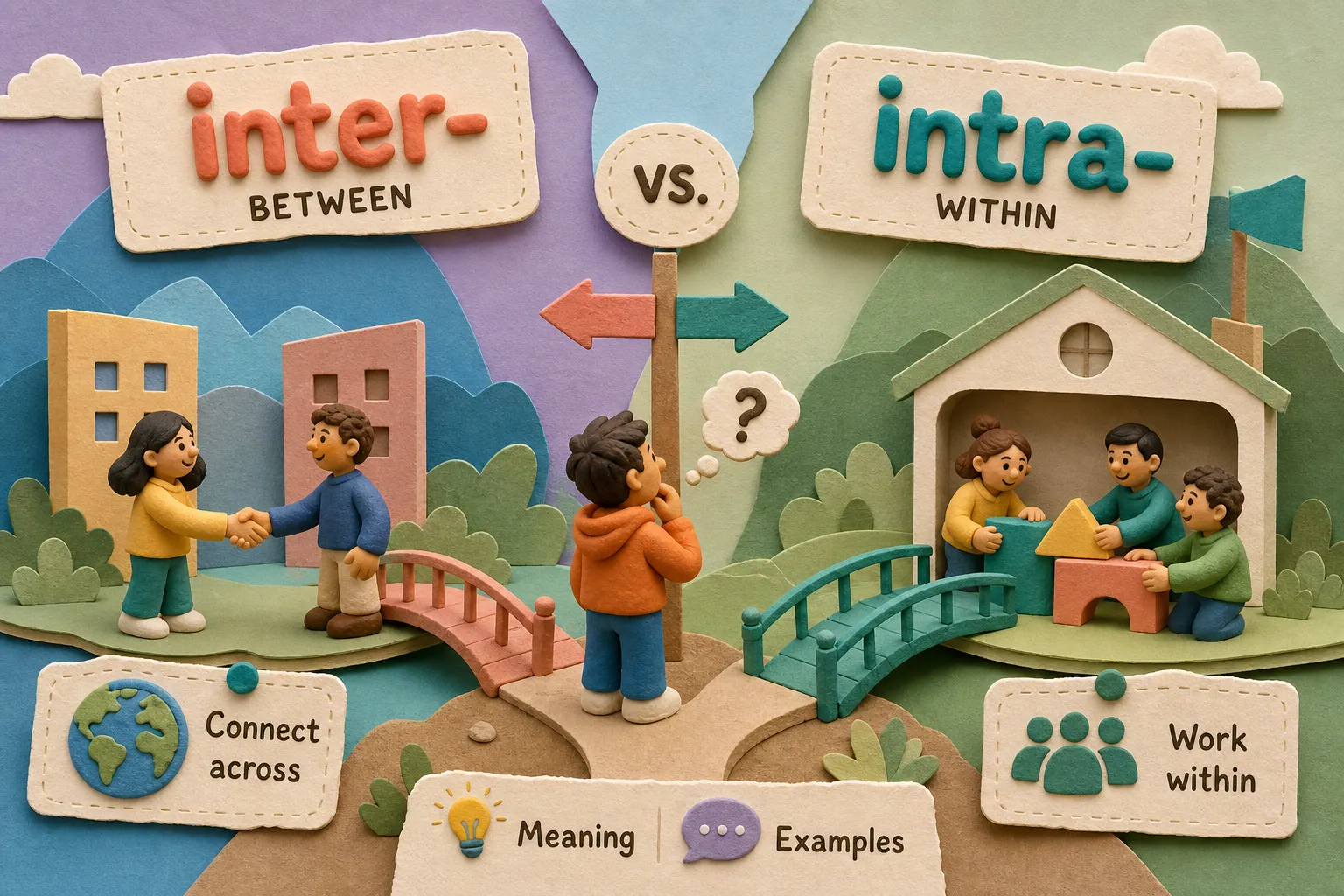
Learn what the inter- prefix means, see 30+ real examples from work and daily life, and never confuse inter- with intra- again. Start building smarter vocabulary.