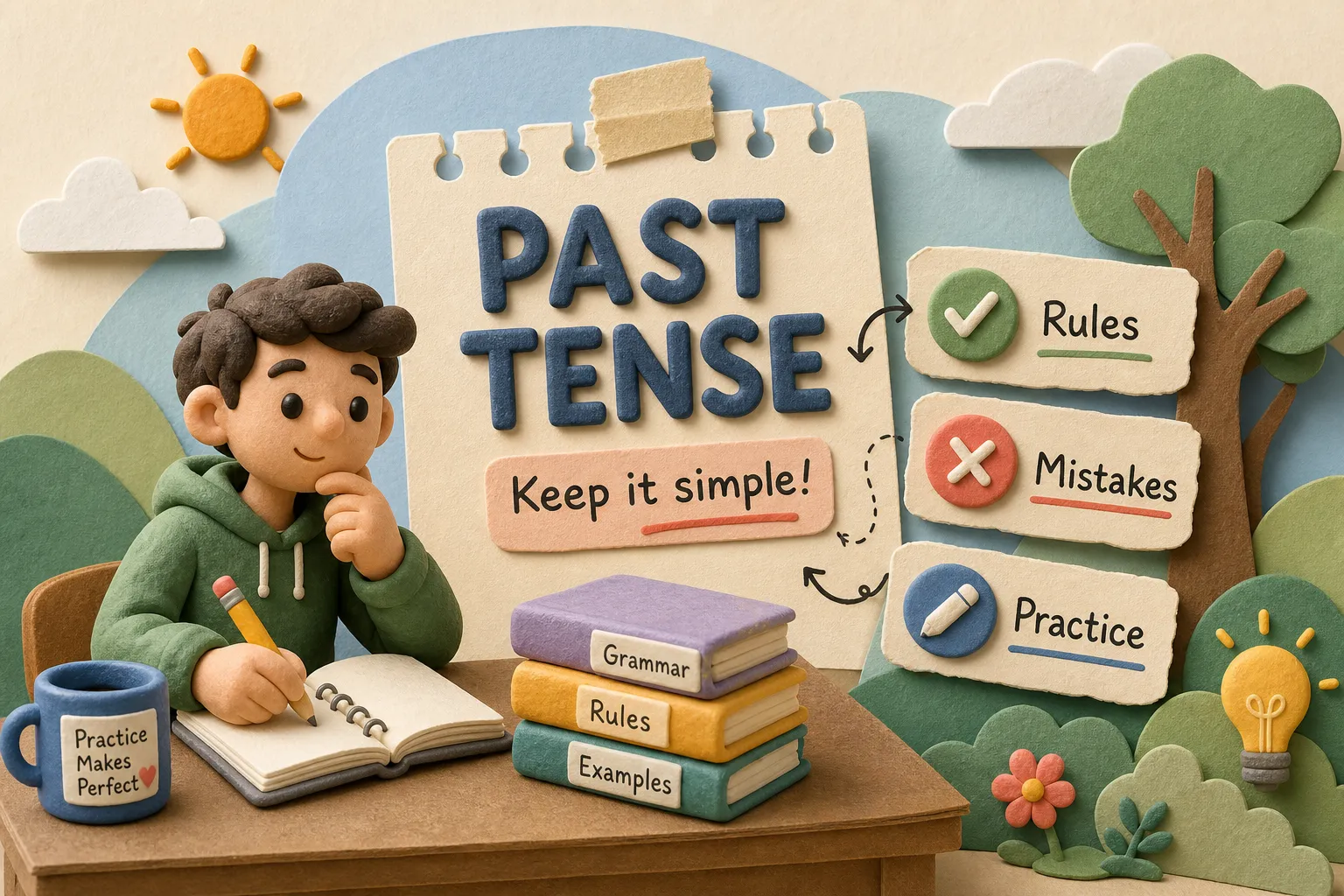
Past Tense Made Simple: Rules, Mistakes, and Practice
Learn the simple past tense with clear rules, real American examples, and quick practice. Master regular and irregular verbs and fix your most common errors.
American English lessons by category — everyday phrases, professional English, pronunciation, and grammar. Free and practical for ESL learners.
Learn the simple past tense with clear rules, real American examples, and quick practice. Master regular and irregular verbs and fix your most common errors.
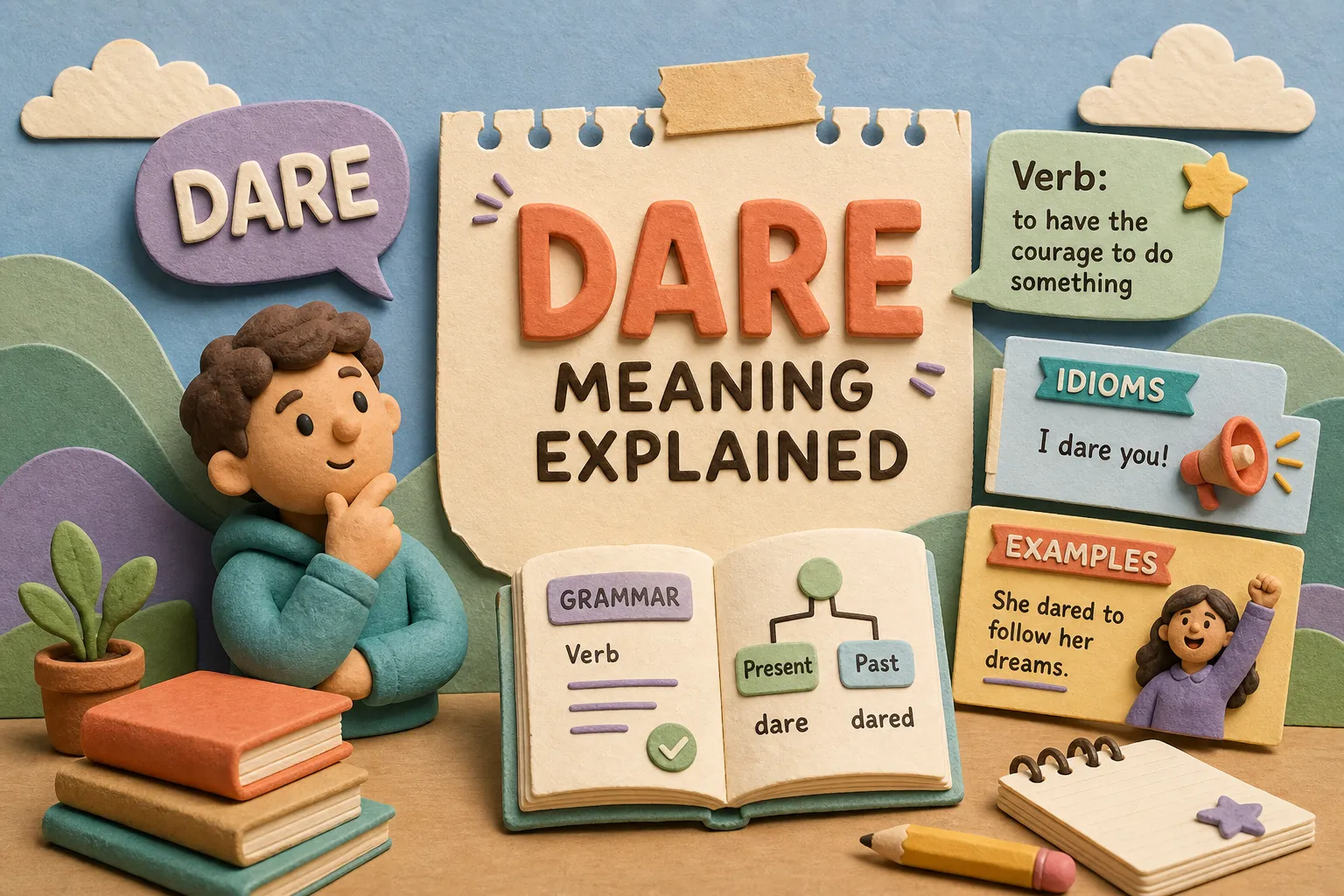
Learn the dare meaning in American English: verb, noun, grammar patterns, key idioms like “how dare you,” and real examples. Start using it correctly today.
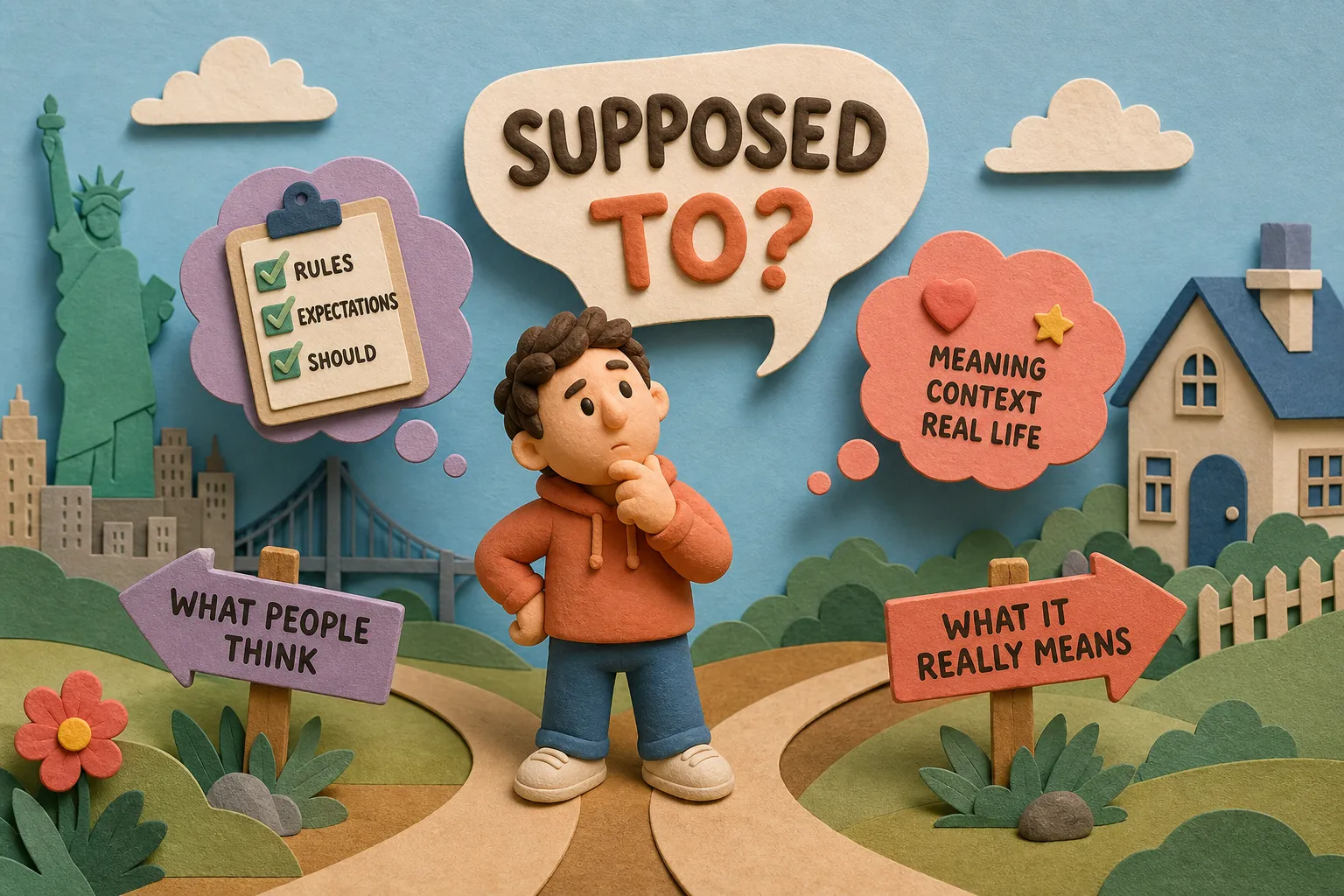
“Supposed to” signals obligation, expectation, or a broken rule. Learn correct usage, tense forms, pronunciation, and real examples from American daily life.

Confused by “saw” vs. “seen” or “look” vs. “see”? Learn the grammar rules, common mistakes, and the meaning of “look-see” with real American examples.
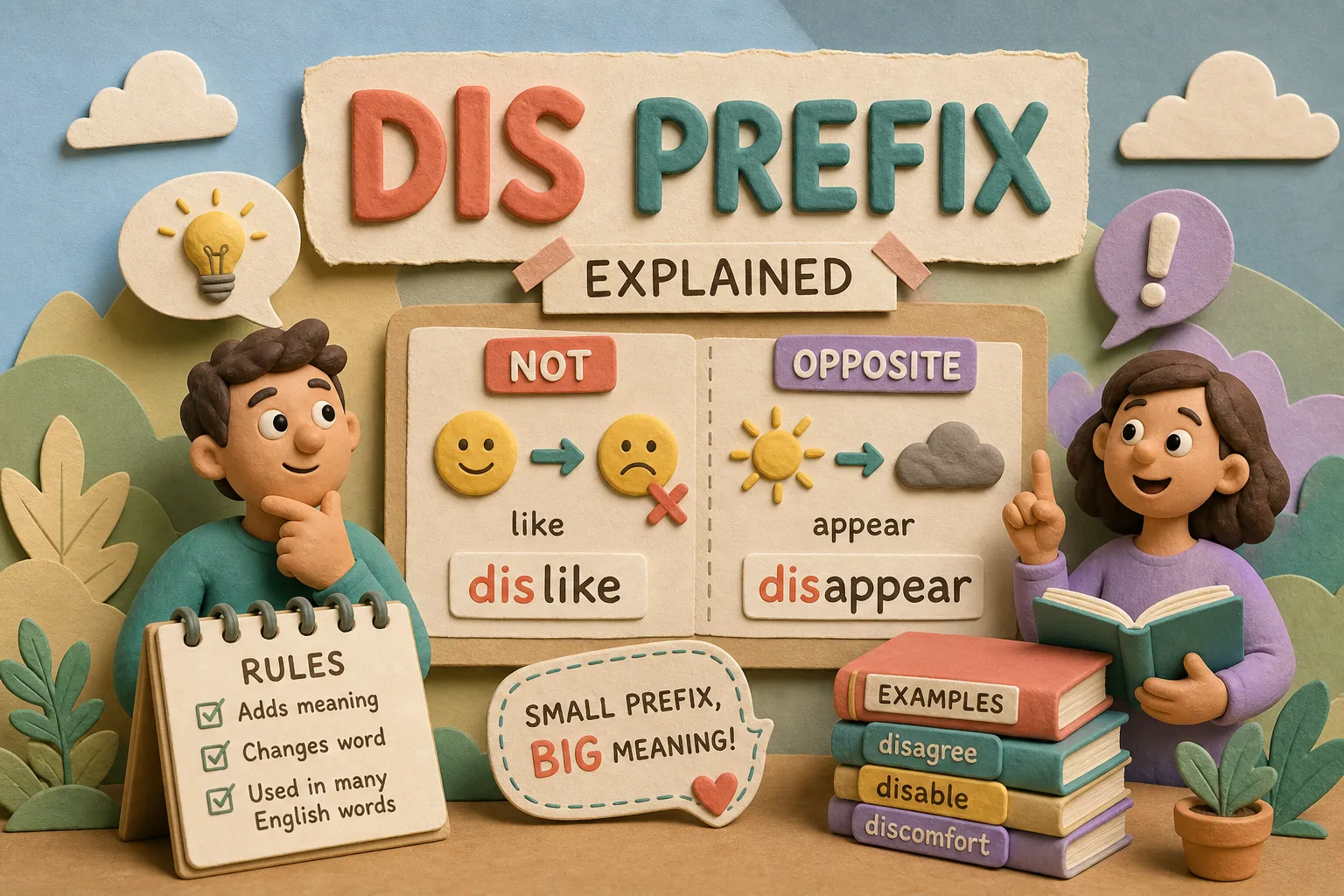
The dis prefix means “not,” “opposite,” or “undo.” Learn its spelling rules, see common daily examples, and build your English vocabulary faster. Start here.
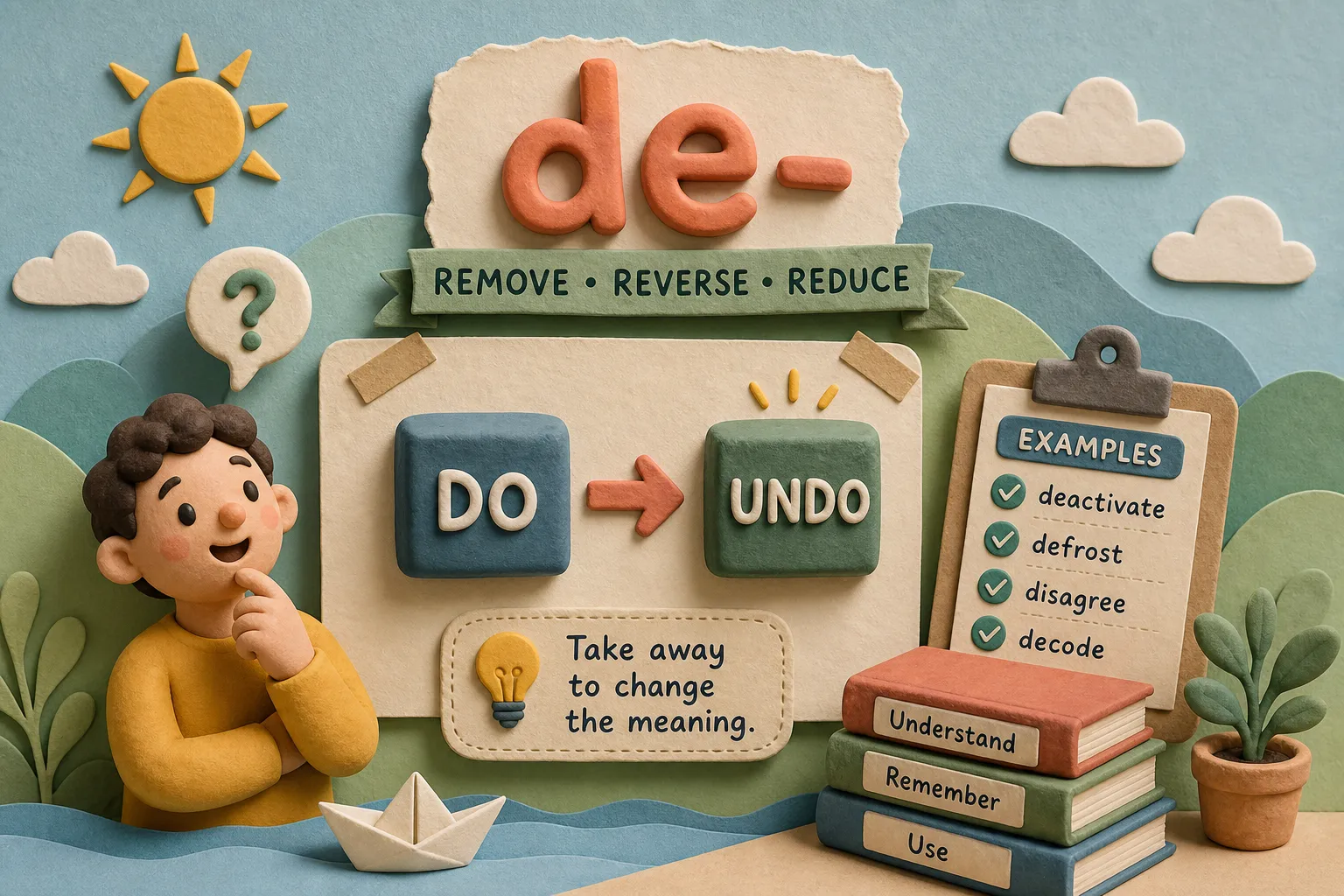
Learn what the de- prefix means, its Latin roots, and see real examples. Use prefix knowledge to expand your vocabulary faster. Start learning today.
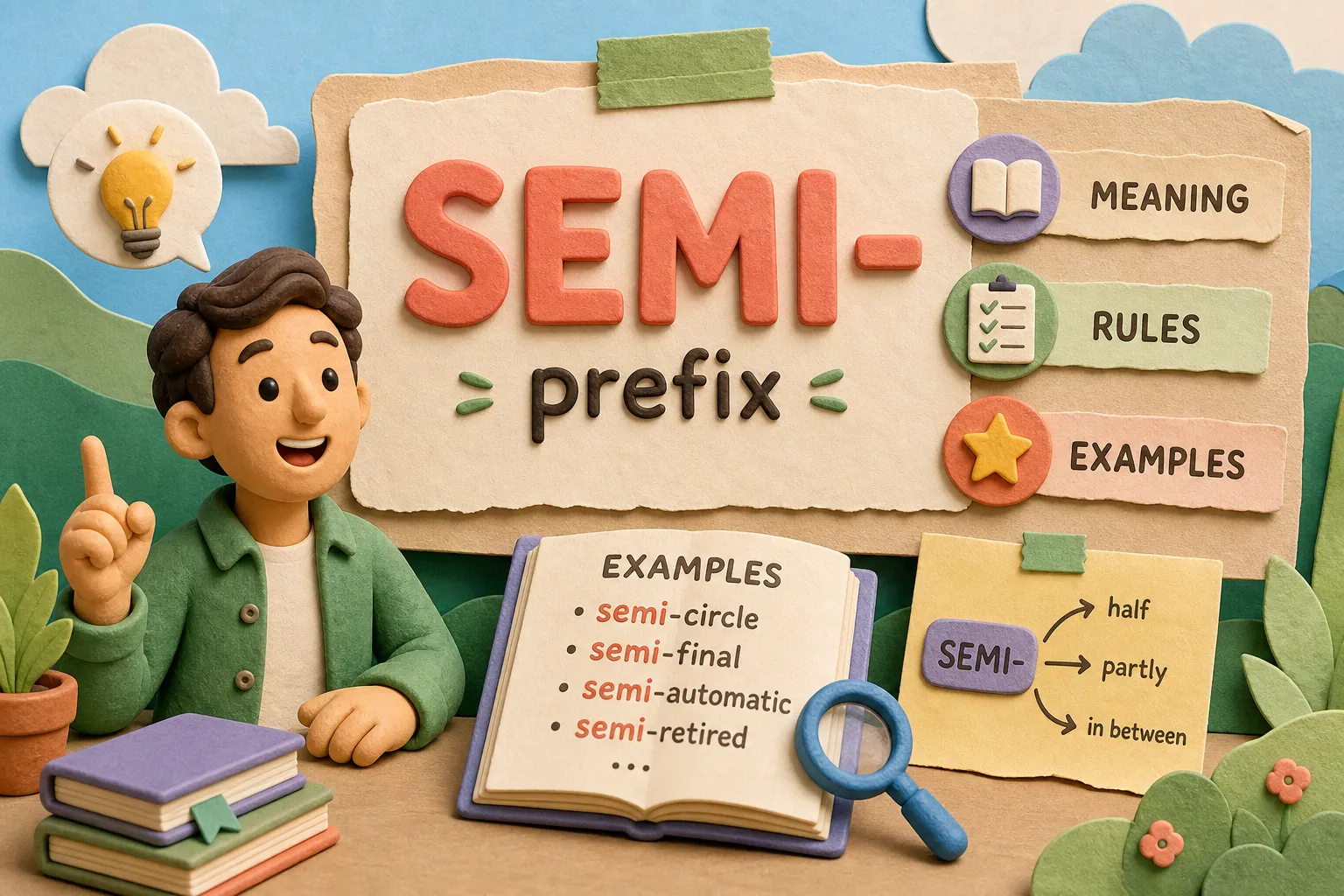
The semi- prefix means half or partly. See 20+ real examples from sports, work, and daily life, plus hyphenation rules and how it differs from hemi- and demi-.
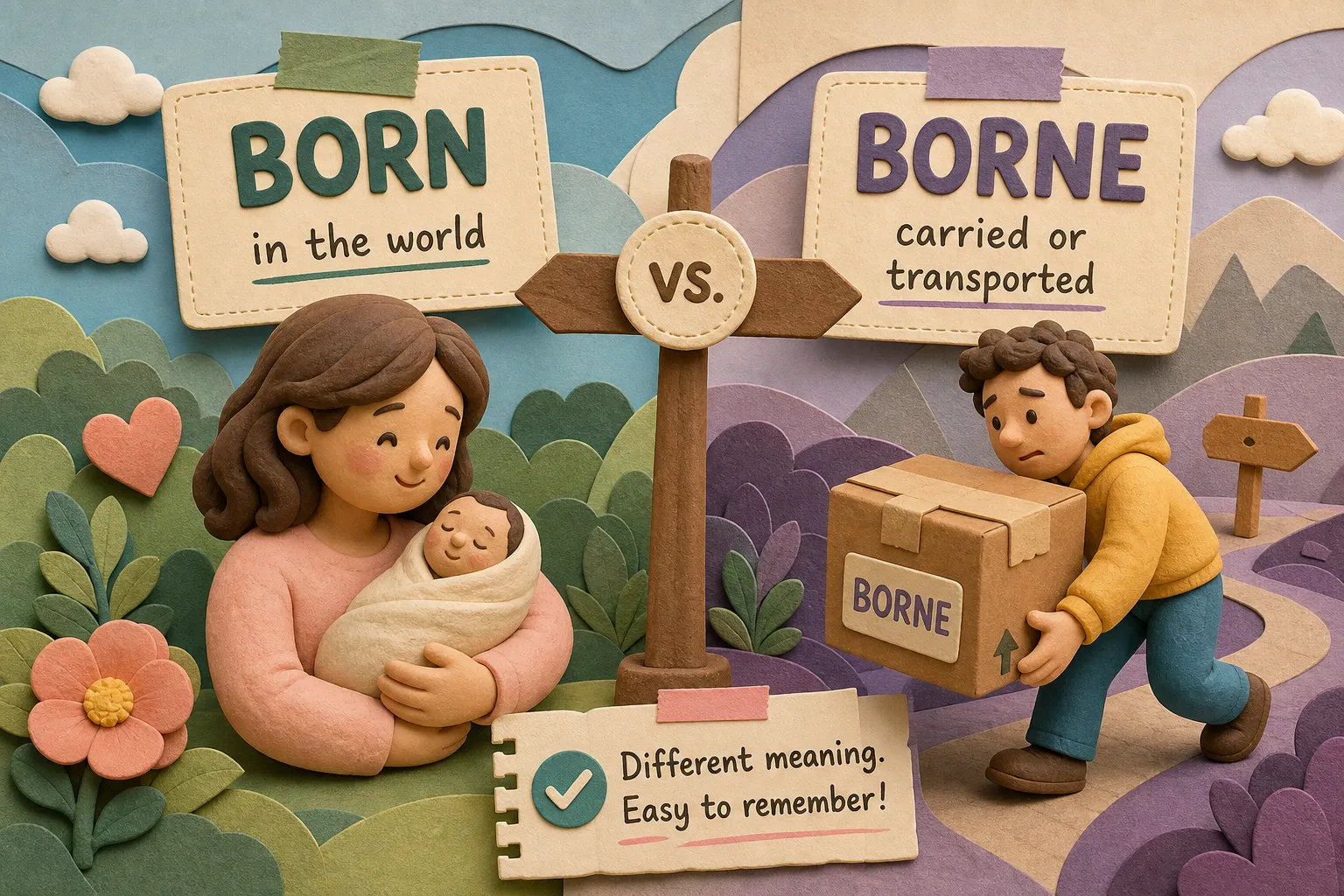
Learn when to use borne vs born with a simple one-line rule, the mother exception, compound words, and practice sentences. Get it right every time.
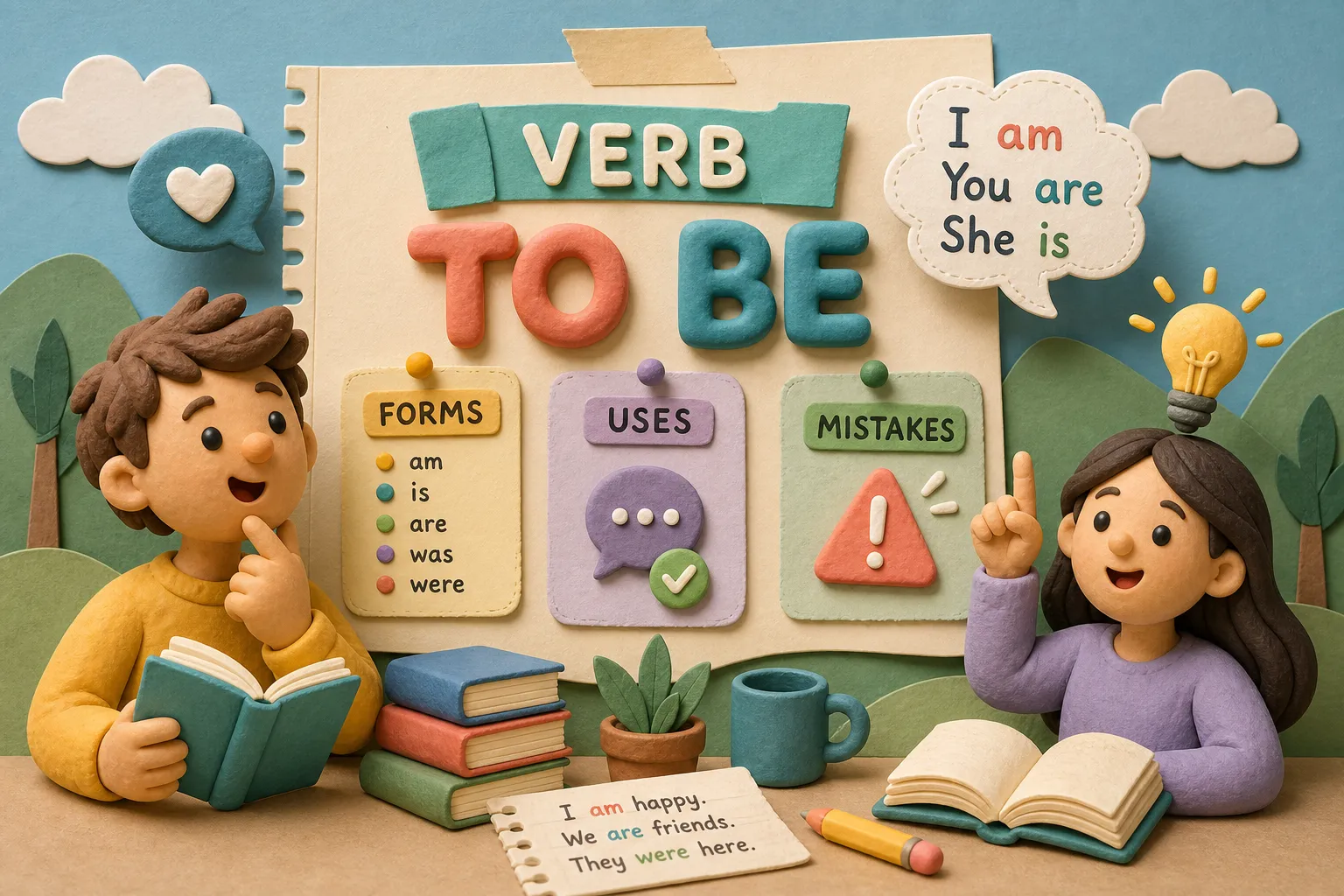
Master the verb “to be” with clear conjugation tables, real American English examples, and common mistake fixes. Start using am, is, are confidently today.
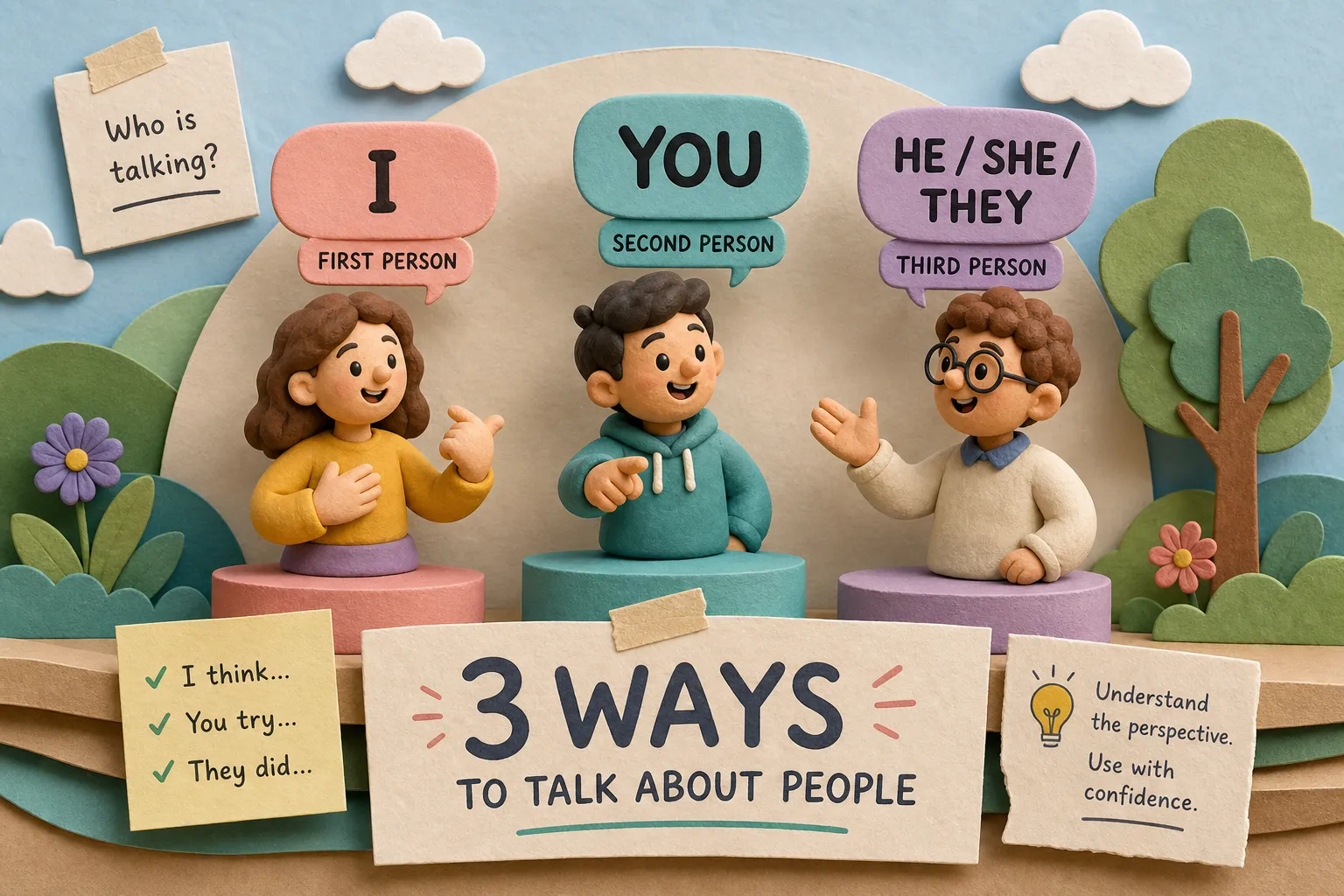
Learn first, second, and third person in English with clear examples from American speech, emails, and storytelling. Build real grammar skills at Your Daily American.
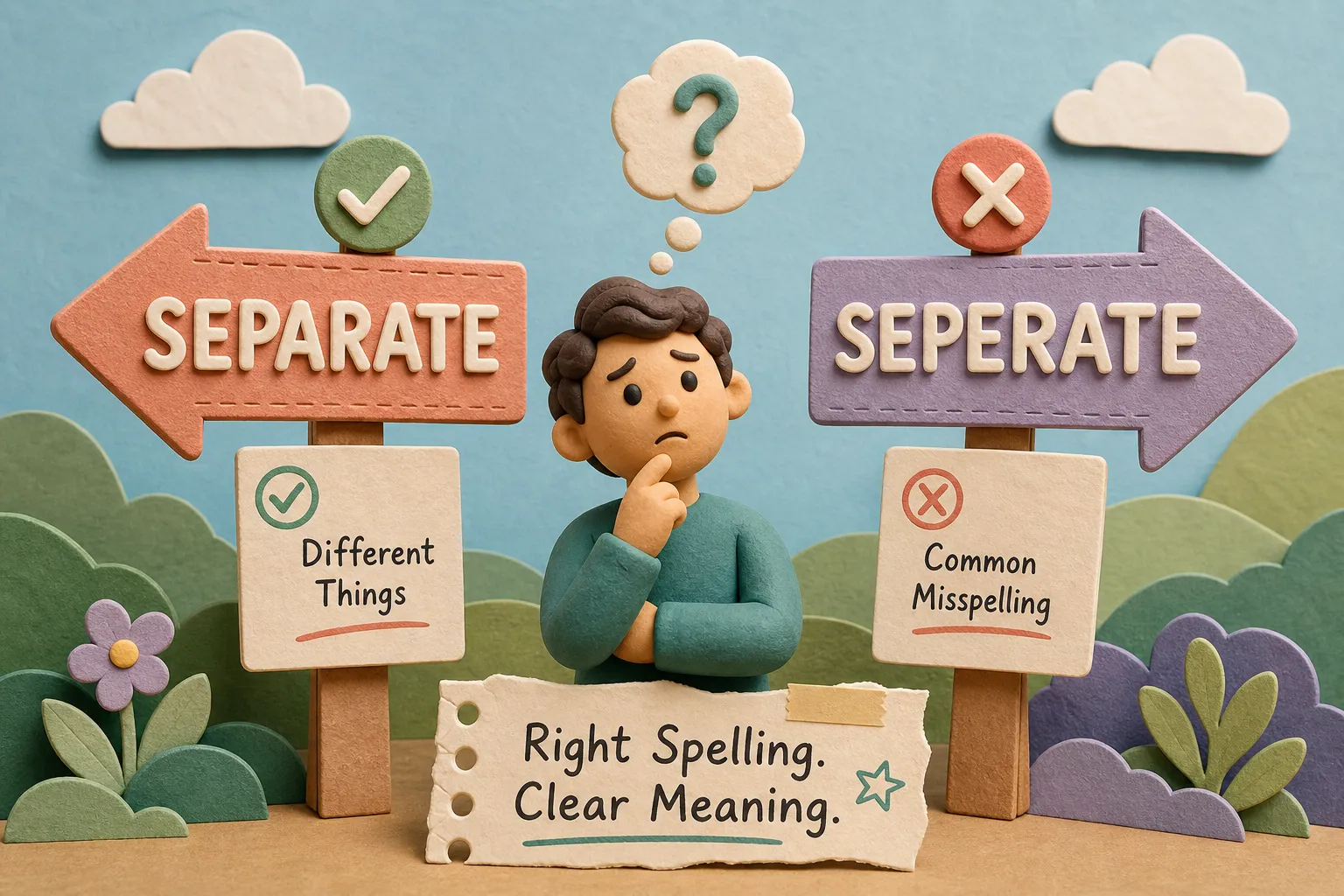
Separate or seperate? Learn the correct spelling, why the mistake happens, and three mnemonics. Stop misspelling this word in professional writing.
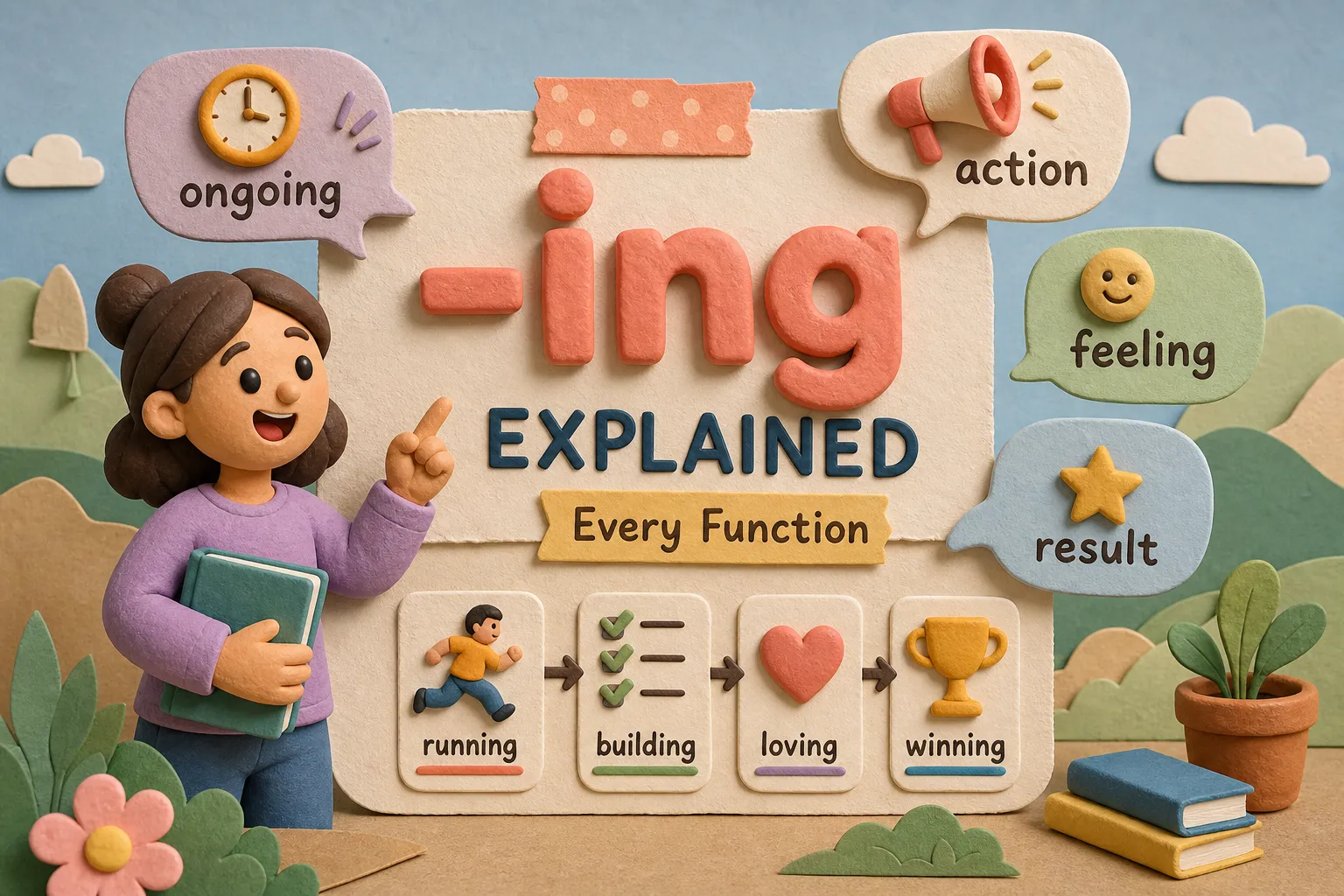
Ing words can be gerunds, participles, adjectives, or verbs. Learn how each works with American English examples, spelling rules, and a categorized word list.

Learn the might vs. may difference for possibility, permission, and past tense. Clear examples show how American speakers use both in real conversations.
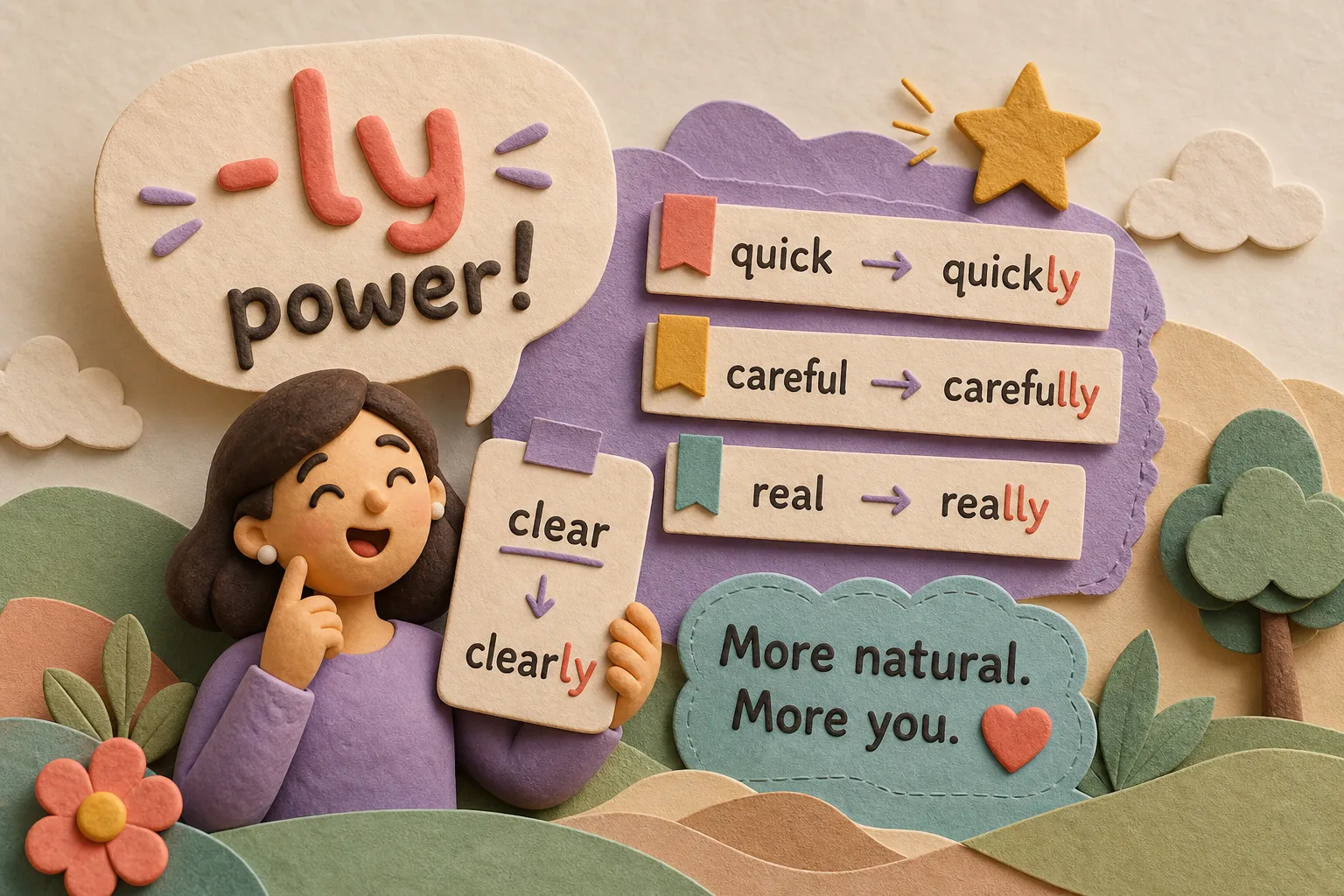
The -ly suffix turns adjectives into adverbs. Learn the spelling rules, common exceptions, and real examples from conversation and email writing.
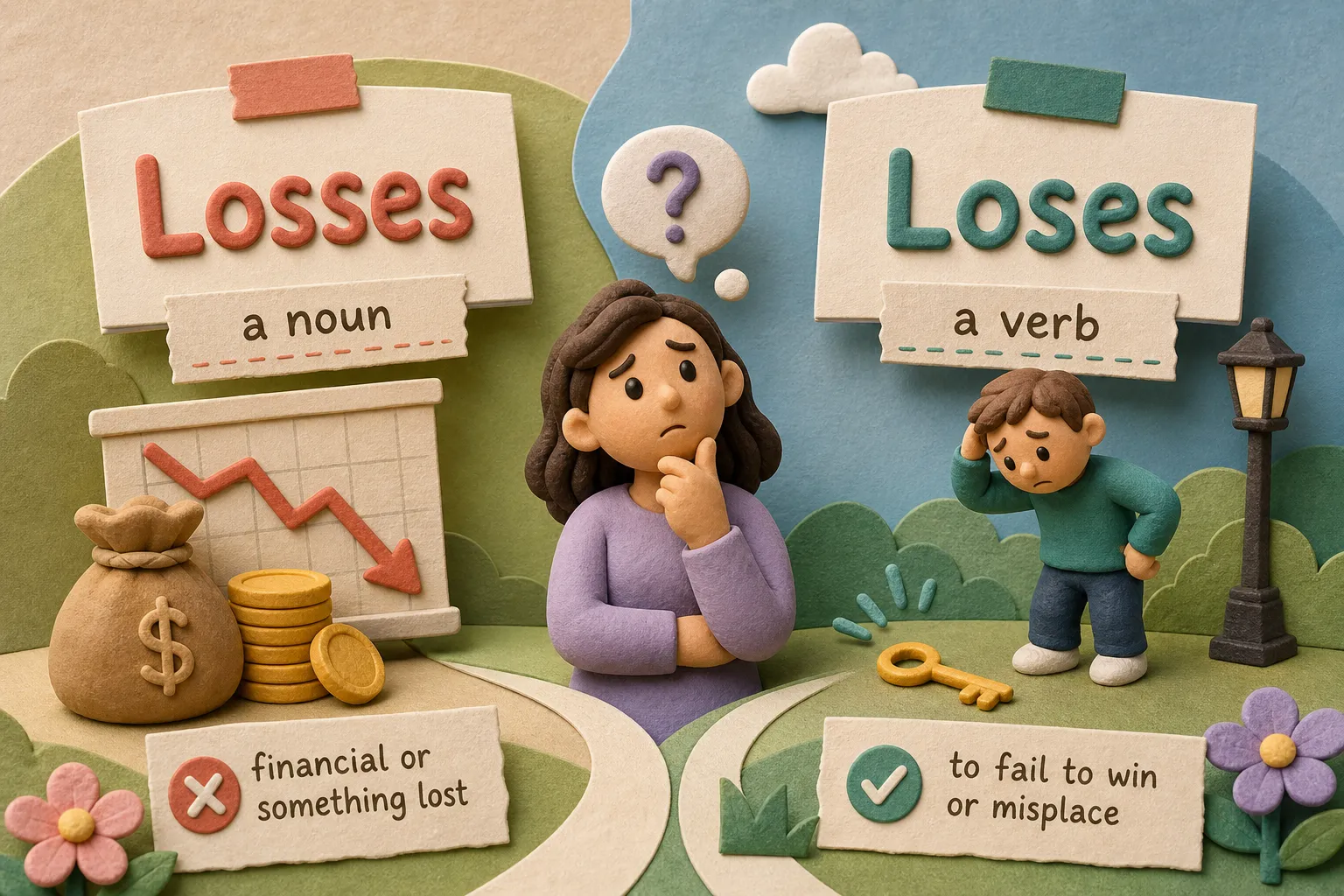
Confused by losses vs. loses? Learn the verb/noun rule, see real workplace examples, and fix common ESL mistakes. Use both words correctly starting today.
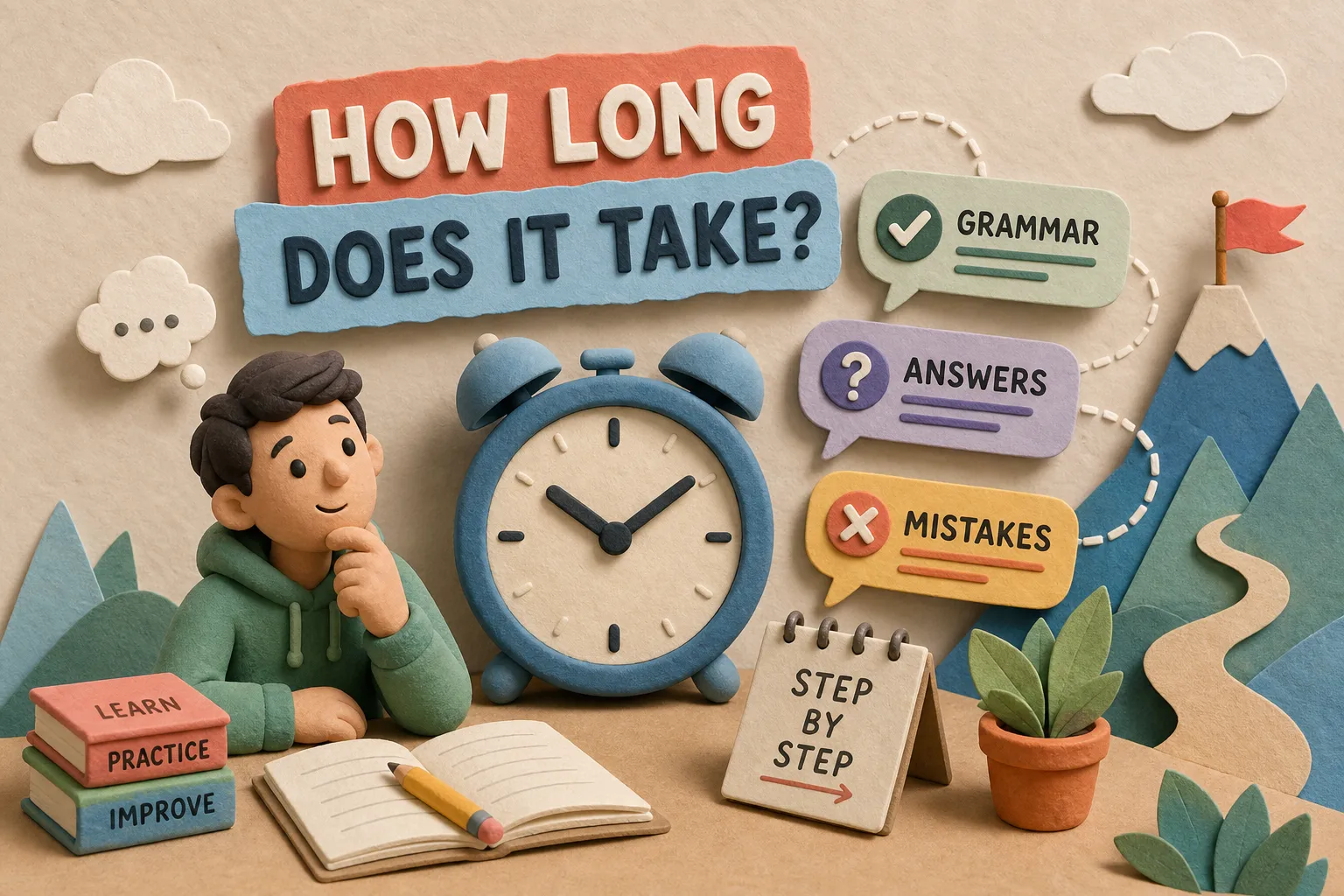
Learn how to use “how long does it take” in American English. See tense forms, natural answers, and common ESL mistakes to avoid. Start speaking more naturally.
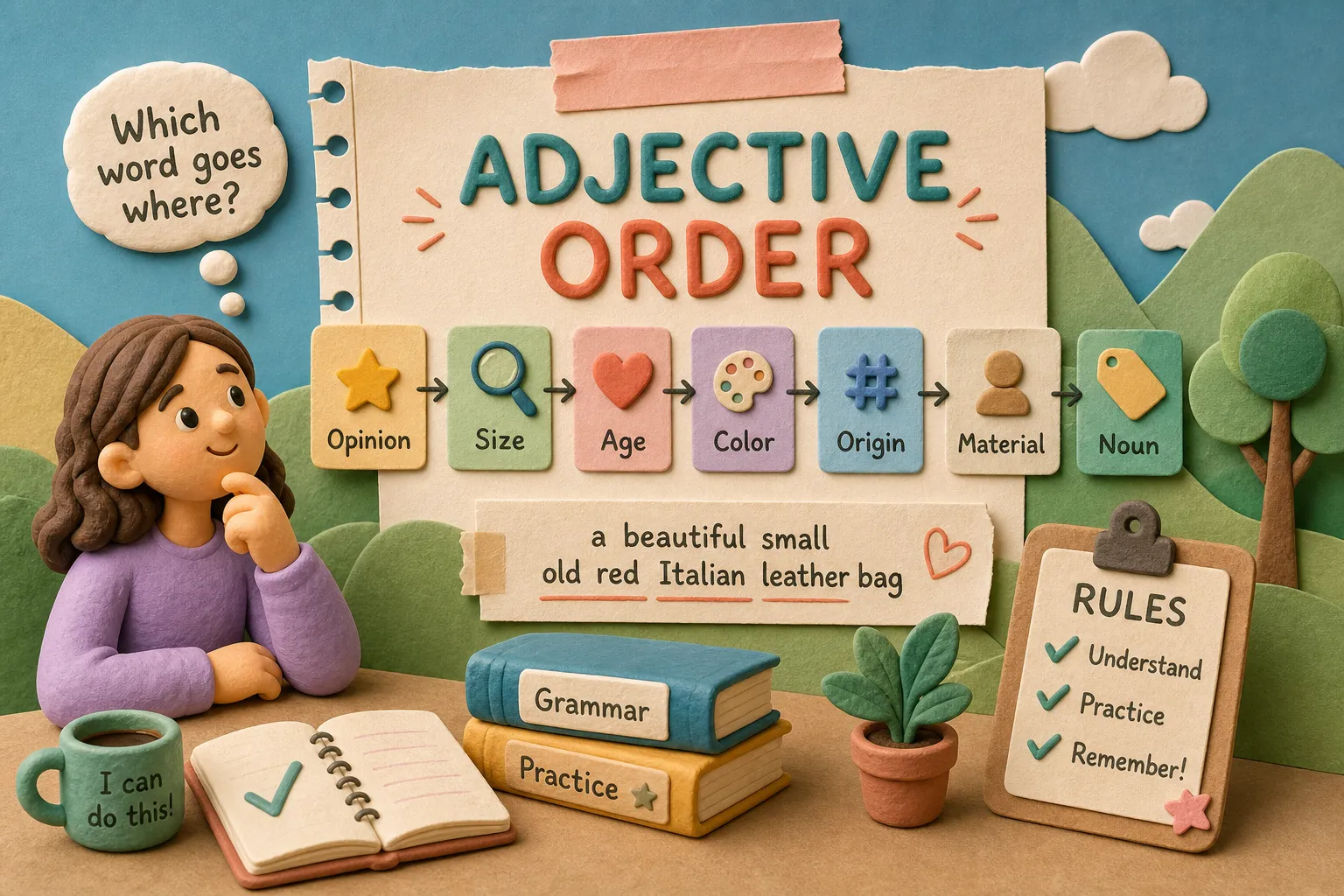
Learn the correct order of adjectives in English with the OSASCOMP system, comma rules, and real examples. Sound natural and confident. Explore more at Your Daily American.
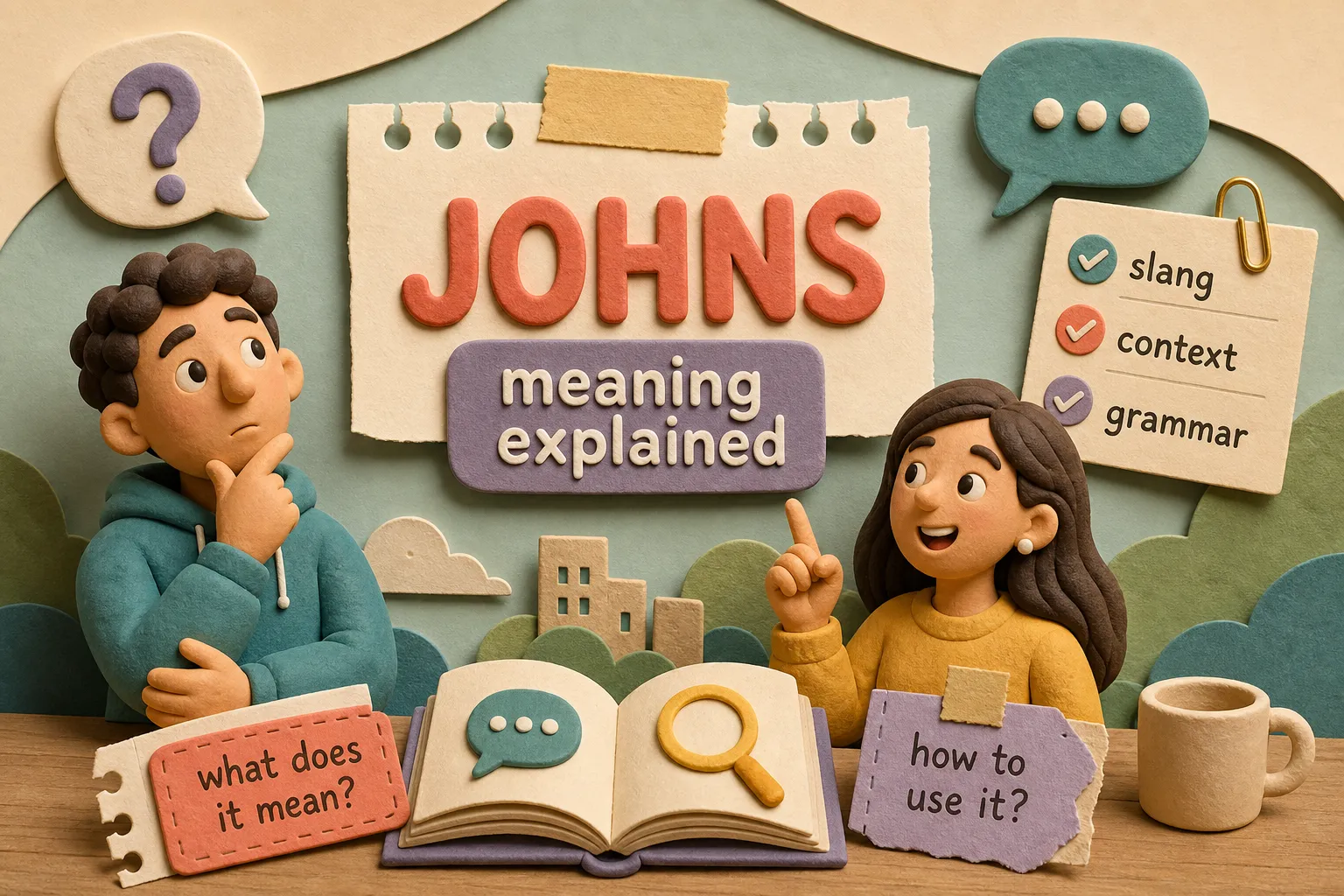
Wondering about johns meaning in American slang? This guide covers the toilet sense, the crime-context use, cultural notes, and Johns vs. John’s grammar. Read now.
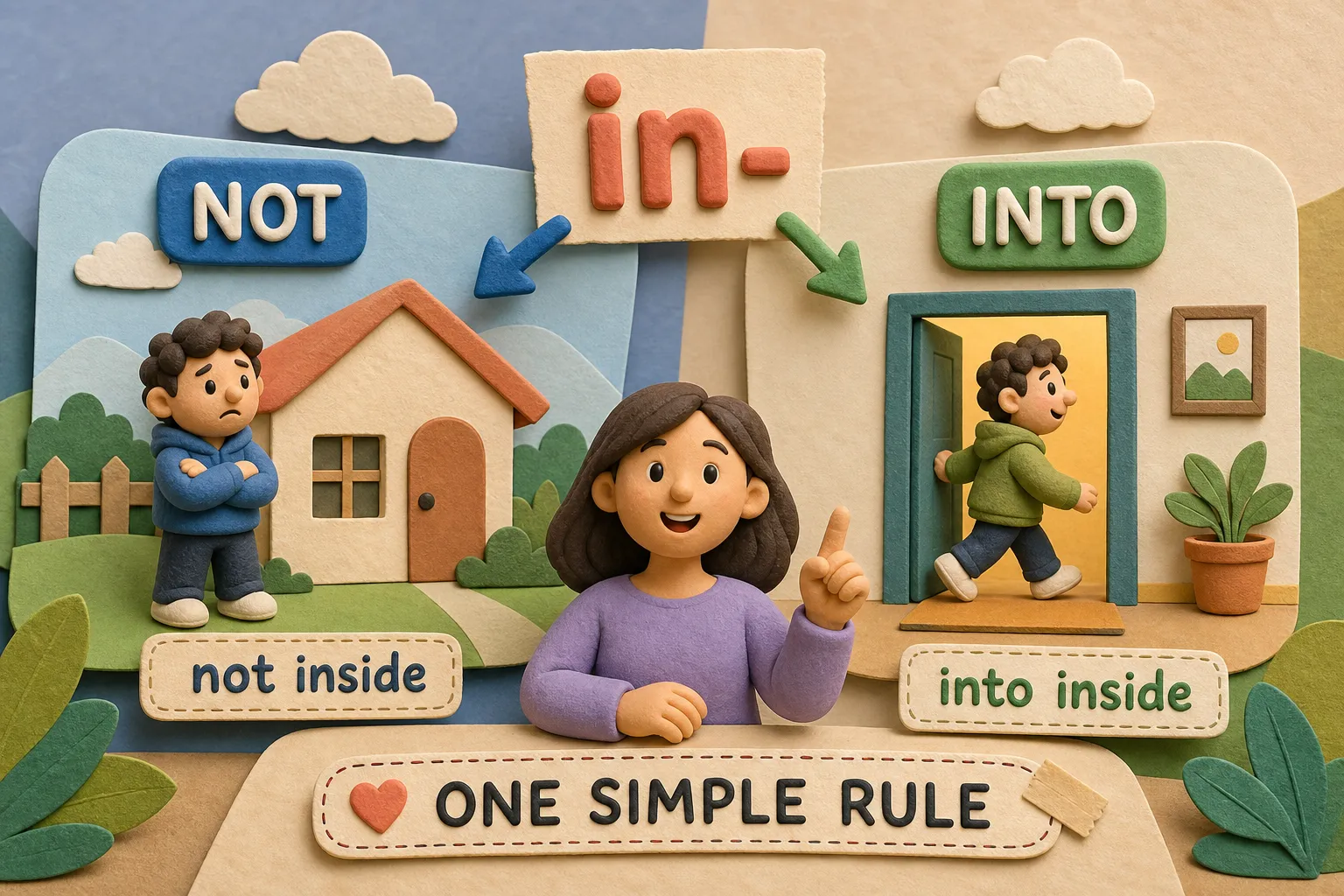
The in- prefix means “not” and “in/into” — learn to tell them apart, master im-, il-, ir- variants, and decode new words fast.
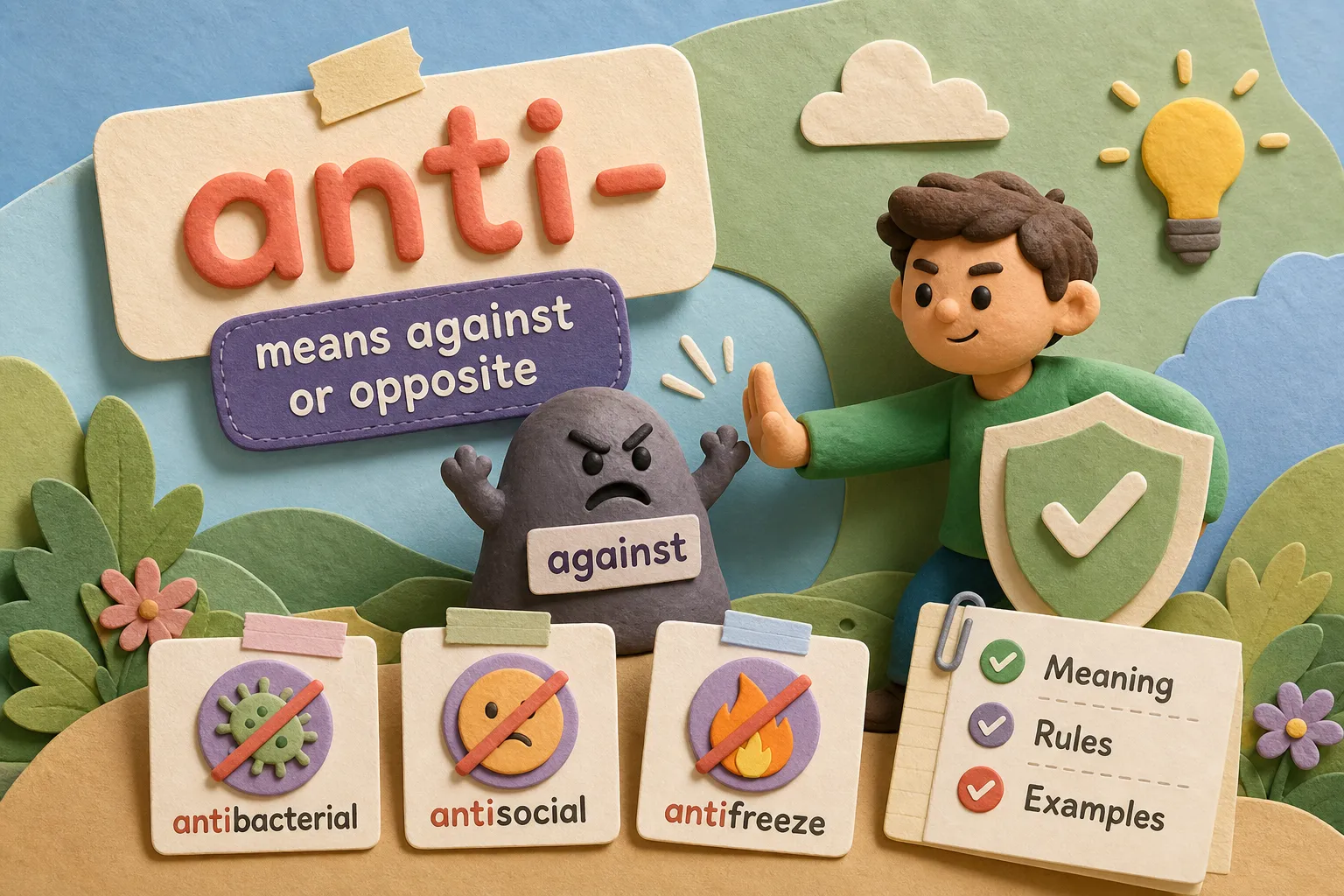
Learn what the anti- prefix means, where it comes from, and how to use it correctly. See real examples by category and start building your vocabulary today.
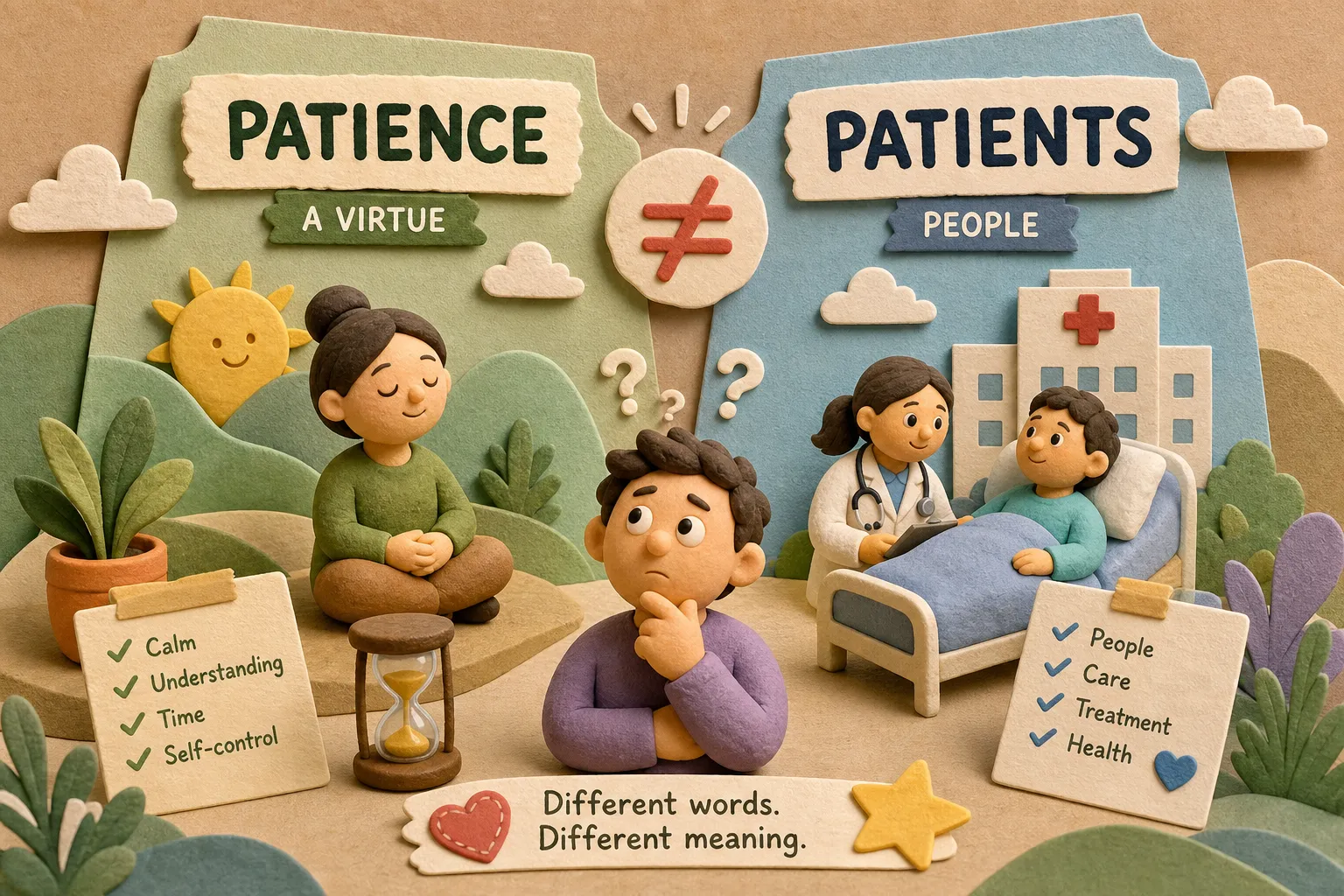
Patience vs. patients: same sound, totally different meaning. Learn the grammar rule, memory tricks, and real example sentences to always get it right.