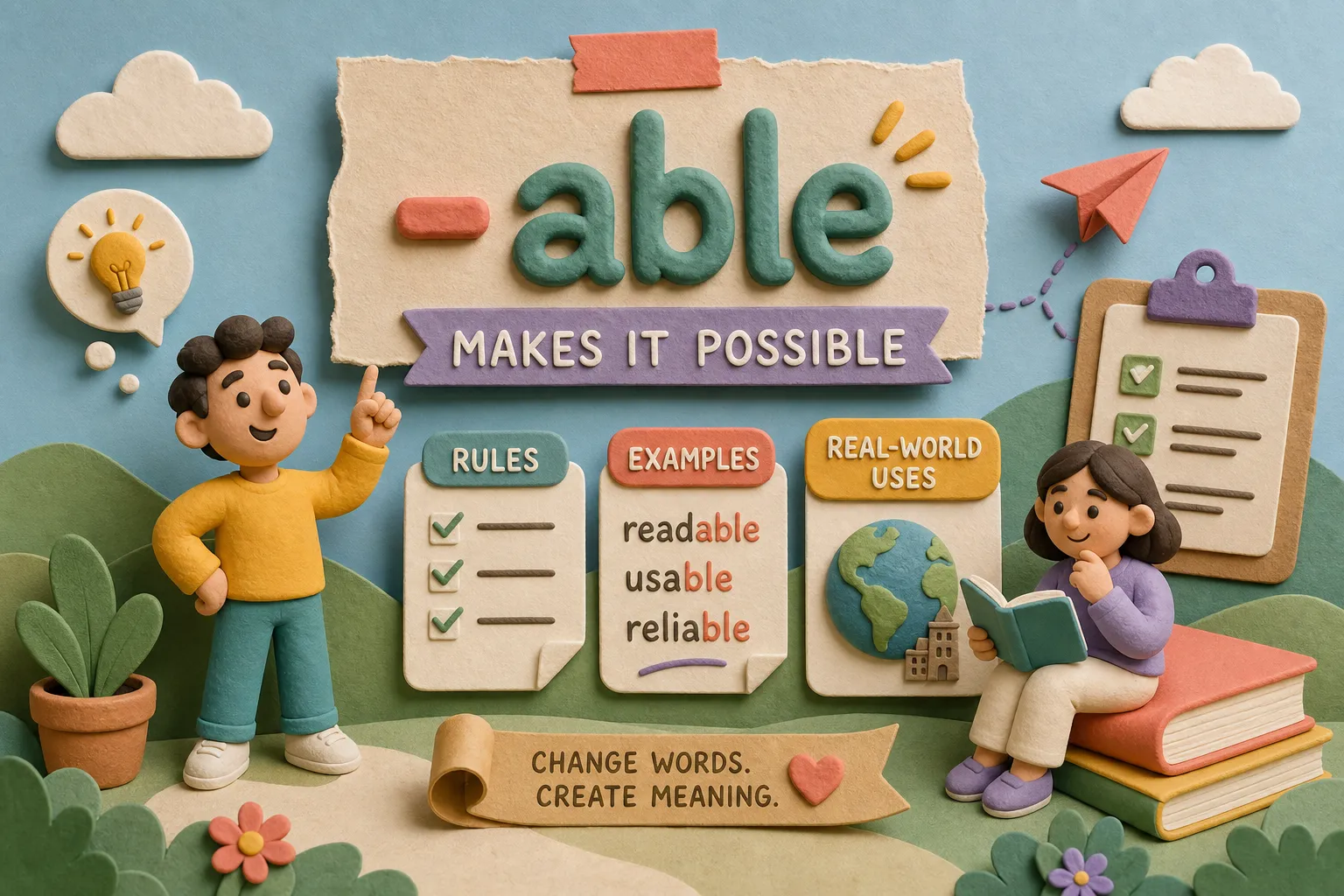
The -able Suffix: Rules, Examples, and Real-World Uses
Learn how the -able suffix works, when to use -able vs. -ible, and see real examples from emails and daily conversations. Build vocabulary fast with clear rules.
American English lessons by category — everyday phrases, professional English, pronunciation, and grammar. Free and practical for ESL learners.
Learn how the -able suffix works, when to use -able vs. -ible, and see real examples from emails and daily conversations. Build vocabulary fast with clear rules.
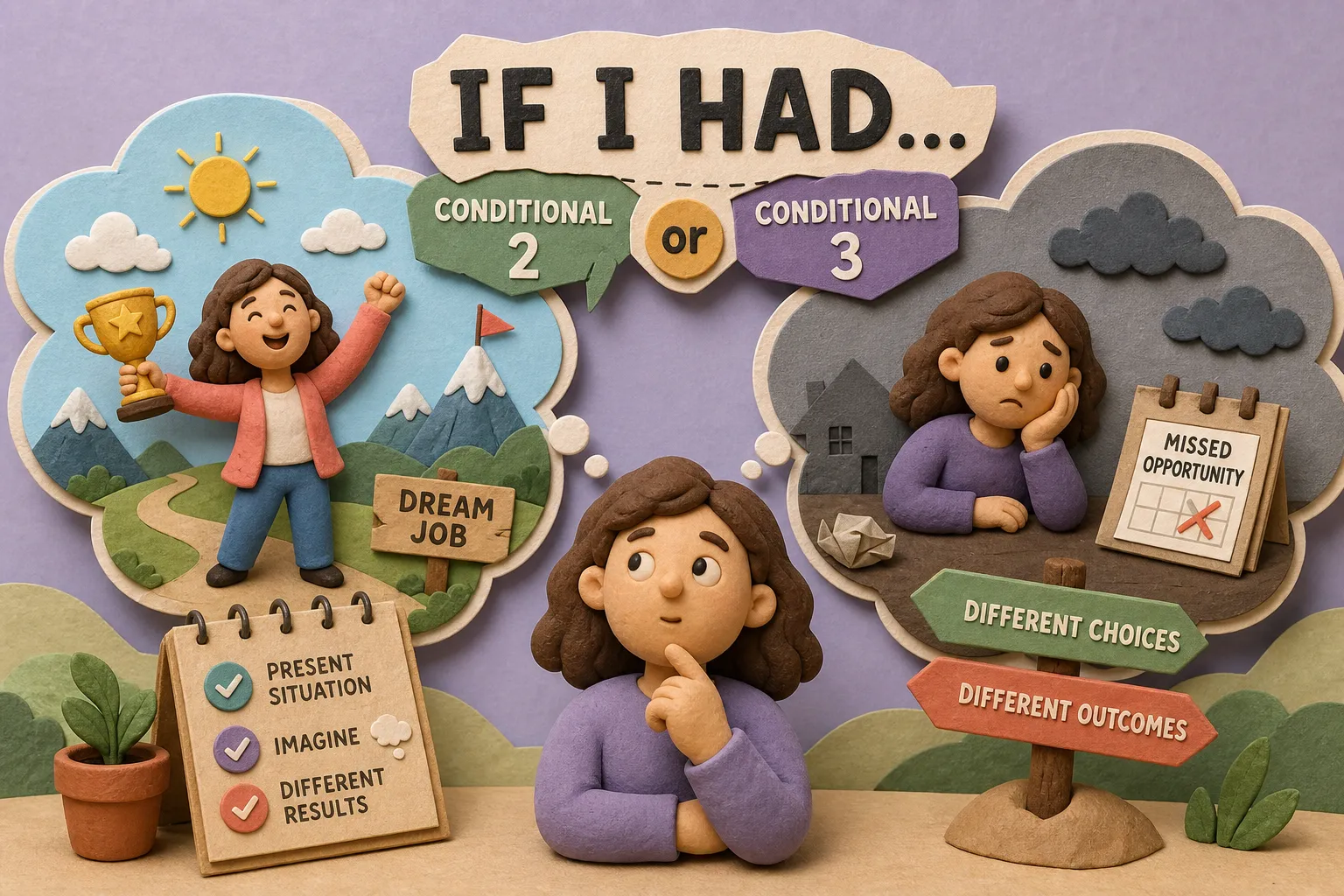
Learn to use “if I had” correctly in second and third conditional sentences, with real American examples for everyday and professional English.
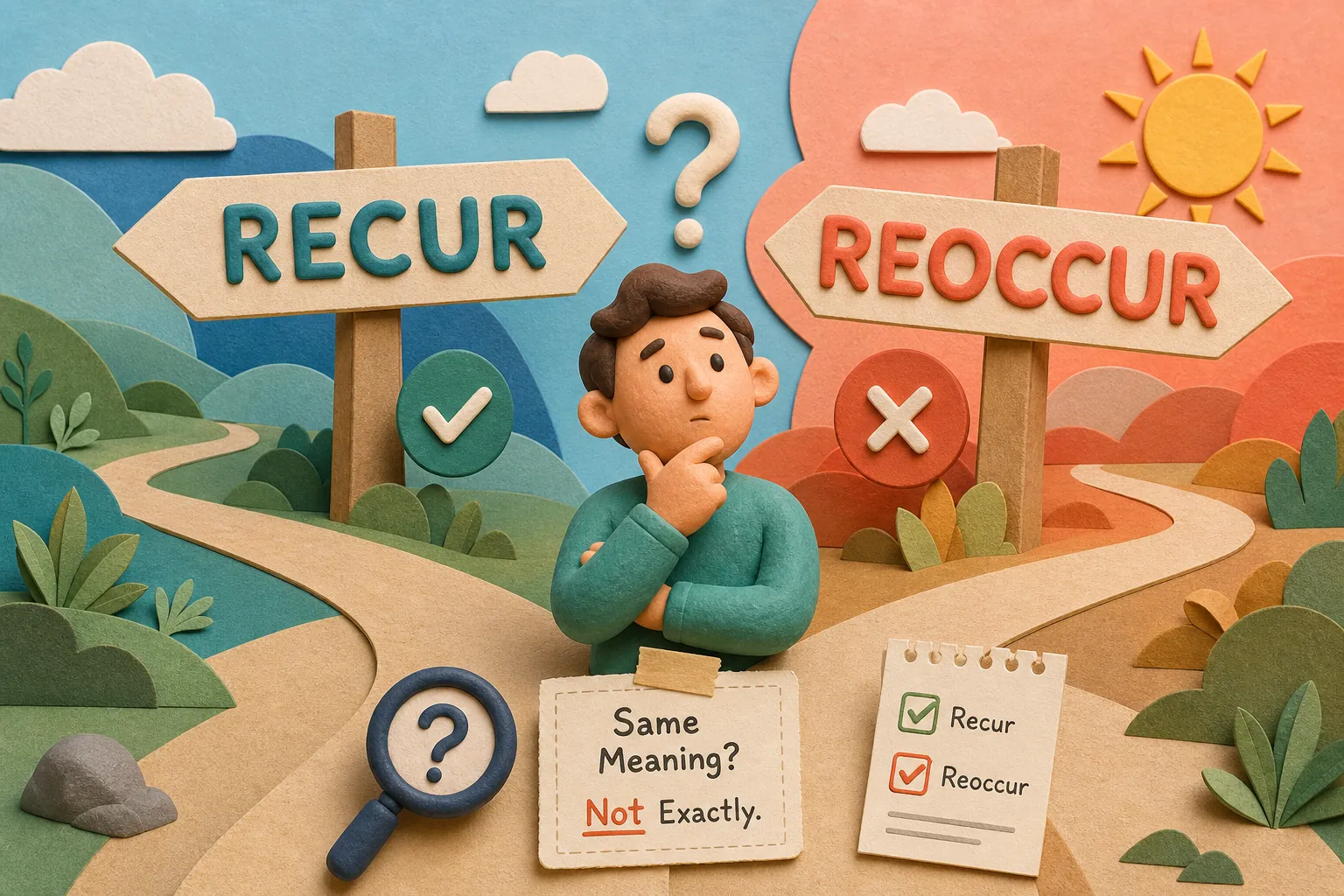
Confused by recur vs reoccur? Learn the real difference, the right noun forms, and when each word fits — with clear examples for work and daily life.
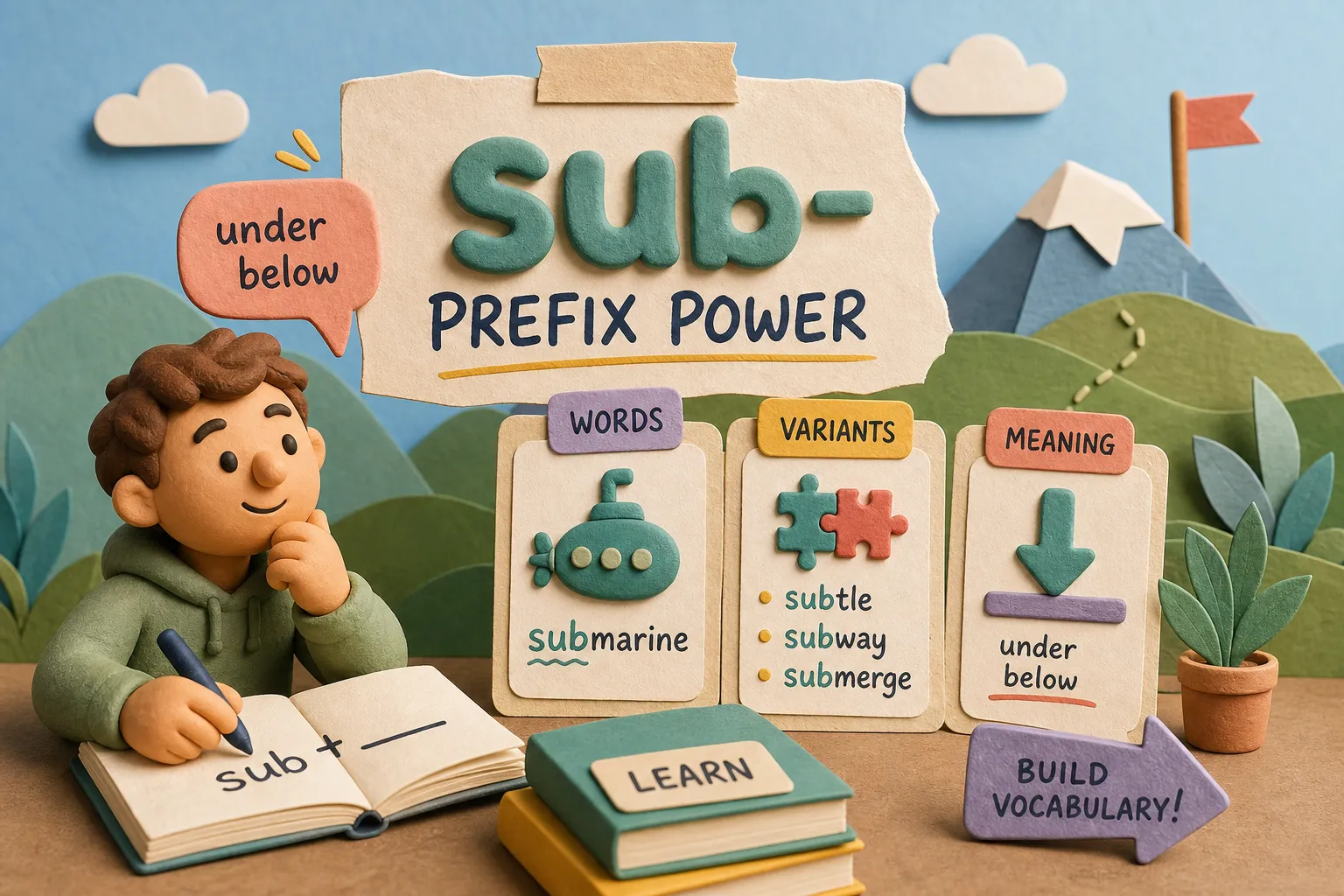
The sub- prefix means “under” or “below.” Learn its variants, see common word examples, and find tips to grow your English vocabulary faster.
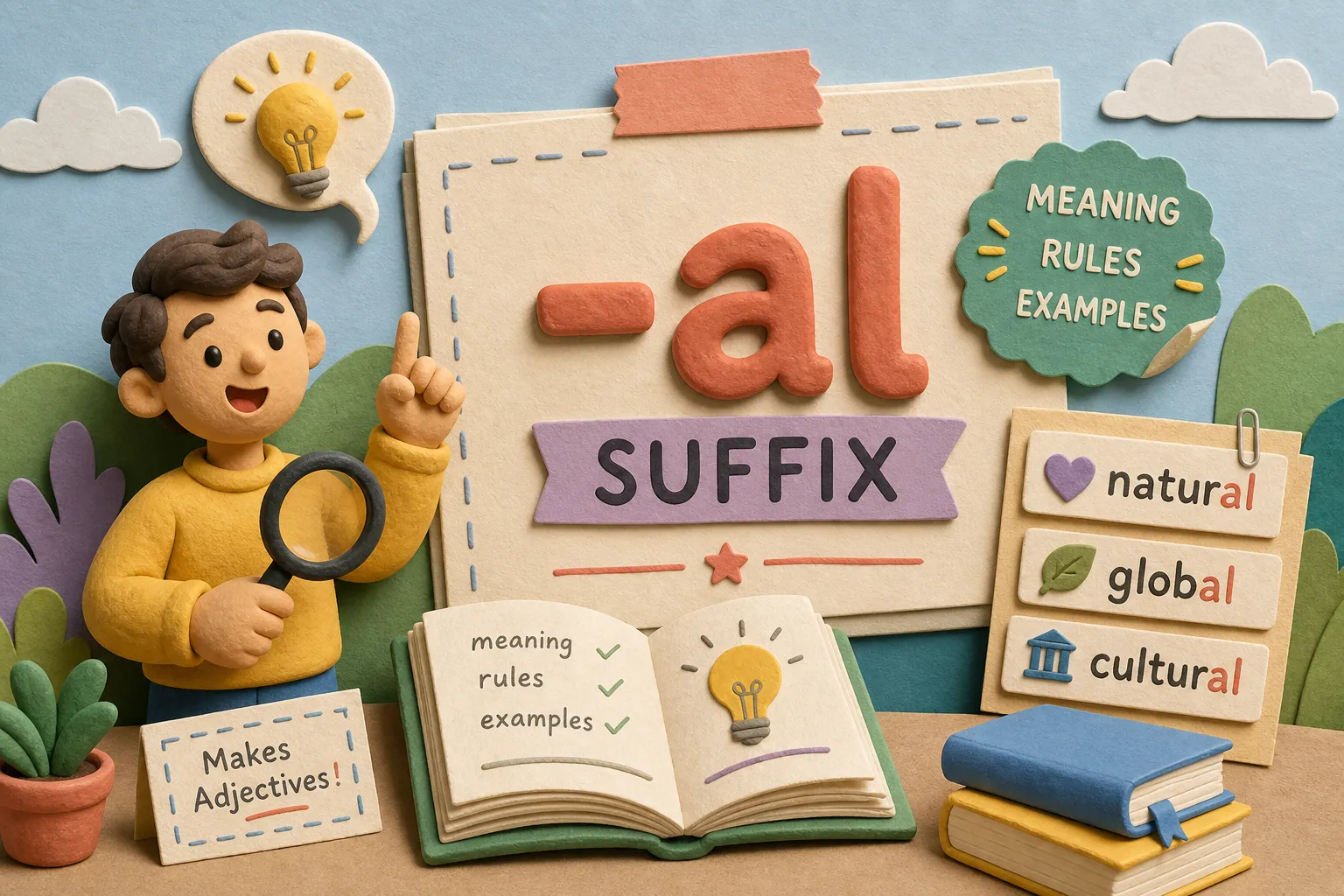
Learn how the -al suffix turns nouns into adjectives, with spelling rules, Latin origins, and 70+ examples from work, school, and daily life. Build your vocabulary now.
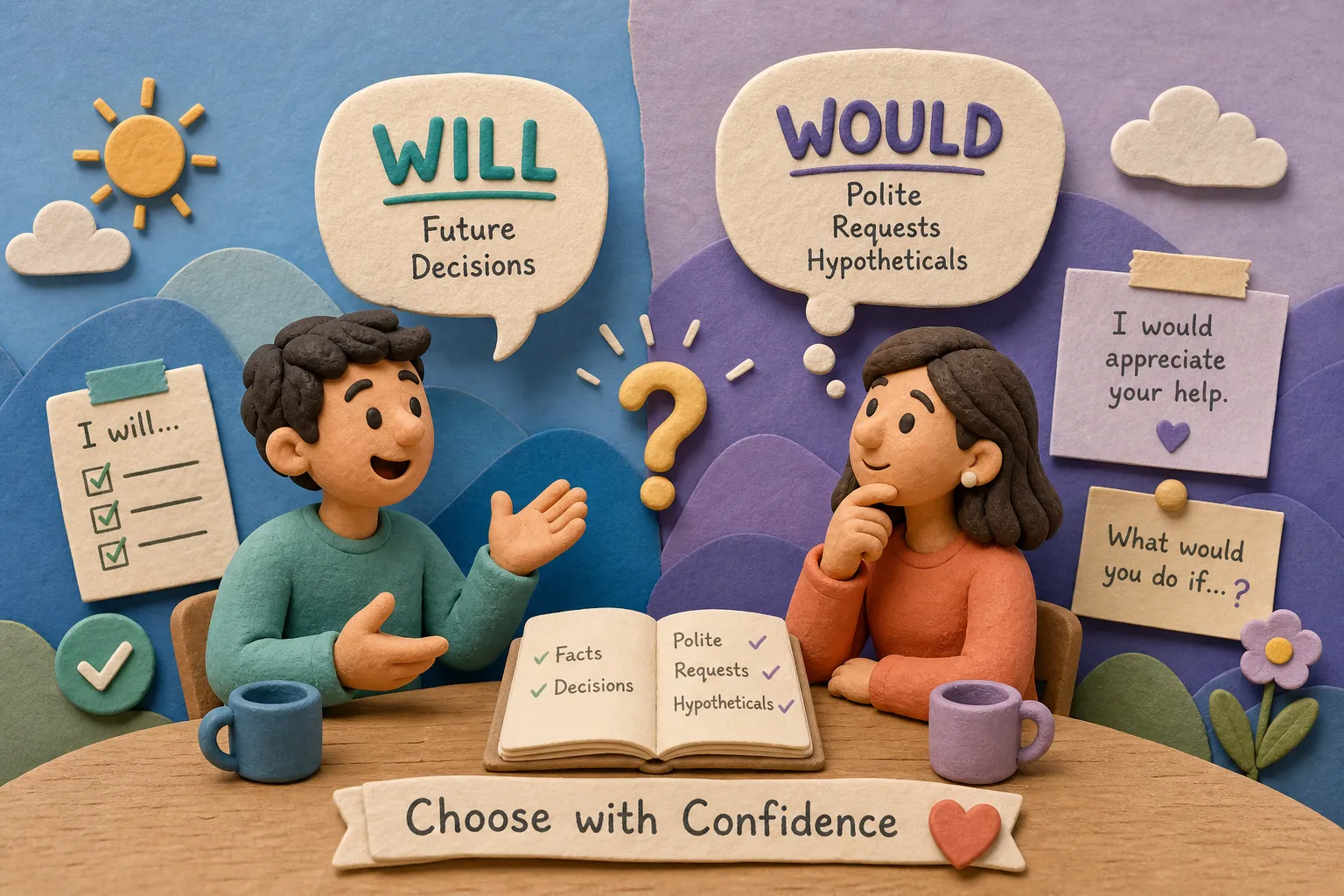
Master will vs. would with simple rules for conditionals, polite requests, and reported speech. Real American English examples that work in daily life and at work.
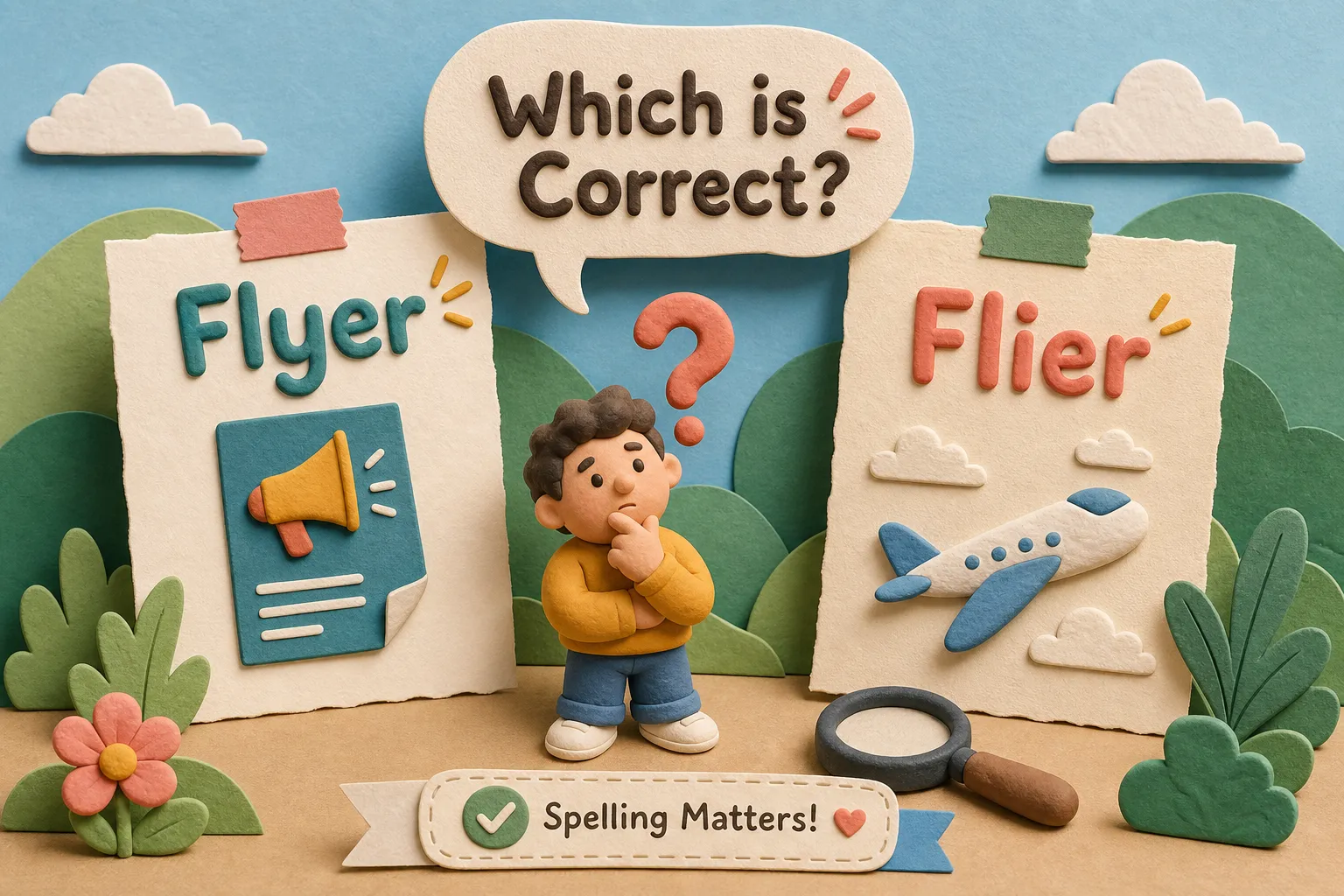
Flyer vs flier: both spellings exist, but American English favors one. Learn the AP Style rule, airline usage, and a simple cheat sheet to decide every time.
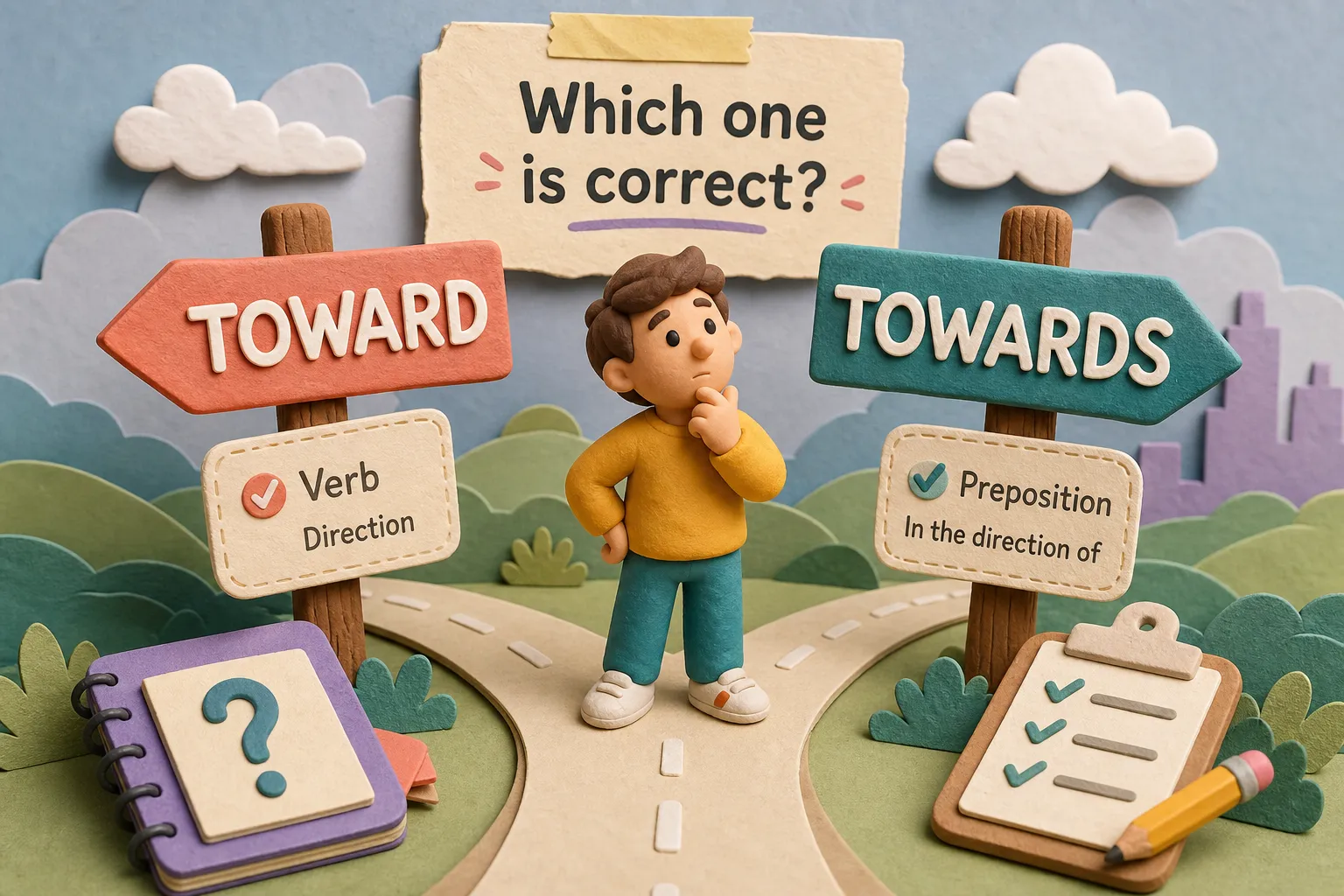
Toward vs. towards: learn which form is standard in American English, what AP and Chicago recommend, and see real examples. Use the right spelling every time.
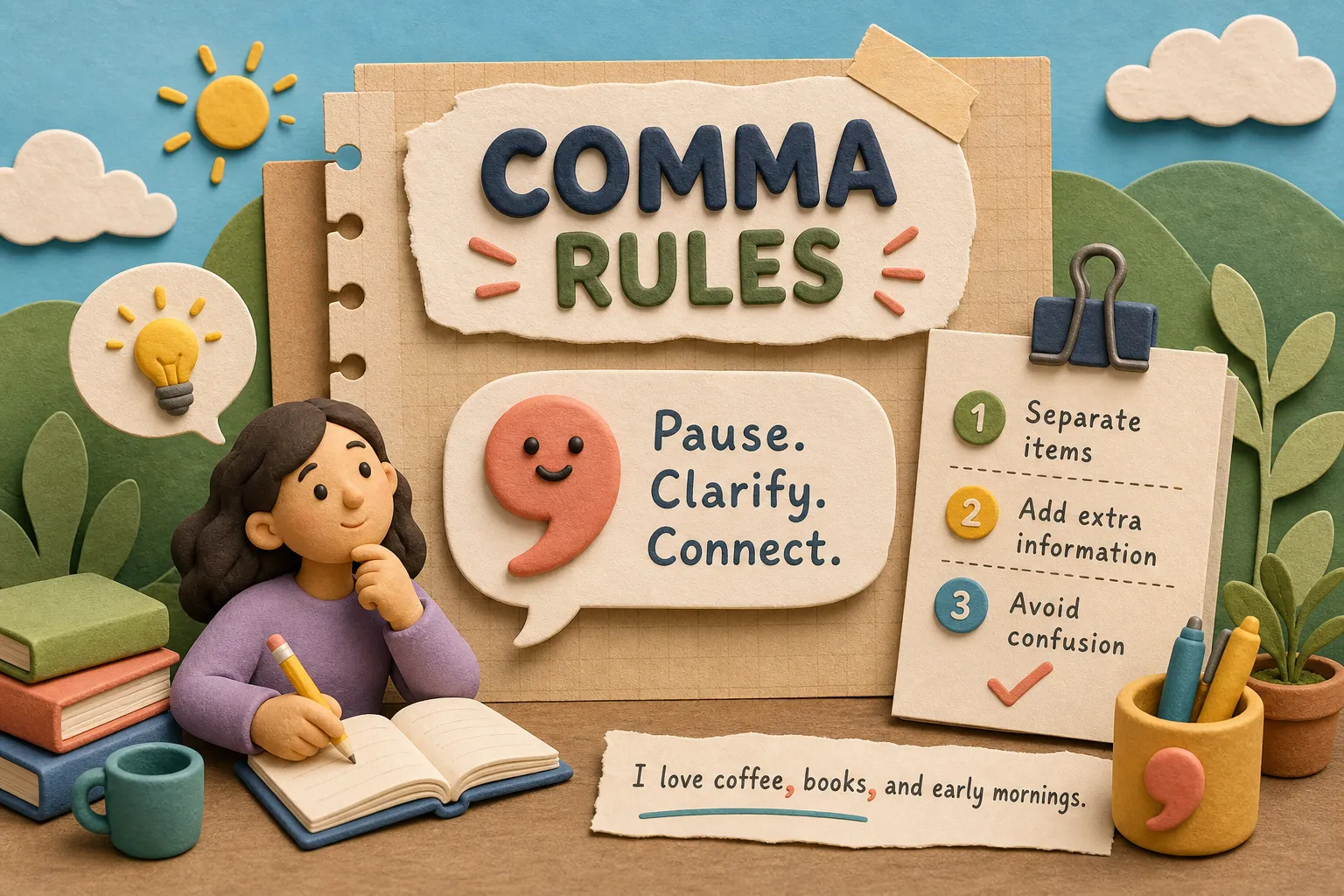
Learn the essential rules for using commas in American English. Covers serial commas, introductory phrases, nonrestrictive clauses, and comma splices, with clear examples.
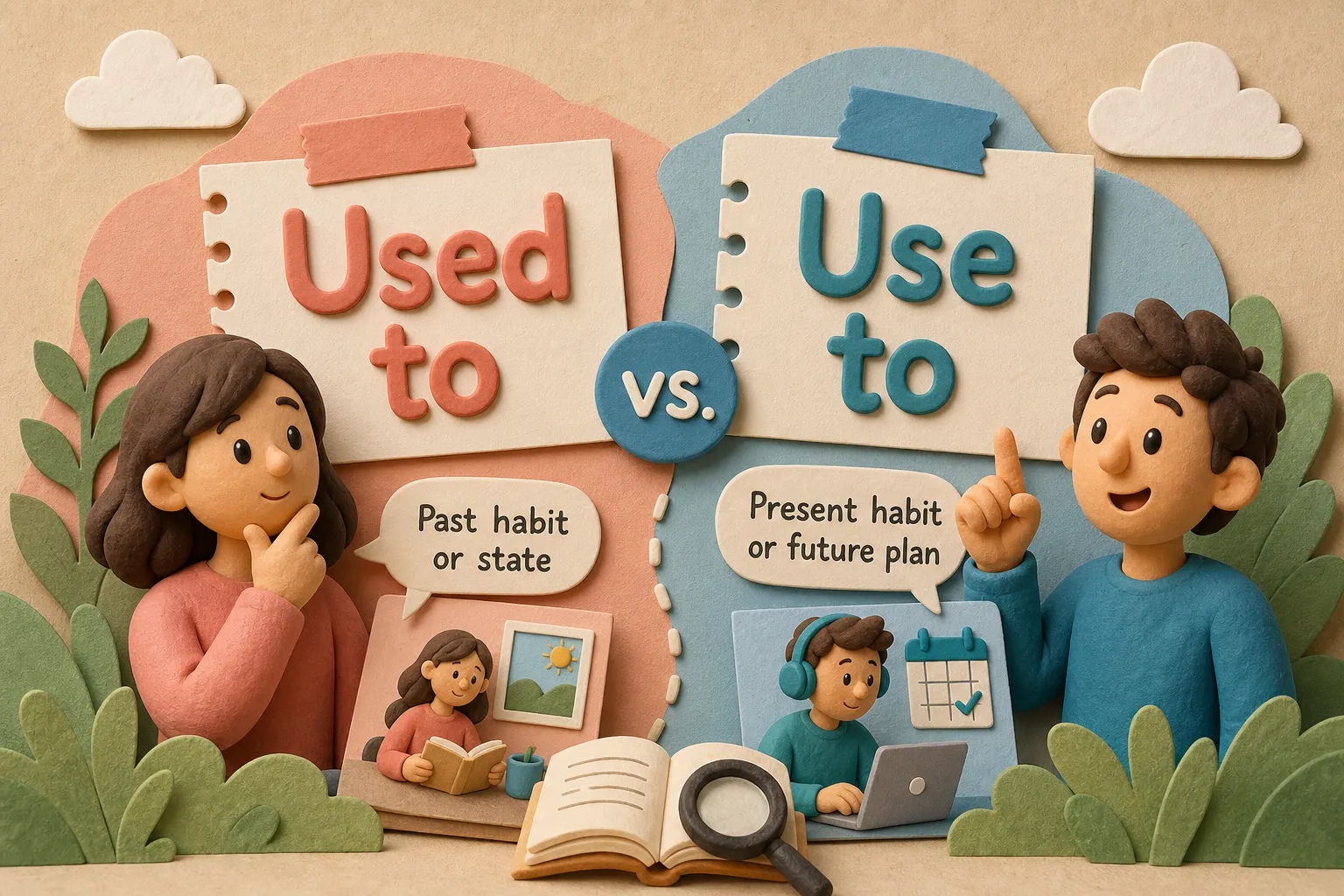
Confused about “used to” vs. “use to”? Learn the one rule that gets it right every time, plus how “be used to” and “get used to” work. Clear examples included.
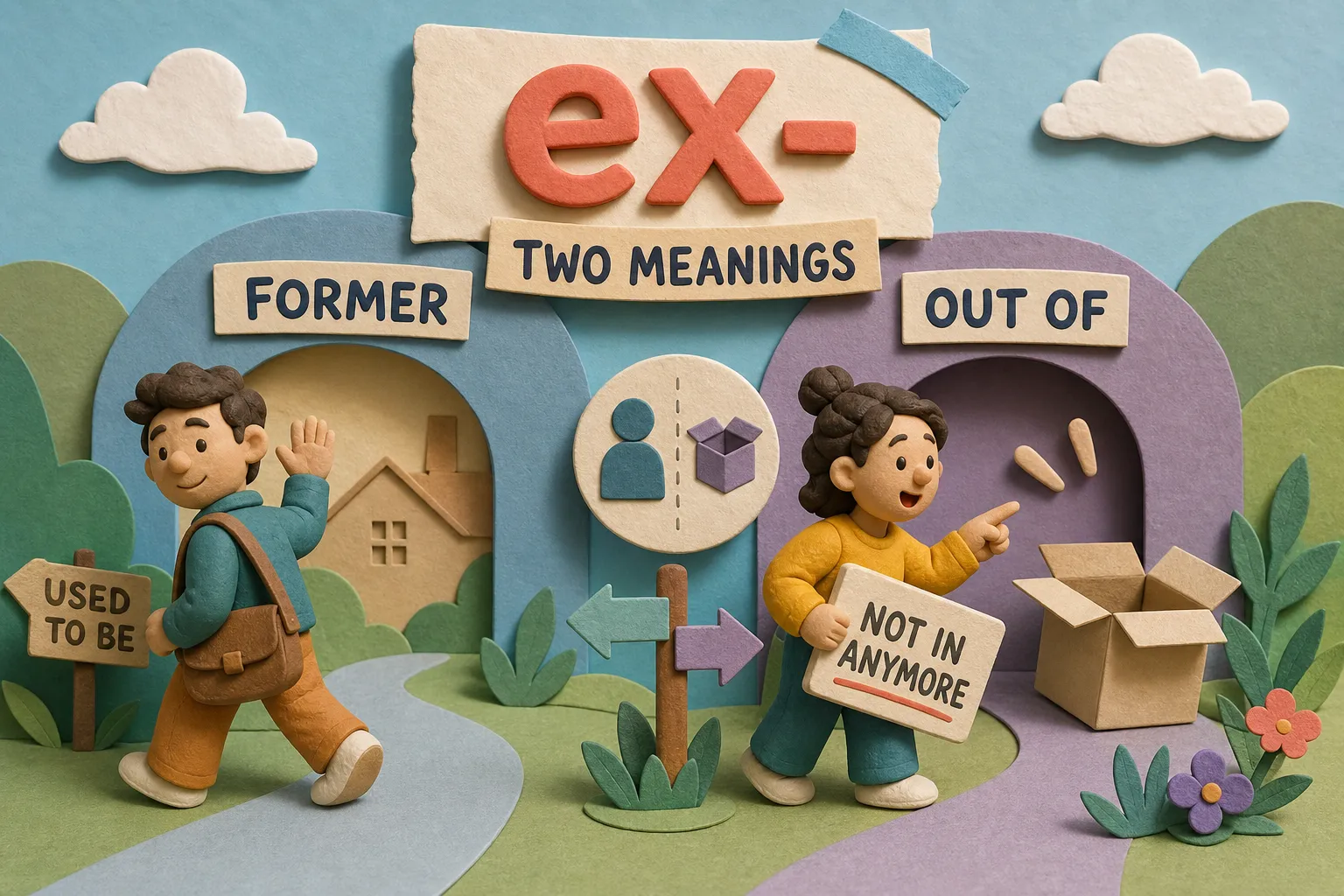
The ex- prefix means “out of” or “former” in American English. Learn both meanings with real workplace and conversation examples. Start using them today.
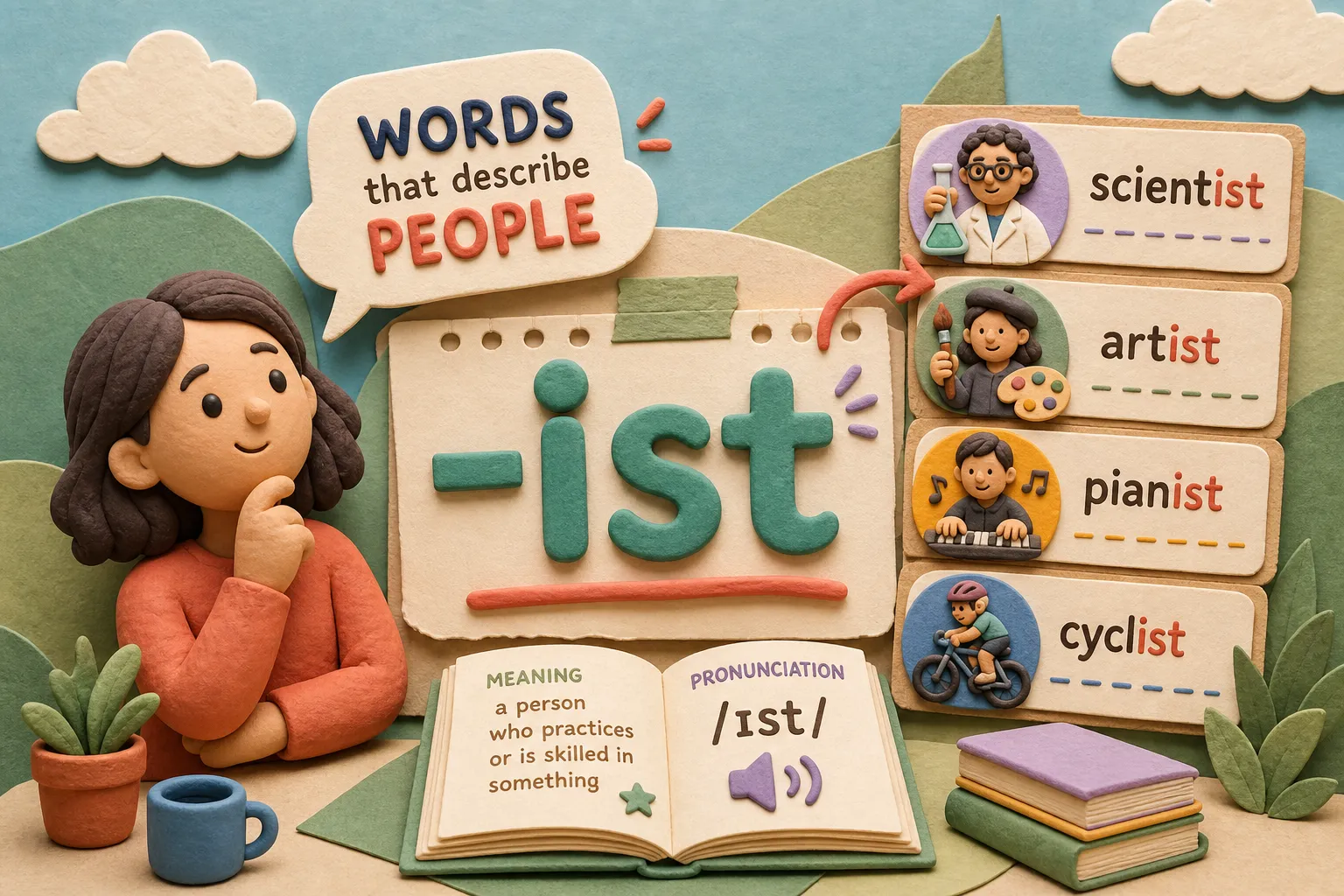
Learn what the -ist suffix means, see common -ist words for work, politics, and daily life, and get pronunciation tips. Build your vocabulary at Your Daily American.
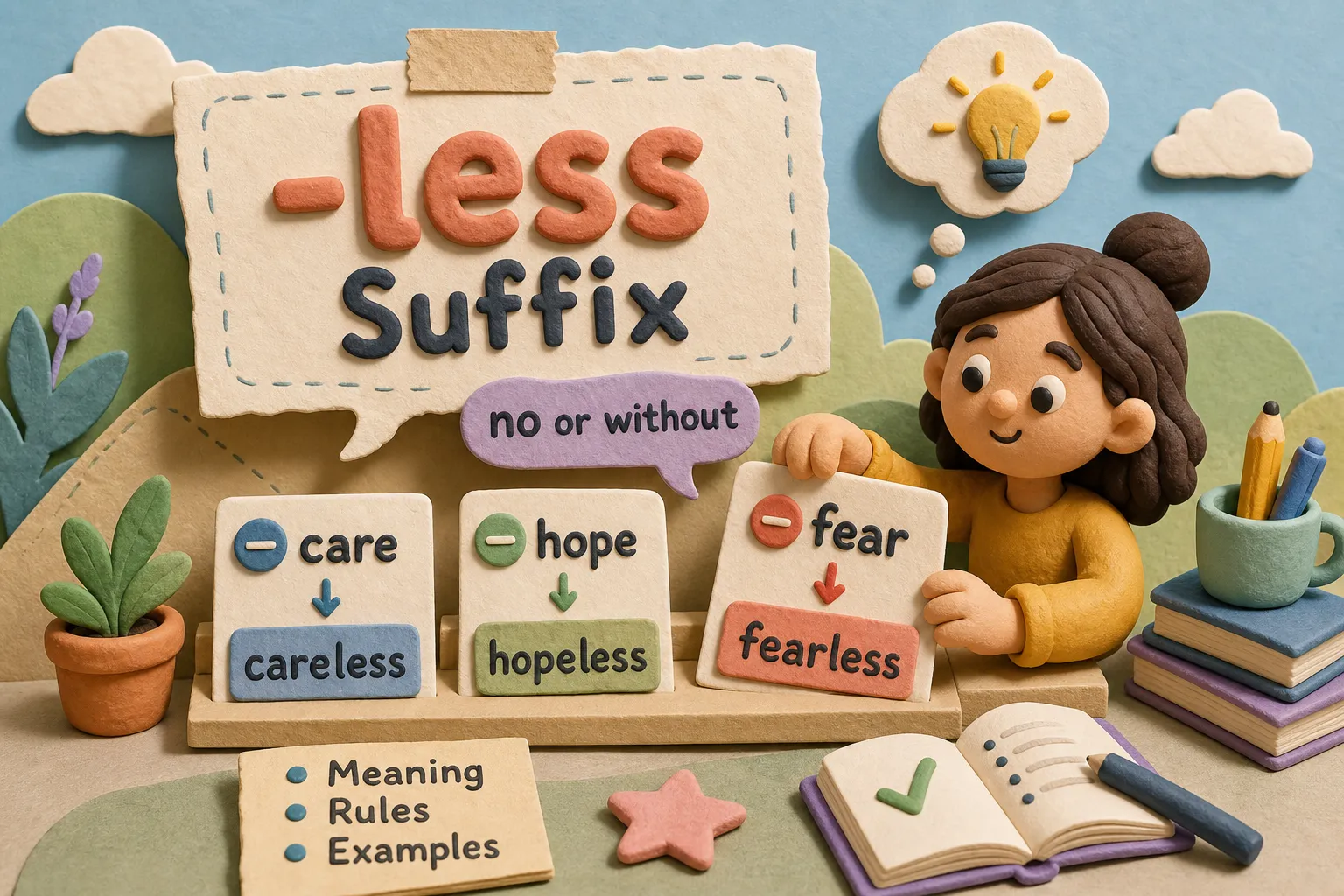
Learn how the -less suffix works: its meaning, pronunciation, spelling rules, and the most useful -less words with exercises. Build your vocabulary today.
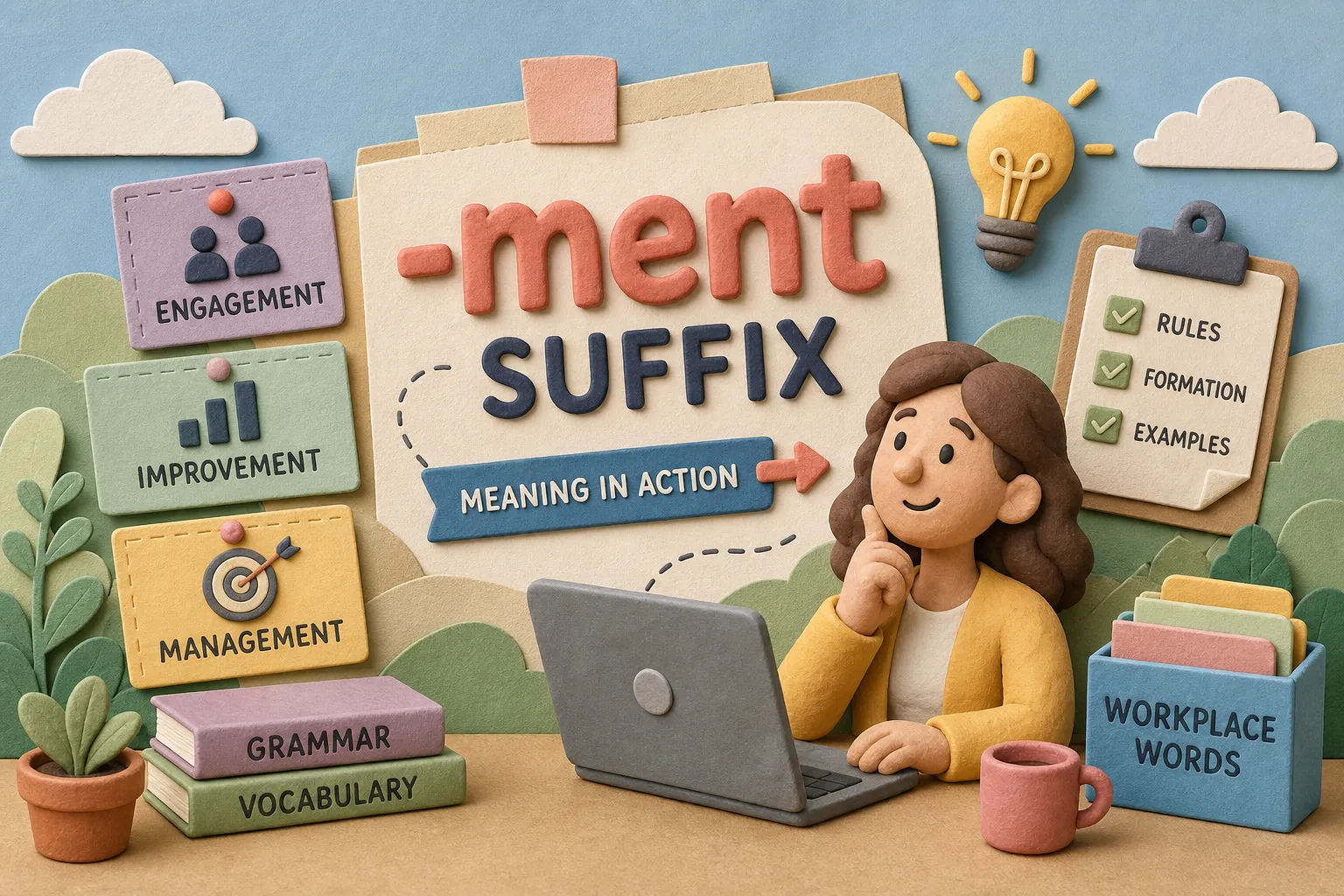
Picture this: you’re writing a professional email in English. You type “please confirm your agreement” and then “we need to

“Either and or” isn’t correct English. Learn the right way to use either…or and neither…nor with real examples from emails and daily American conversation.

Emigrate vs immigrate explained simply: learn the one rule, right prepositions, real examples, and how to avoid common mistakes. Start using both correctly today.

Mixing up to vs too? Learn the difference with clear rules, real email examples, and 3 memory tricks that make the right choice easy every time.
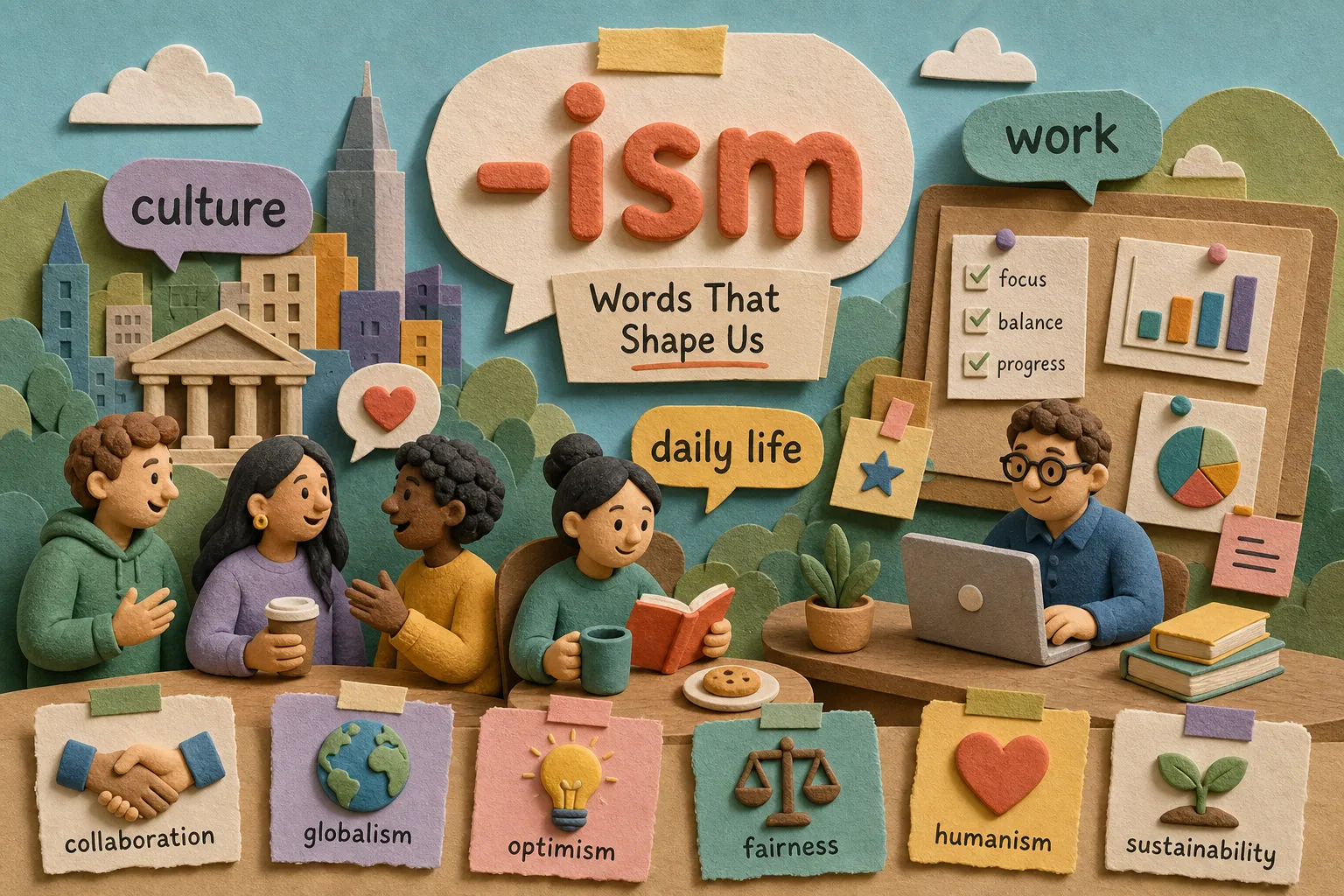
Learn what the ism suffix means, where it comes from, and how to use 30 common -ism words in American news, workplaces, and daily conversations.
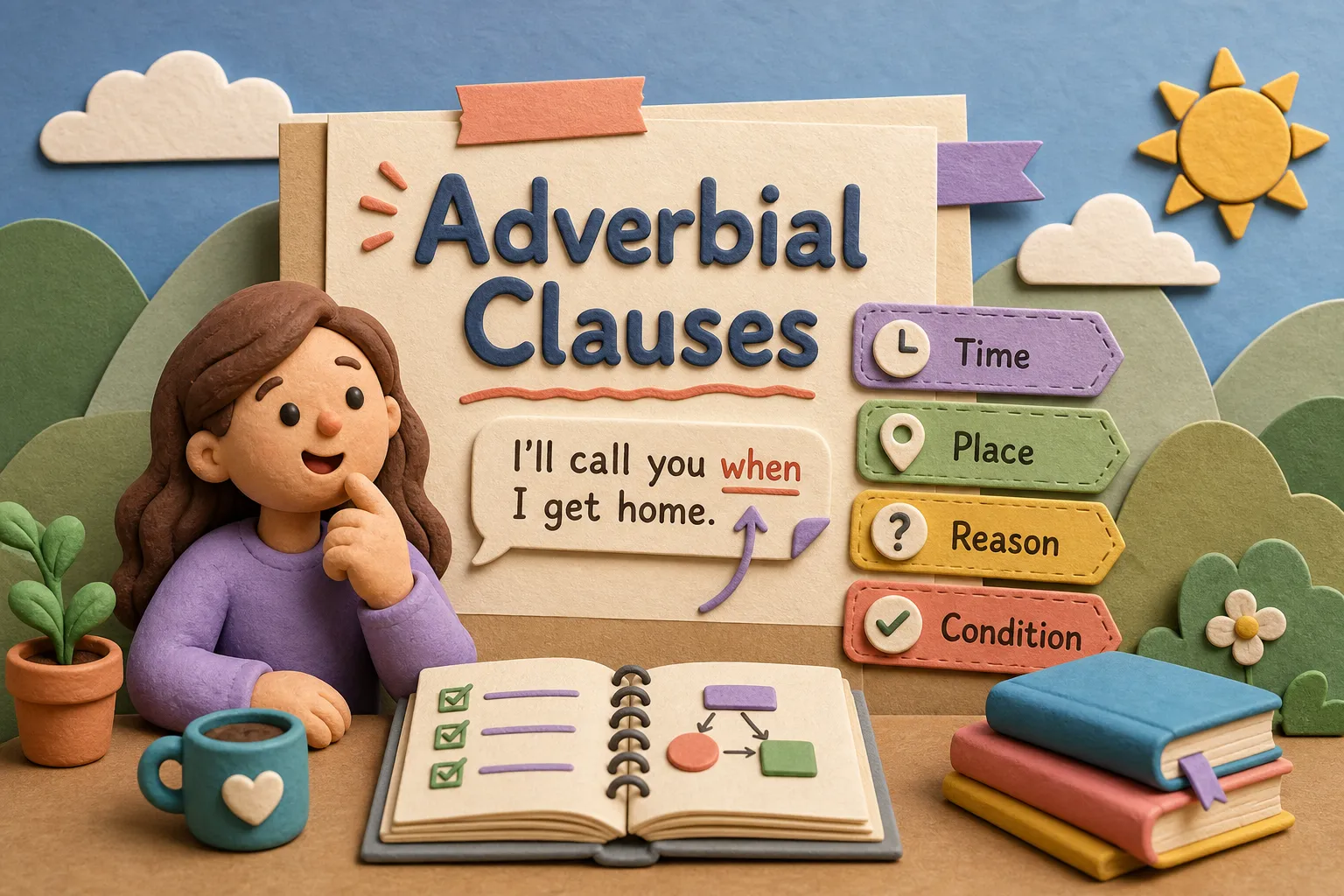
Learn what adverb clauses are, how to use them correctly, and the comma rules ESL learners miss most. Real examples from everyday American English.

The un- prefix is one of the most powerful vocabulary tools in American English. Learn its meanings, common examples, and how to use it with confidence.
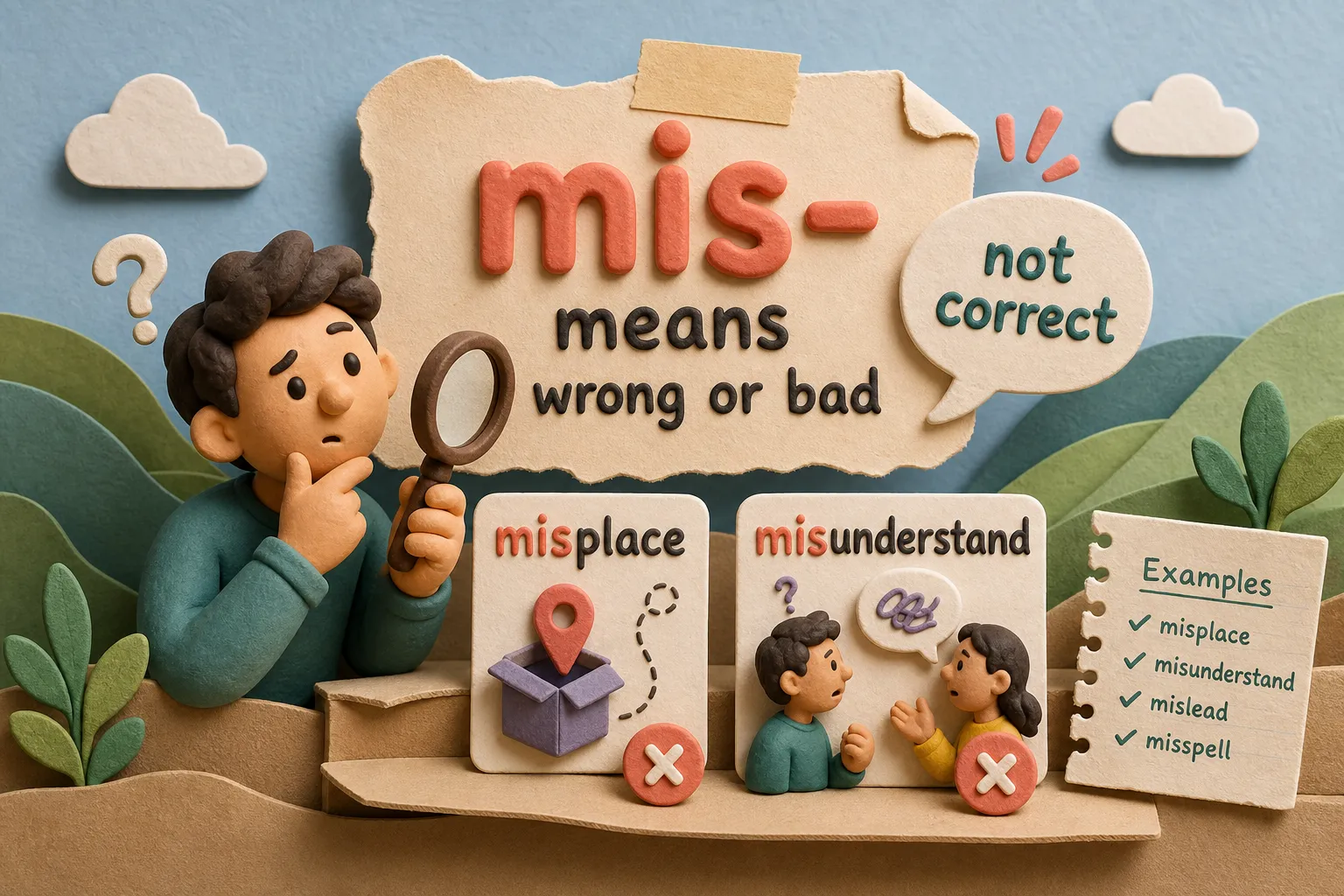
Learn what the mis- prefix means, where it comes from, and which words to know. Master this prefix and avoid common mistakes in American English.