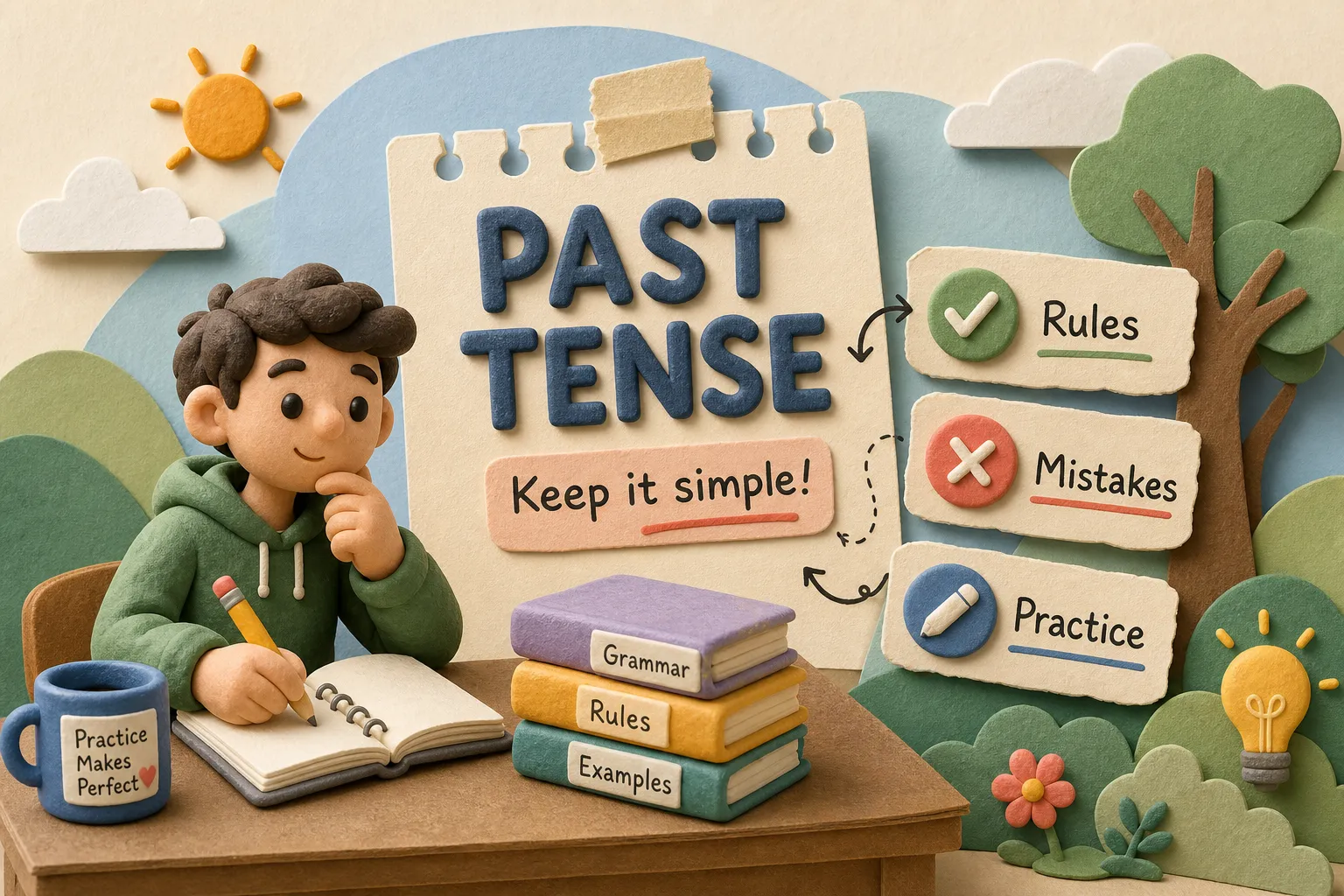
Past Tense Made Simple: Rules, Mistakes, and Practice
Learn the simple past tense with clear rules, real American examples, and quick practice. Master regular and irregular verbs and fix your most common errors.
American English lessons by category — everyday phrases, professional English, pronunciation, and grammar. Free and practical for ESL learners.
Learn the simple past tense with clear rules, real American examples, and quick practice. Master regular and irregular verbs and fix your most common errors.
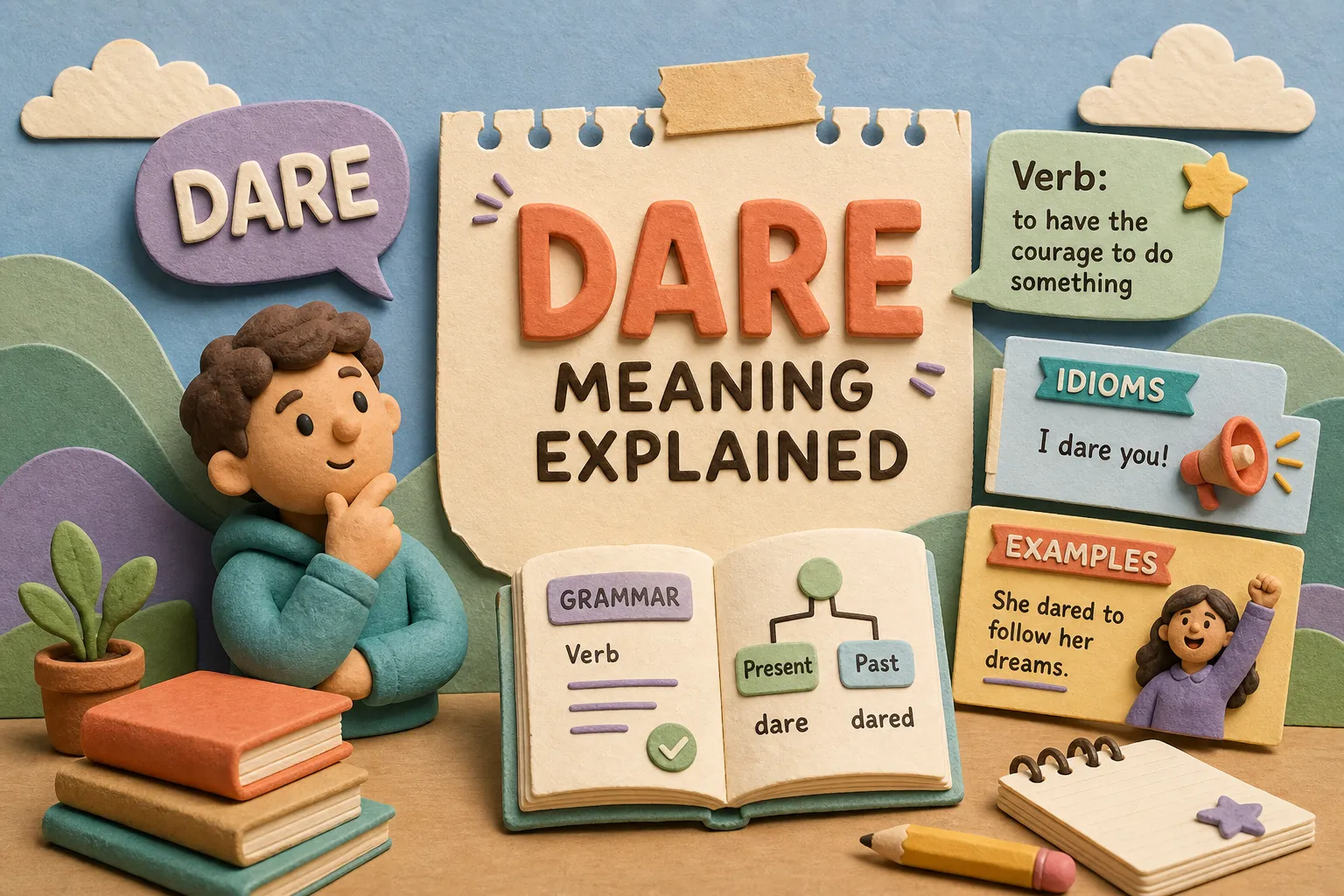
Learn the dare meaning in American English: verb, noun, grammar patterns, key idioms like “how dare you,” and real examples. Start using it correctly today.
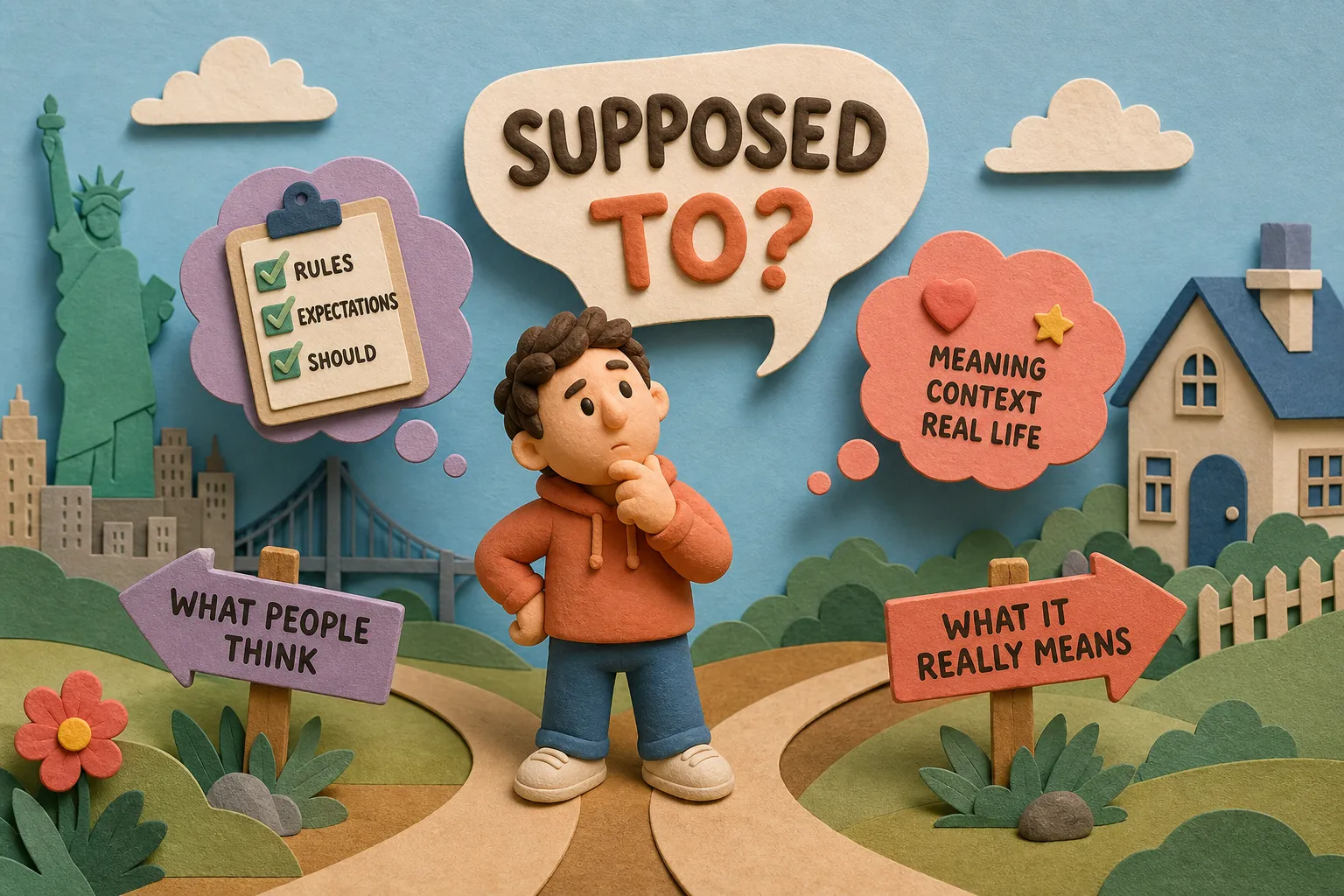
“Supposed to” signals obligation, expectation, or a broken rule. Learn correct usage, tense forms, pronunciation, and real examples from American daily life.
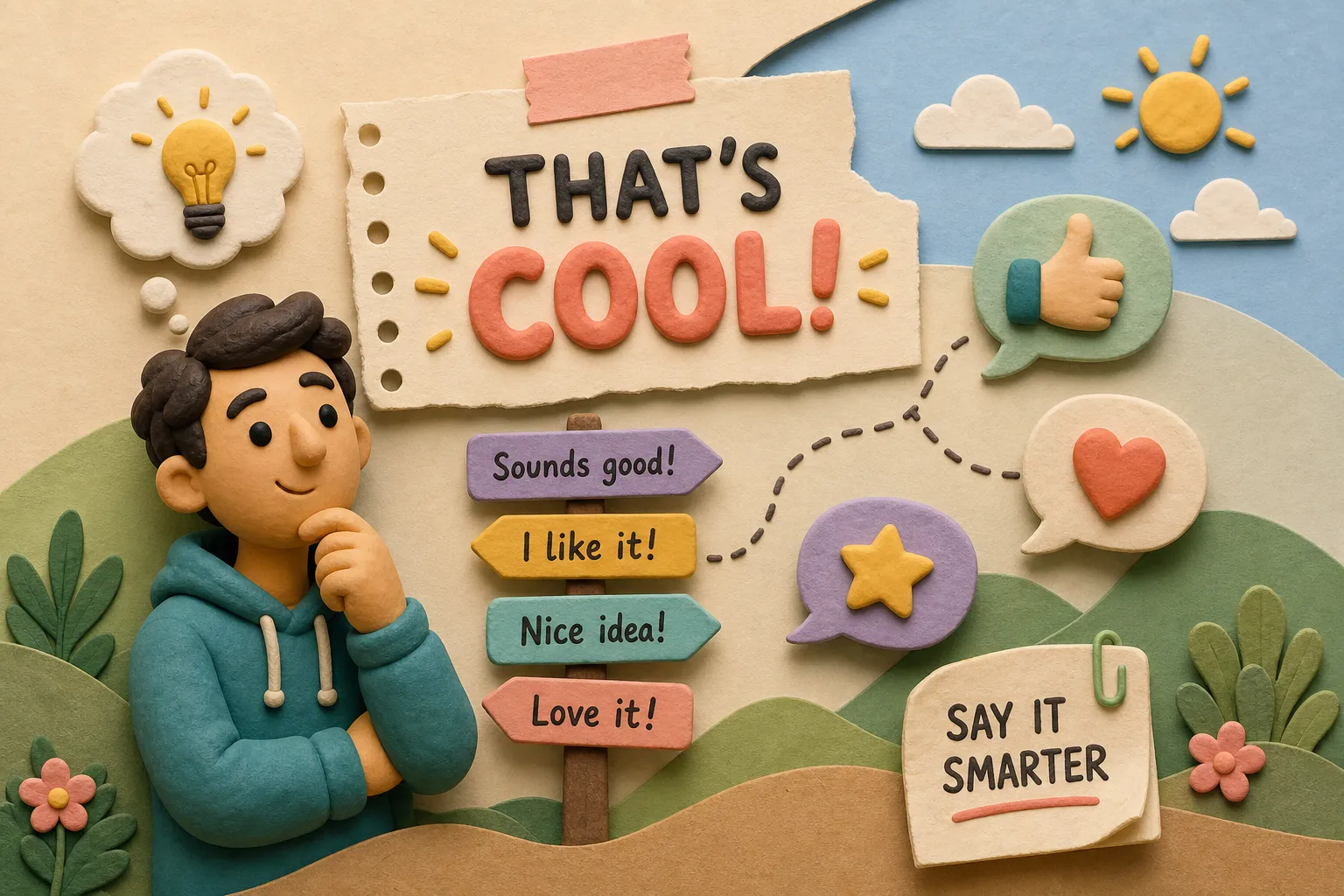
Learn what “that’s cool” really means in American English — approval, indifference, or sarcasm — plus slang like “cool beans” and better phrases for every context.
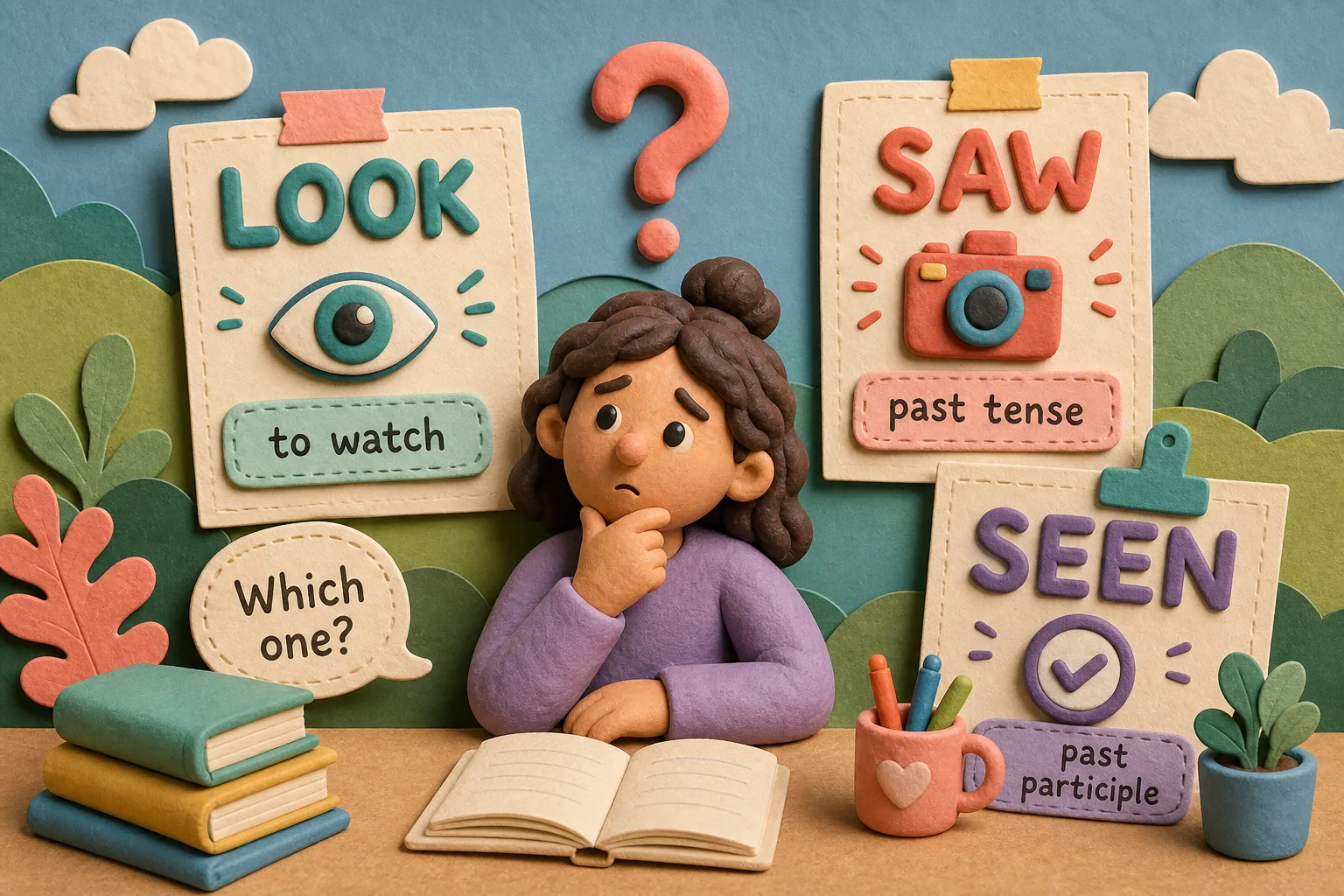
Confused by “saw” vs. “seen” or “look” vs. “see”? Learn the grammar rules, common mistakes, and the meaning of “look-see” with real American examples.
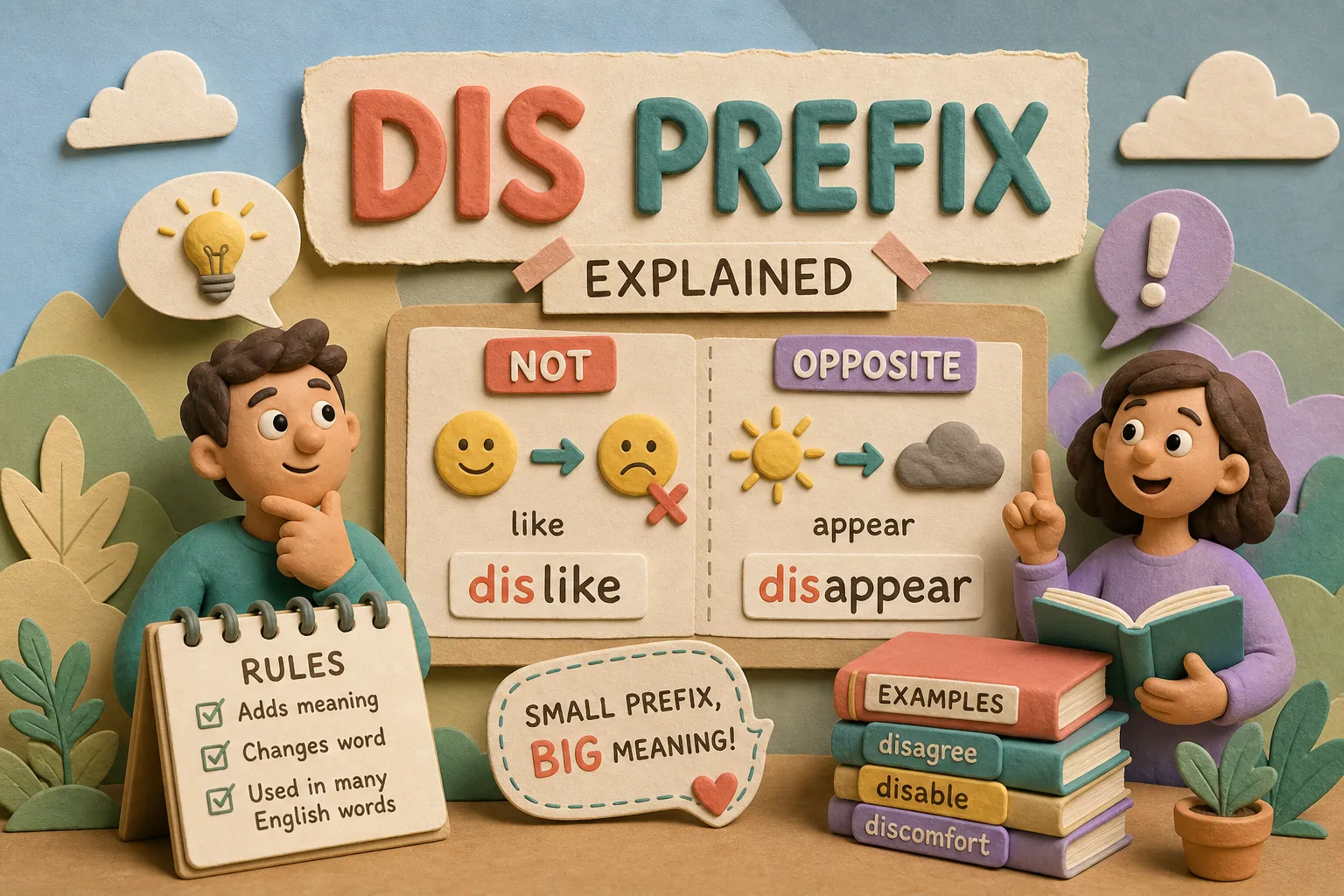
The dis prefix means “not,” “opposite,” or “undo.” Learn its spelling rules, see common daily examples, and build your English vocabulary faster. Start here.
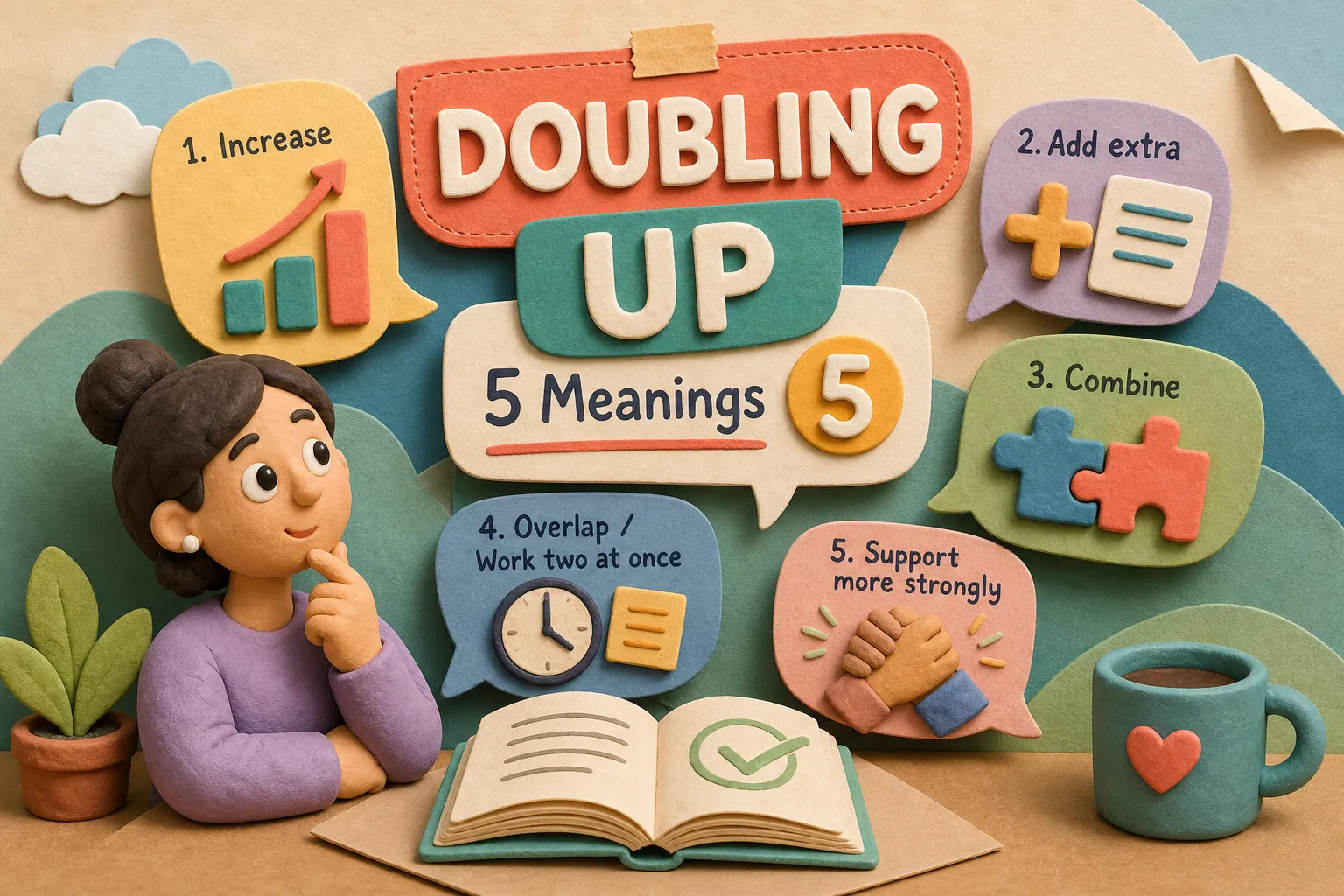
Learn what “doubling up” really means in American English. From sharing a room to laughing hard, discover all 5 meanings with clear examples. Start using it today.
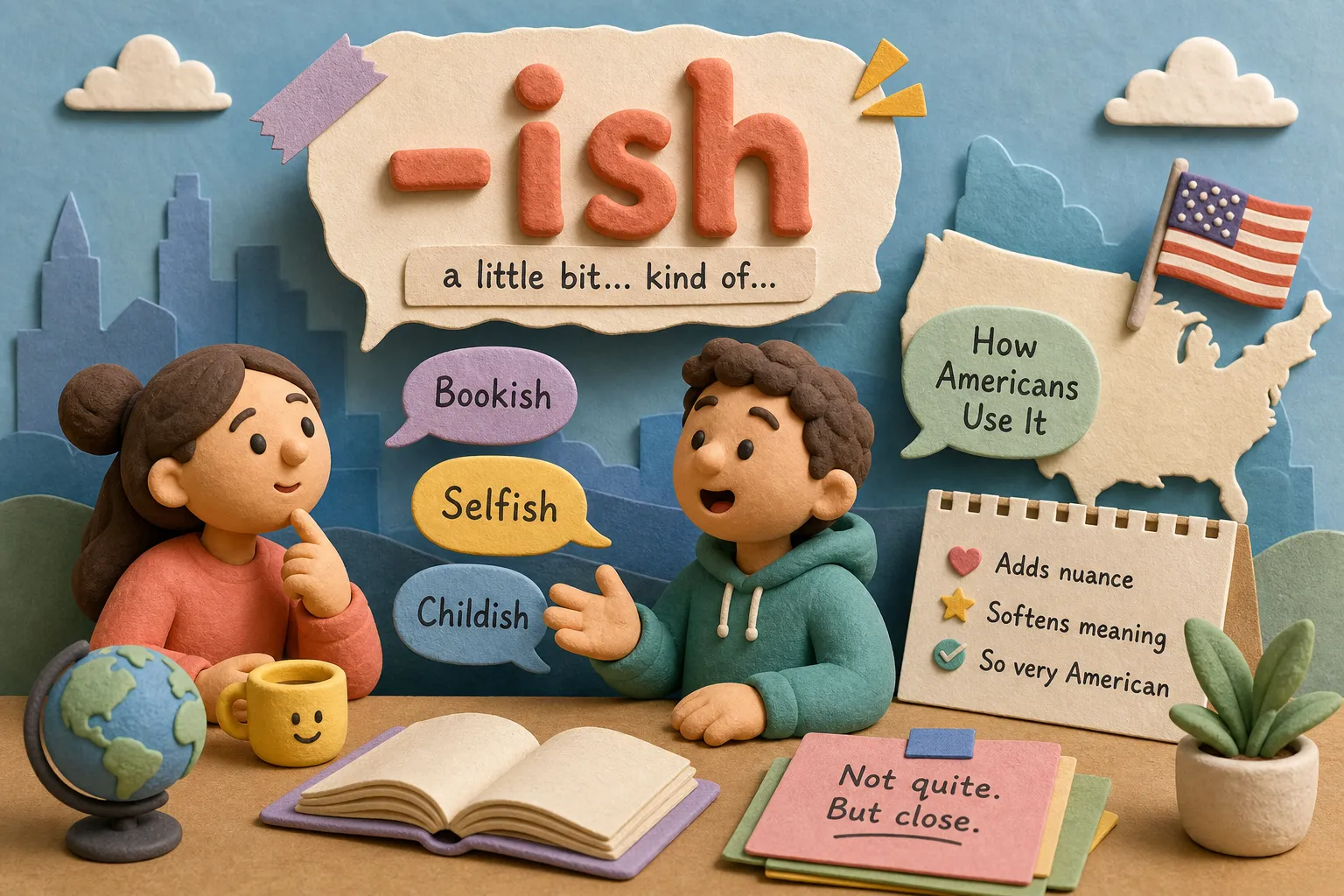
Master the -ish suffix: learn its Old English roots, two main uses, and real American examples. Your Daily American shows you how natives really talk.
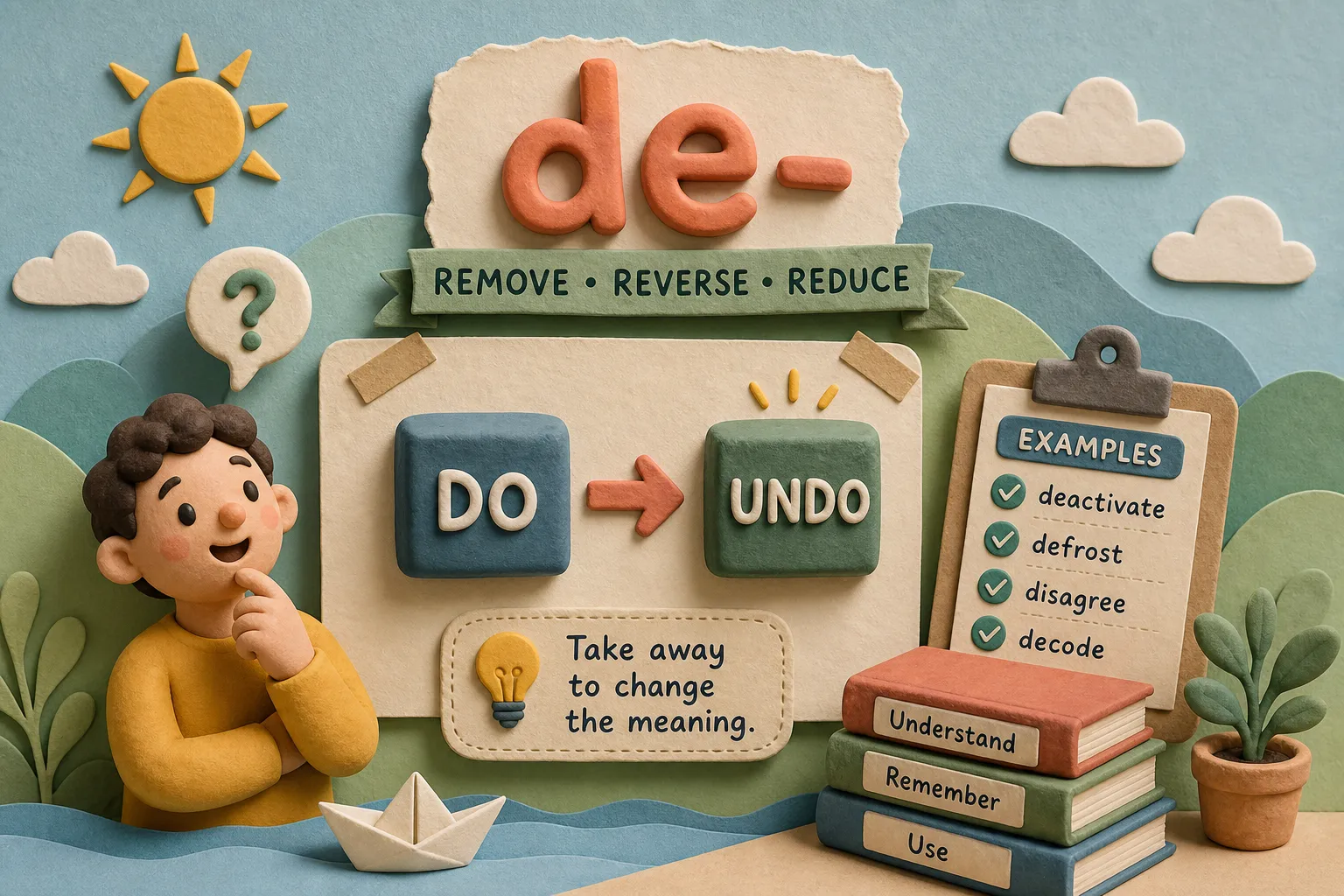
Learn what the de- prefix means, its Latin roots, and see real examples. Use prefix knowledge to expand your vocabulary faster. Start learning today.
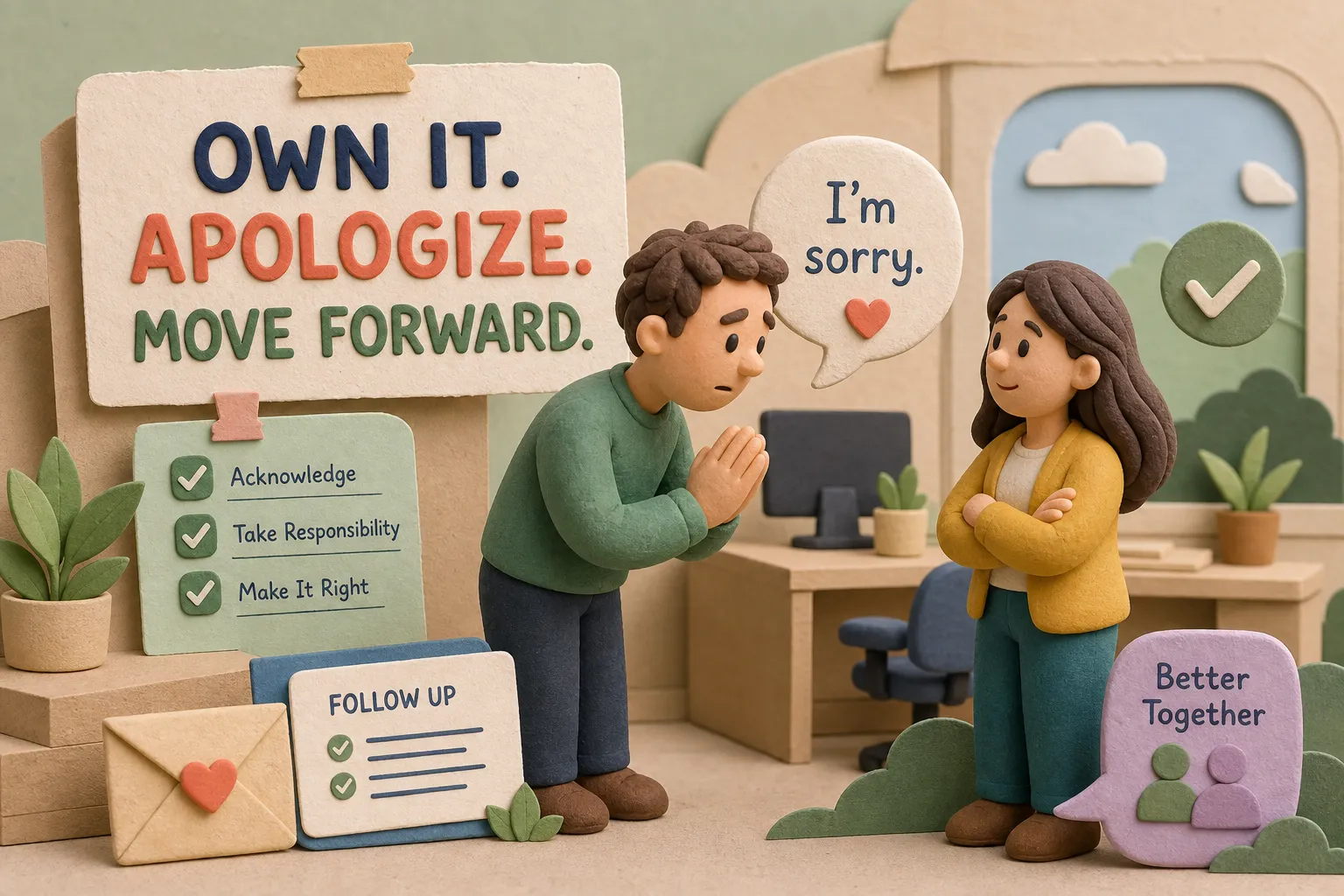
Learn how to apologize professionally at work. Use a clear 5-step framework, real scripts, and email templates to rebuild trust and sound natural.
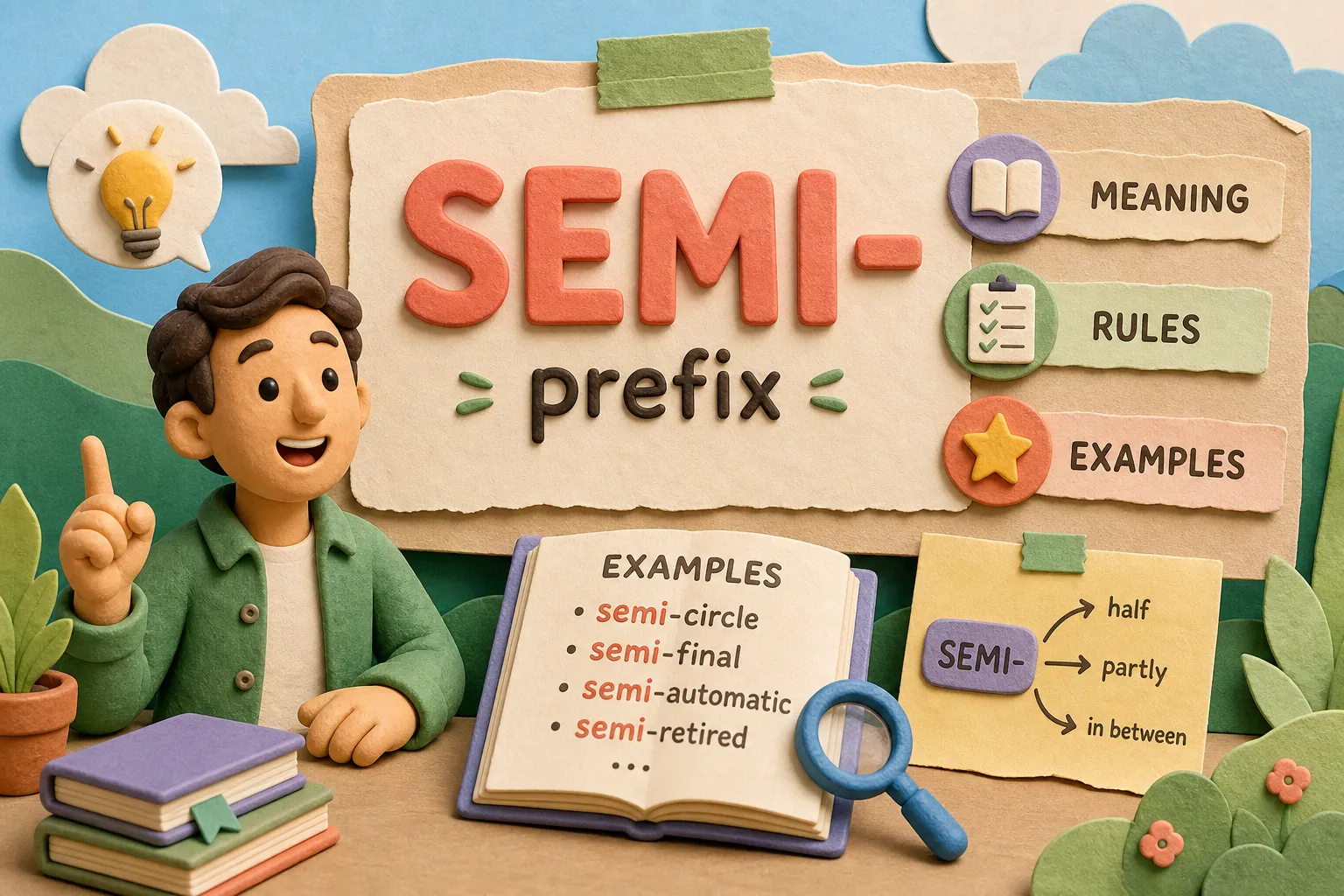
The semi- prefix means half or partly. See 20+ real examples from sports, work, and daily life, plus hyphenation rules and how it differs from hemi- and demi-.
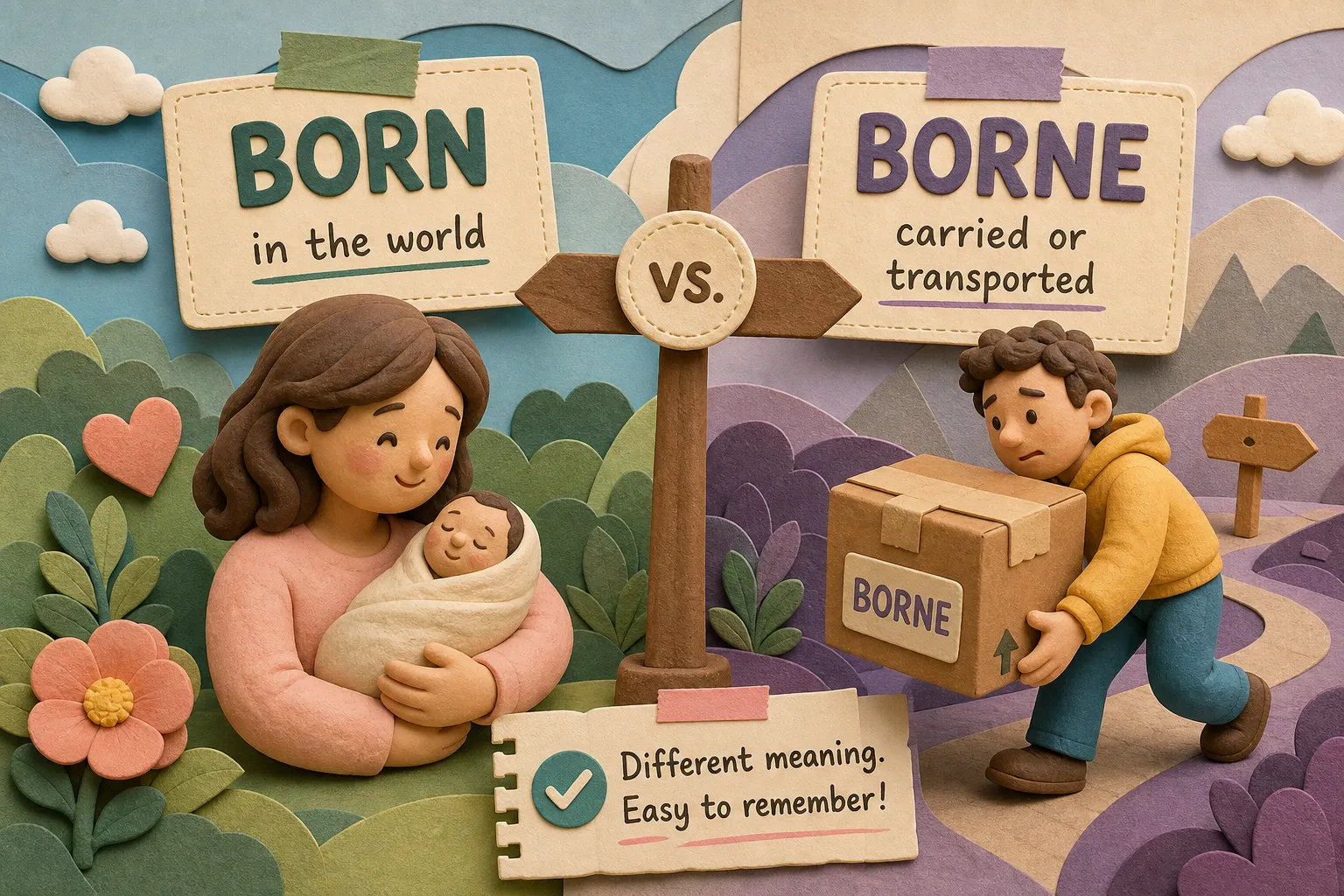
Learn when to use borne vs born with a simple one-line rule, the mother exception, compound words, and practice sentences. Get it right every time.
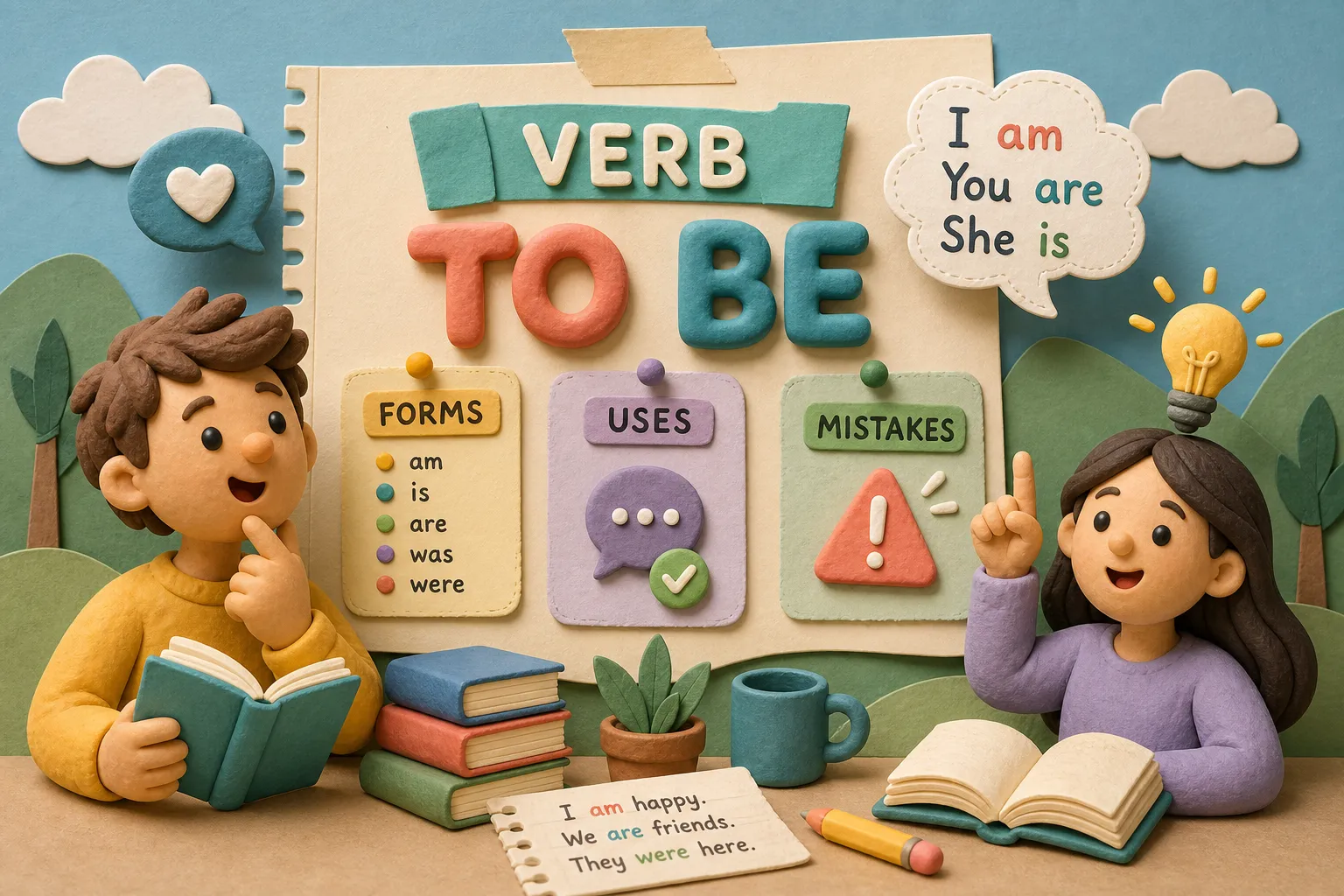
Master the verb “to be” with clear conjugation tables, real American English examples, and common mistake fixes. Start using am, is, are confidently today.
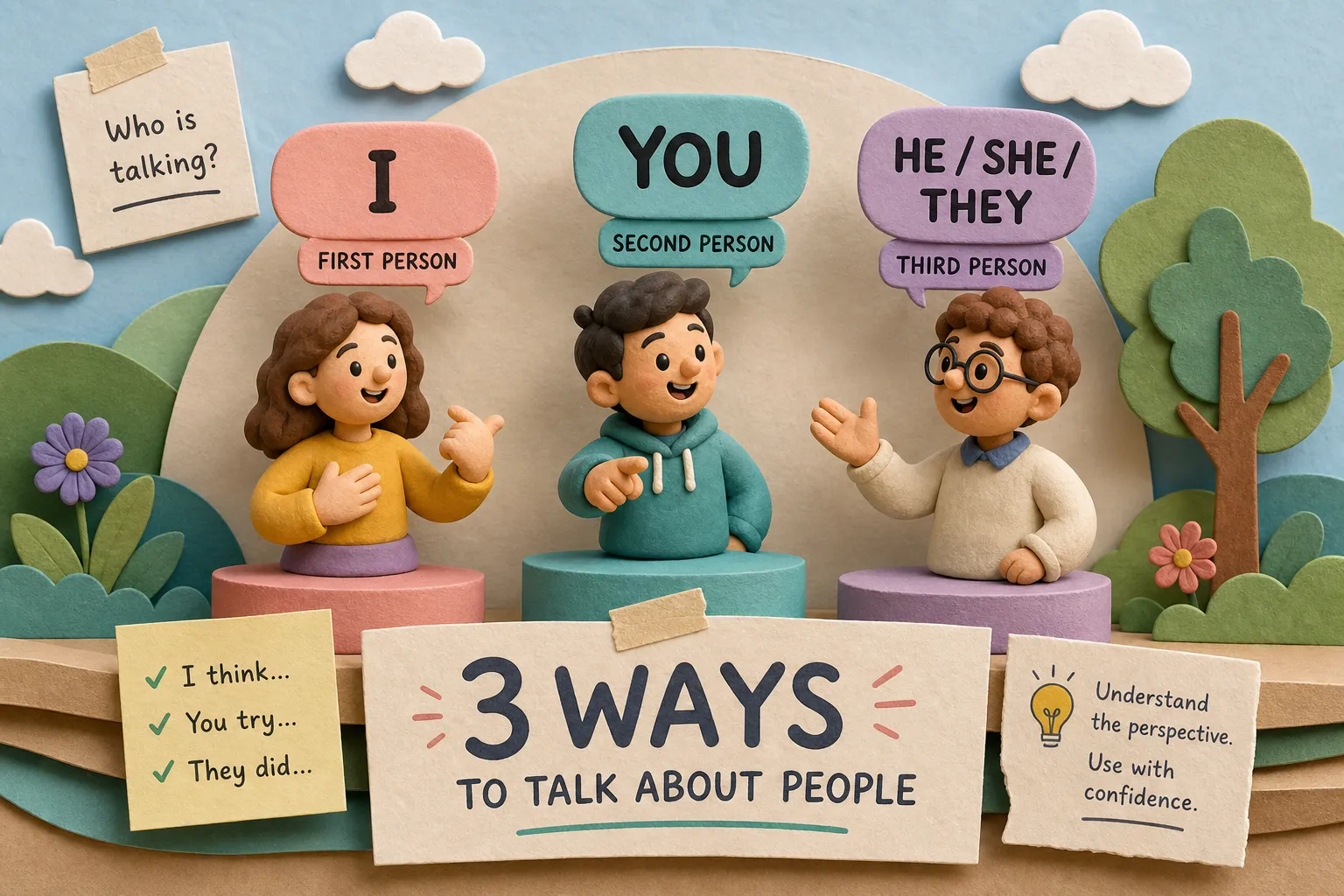
Learn first, second, and third person in English with clear examples from American speech, emails, and storytelling. Build real grammar skills at Your Daily American.
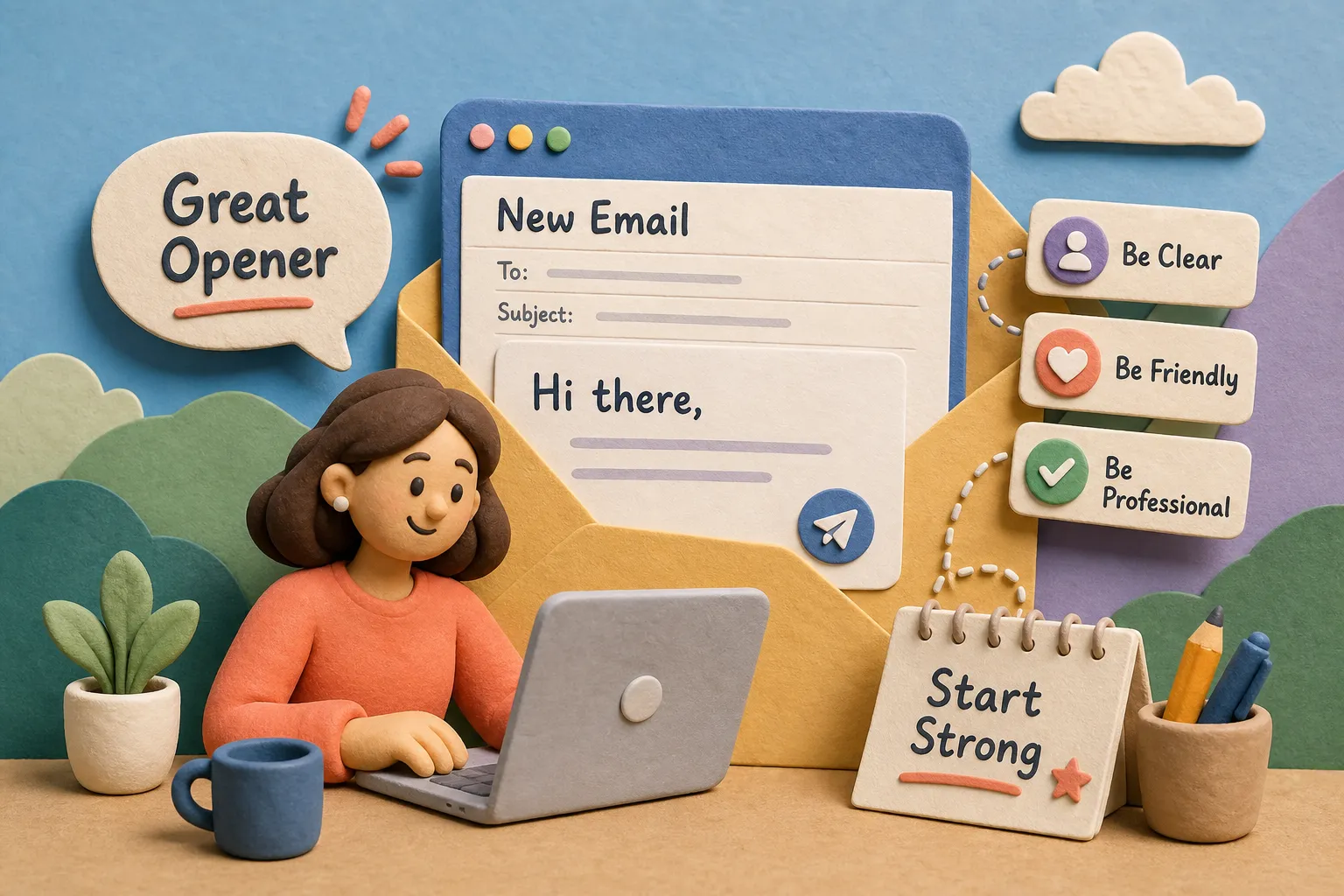
Learn how to start a professional email with the right greeting and opener for any situation. Real examples, templates, and tips to write better business emails.
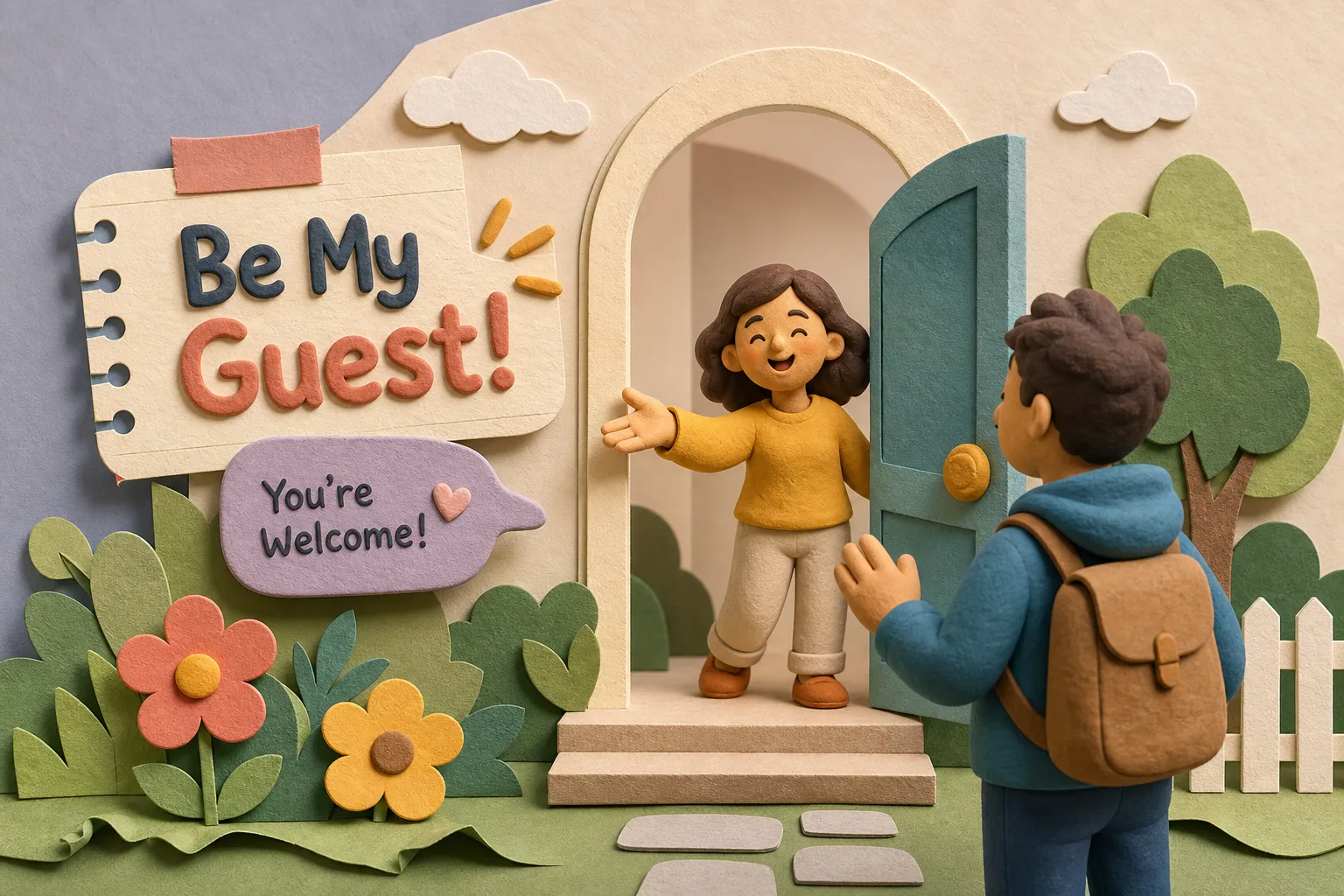
“Be my guest” means more than permission — it can sound warm or sarcastic. Learn how Americans use this idiom naturally in daily life. Explore more at Your Daily American.
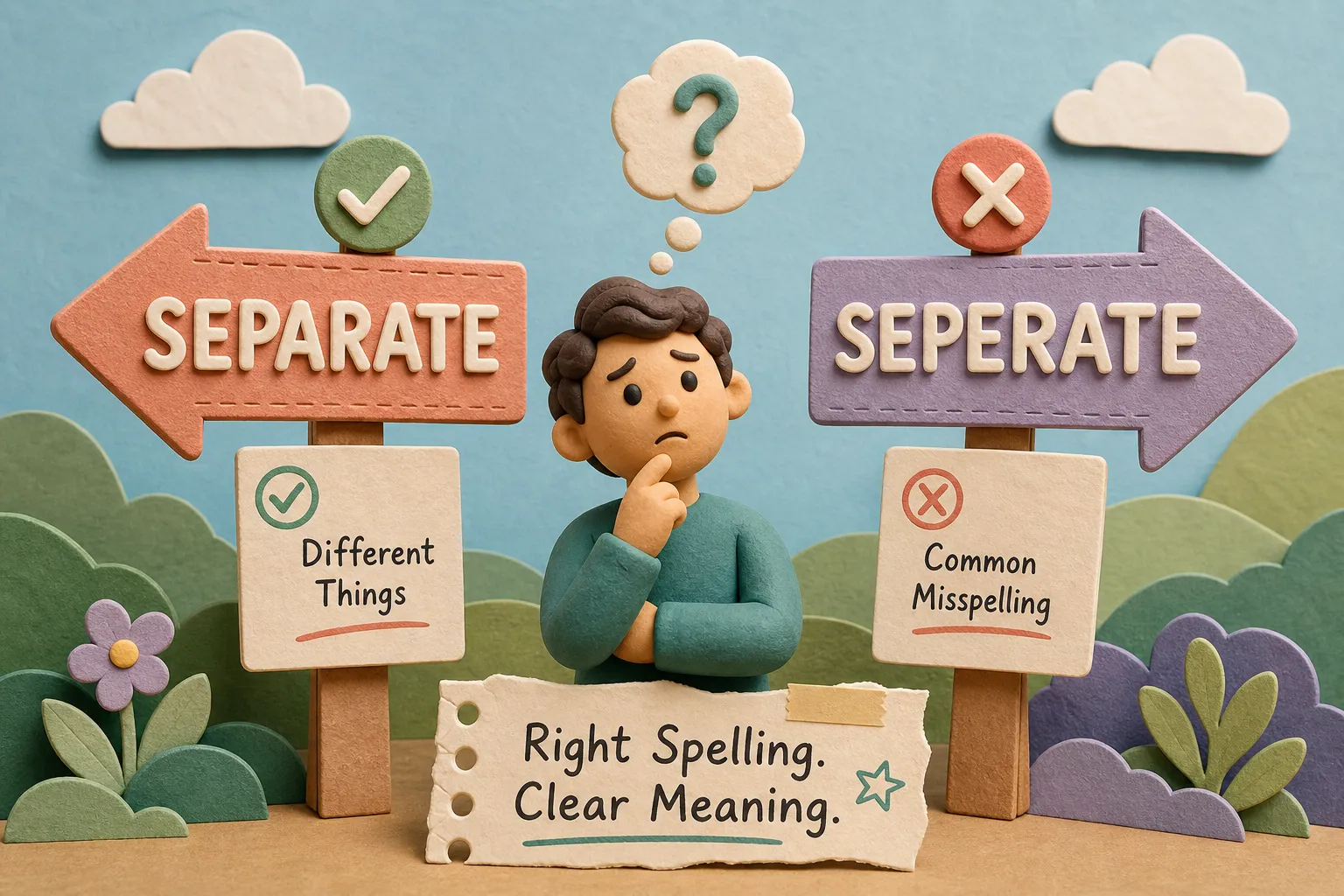
Separate or seperate? Learn the correct spelling, why the mistake happens, and three mnemonics. Stop misspelling this word in professional writing.
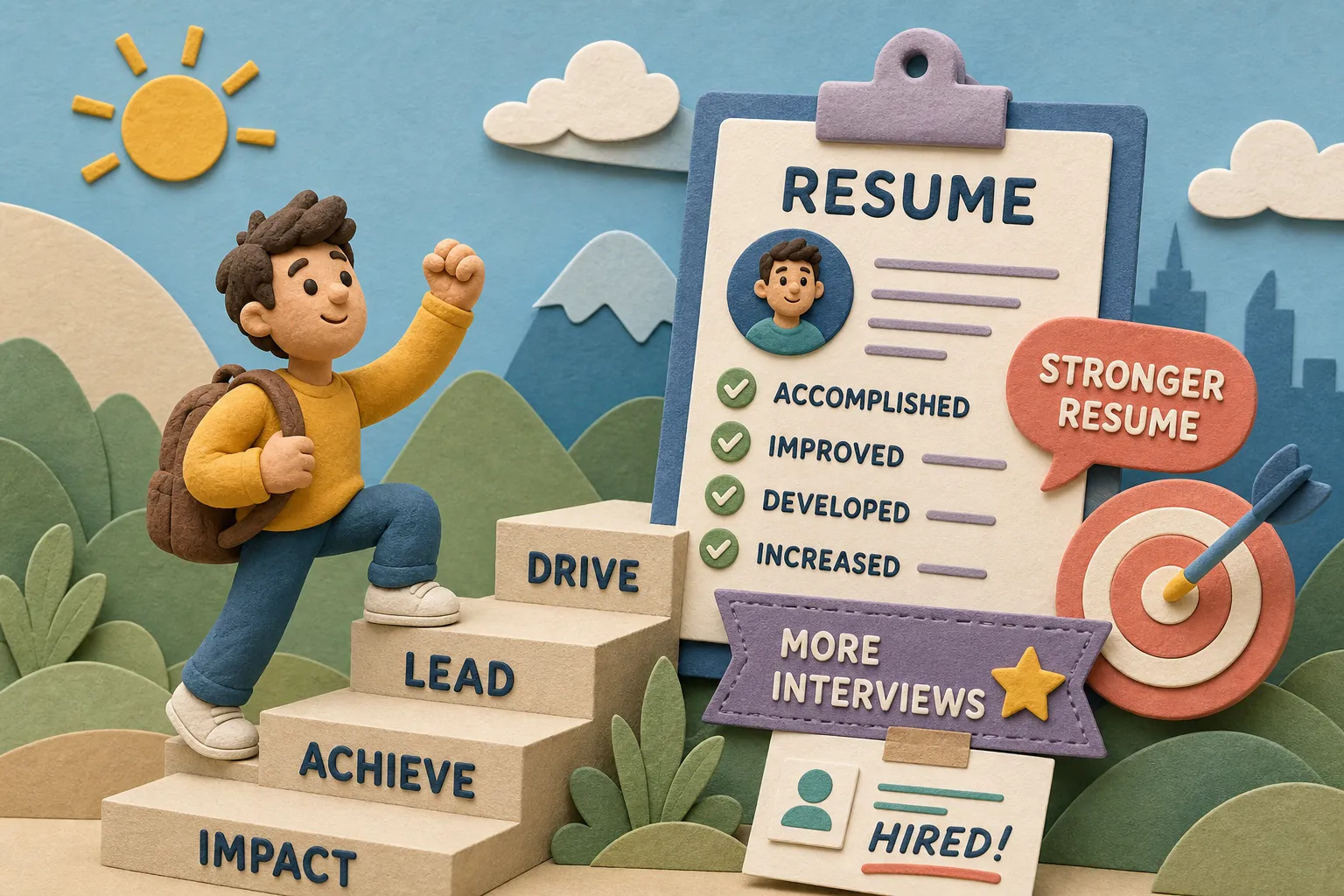
Use resume action verbs that actually get results. Find 150+ power words by skill, with real bullet examples and ATS tips for your 2026 job search.
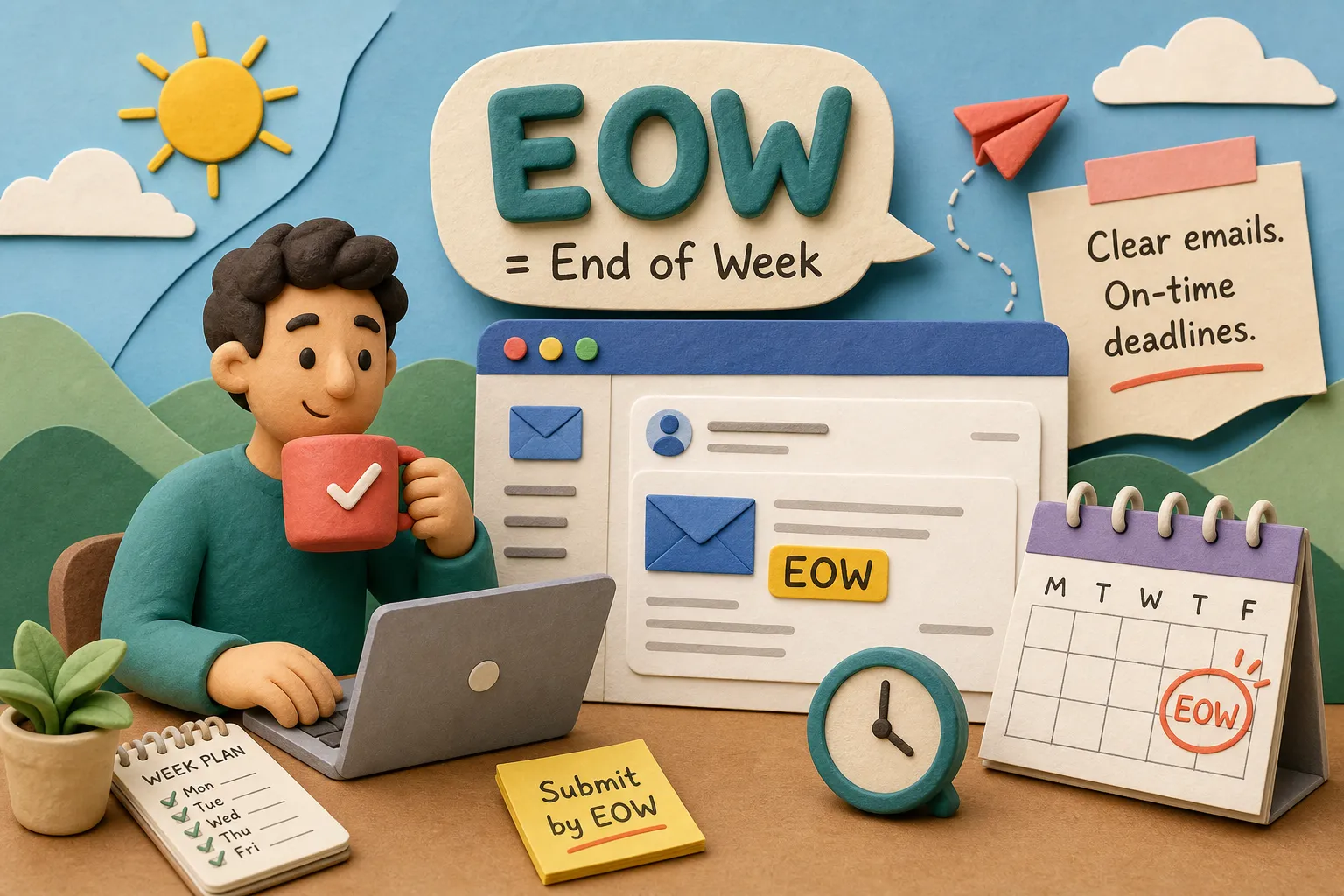
Learn what EOW means in American work emails, which day it refers to, and how it differs from EOD and COB. Master workplace deadline language with confidence.
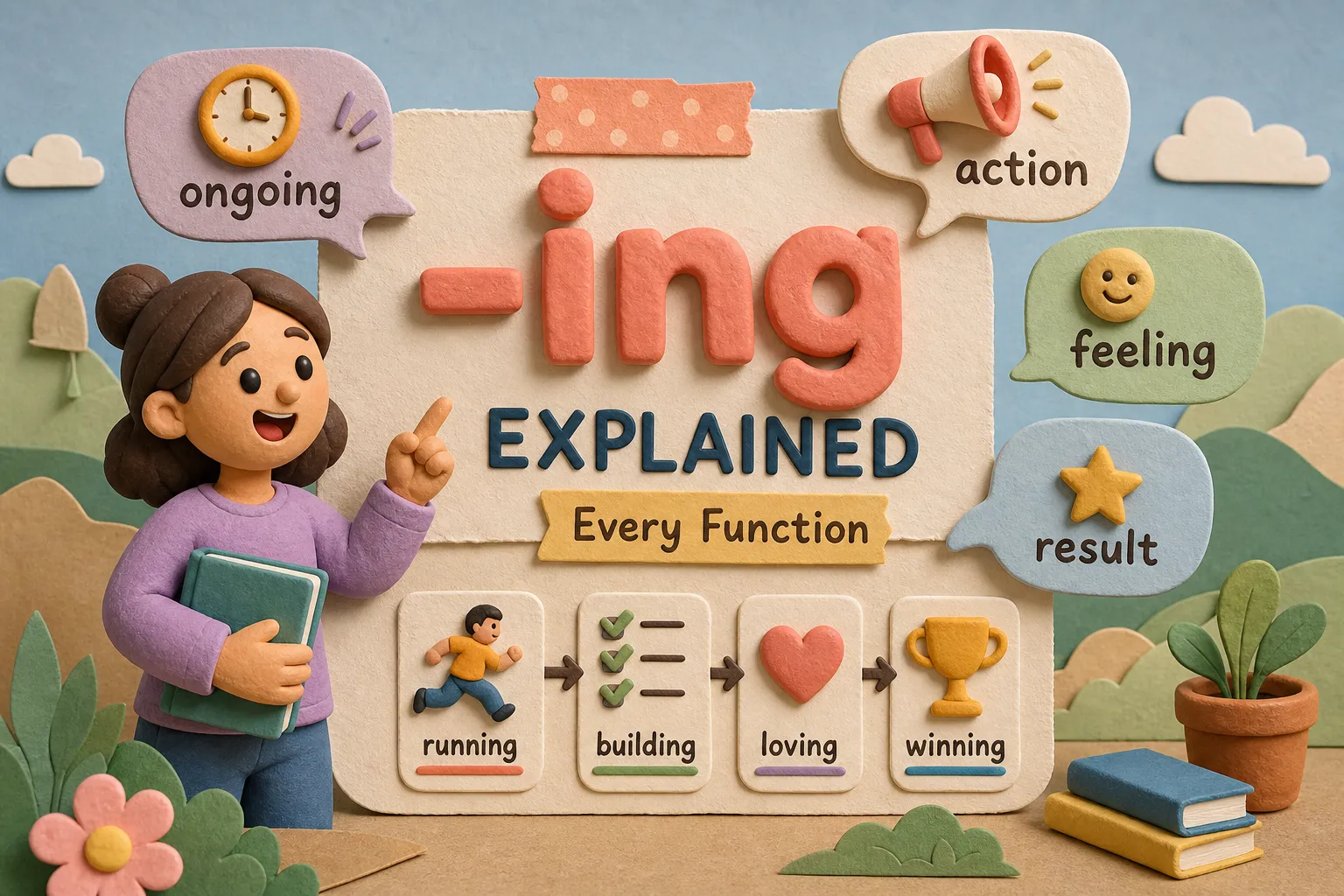
Ing words can be gerunds, participles, adjectives, or verbs. Learn how each works with American English examples, spelling rules, and a categorized word list.
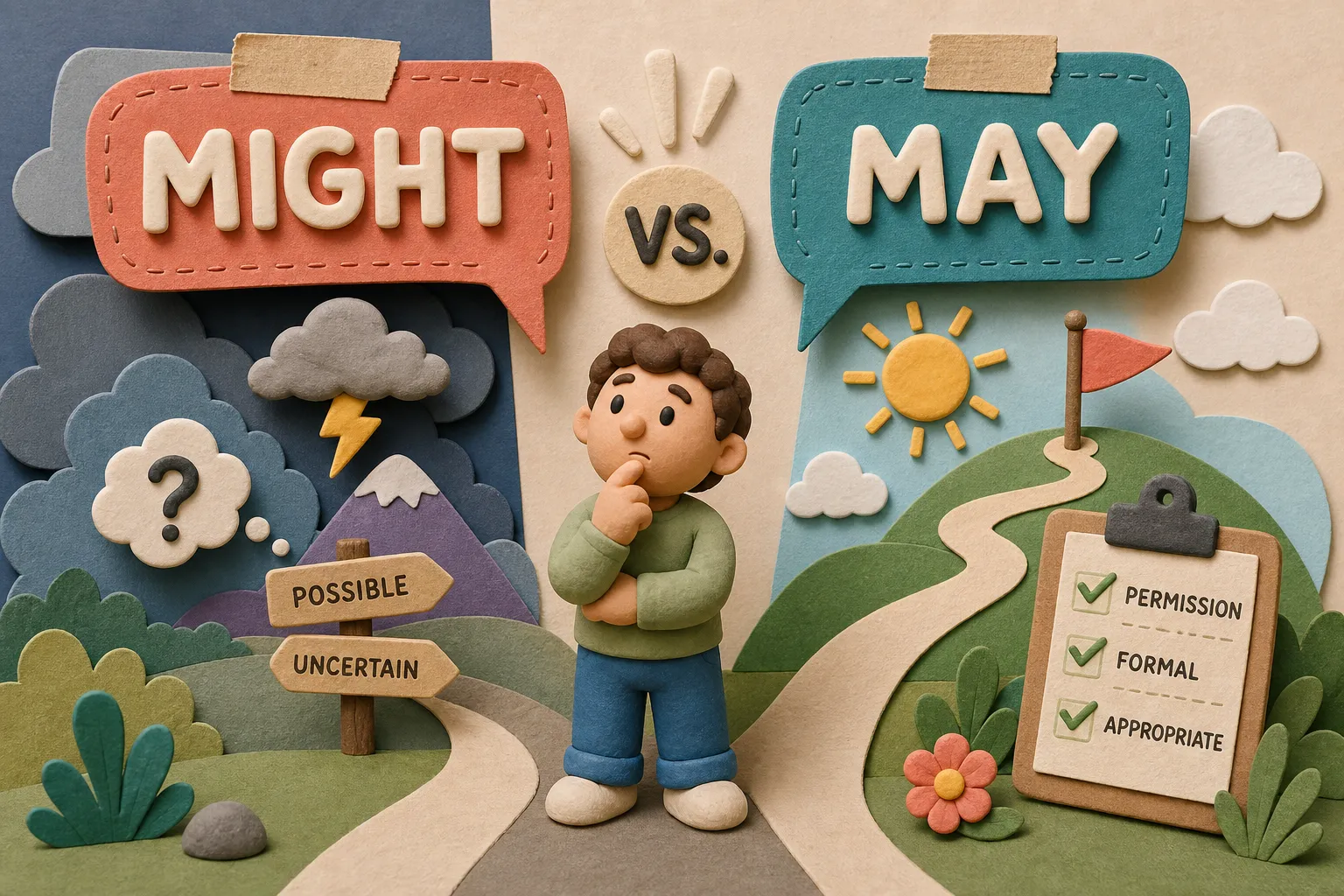
Learn the might vs. may difference for possibility, permission, and past tense. Clear examples show how American speakers use both in real conversations.