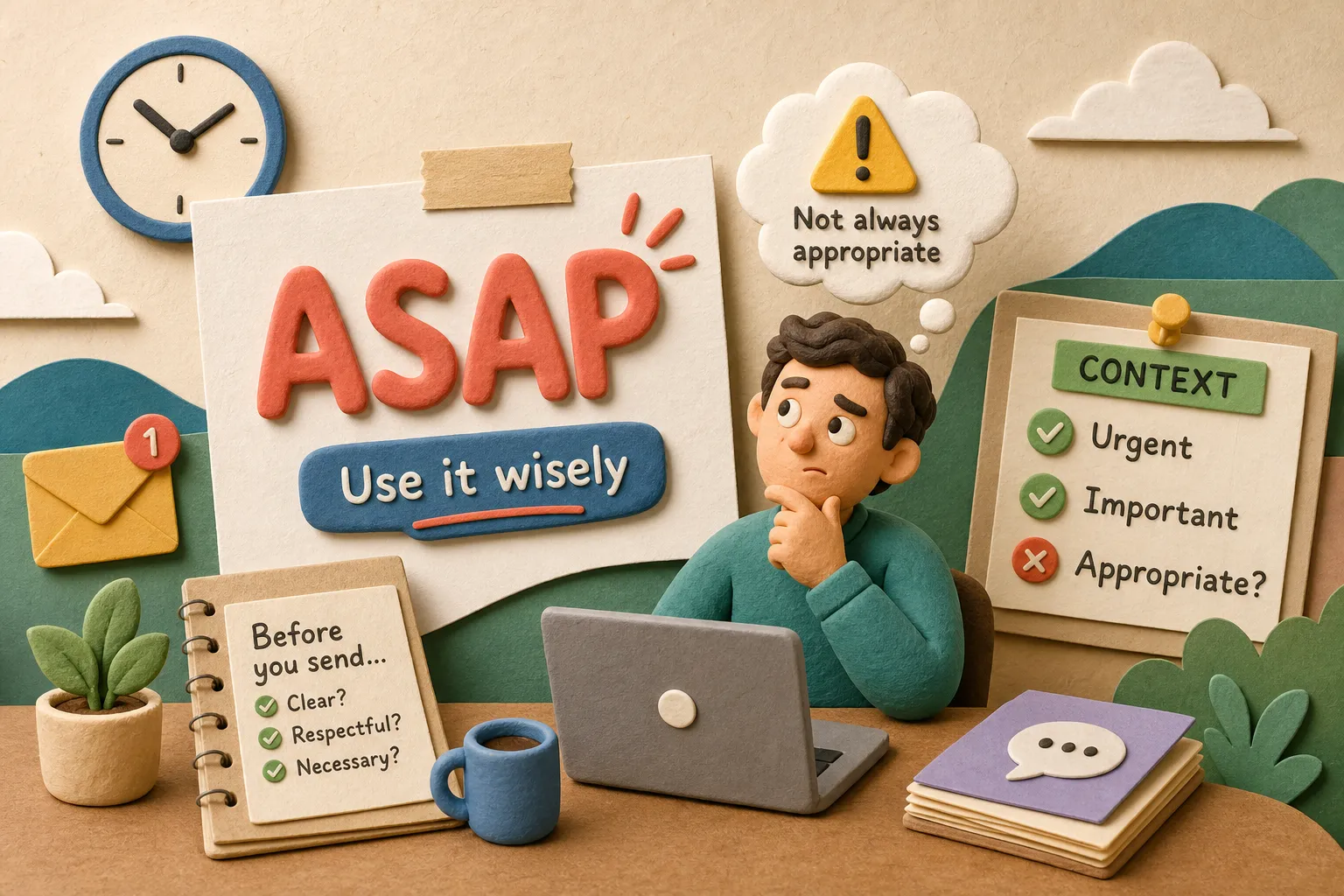
ASAP Meaning: How Americans Use It and When to Avoid It
Learn the ASAP meaning, how urgent it really is in American culture, and when to use it correctly. See real examples and polite professional alternatives.
American English lessons by category — everyday phrases, professional English, pronunciation, and grammar. Free and practical for ESL learners.
Learn the ASAP meaning, how urgent it really is in American culture, and when to use it correctly. See real examples and polite professional alternatives.
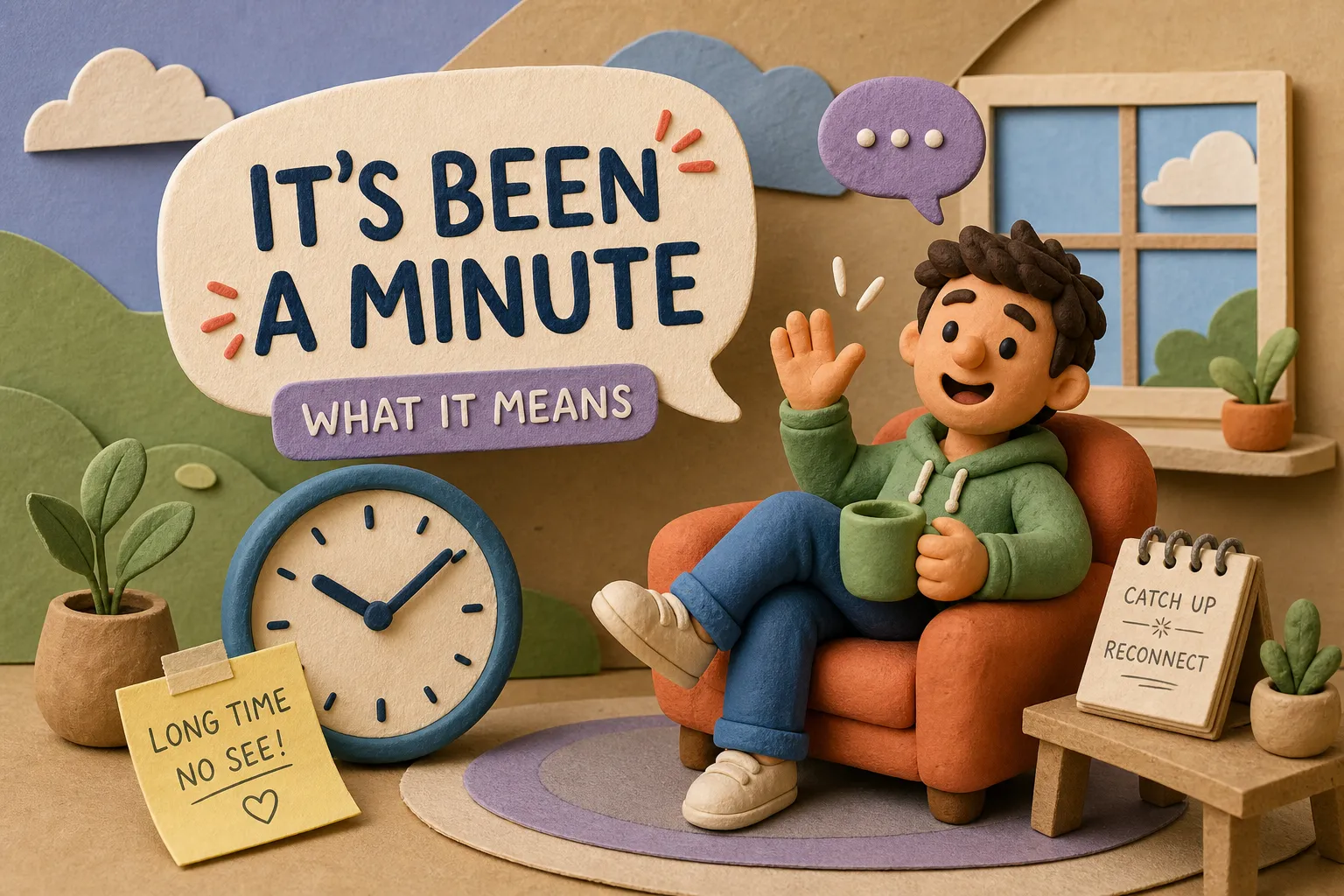
“It’s been a minute” doesn’t mean 60 seconds. Learn its real meaning, where it came from, and how to use it naturally. Your Daily American explains it all.
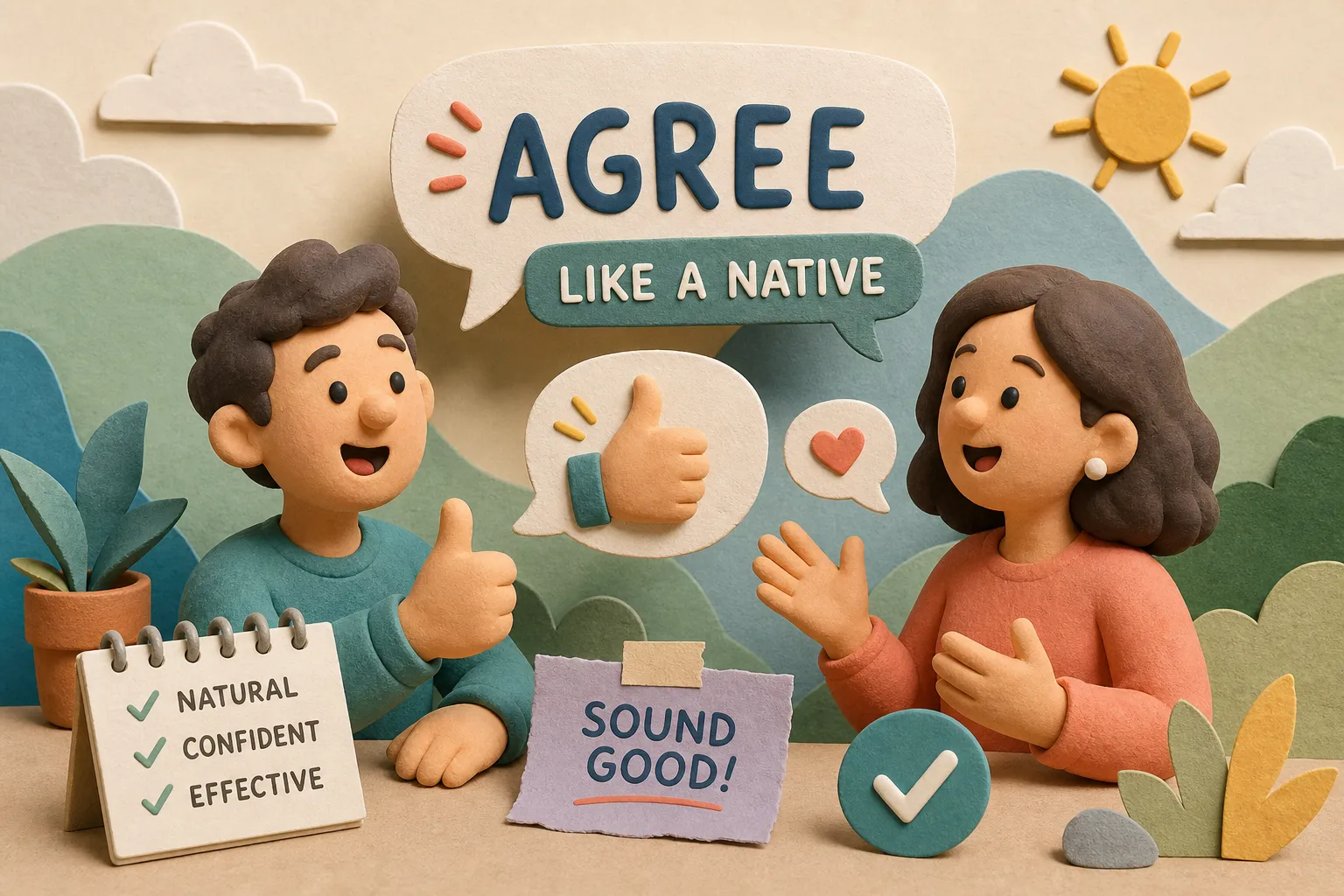
“Sounds good” is just the start. Discover 25 natural American agreement phrases with real examples for emails, texts, and meetings. Learn them at Your Daily American.
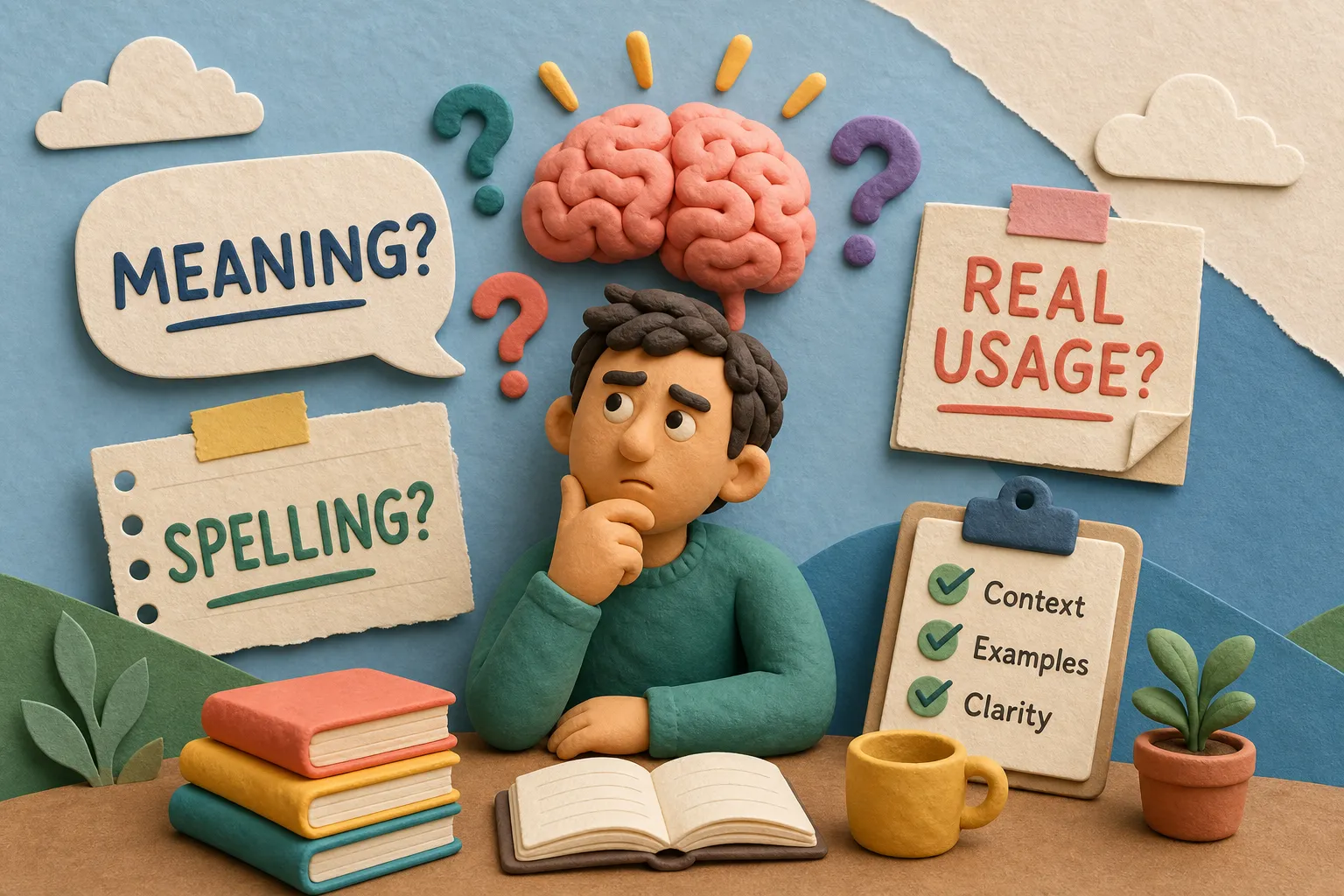
“Wracking my brain” confuses even advanced learners. Learn what it means, which spelling is correct, and how native speakers use it. Explore more at Your Daily American.
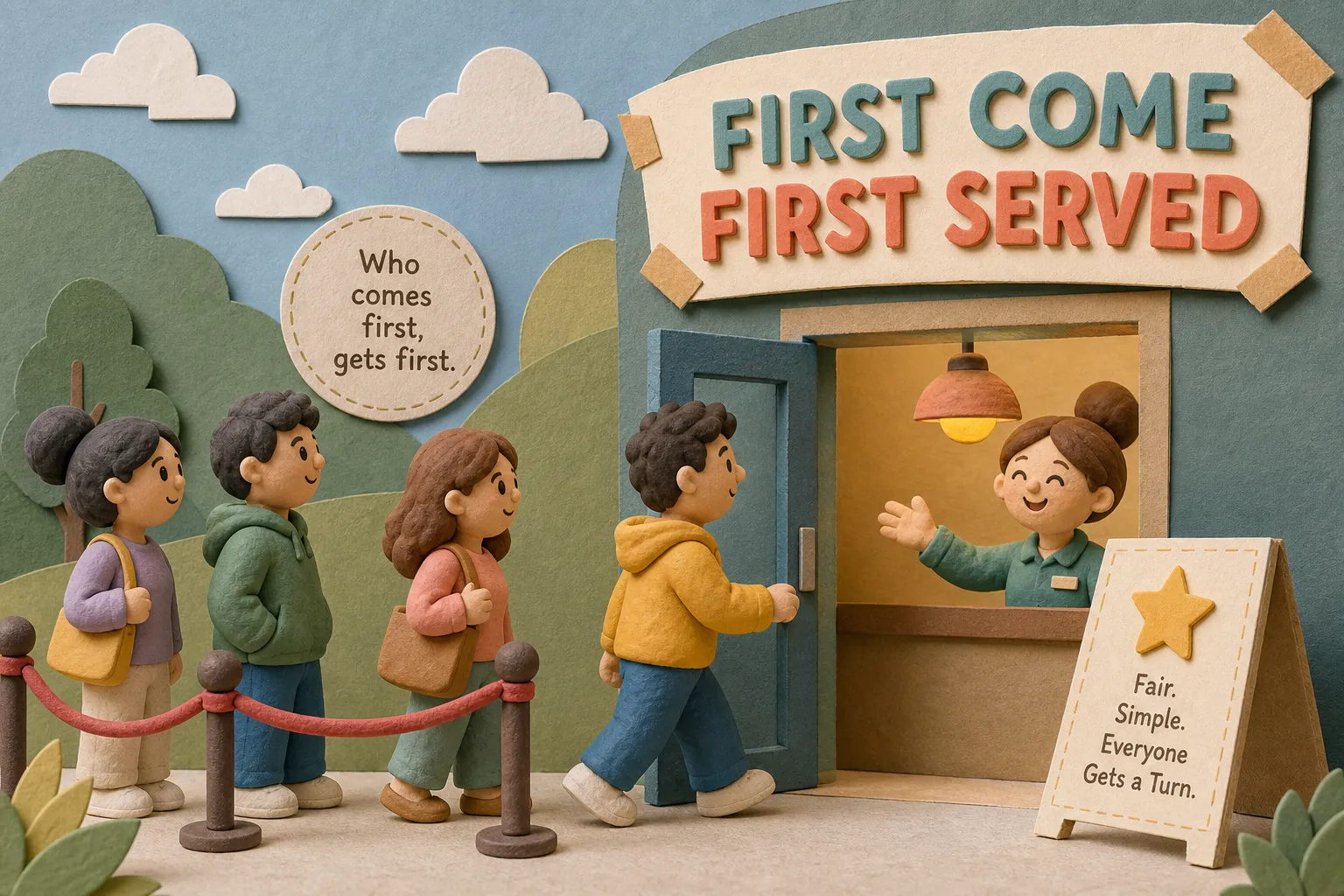
First come, first served explained: what it means, correct grammar, hyphenation rules, and real examples for signs, emails, and daily American English.
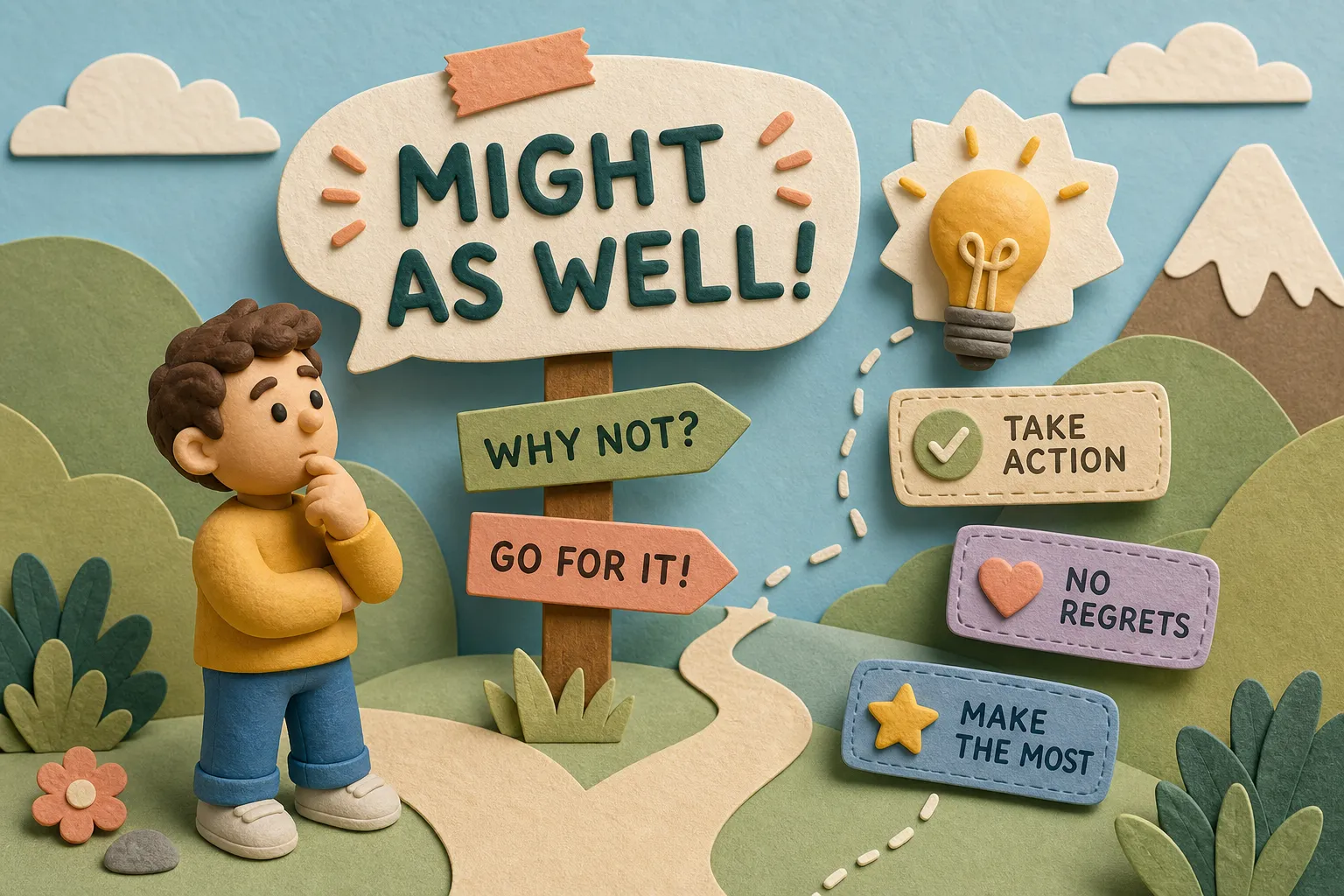
Learn the clear meaning of “might as well,” how it differs from “might well,” and see natural example sentences for everyday and professional American English.
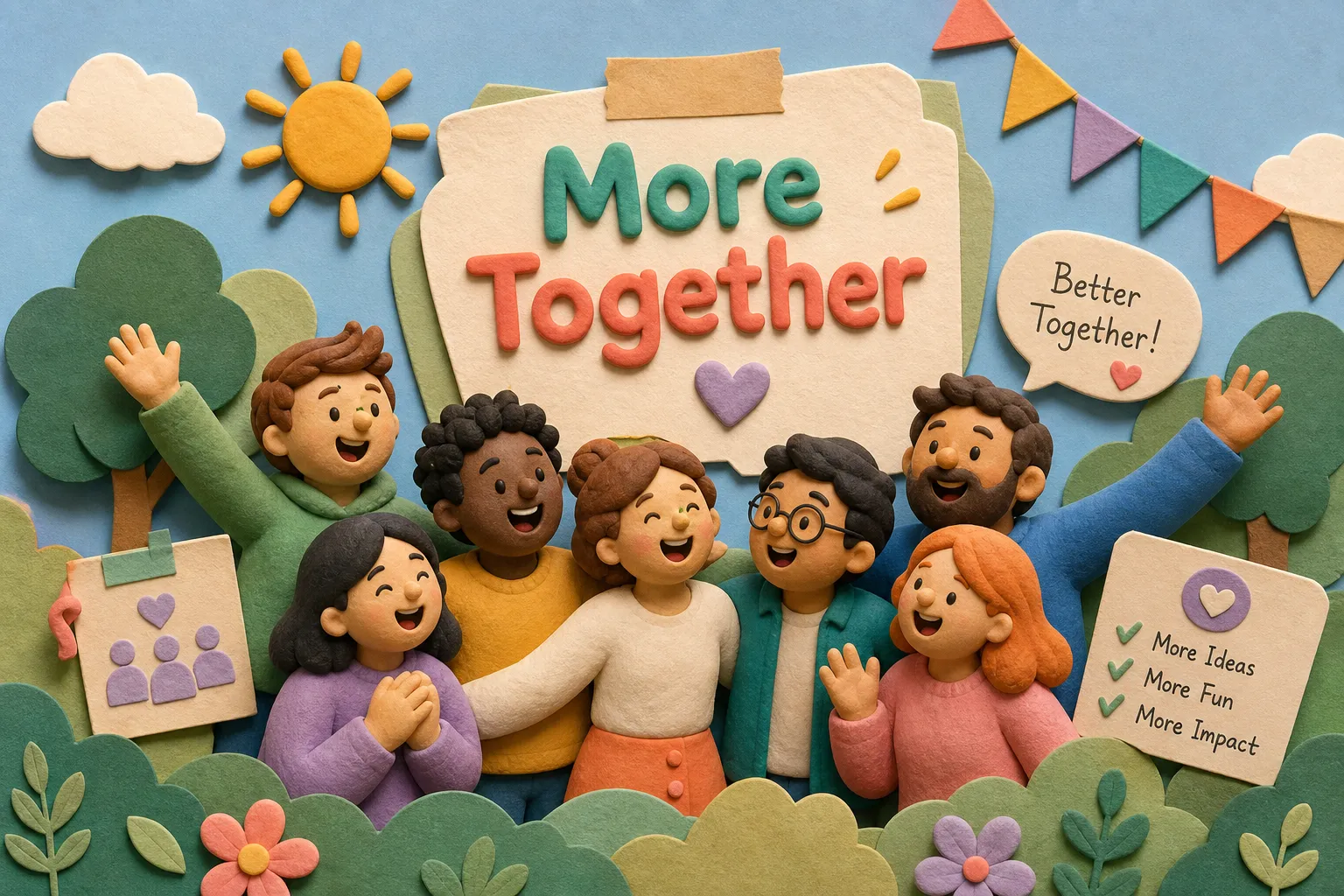
Learn what “the more the merrier” means and how Americans really use it. Real dialogue examples for social and work settings. Start sounding natural today.
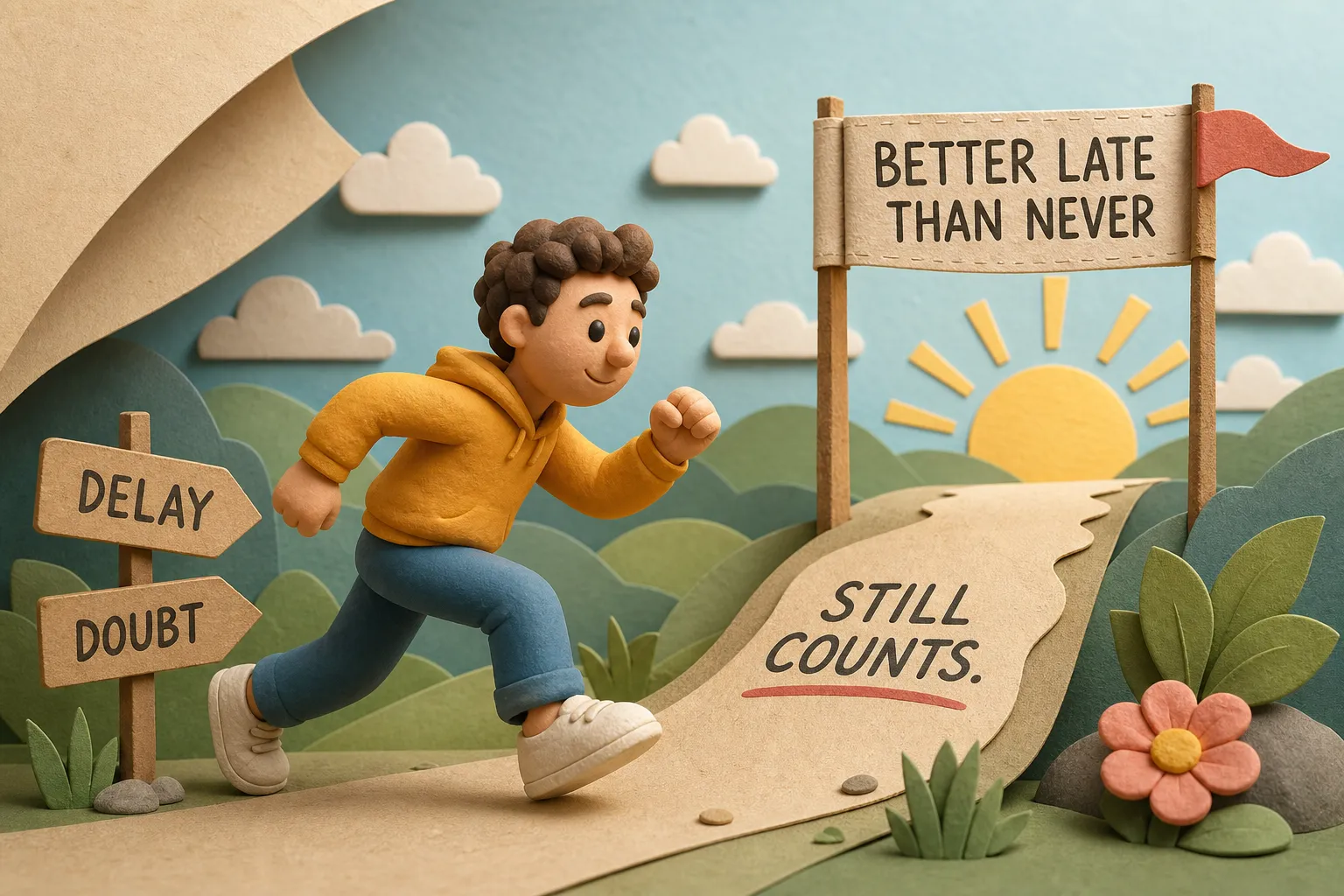
“Better late than never” is one of the most common American idioms. Learn what it means, where it comes from, and how to use it naturally in real life.
Learn 150+ text abbreviations Americans use in casual and professional settings, with real examples and tips on when each one is appropriate. Start decoding now.

“Living the dream” can be sincere or sarcastic. Learn the meaning, cultural roots, and how tone changes everything in American English conversation.

Learn what “what are you up to” really means in American English and how to reply naturally in any situation, from casual texts to conversations at work.
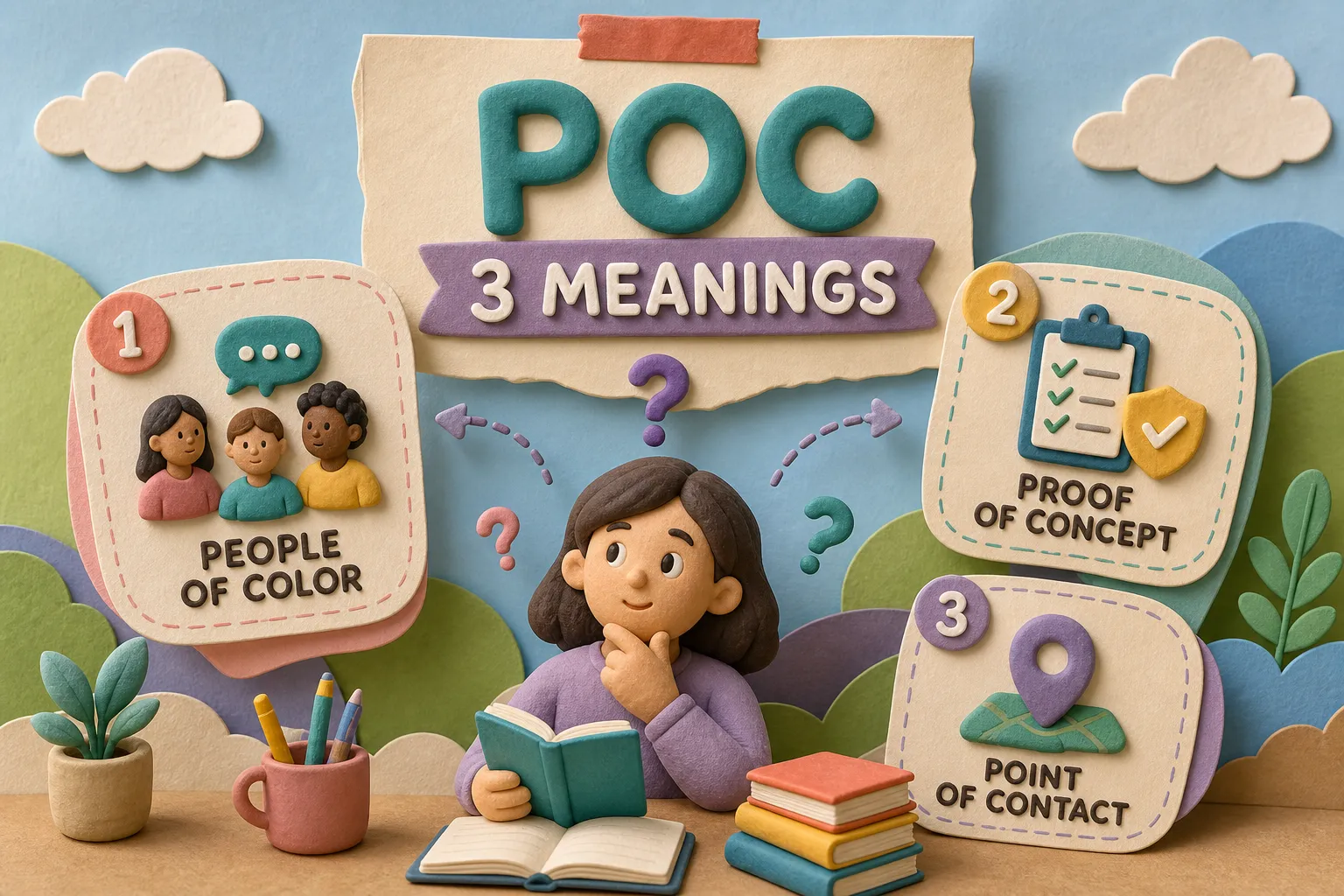
POC meaning explained: is it people of color, point of contact, or proof of concept? Real workplace examples inside. Learn more at Your Daily American.
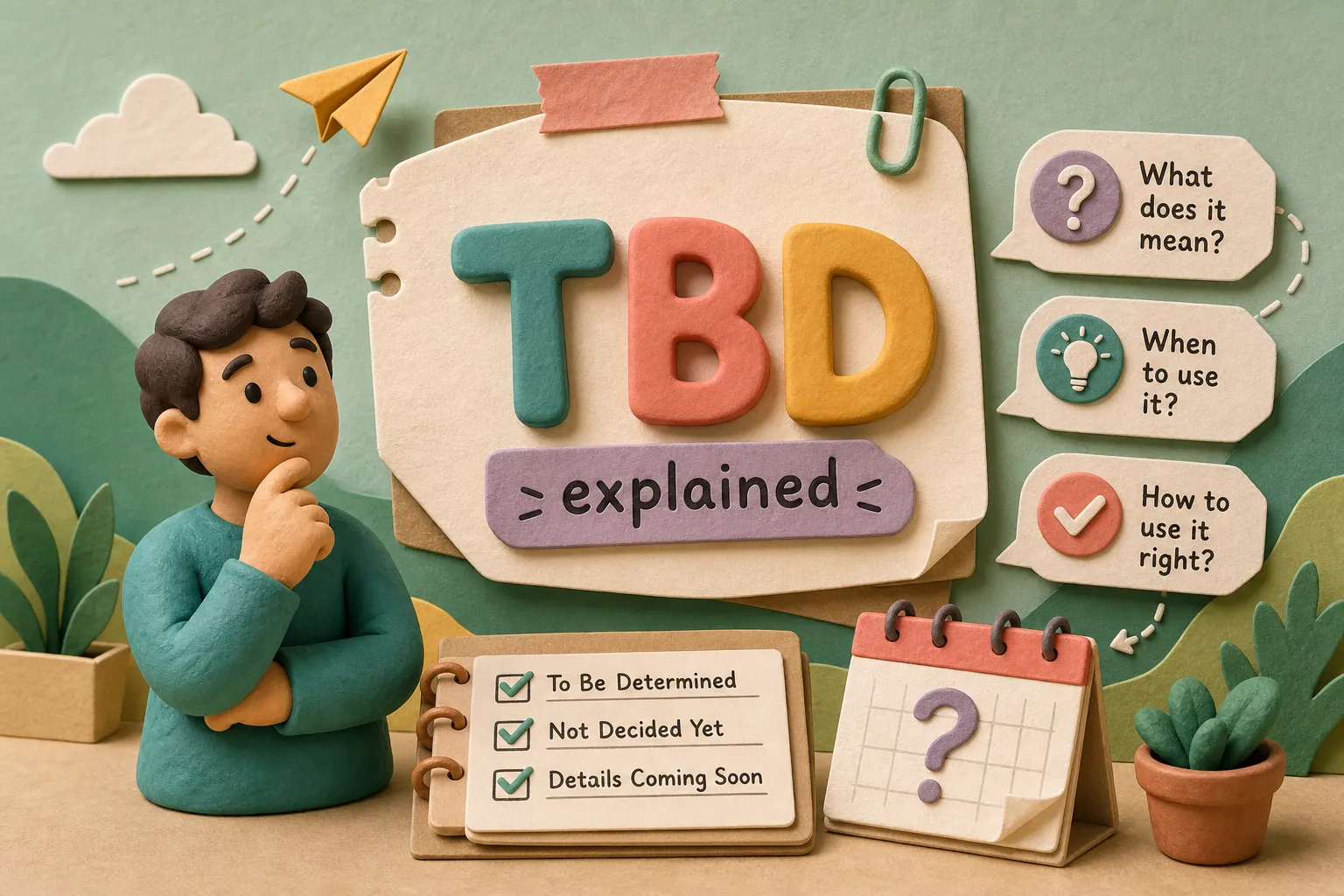
TBD meaning explained simply: what the abbreviation stands for, how it differs from TBA and TBC, and real examples from work, email, and daily life.
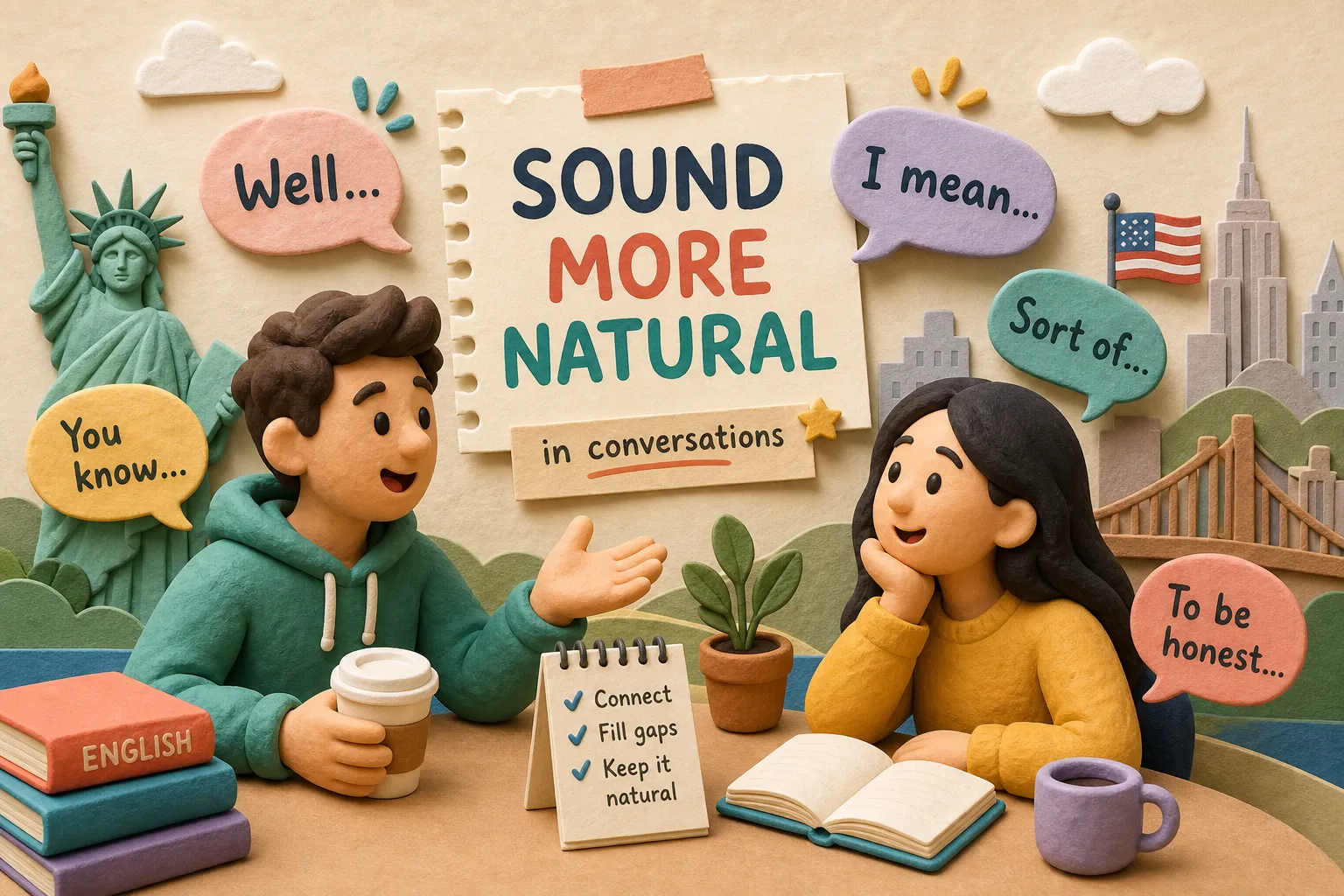
Discover the most common filler phrases in American English, what they really mean, and how to use them naturally. Sound like a native, not a textbook.
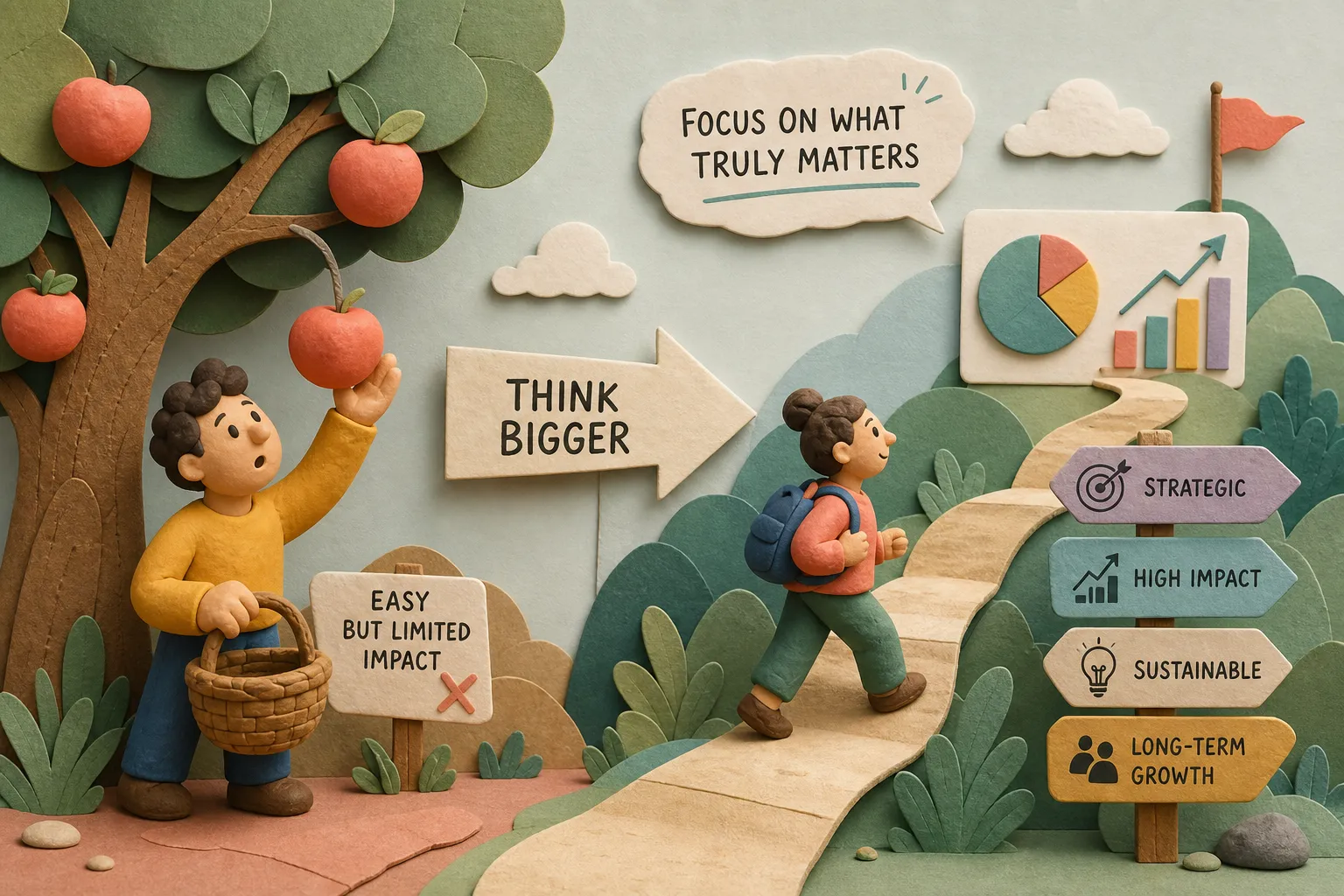
Low-hanging fruit is everywhere in American business. Learn what it means, when to use it, and better alternatives for every tone. Speak more naturally today.
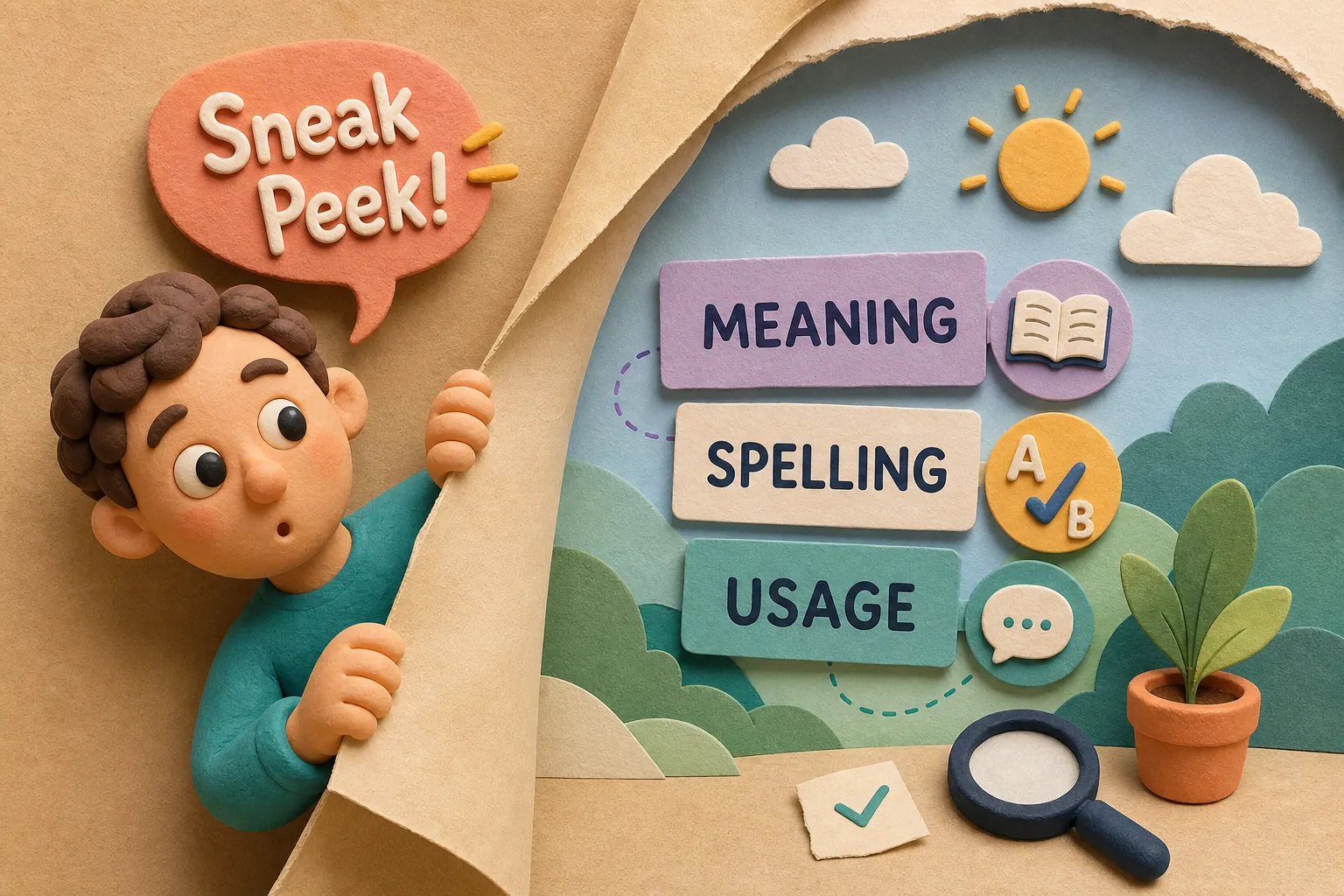
Learn what “sneak peek” means, how to spell it (not “sneak peak”), and when Americans use it. Real examples included. Master it at Your Daily American.
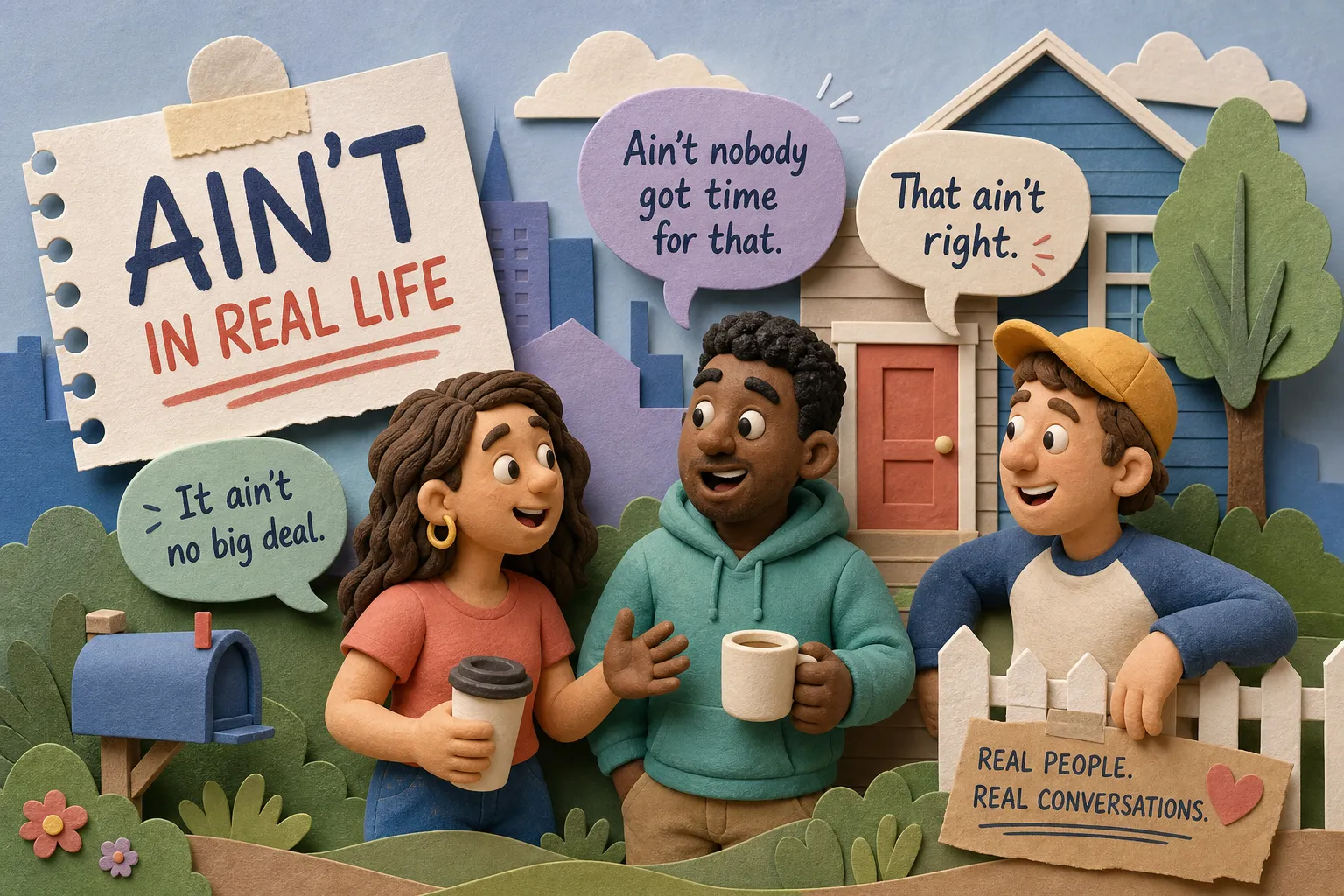
Wondering what “ain’t” means? Learn its definition, which verbs it replaces, real examples from music and movies, and when to use—or avoid—it. Start here.
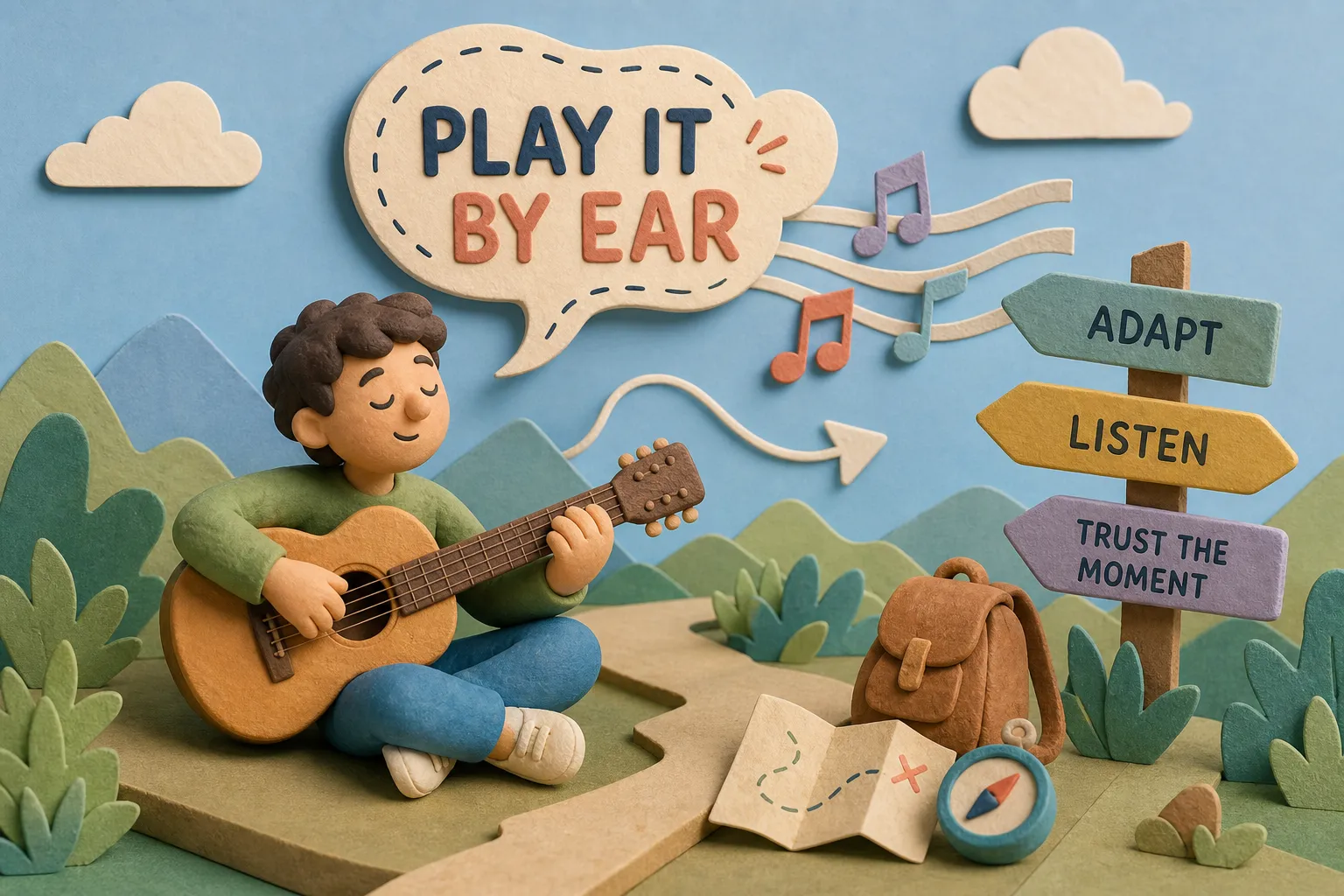
Learn what “play it by ear” means, where it comes from, and how Americans use it every day. See natural examples and synonyms. Start using it today!

Learn 50 common English proverbs with meaning, clear explanations, and real example sentences. See how native speakers use them in everyday American English.
Master short answers in American English — yes/no replies, tag questions, and more. Real dialogues, grammar rules, and practice tips. Learn with Your Daily American.

Learn the most common terms of endearment in American English—honey, babe, sweetie, buddy—when to use them, and what’s culturally appropriate. Read now.