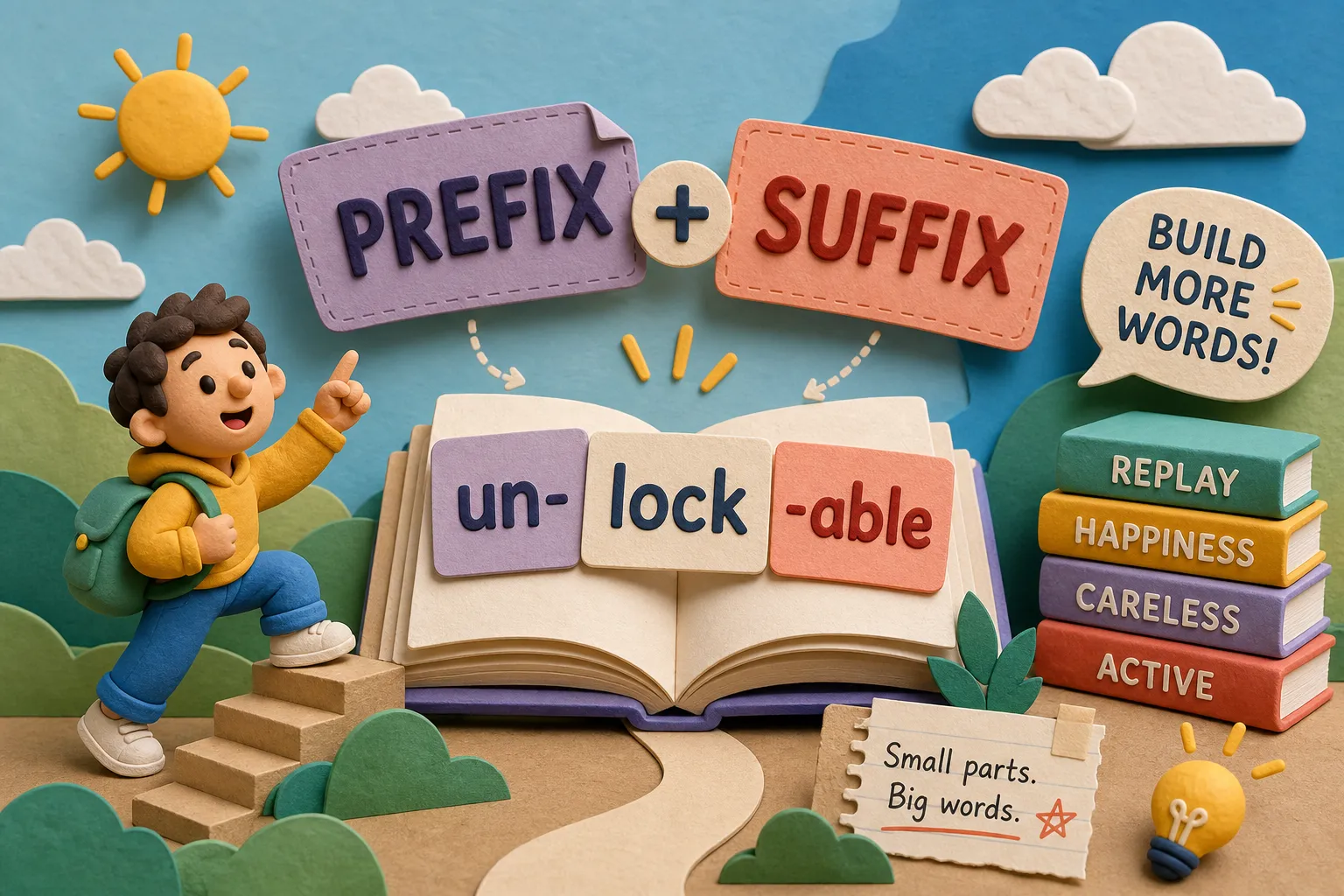
Prefixes and Suffixes: Unlock Thousands of English Words
Learn how prefixes and suffixes unlock thousands of English words. Get a free reference chart and start decoding unfamiliar words today.
American English lessons by category — everyday phrases, professional English, pronunciation, and grammar. Free and practical for ESL learners.
Learn how prefixes and suffixes unlock thousands of English words. Get a free reference chart and start decoding unfamiliar words today.

Root words are your shortcut to English vocabulary. Learn key Latin & Greek roots, decode new words instantly, and build lasting fluency. Start here.

BFF meaning explained the way Americans really use it: full definition, origin, real examples, and similar friendship slang. Learn to use it naturally today.
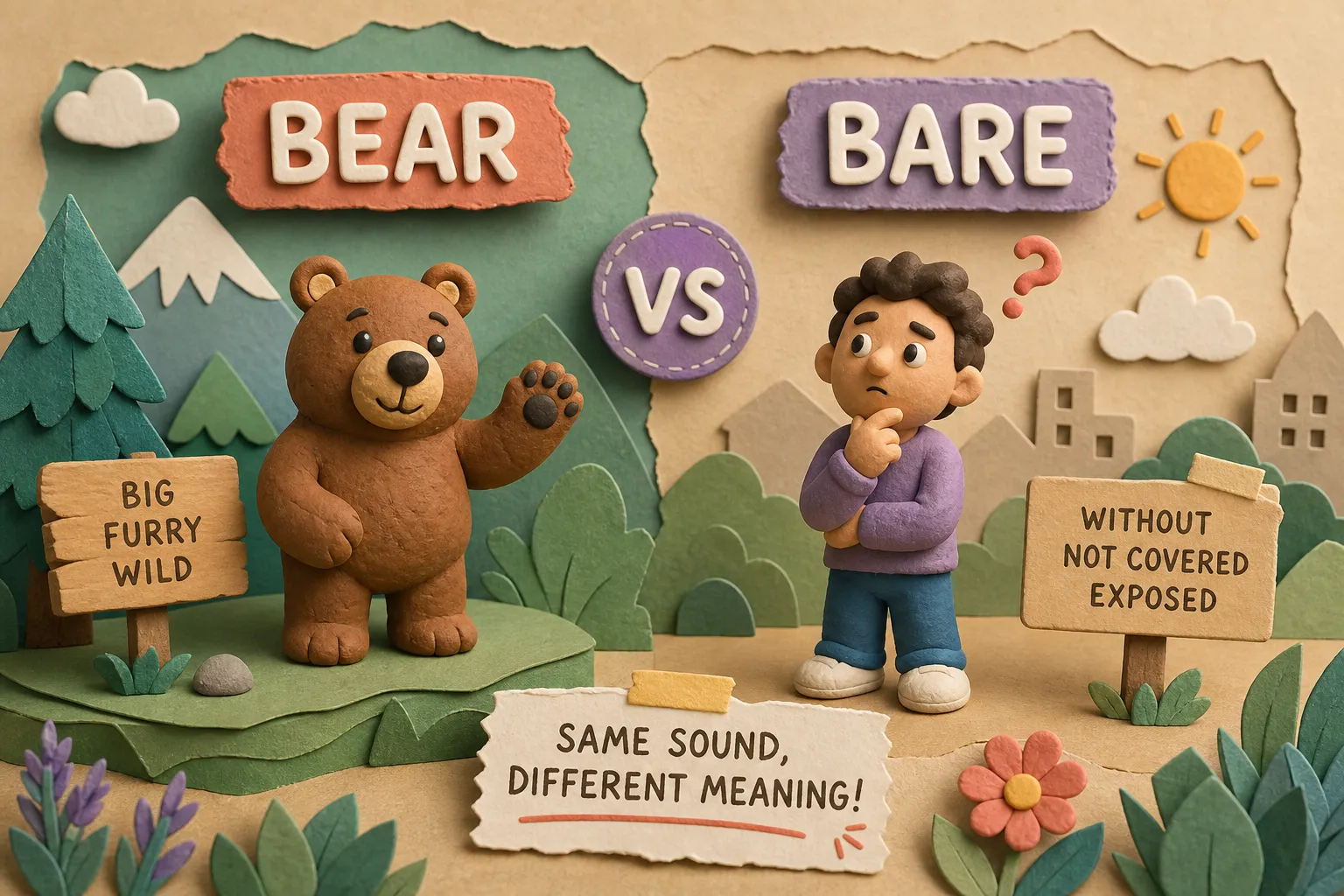
Bear vs bare confuses even confident writers. Learn the meanings, grammar roles, and common phrases — plus a simple trick to always pick the right word.
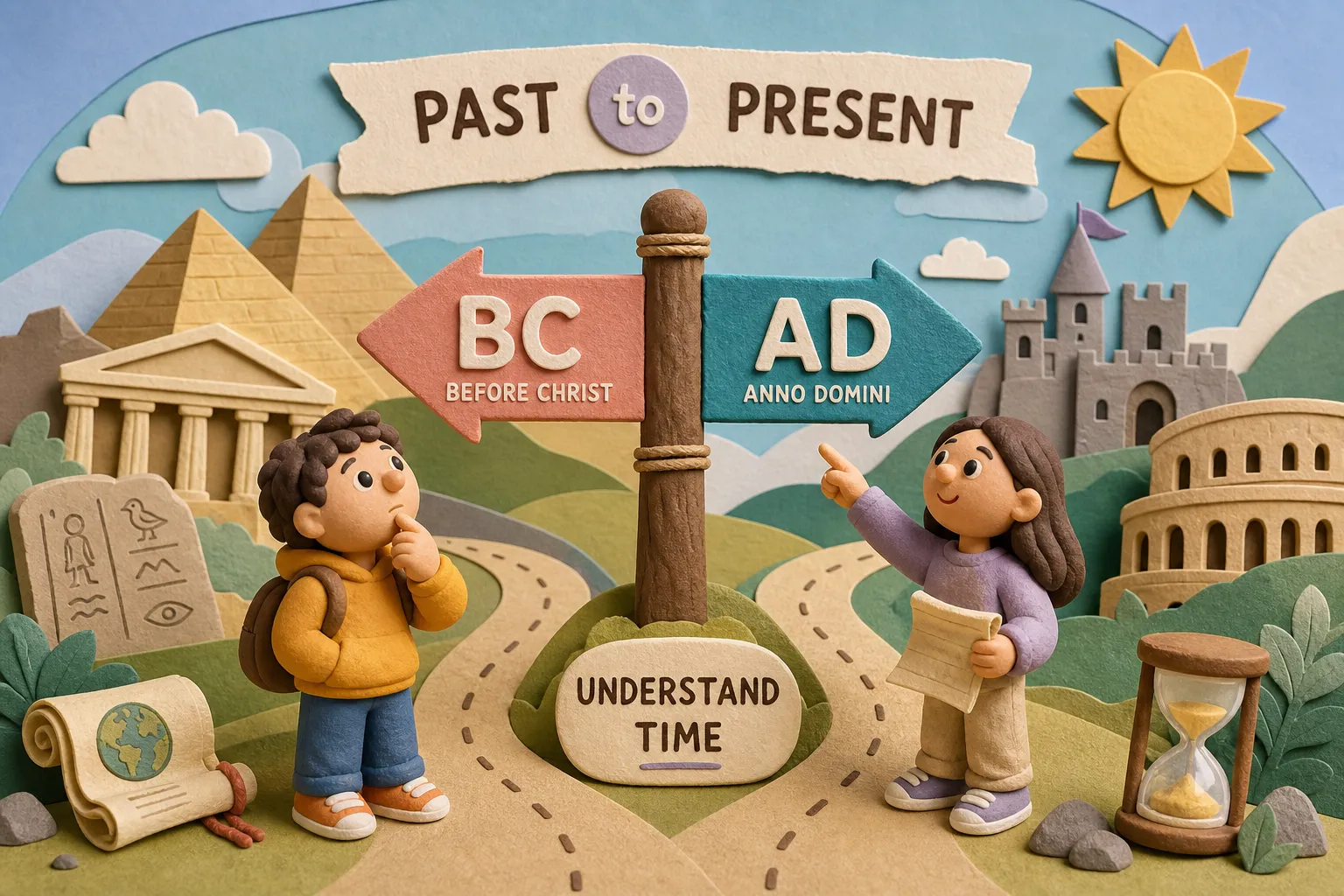
AD BC meaning, Latin origins, why AD goes before the year, and how BCE/CE compare—clear, myth-busting answers every English learner needs. Read now.
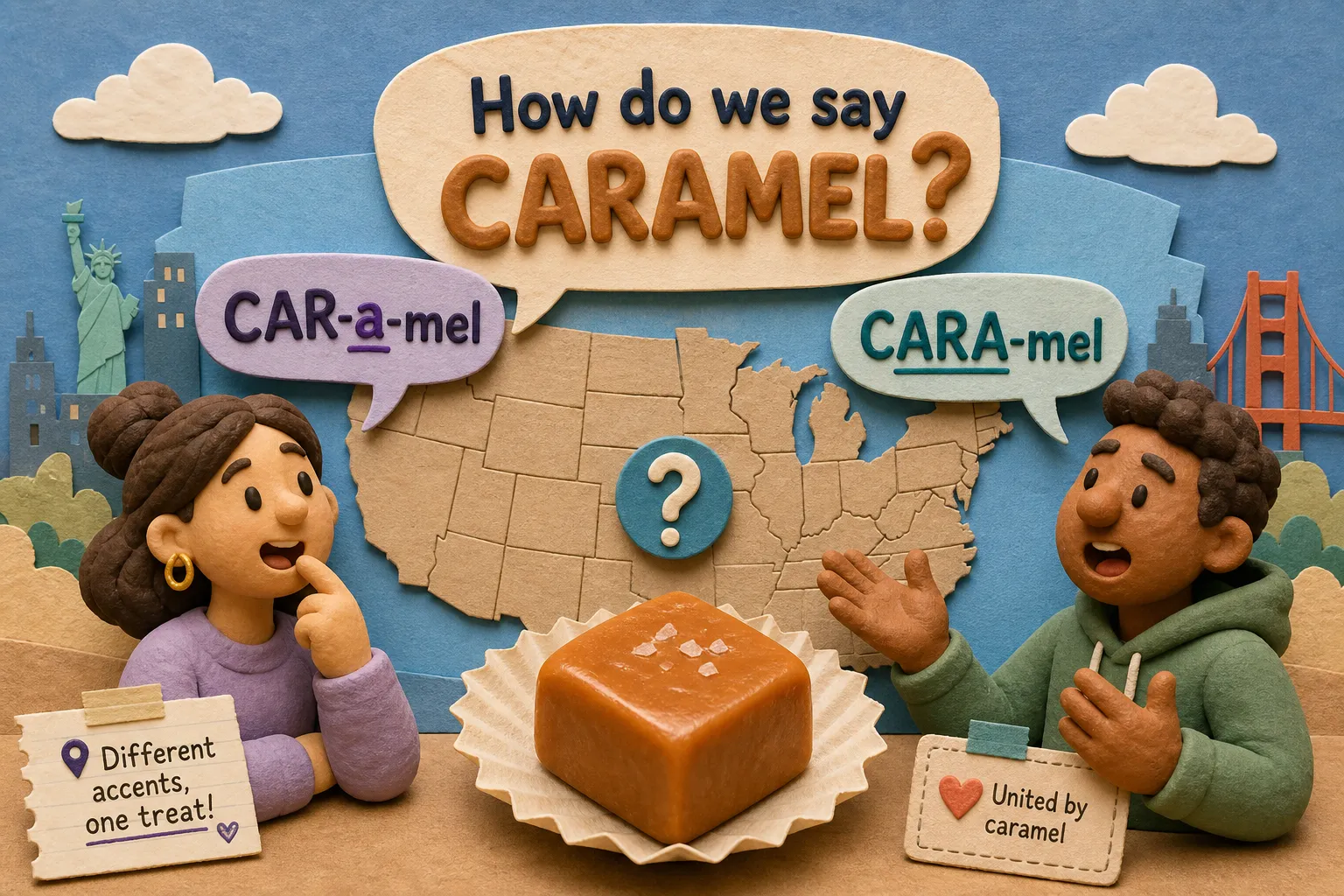
Caramel pronunciation in American English: two accepted ways natives say it, IPA included, with regional patterns and tips to say it confidently. Start here.
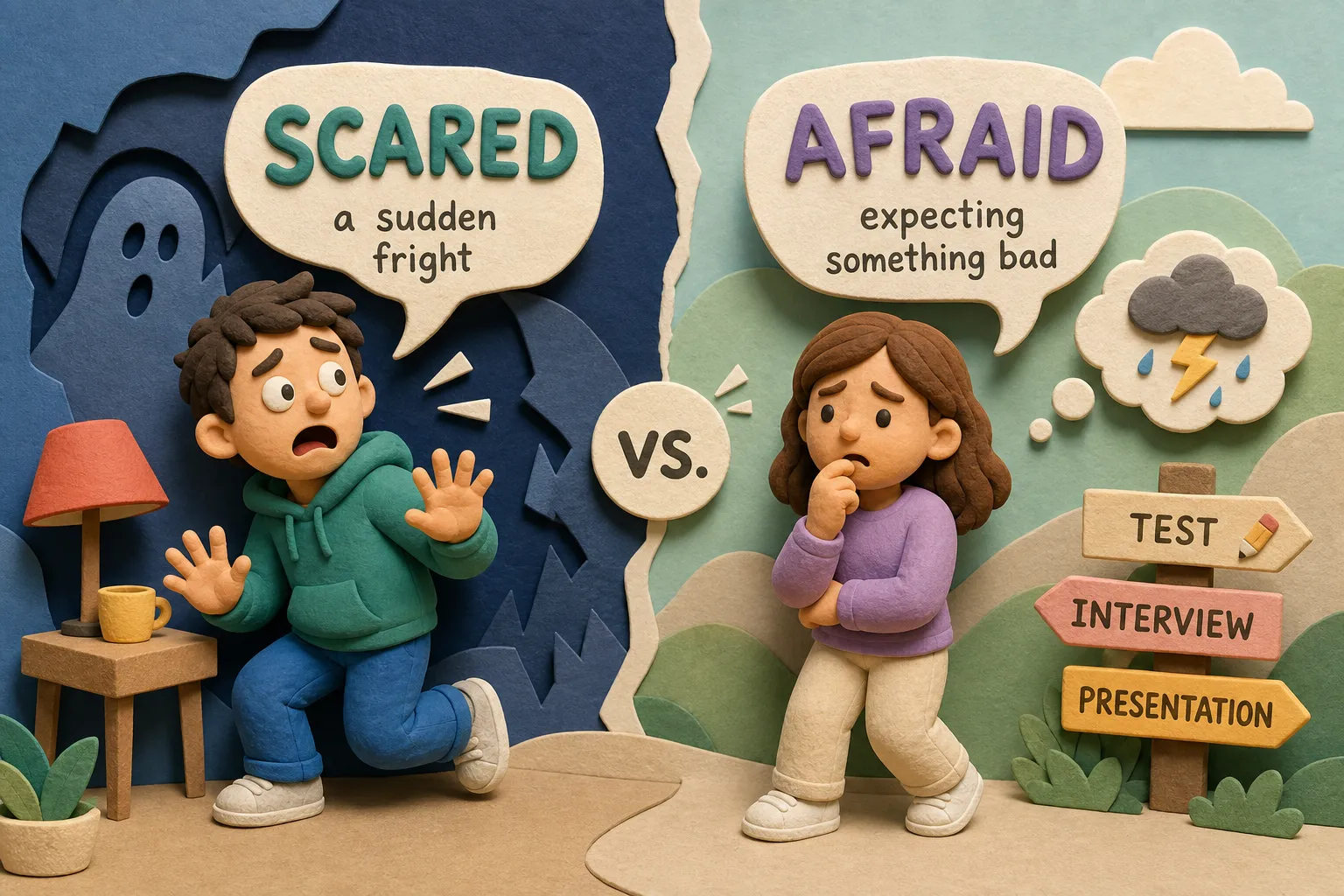
Scared vs afraid: learn the key grammar patterns, formality differences, and intensity scale so you always choose the right word. Real examples included.
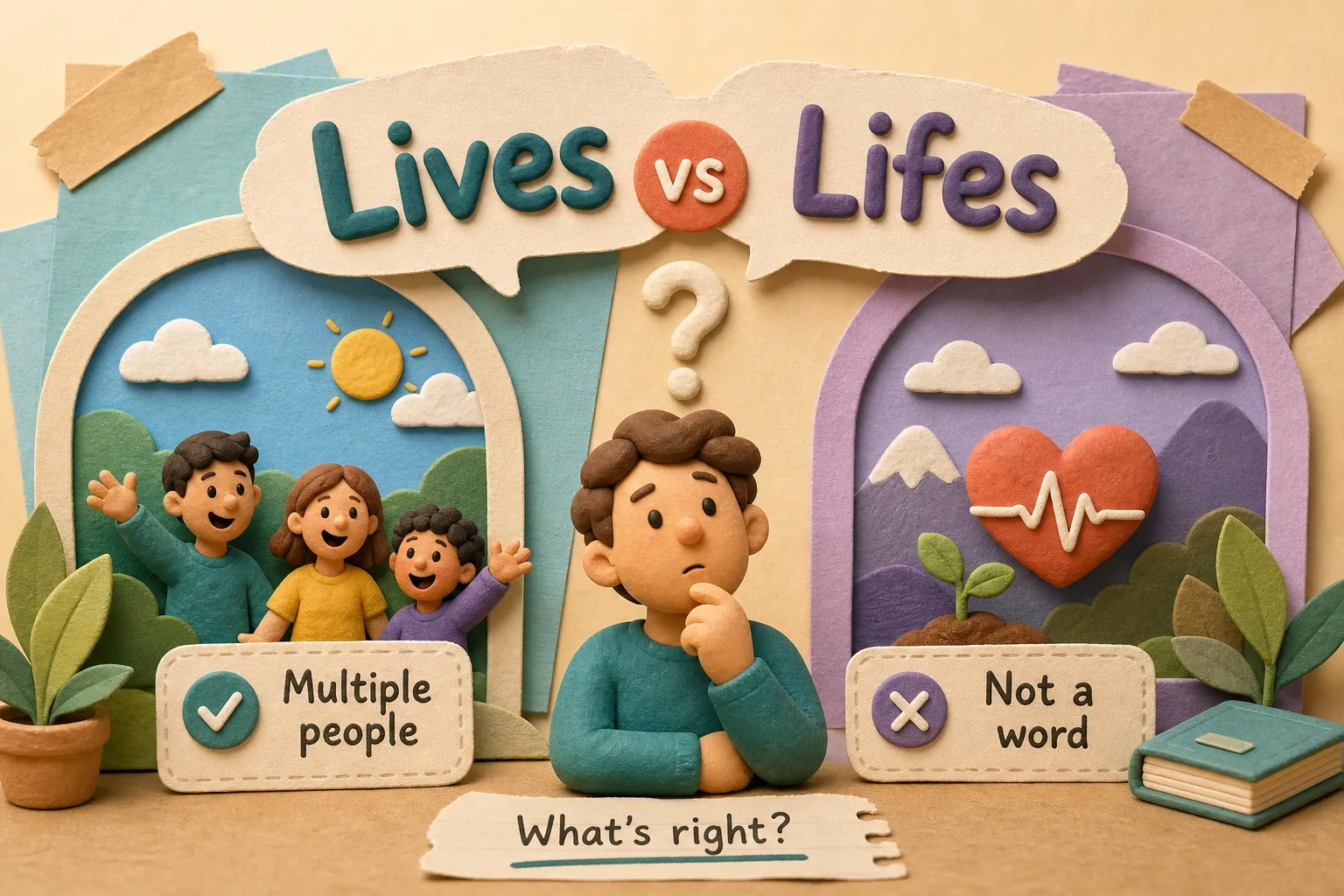
Lives vs lifes — which is correct? Learn the f→ves rule, when to use life’s, and how to pronounce lives right. Real examples, clear rules, quick practice.
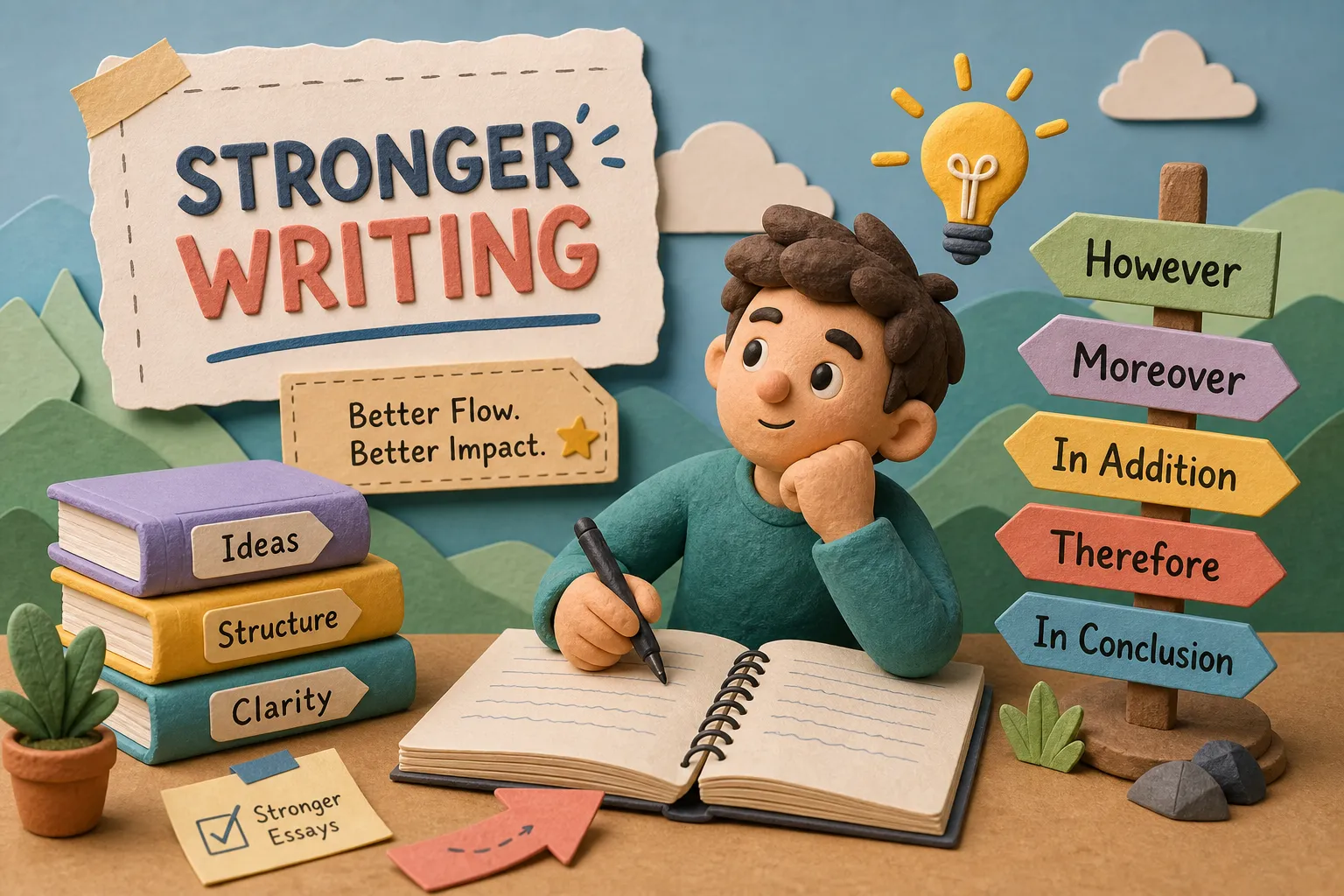
Essay transition words organized by function: contrast, addition, cause/effect, and more. Real sentence examples, punctuation rules, and stronger alternatives to improve your writing.
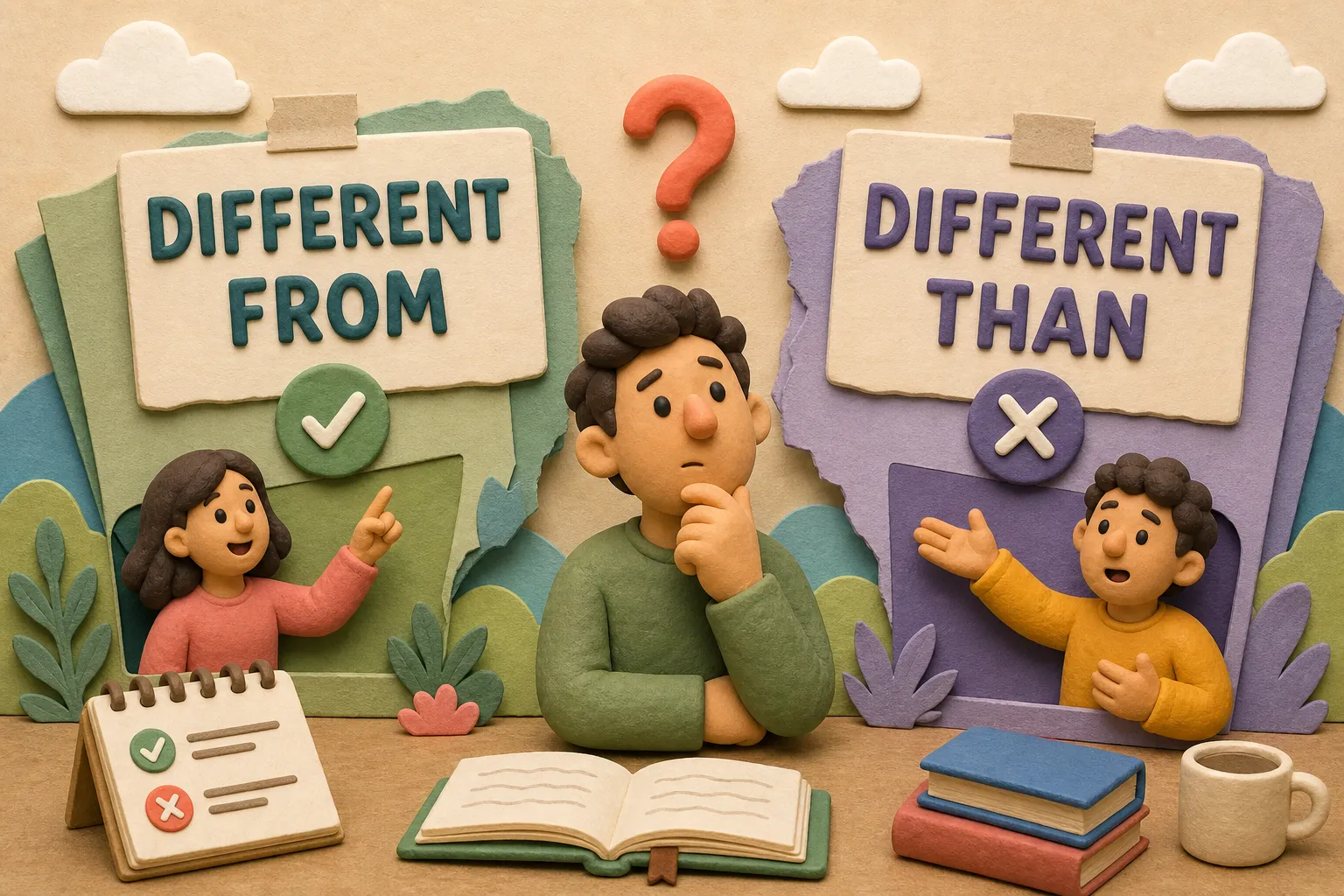
“Different from or different than” — which is correct? Learn the American English rule, the clause exception, and what style guides say. Master this today.
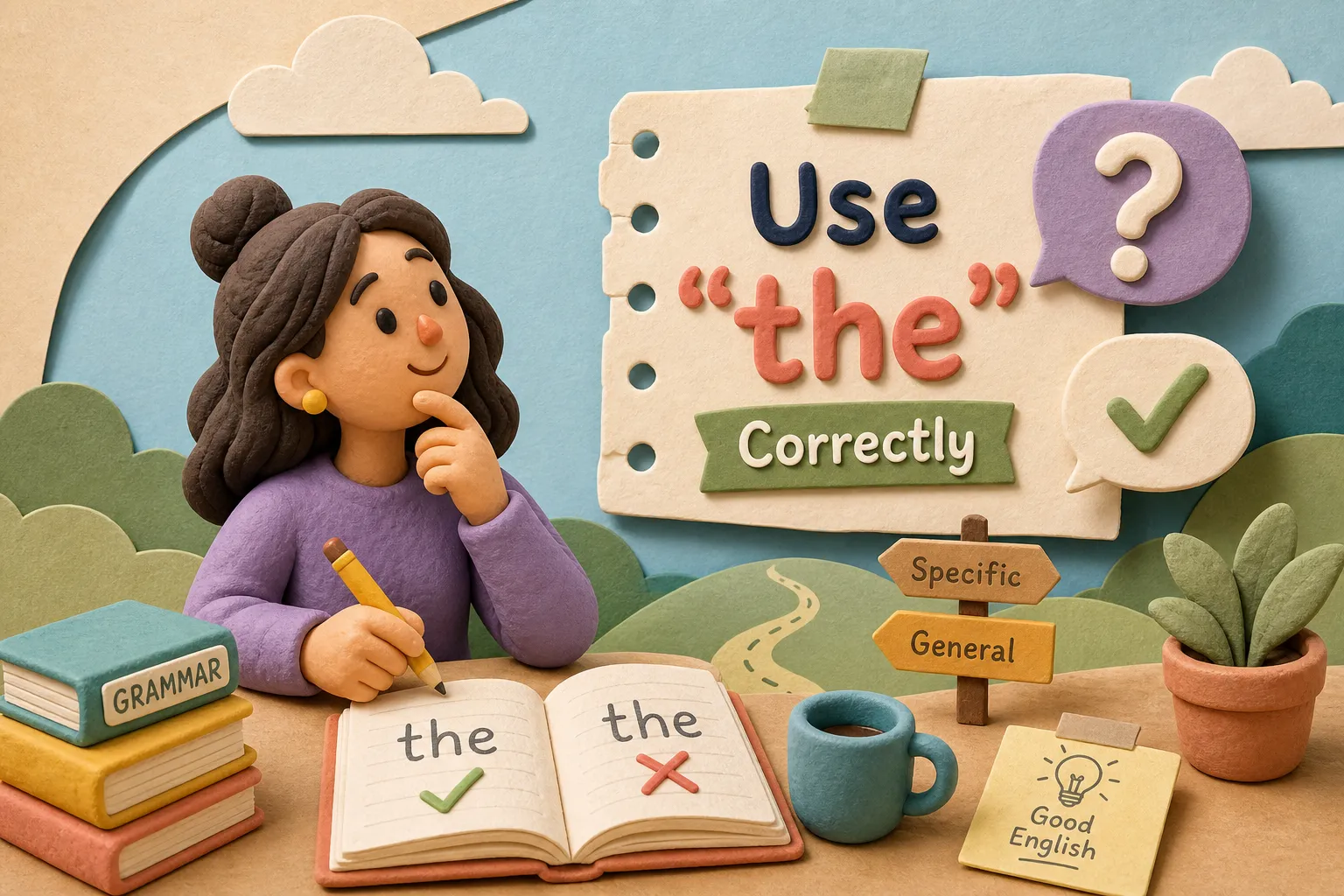
Learn when to use “the” in American English. Master the definite article’s core rules, tricky exceptions, and pronunciation with real examples. Start here.
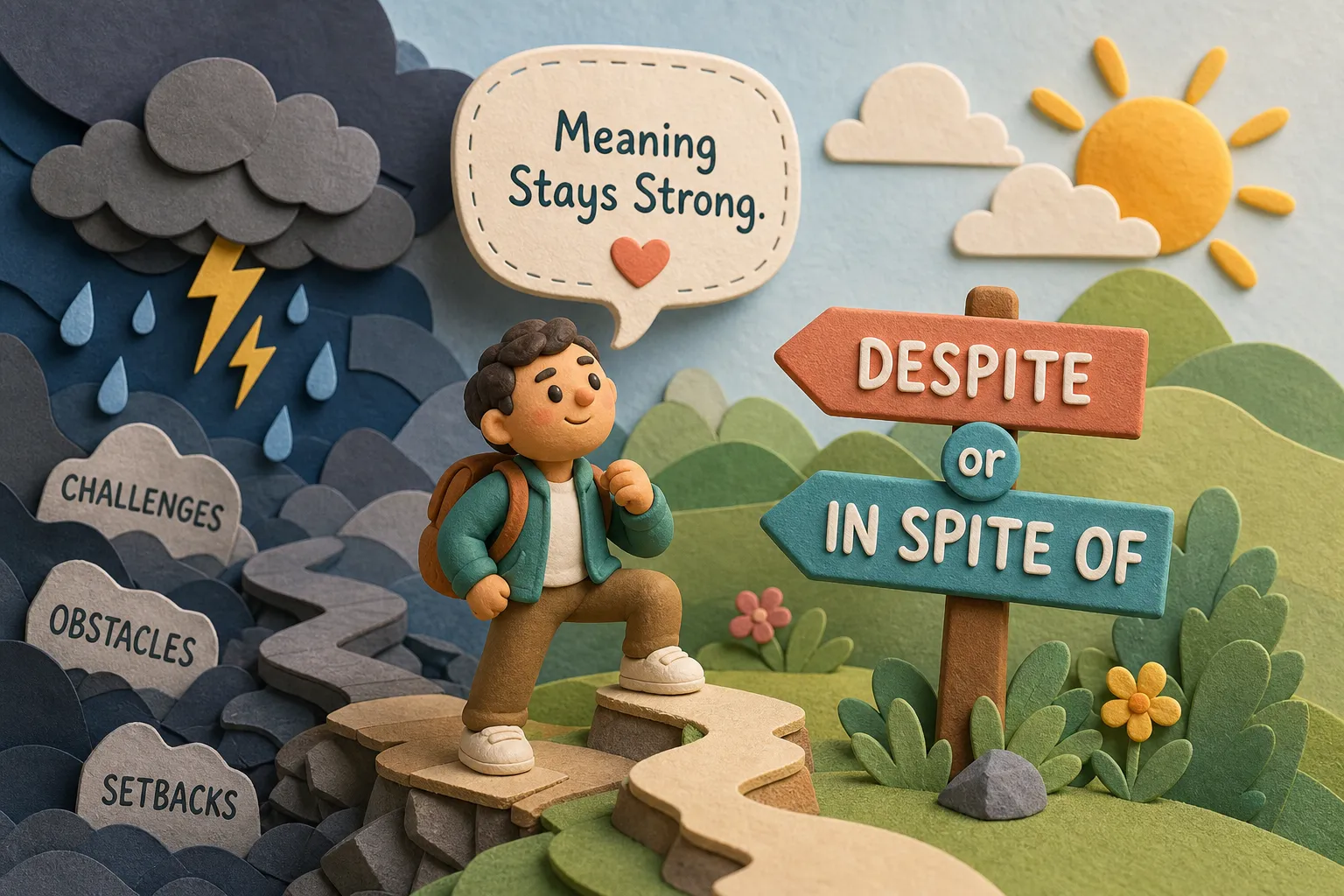
Despite vs in spite of: learn what they mean, how to use them correctly, and the one real difference — with examples from emails, conversation, and job interviews.
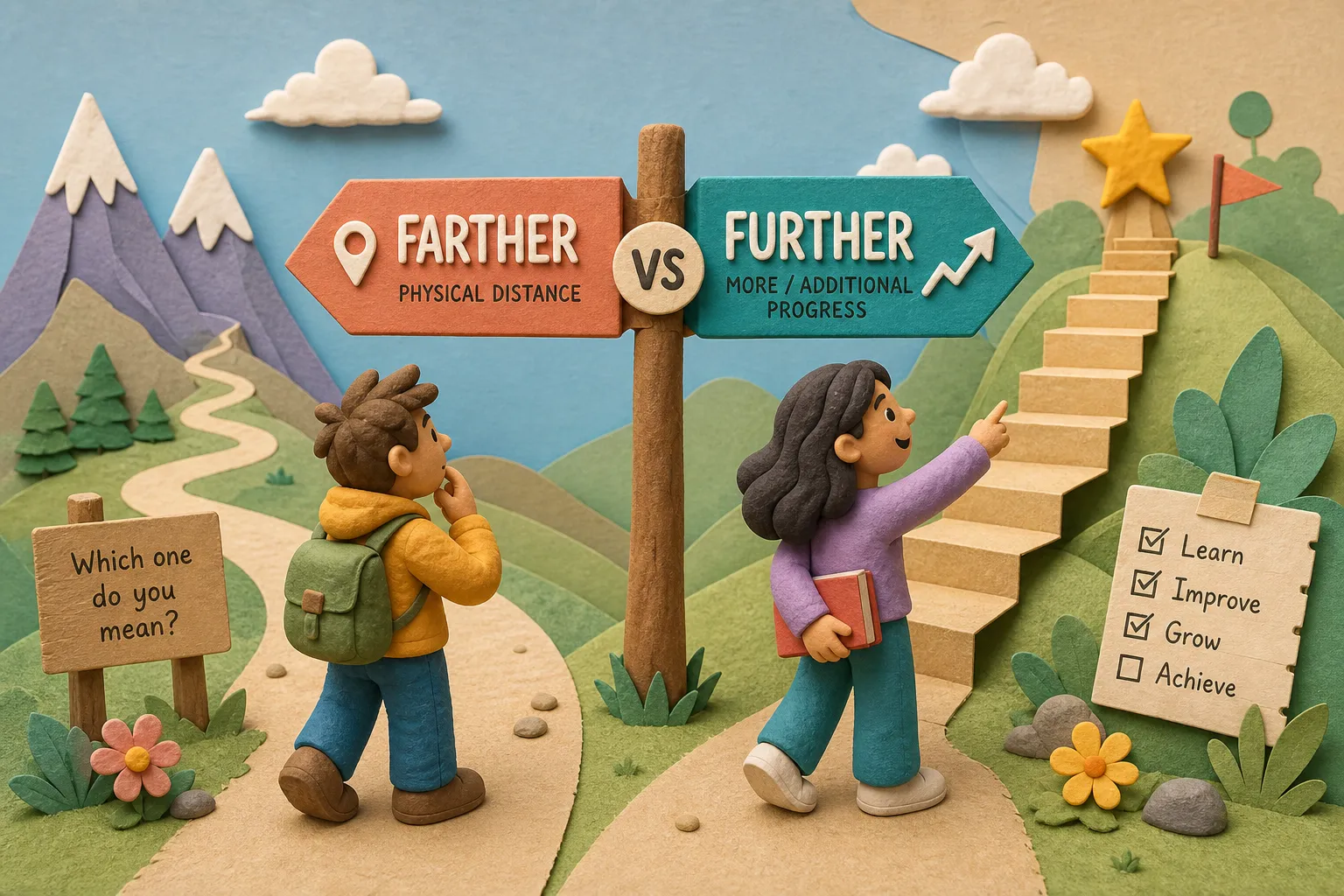
Confused by farther vs further? Learn the simple American English rule, real examples, the verb exception, and a trick that makes it stick. Start using both correctly today.
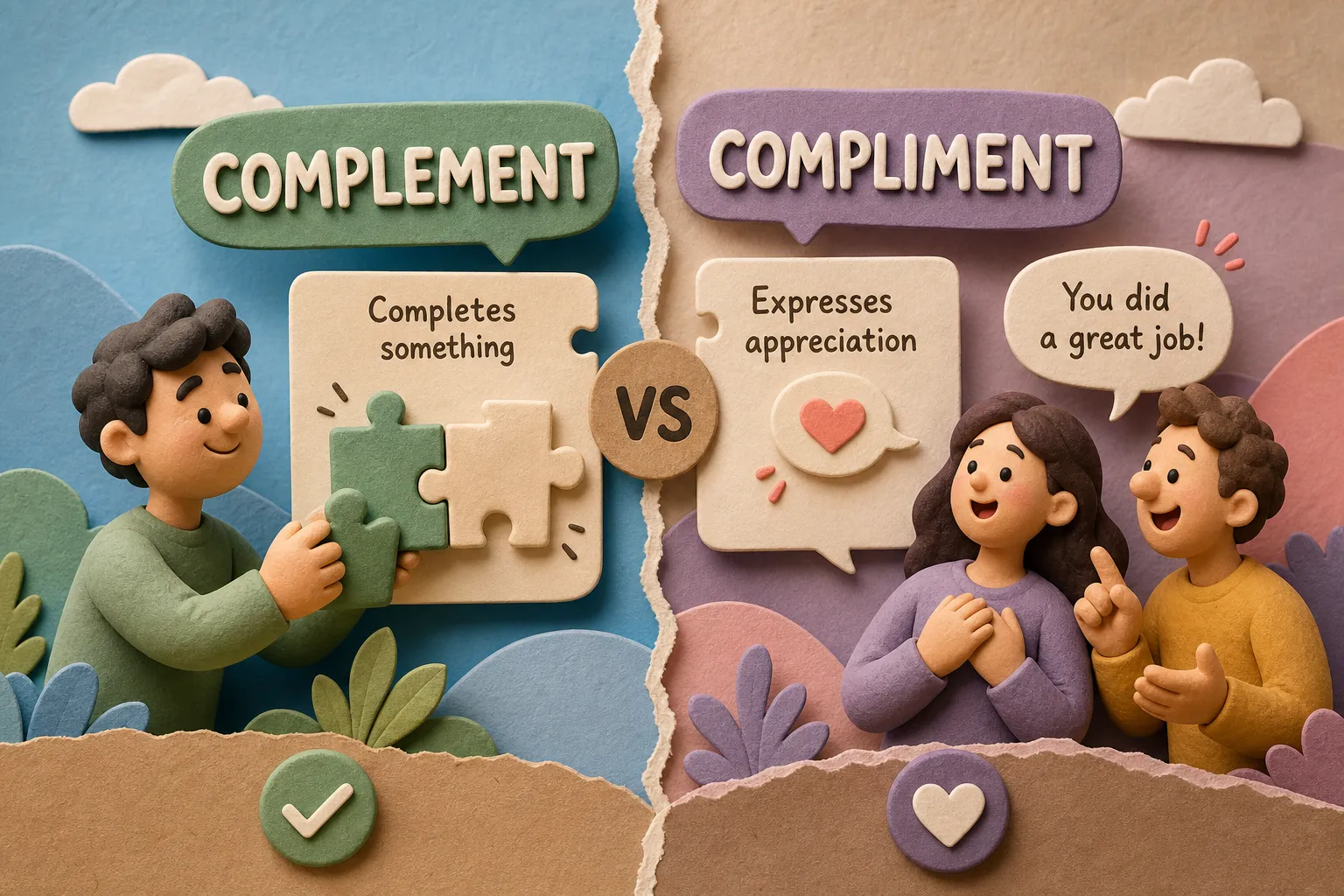
Complement vs compliment — two words, one big mix-up. Learn the real difference with clear examples, easy memory tricks, and usage rules you can apply today.
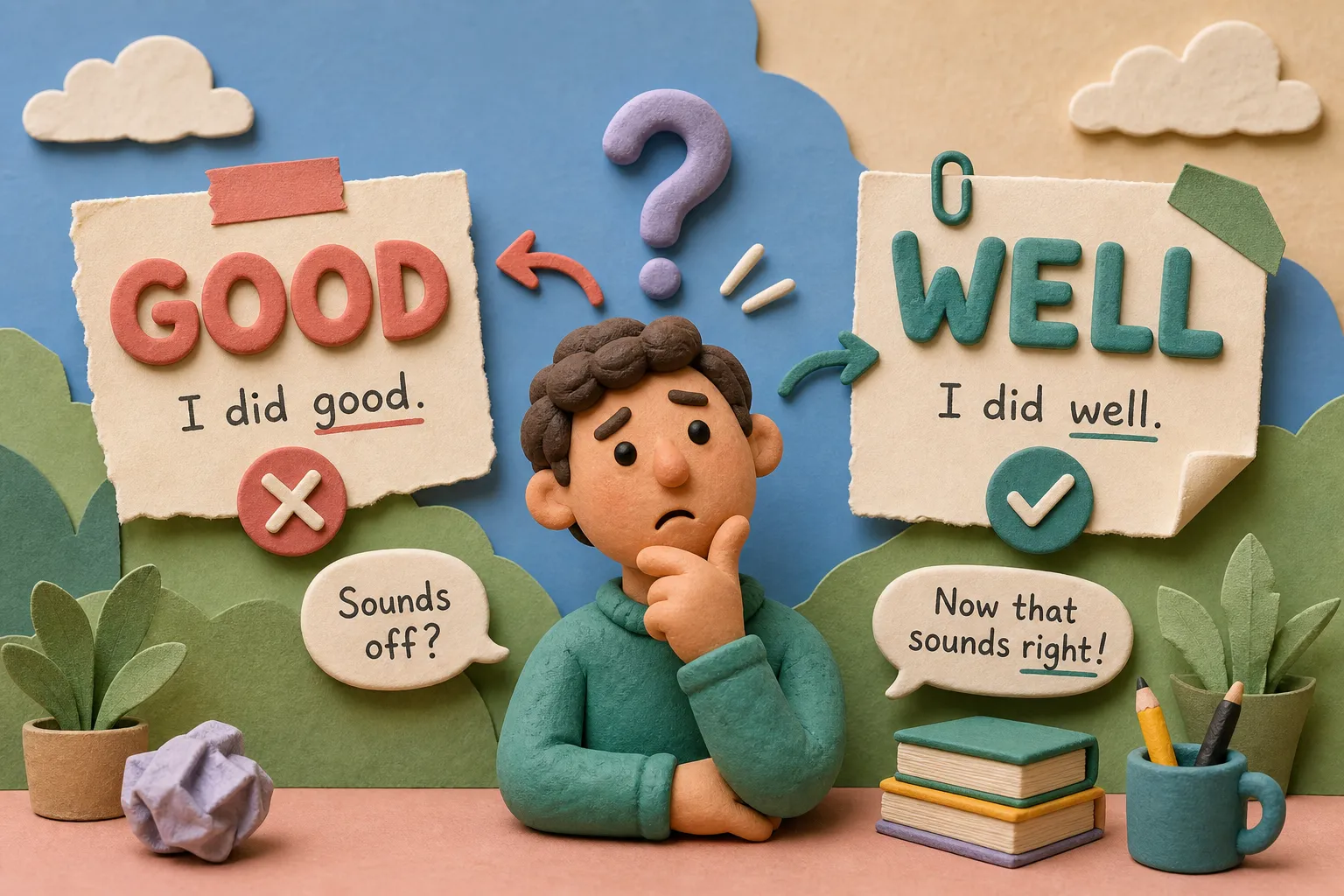
Good vs well explained clearly: the adjective/adverb rule, the “feel good vs. feel well” exception, common ESL mistakes, and a one-line rule you’ll never forget.
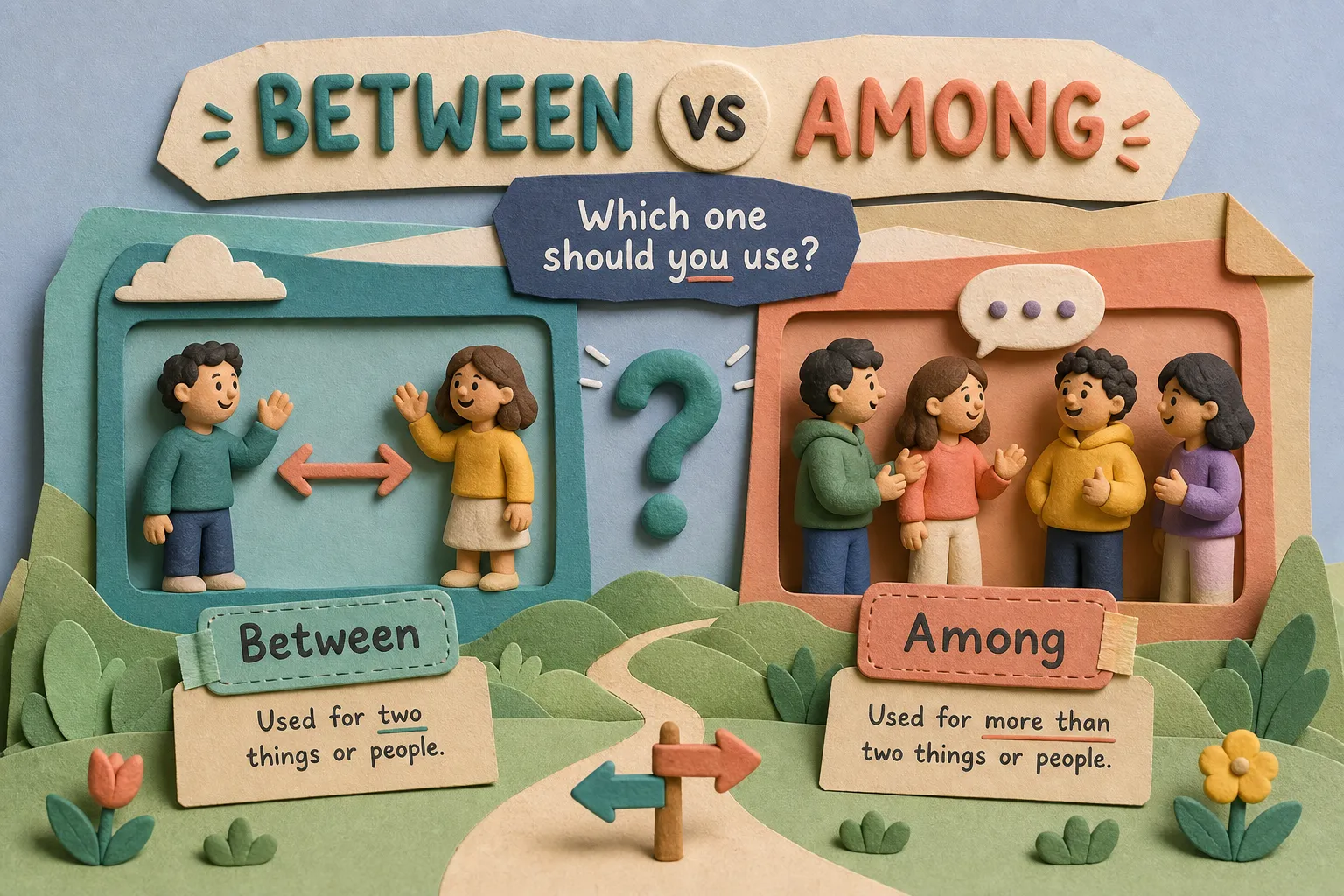
Between vs among: the real rule goes beyond “two vs. three.” Learn when each word works, the pairwise exception, and use both with confidence.
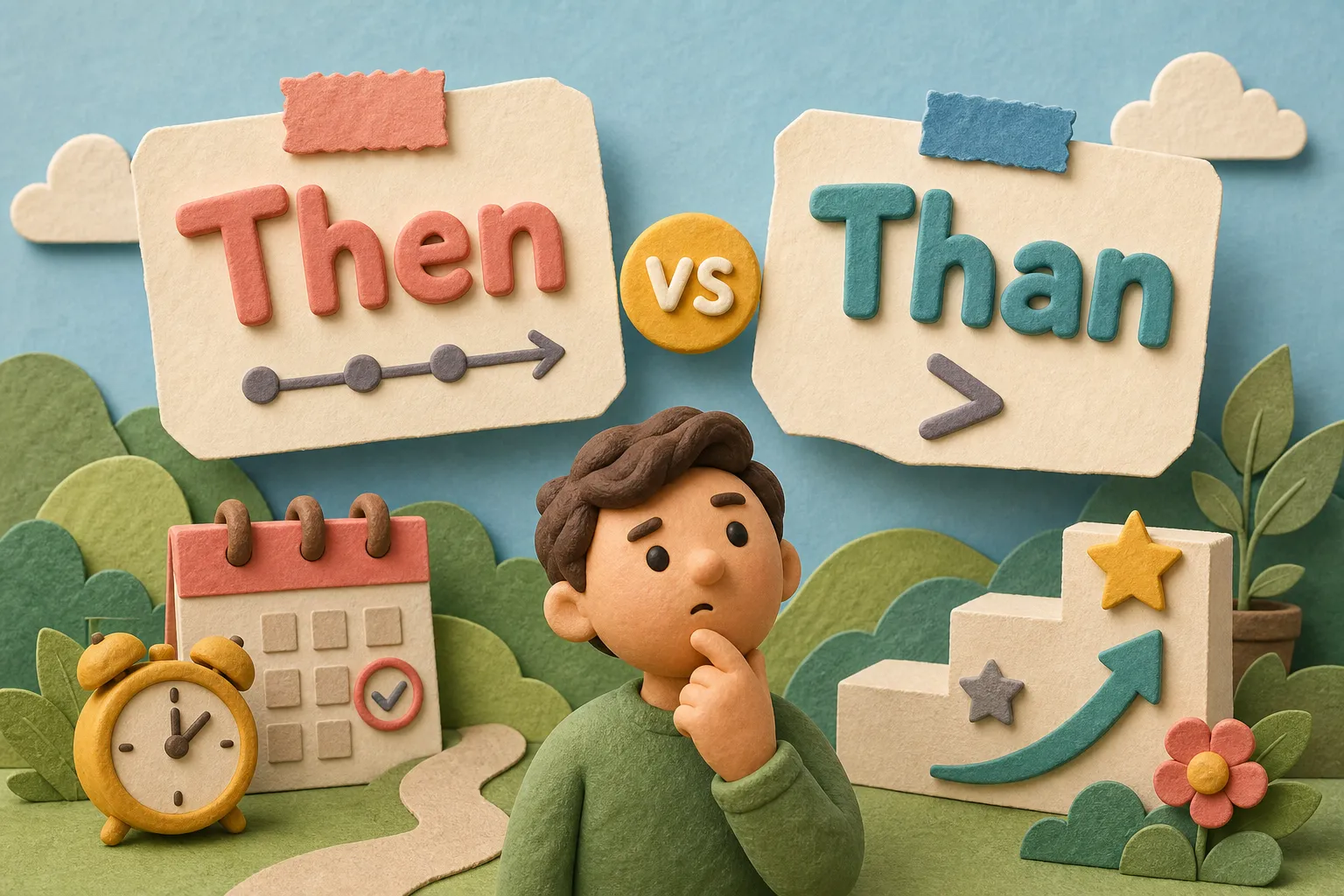
Confused about then vs than? Learn the one rule that separates them, see real-life examples, and fix this common error for good in your writing.
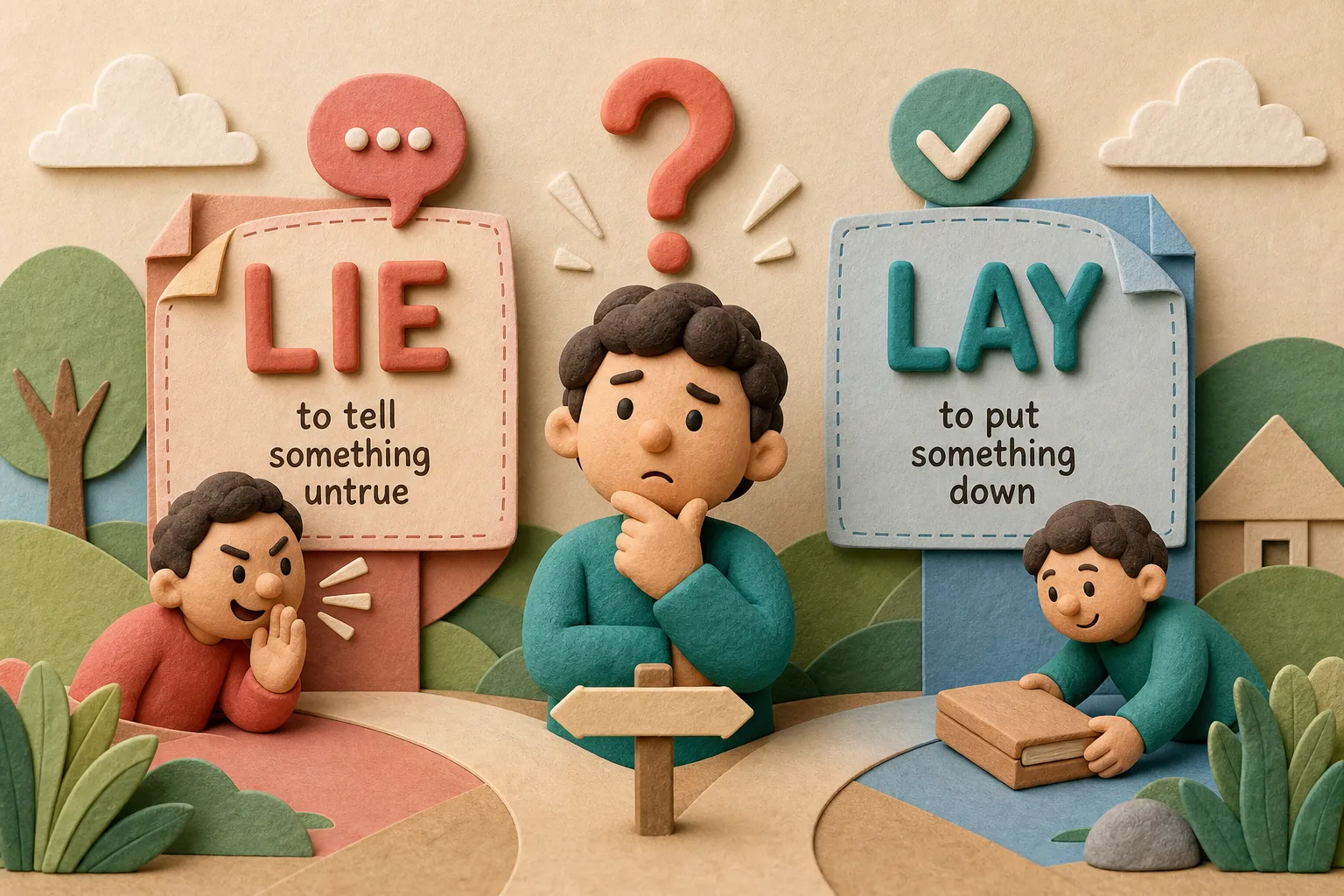
Lie vs lay explained clearly: learn the one rule, see real example sentences, and get 3 memory tricks to use laid, lain, lying, and laying correctly every time.
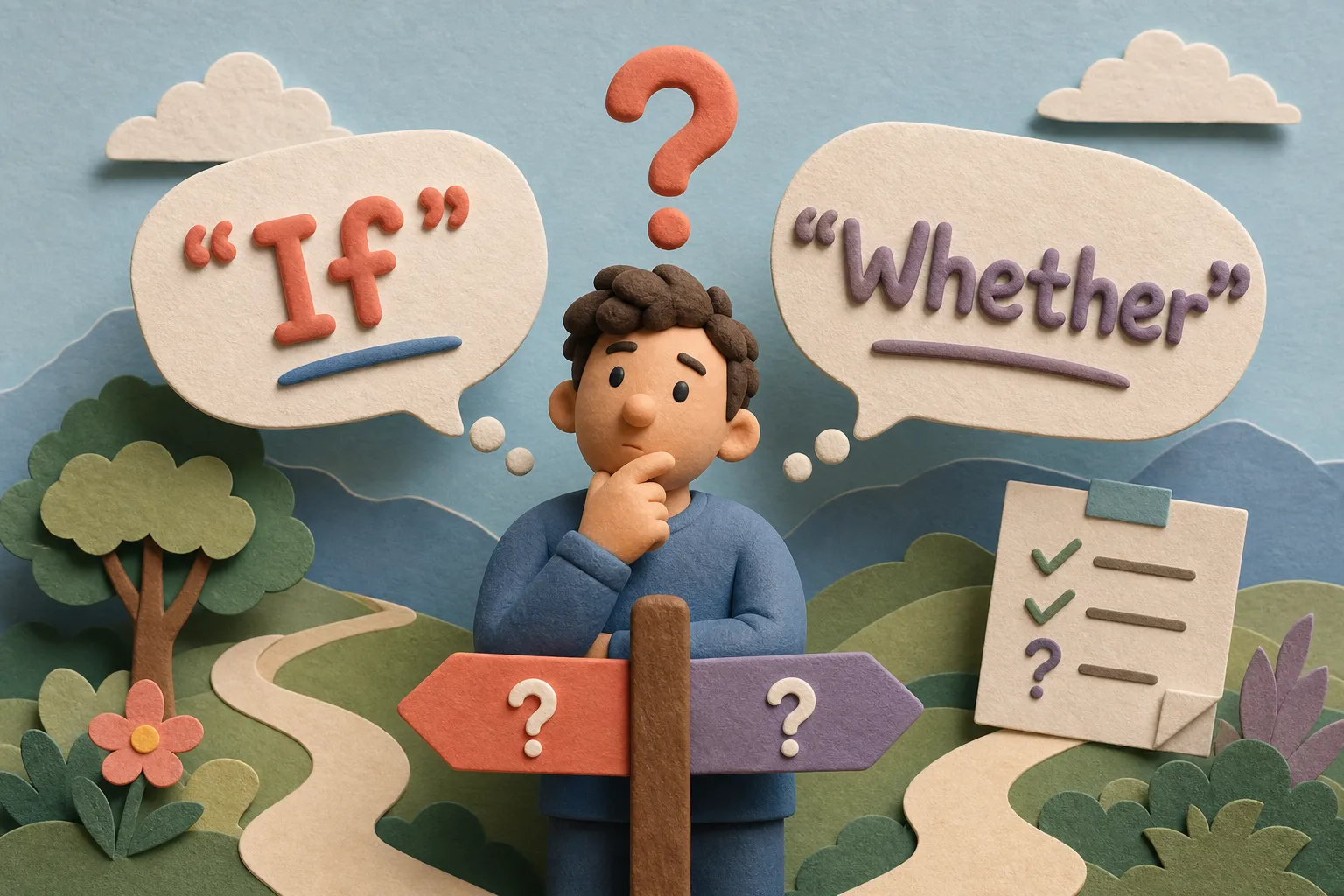
Confused by if vs whether? Learn the real grammar rules, see examples from emails and meetings, and know exactly when each word is correct in American English.
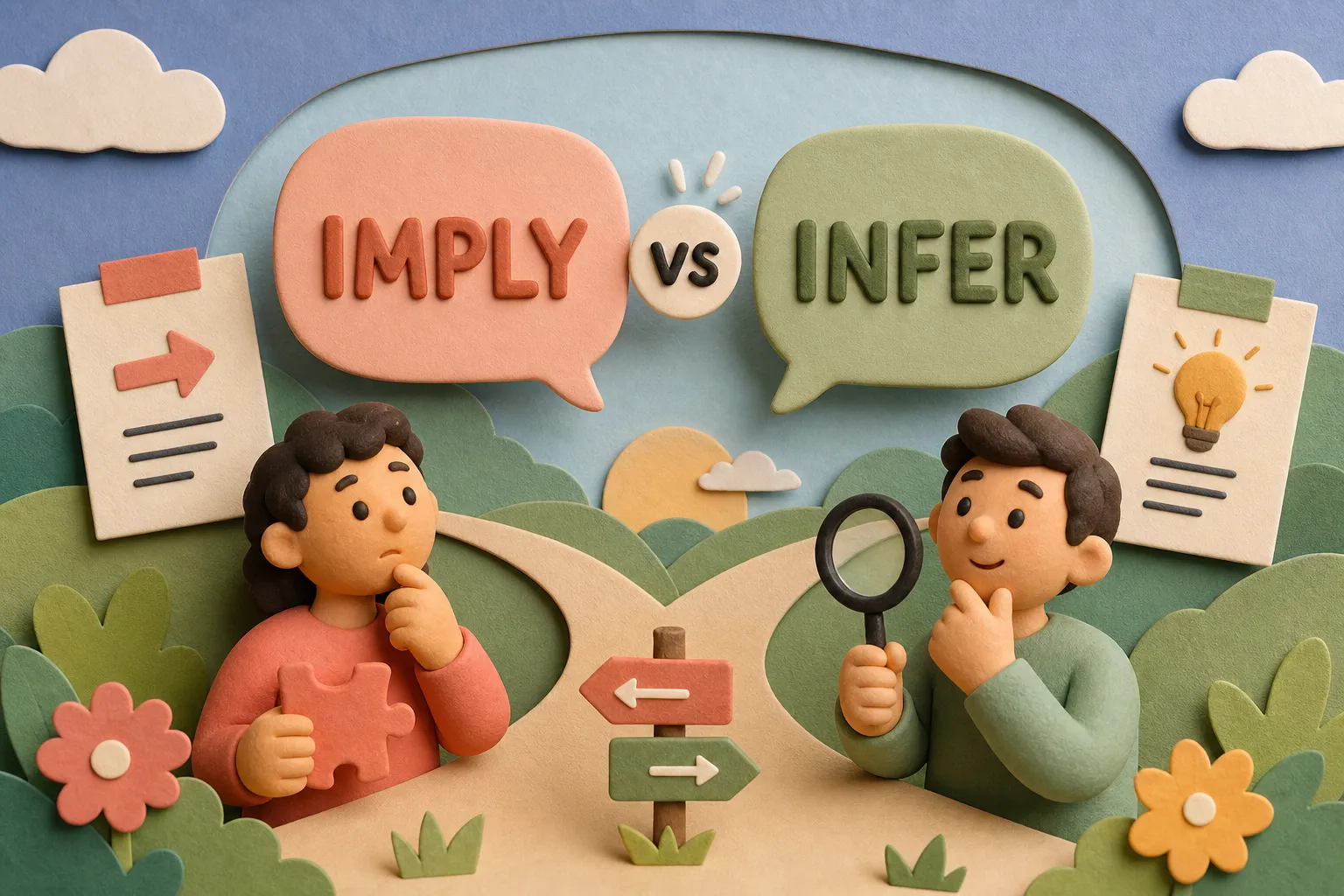
Imply vs infer confuses even native speakers. Learn the real difference, see workplace examples, and get a simple trick to choose correctly every time.
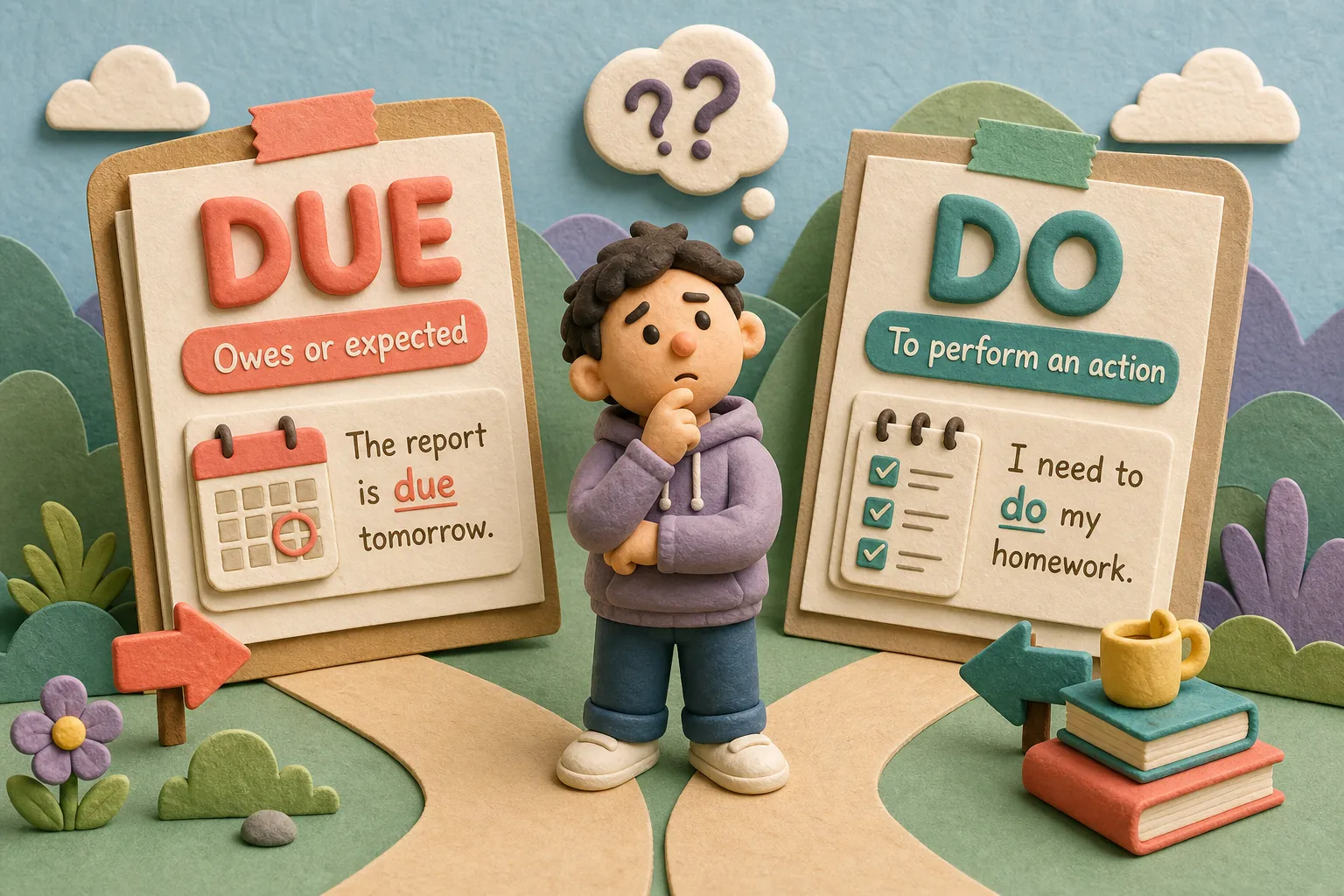
Confusing “due” vs “do”? Learn the pronunciation, grammar rules, and quick tests to fix mistakes like “do date” and “do to” — with real email examples.