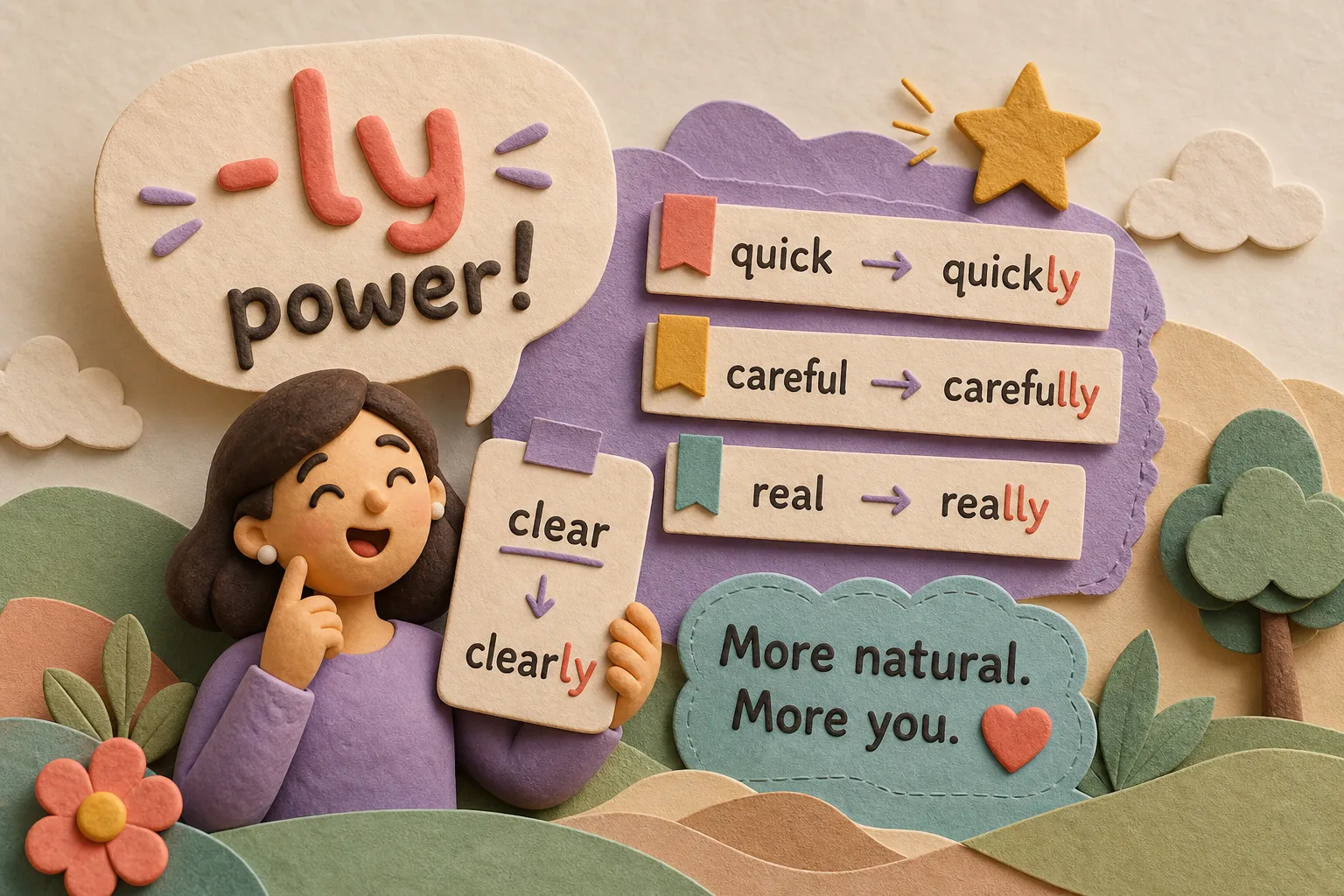
How the -ly Suffix Makes Your English Sound More Natural
The -ly suffix turns adjectives into adverbs. Learn the spelling rules, common exceptions, and real examples from conversation and email writing.

The -ly suffix turns adjectives into adverbs. Learn the spelling rules, common exceptions, and real examples from conversation and email writing.
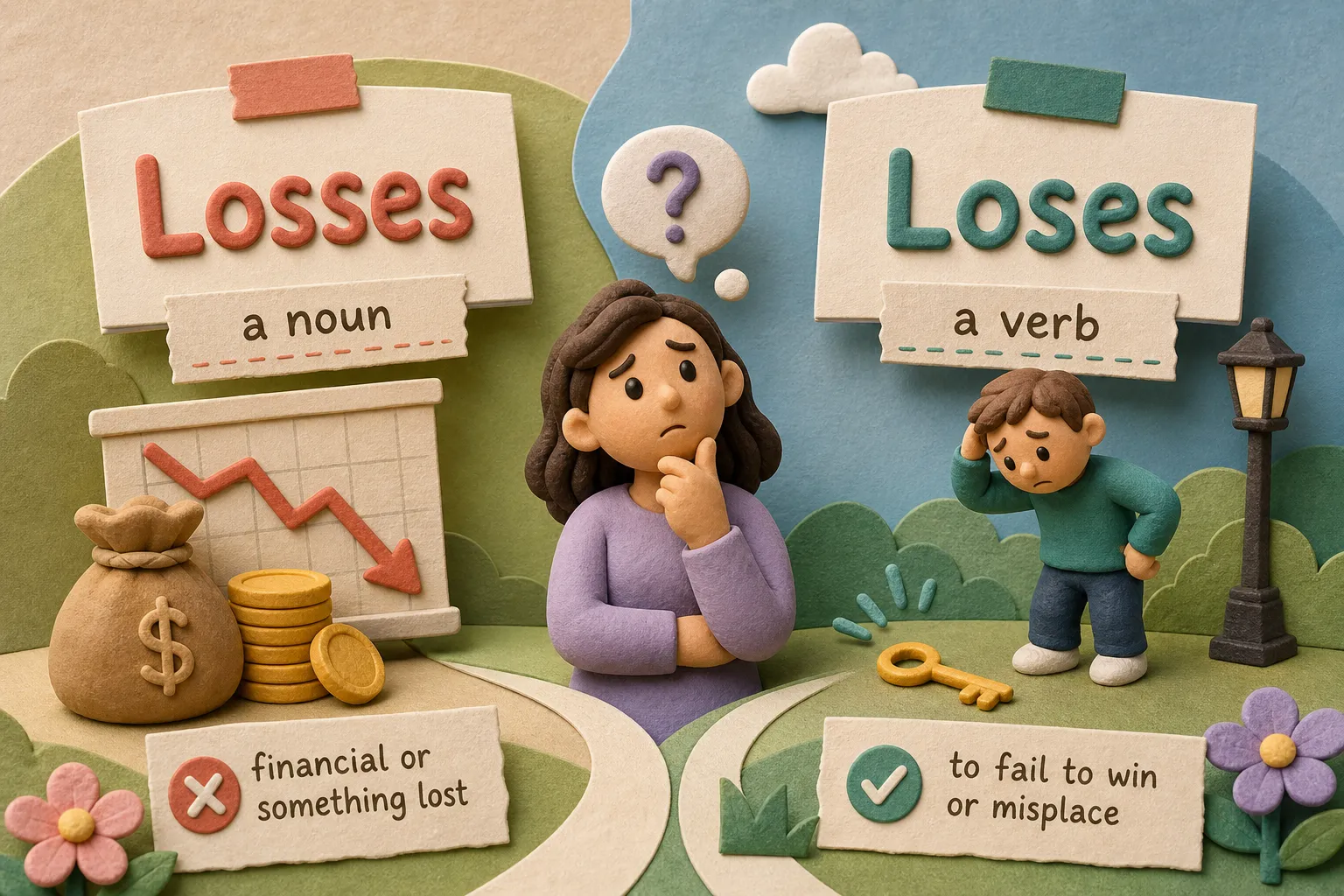
Confused by losses vs. loses? Learn the verb/noun rule, see real workplace examples, and fix common ESL mistakes. Use both words correctly starting today.
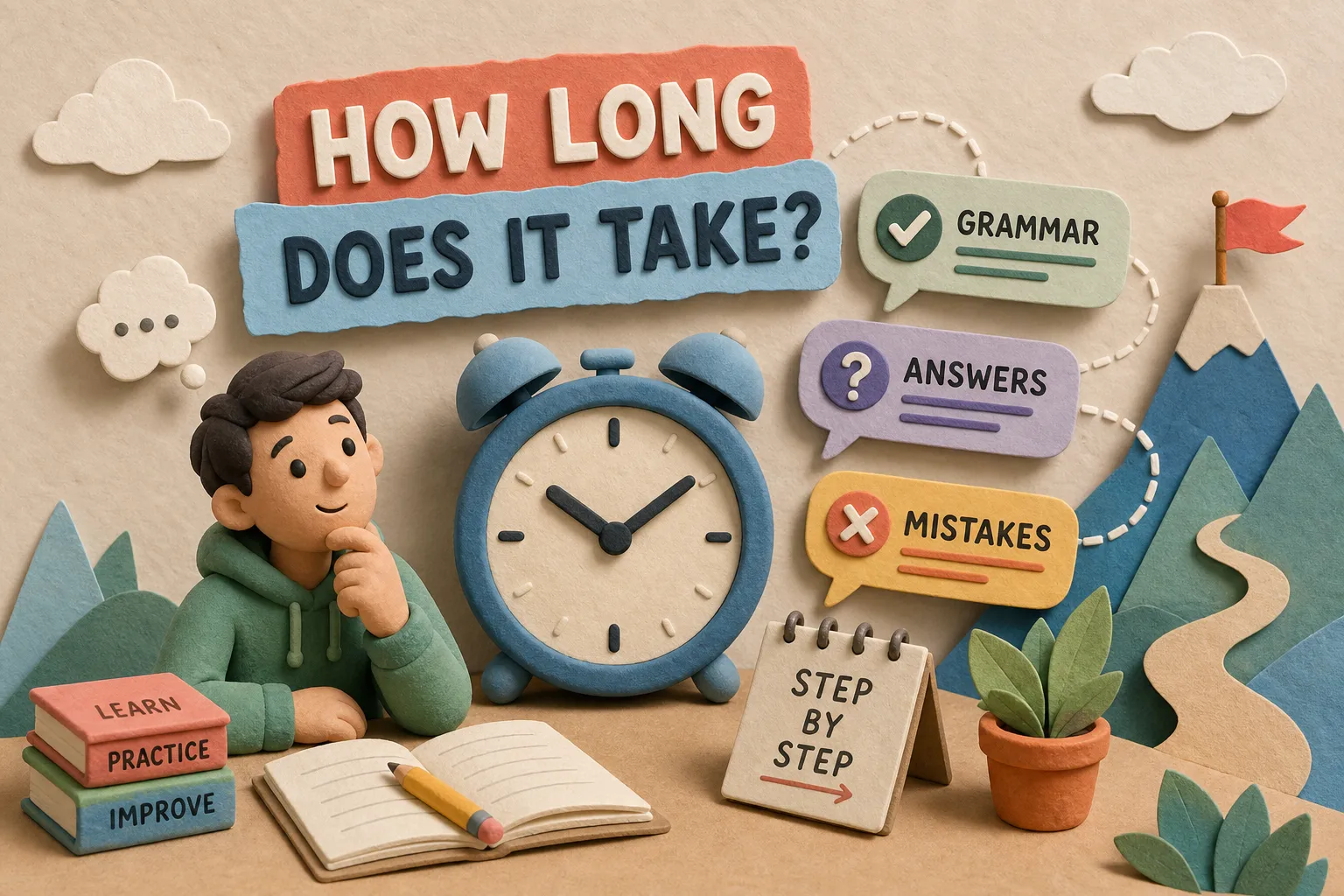
Learn how to use “how long does it take” in American English. See tense forms, natural answers, and common ESL mistakes to avoid. Start speaking more naturally.
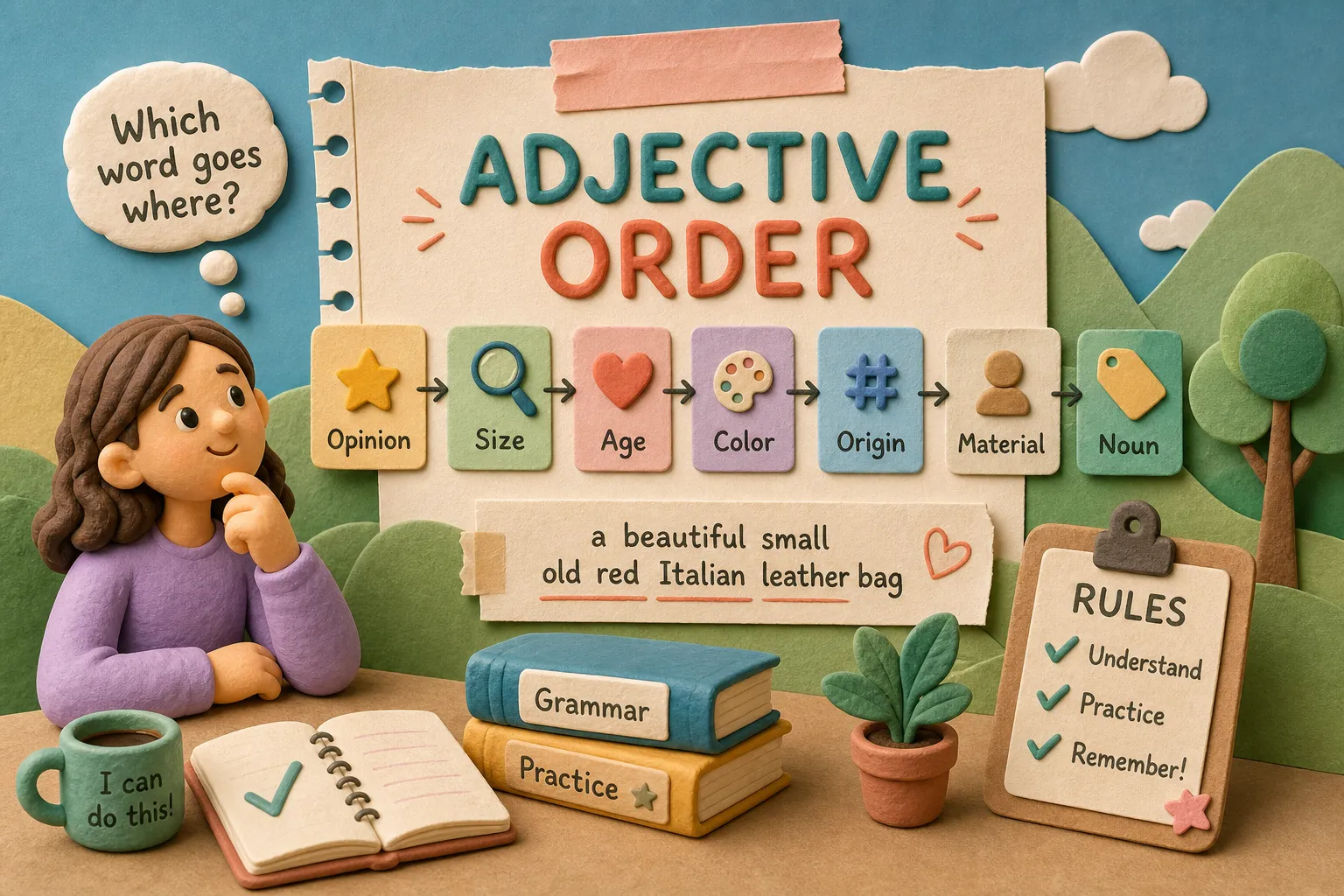
Learn the correct order of adjectives in English with the OSASCOMP system, comma rules, and real examples. Sound natural and confident. Explore more at Your Daily American.

Learn the OOO meaning, when Americans use an out-of-office reply, what to include, and get 5 ready-to-use OOO email templates you can adapt today.
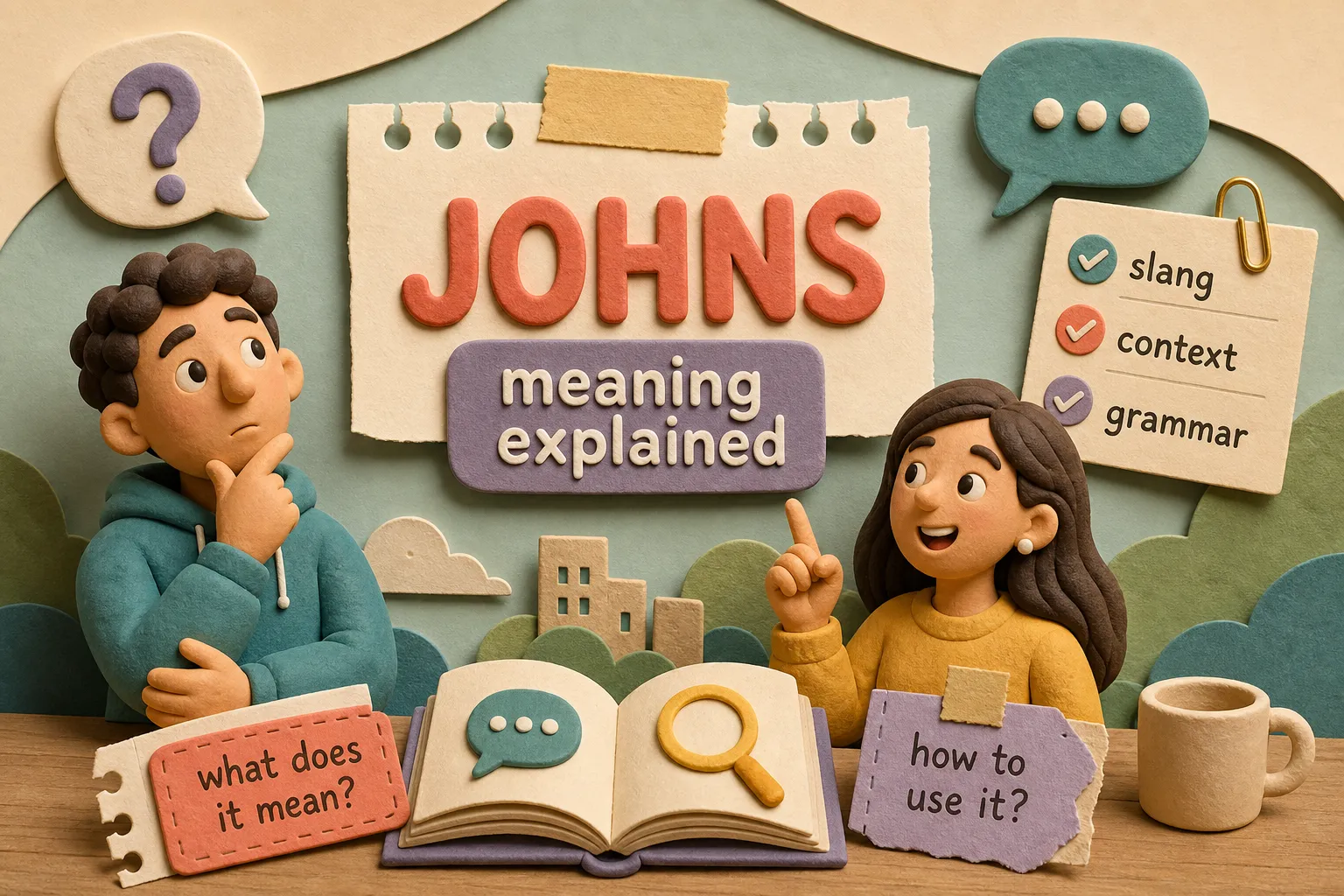
Wondering about johns meaning in American slang? This guide covers the toilet sense, the crime-context use, cultural notes, and Johns vs. John’s grammar. Read now.
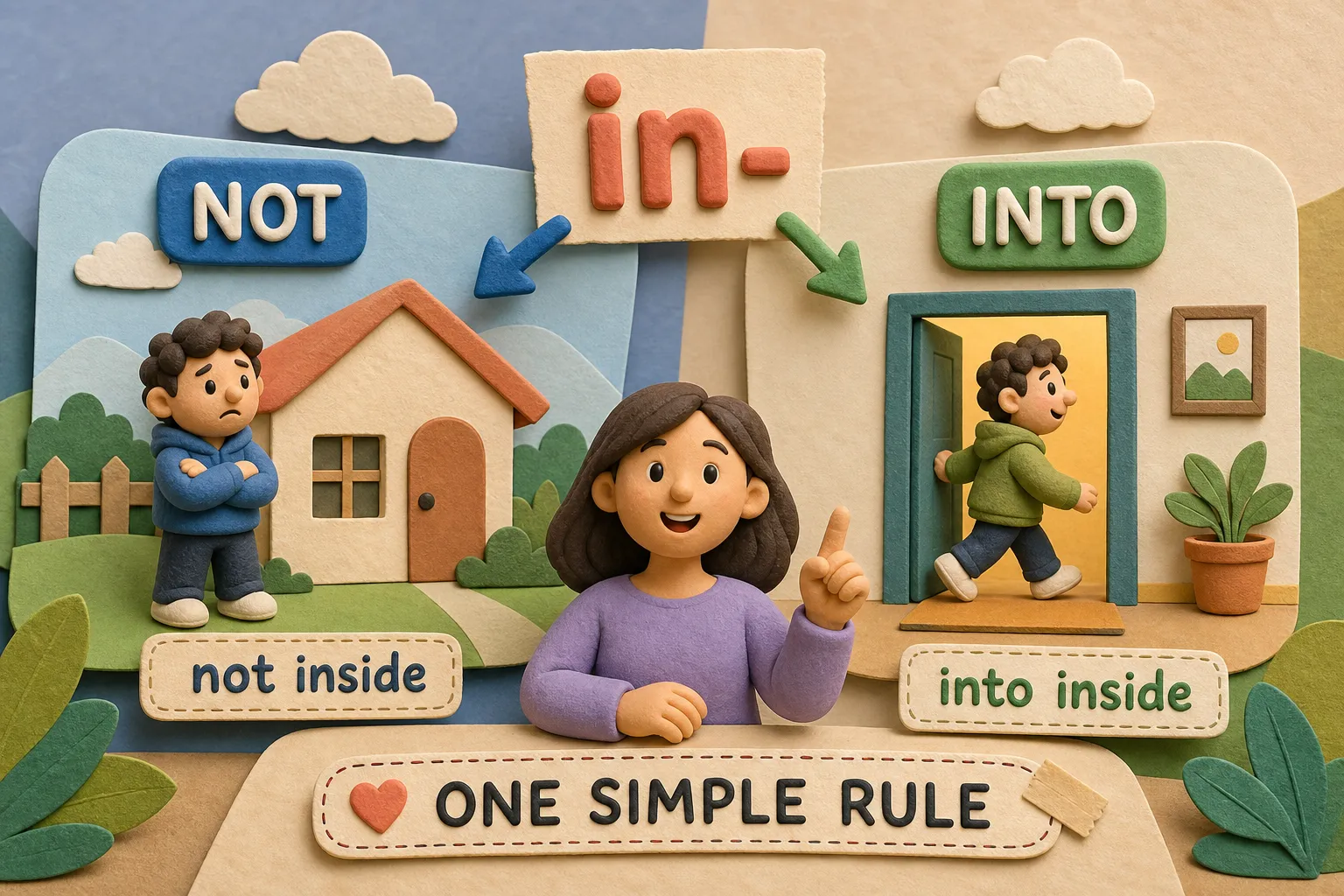
The in- prefix means “not” and “in/into” — learn to tell them apart, master im-, il-, ir- variants, and decode new words fast.
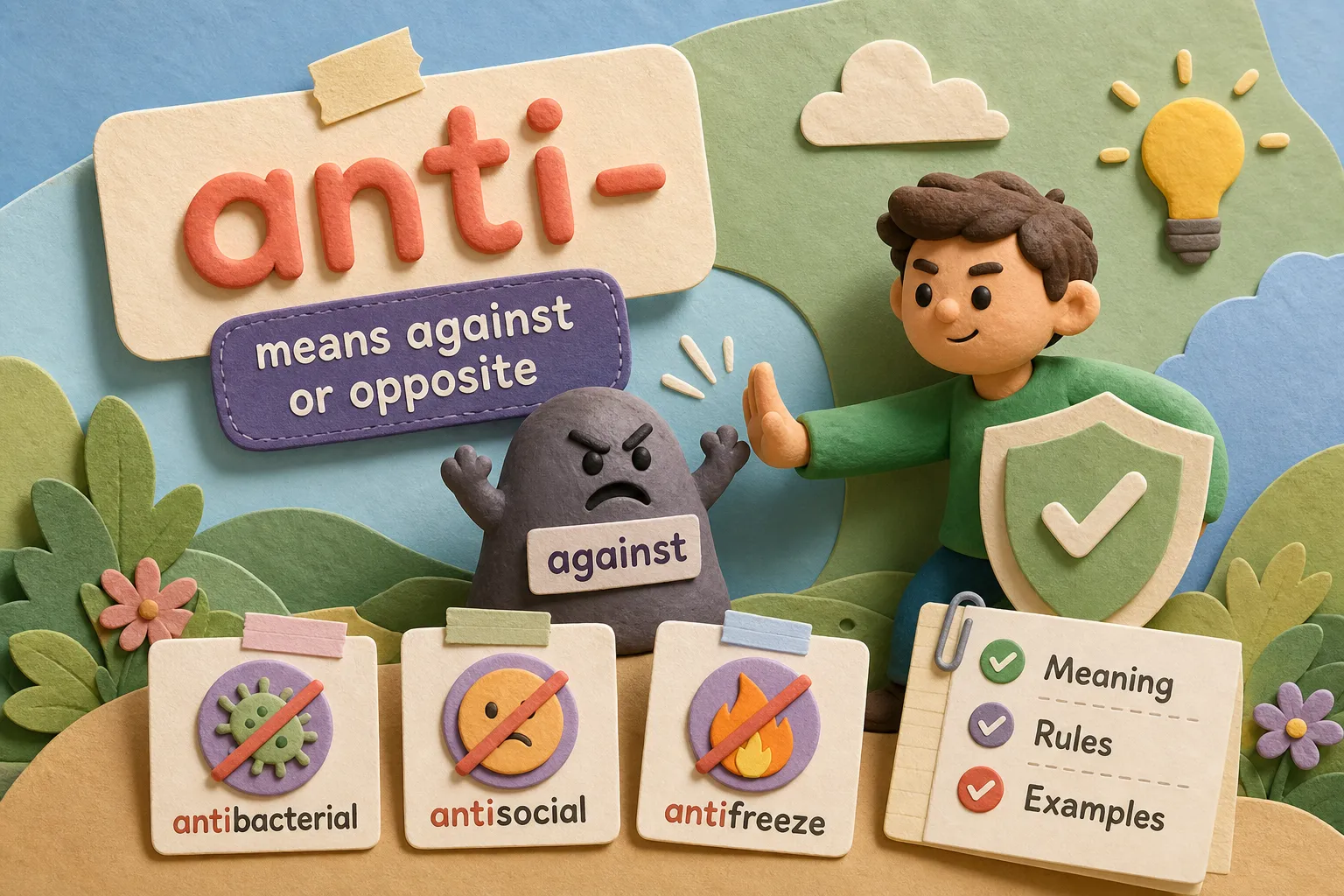
Learn what the anti- prefix means, where it comes from, and how to use it correctly. See real examples by category and start building your vocabulary today.
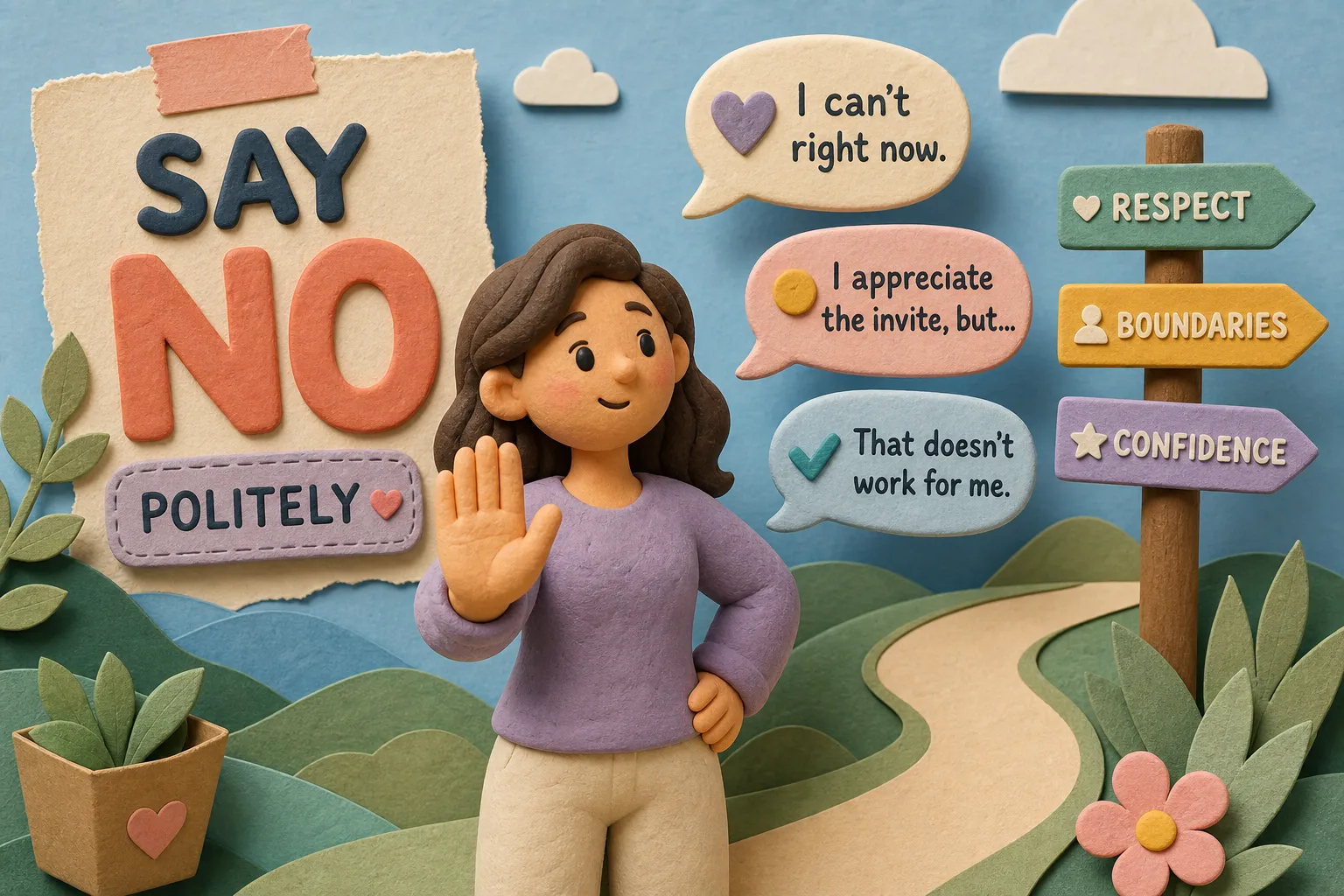
Learn polite, casual, and professional ways to say no in American English. Real phrases, scripts, and 3 guilt-free techniques to refuse with confidence.
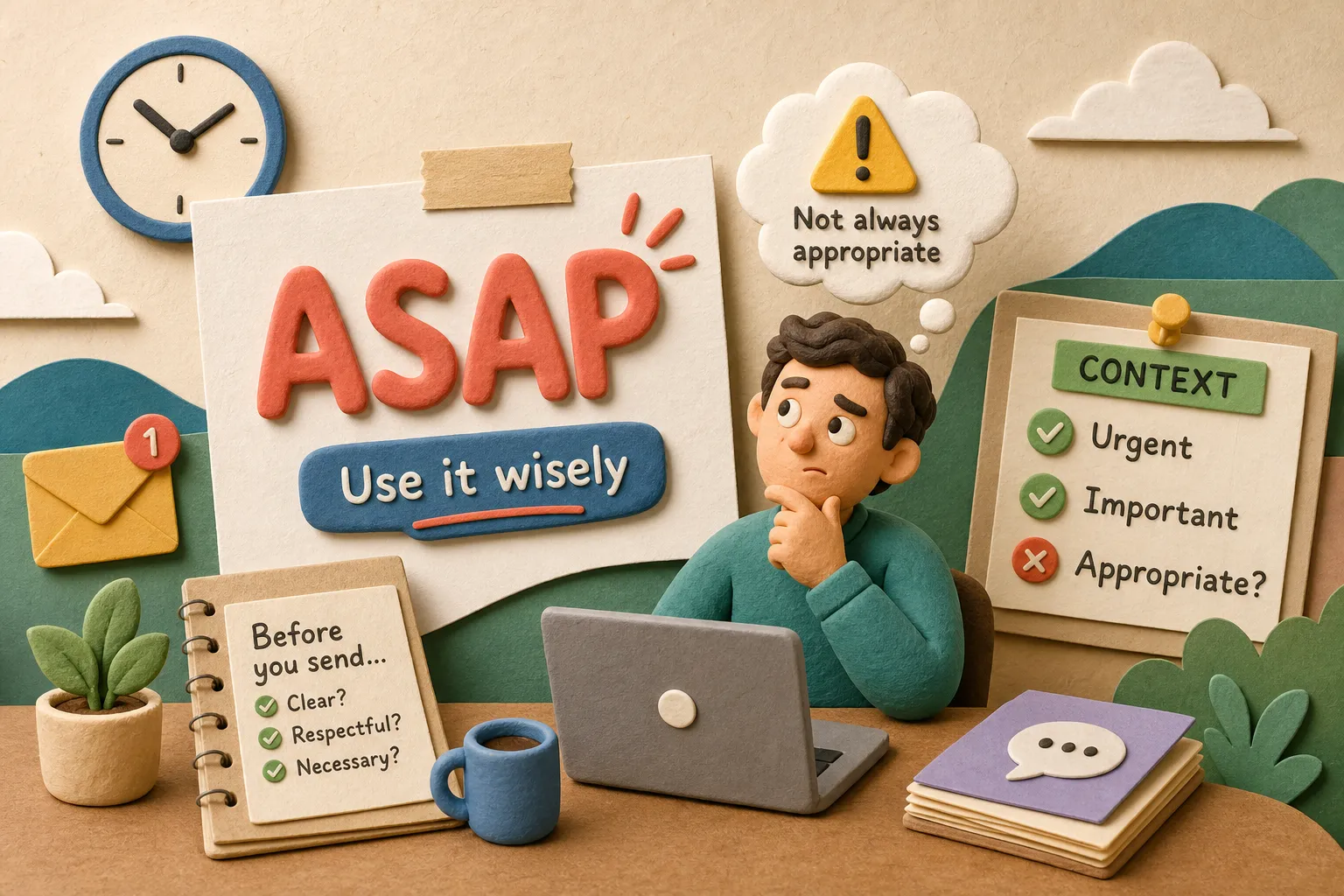
Learn the ASAP meaning, how urgent it really is in American culture, and when to use it correctly. See real examples and polite professional alternatives.
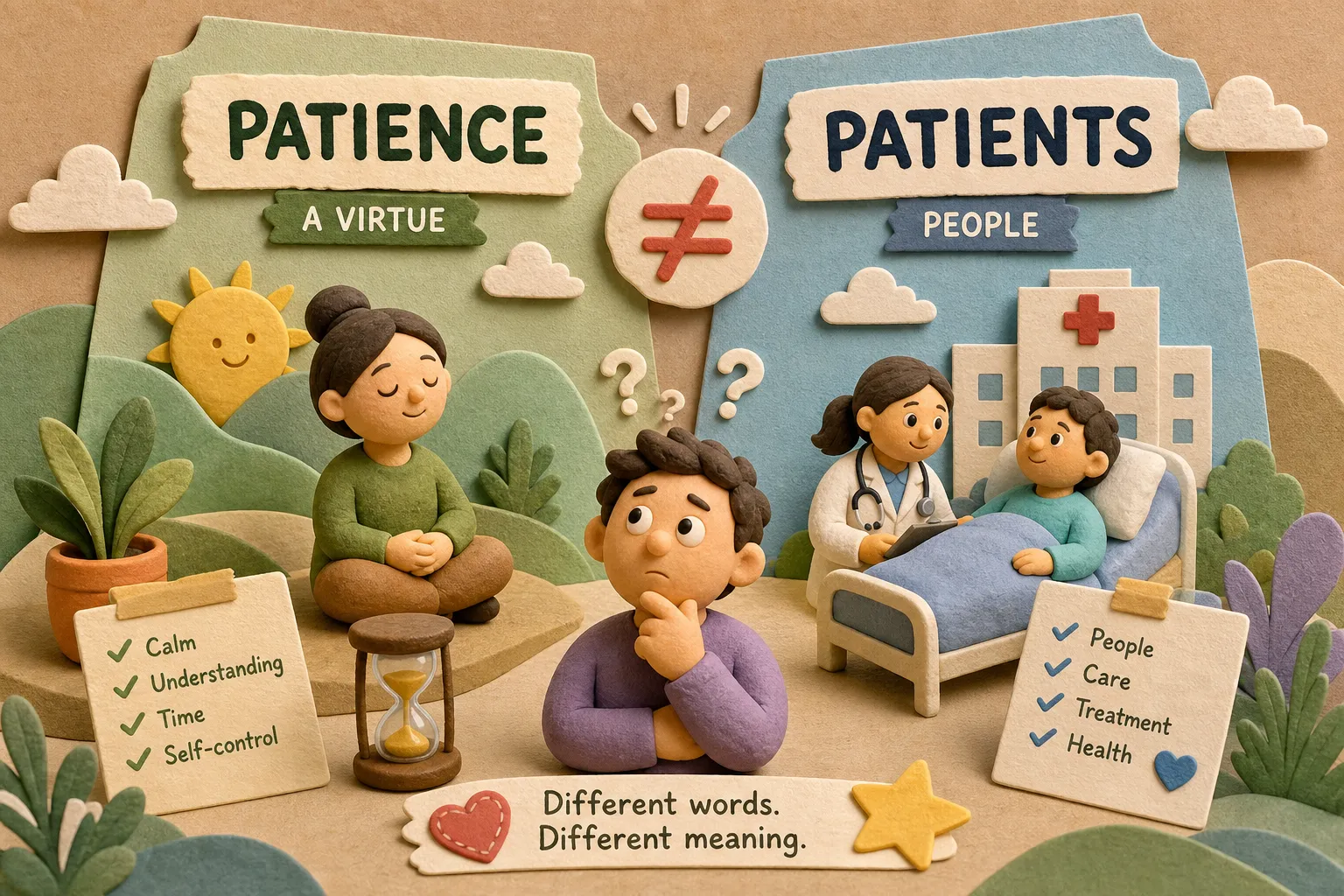
Patience vs. patients: same sound, totally different meaning. Learn the grammar rule, memory tricks, and real example sentences to always get it right.
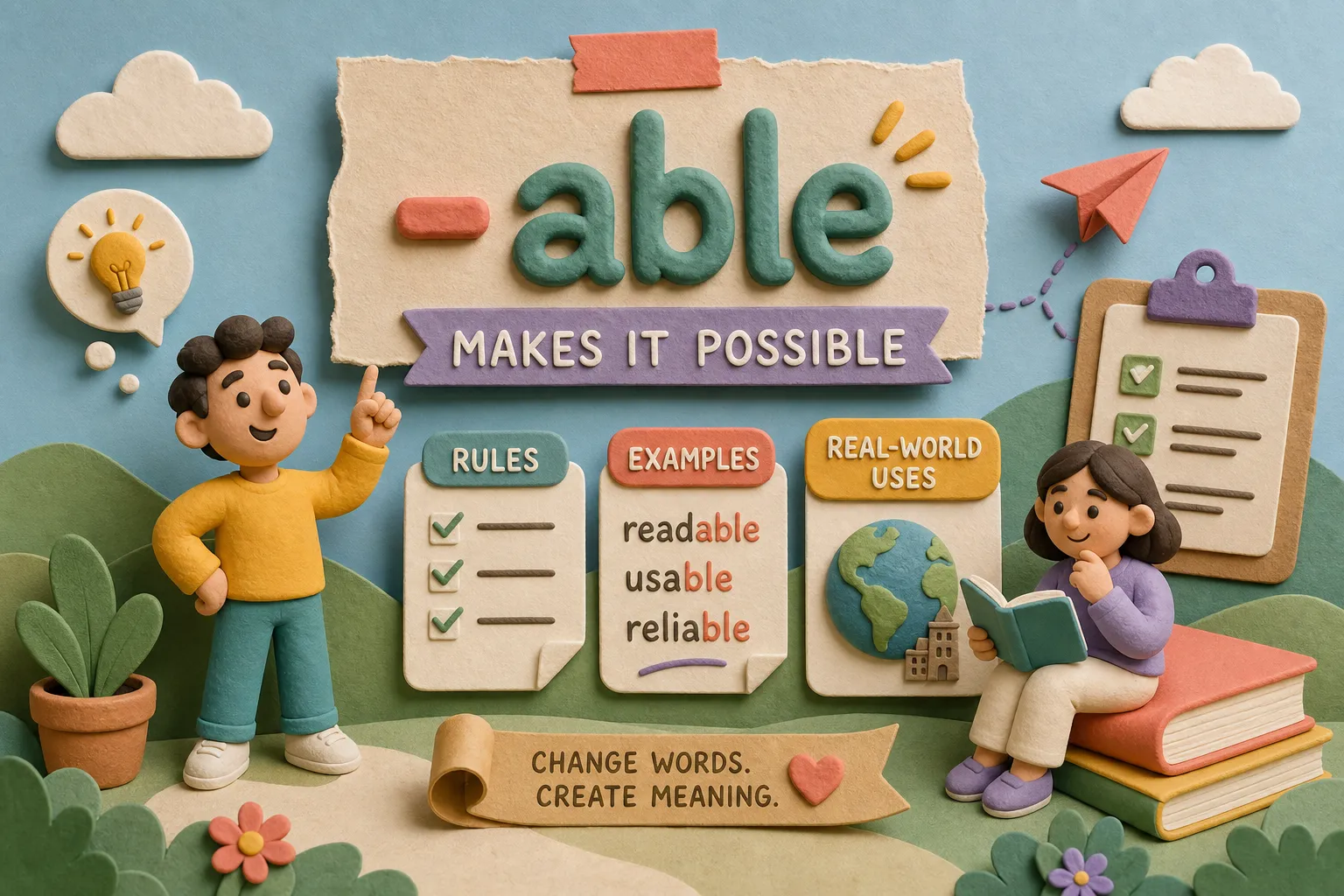
Learn how the -able suffix works, when to use -able vs. -ible, and see real examples from emails and daily conversations. Build vocabulary fast with clear rules.
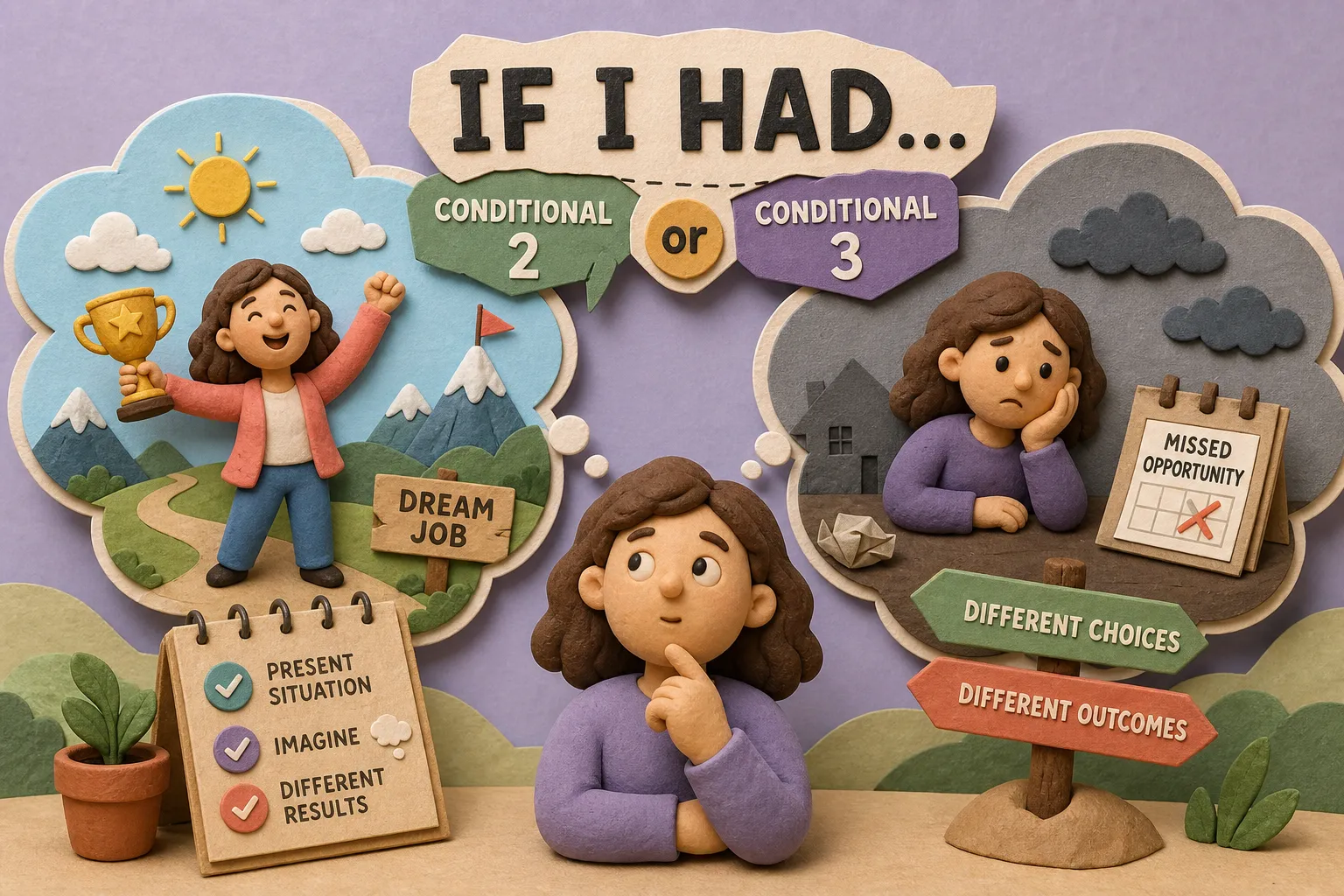
Learn to use “if I had” correctly in second and third conditional sentences, with real American examples for everyday and professional English.
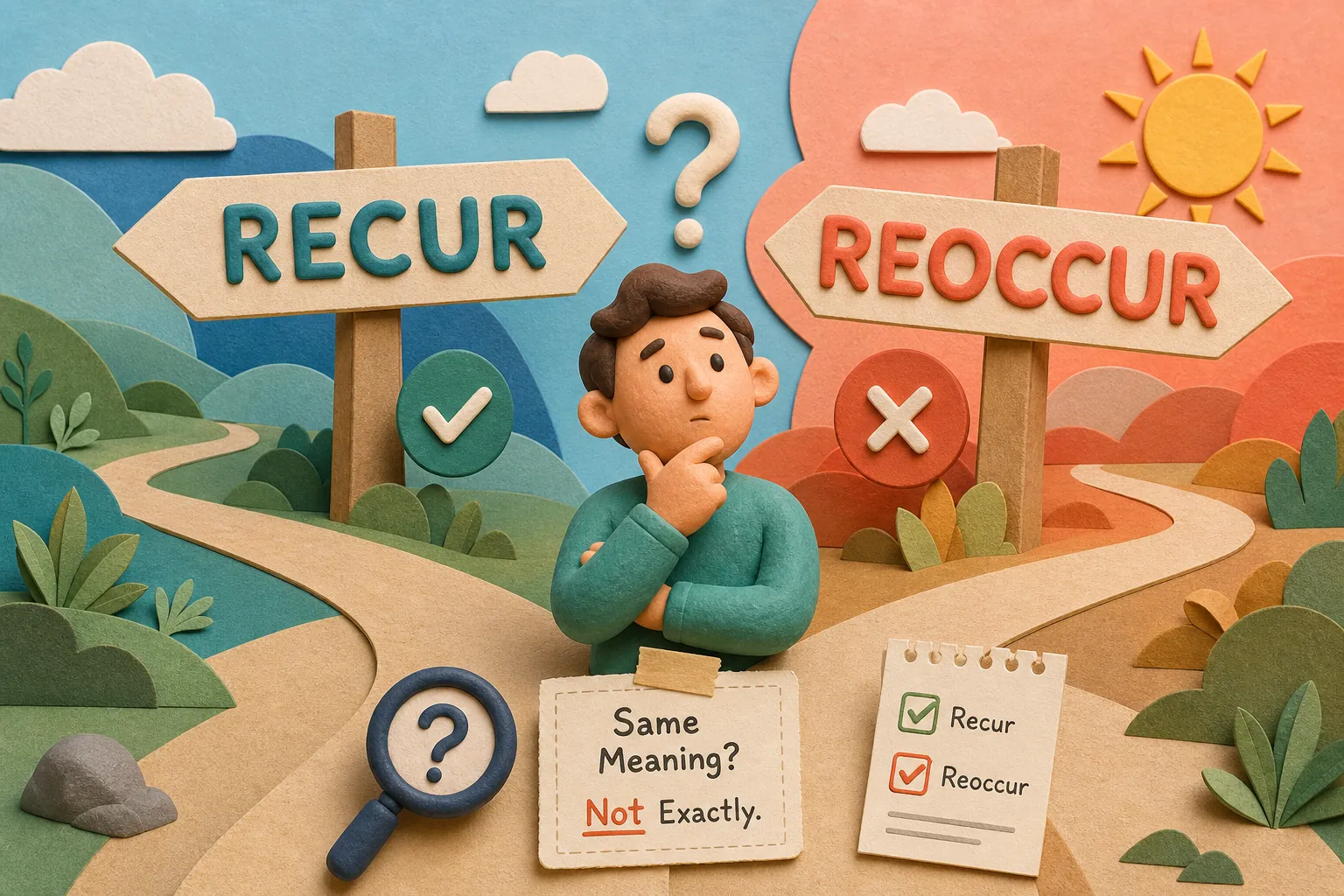
Confused by recur vs reoccur? Learn the real difference, the right noun forms, and when each word fits — with clear examples for work and daily life.
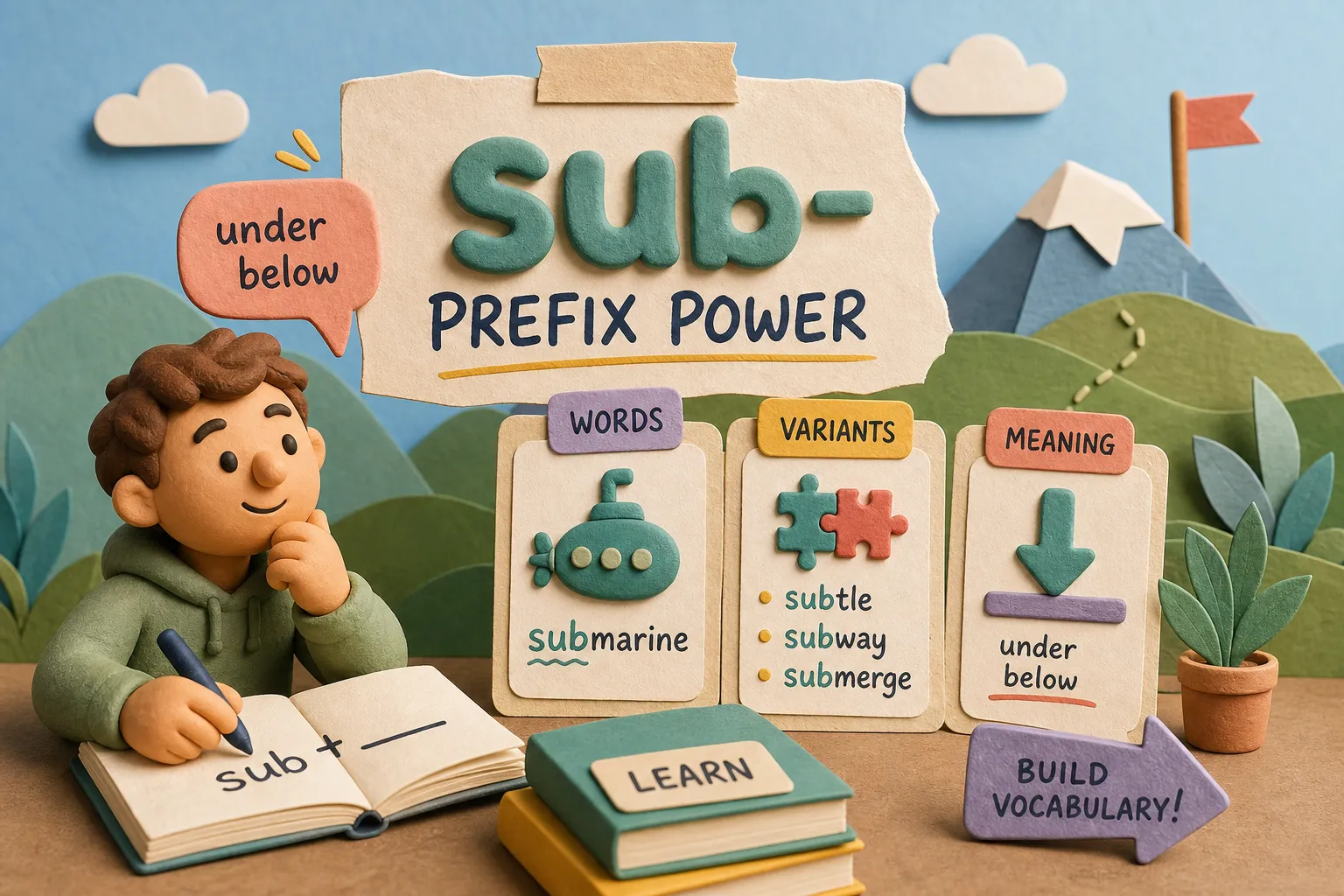
The sub- prefix means “under” or “below.” Learn its variants, see common word examples, and find tips to grow your English vocabulary faster.
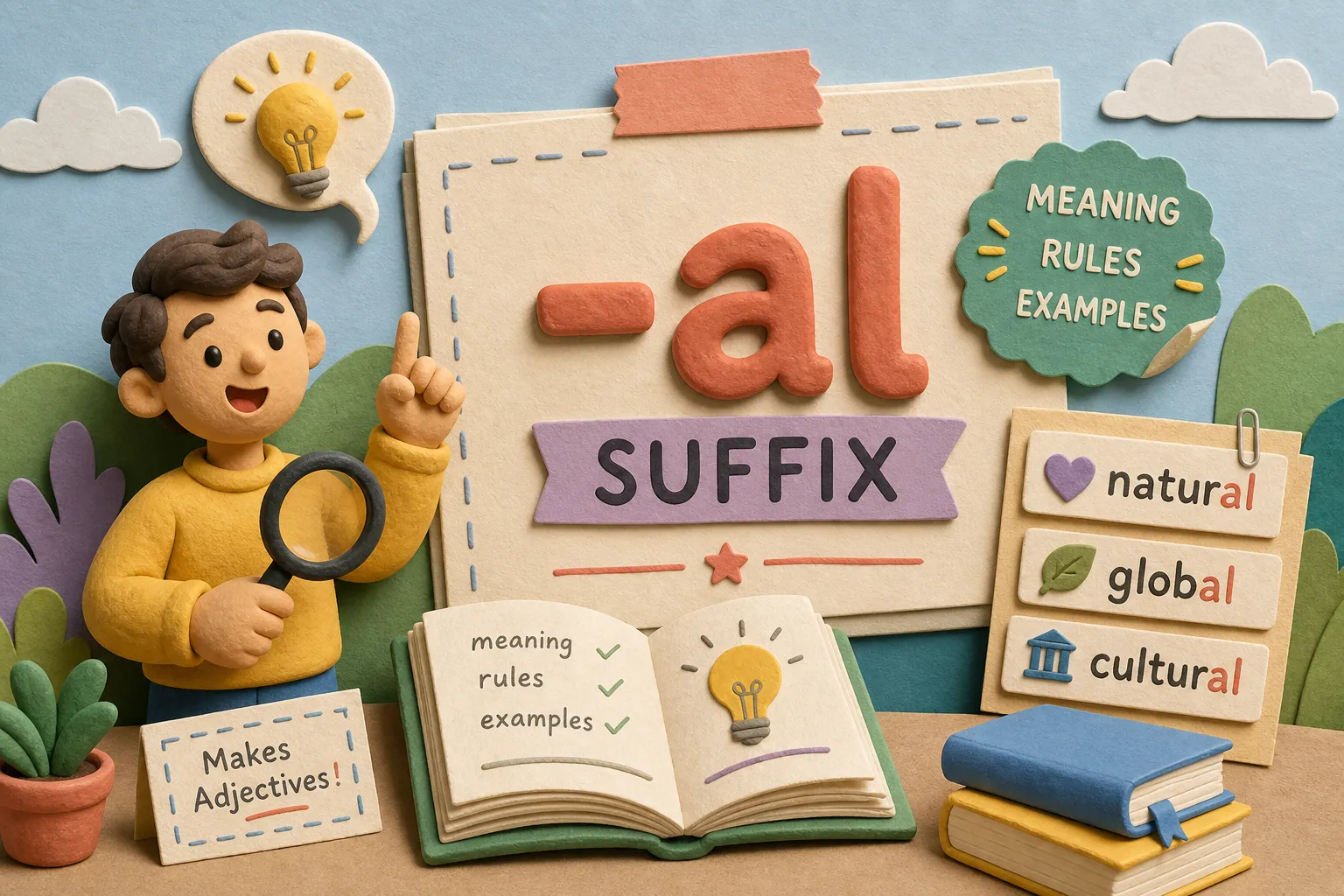
Learn how the -al suffix turns nouns into adjectives, with spelling rules, Latin origins, and 70+ examples from work, school, and daily life. Build your vocabulary now.
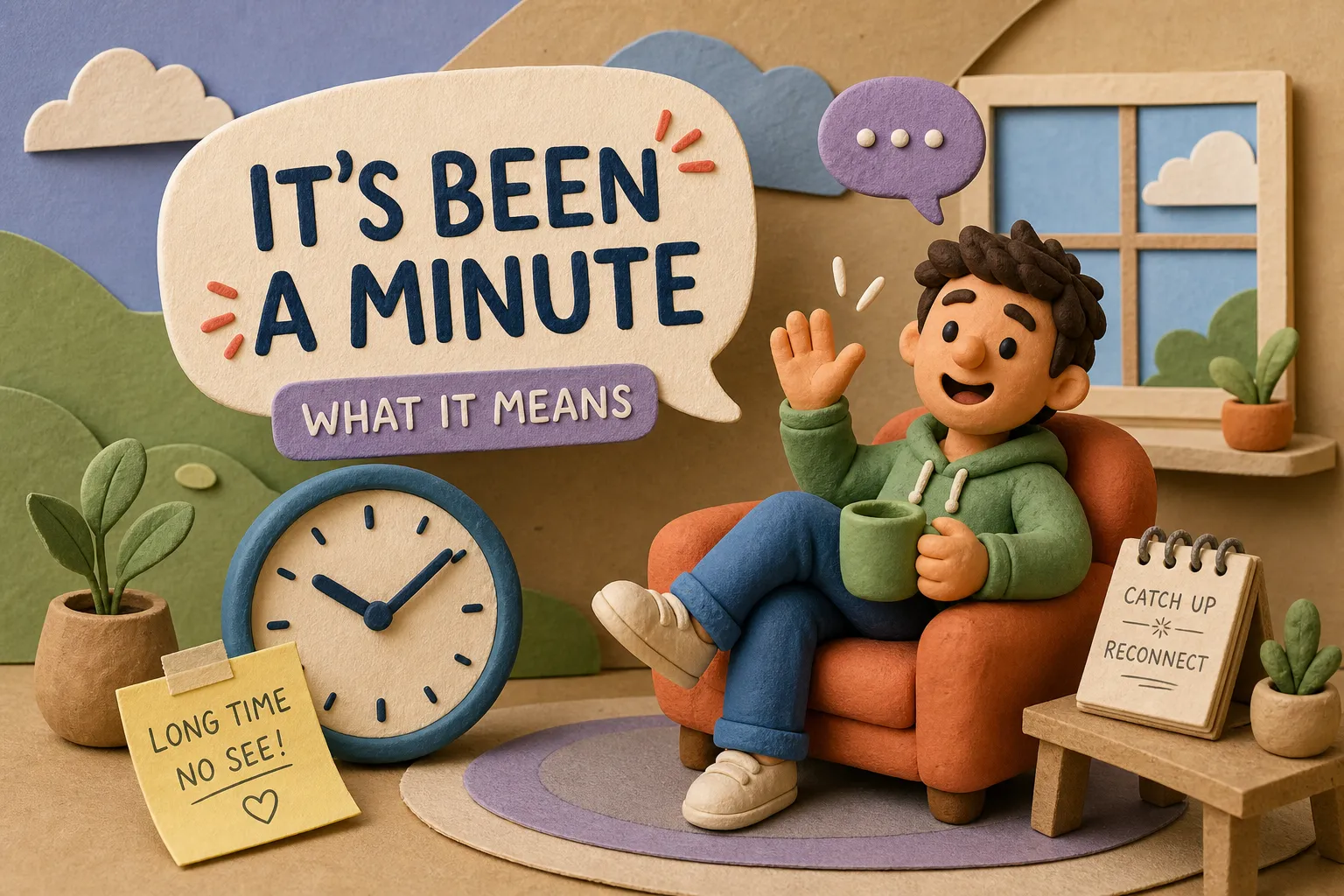
“It’s been a minute” doesn’t mean 60 seconds. Learn its real meaning, where it came from, and how to use it naturally. Your Daily American explains it all.

SME meaning depends on the context. Learn both uses, see real workplace examples, and decode business acronyms faster with Your Daily American.
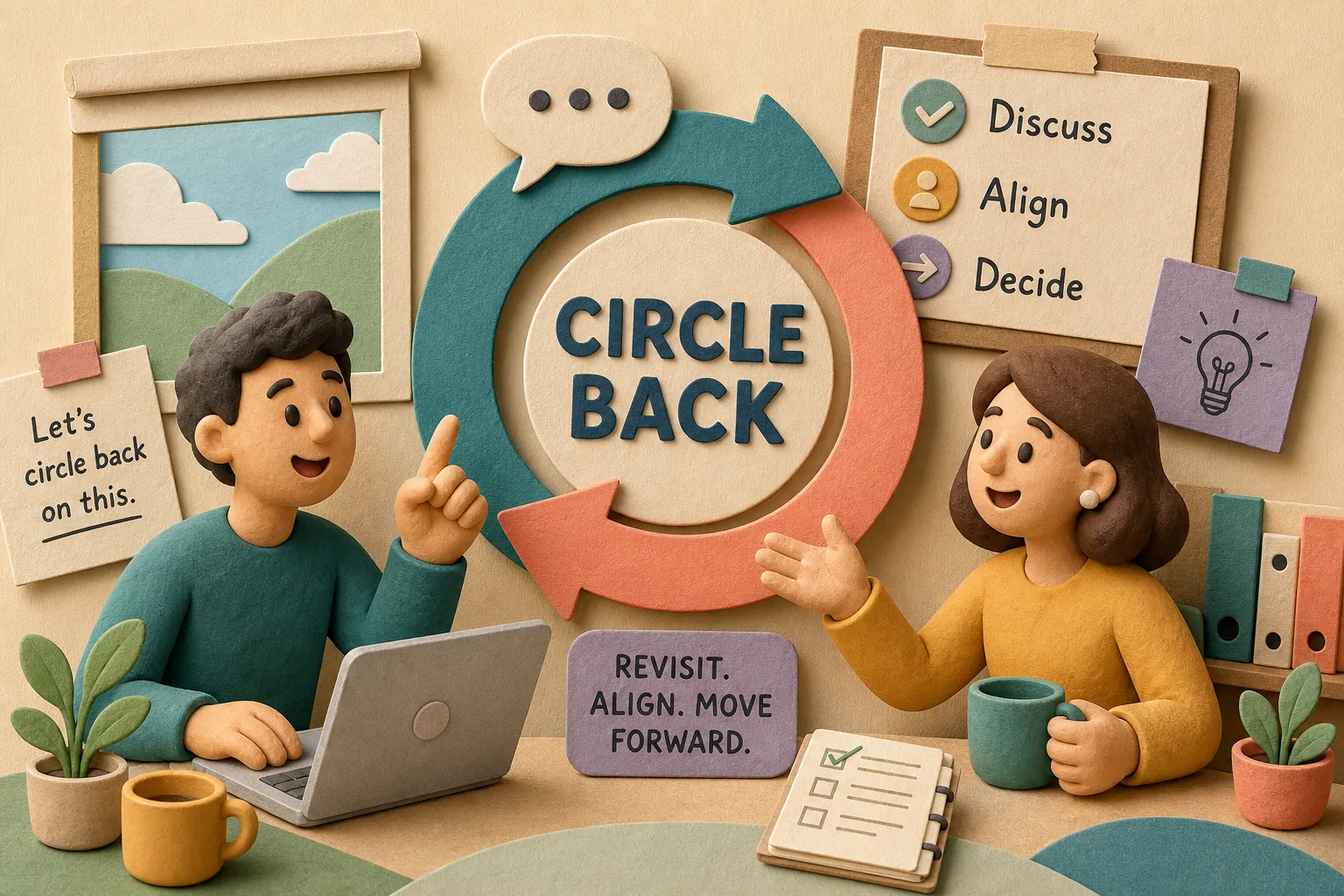
Learn what “circle back” means in American English, how to use it in meetings and emails, and mistakes to avoid. Build your business English skills today.
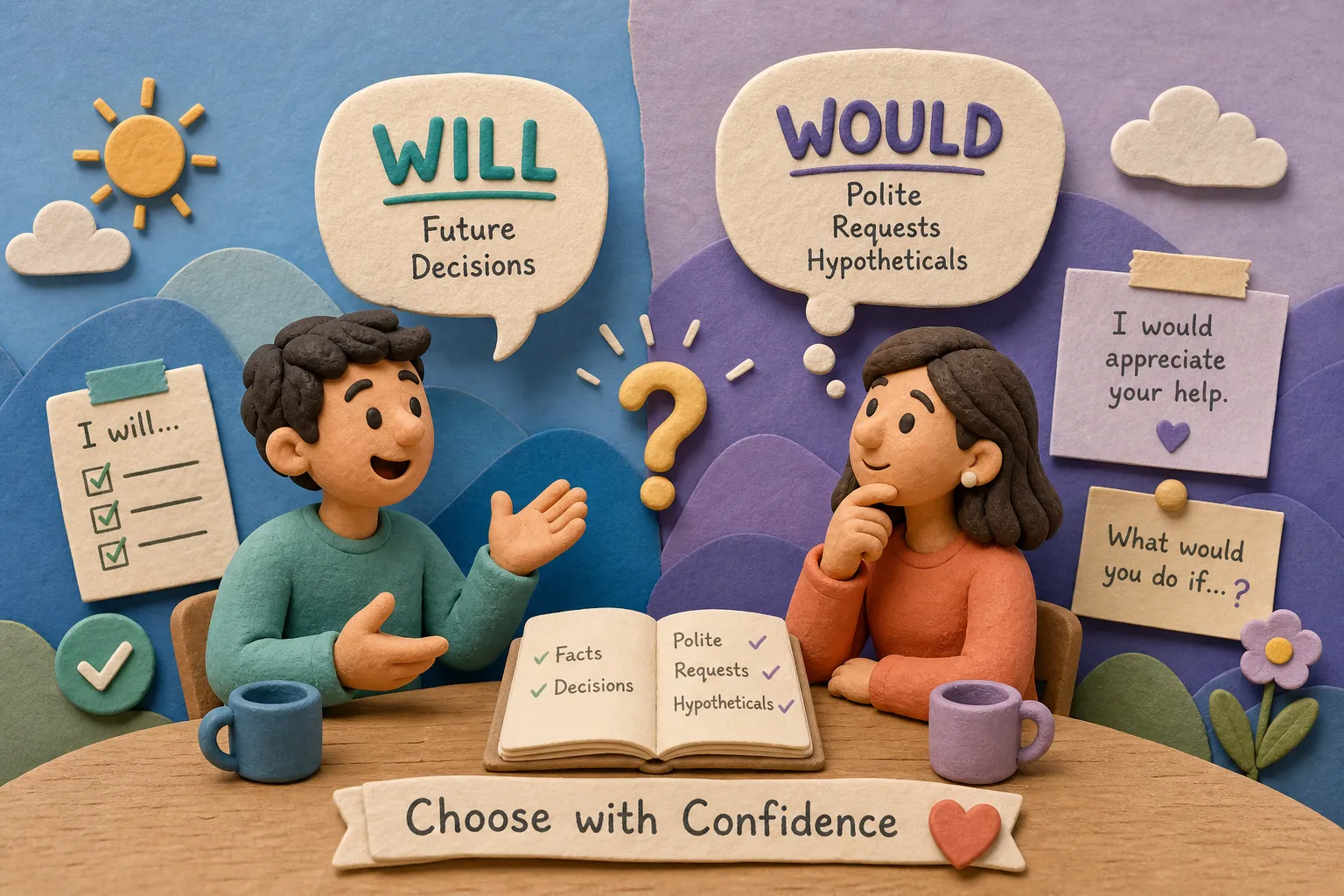
Master will vs. would with simple rules for conditionals, polite requests, and reported speech. Real American English examples that work in daily life and at work.
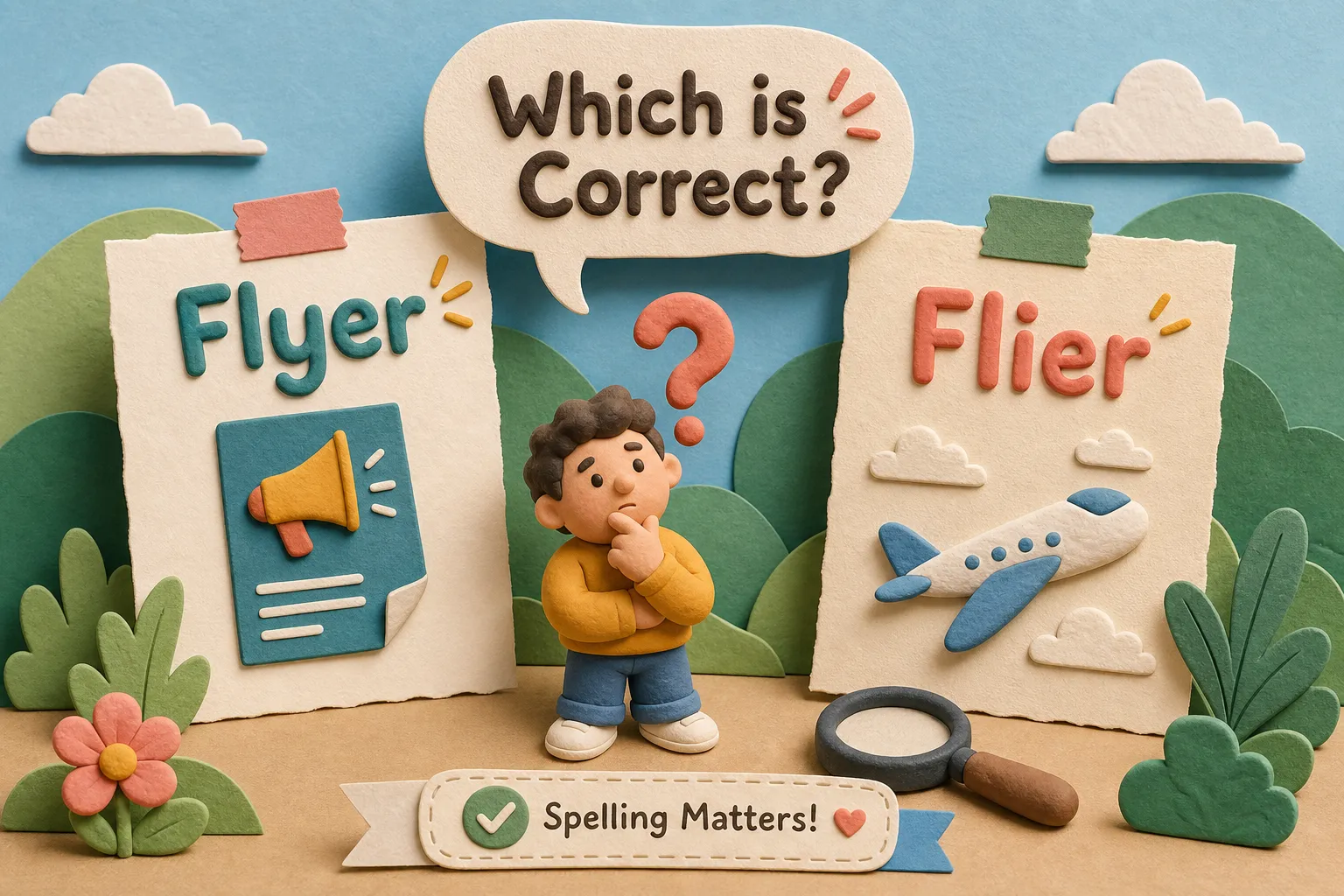
Flyer vs flier: both spellings exist, but American English favors one. Learn the AP Style rule, airline usage, and a simple cheat sheet to decide every time.