Sounds Good: 25 Ways to Agree Like a Native Speaker
“Sounds good” is just the start. Discover 25 natural American agreement phrases with real examples for emails, texts, and meetings. Learn them at Your Daily American.
American English lessons by category — everyday phrases, professional English, pronunciation, and grammar. Free and practical for ESL learners.
“Sounds good” is just the start. Discover 25 natural American agreement phrases with real examples for emails, texts, and meetings. Learn them at Your Daily American.

WFH means “work from home.” Learn how Americans use it in emails, chats, and meetings, plus the key phrases you need for the modern U.S. workplace.
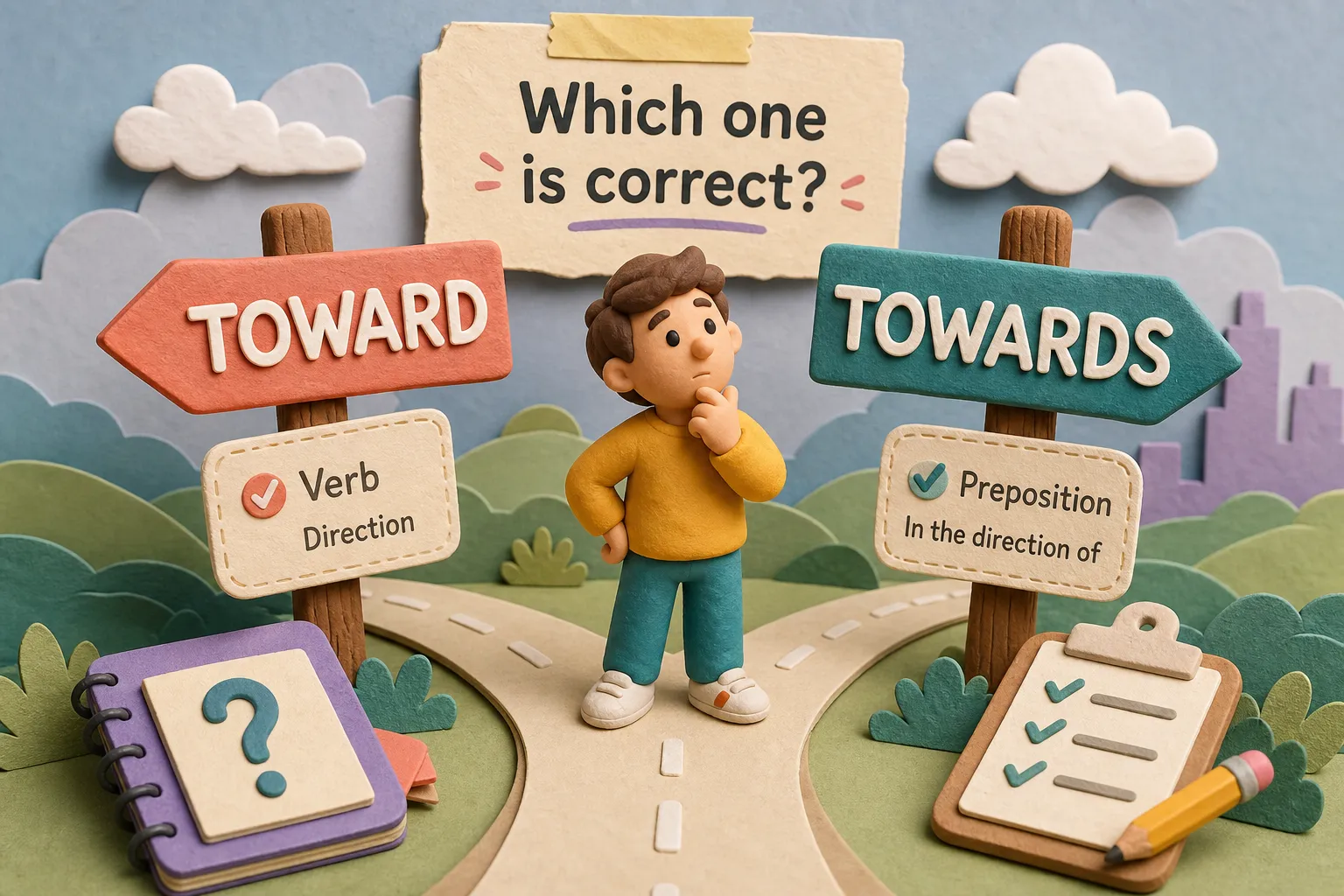
Toward vs. towards: learn which form is standard in American English, what AP and Chicago recommend, and see real examples. Use the right spelling every time.
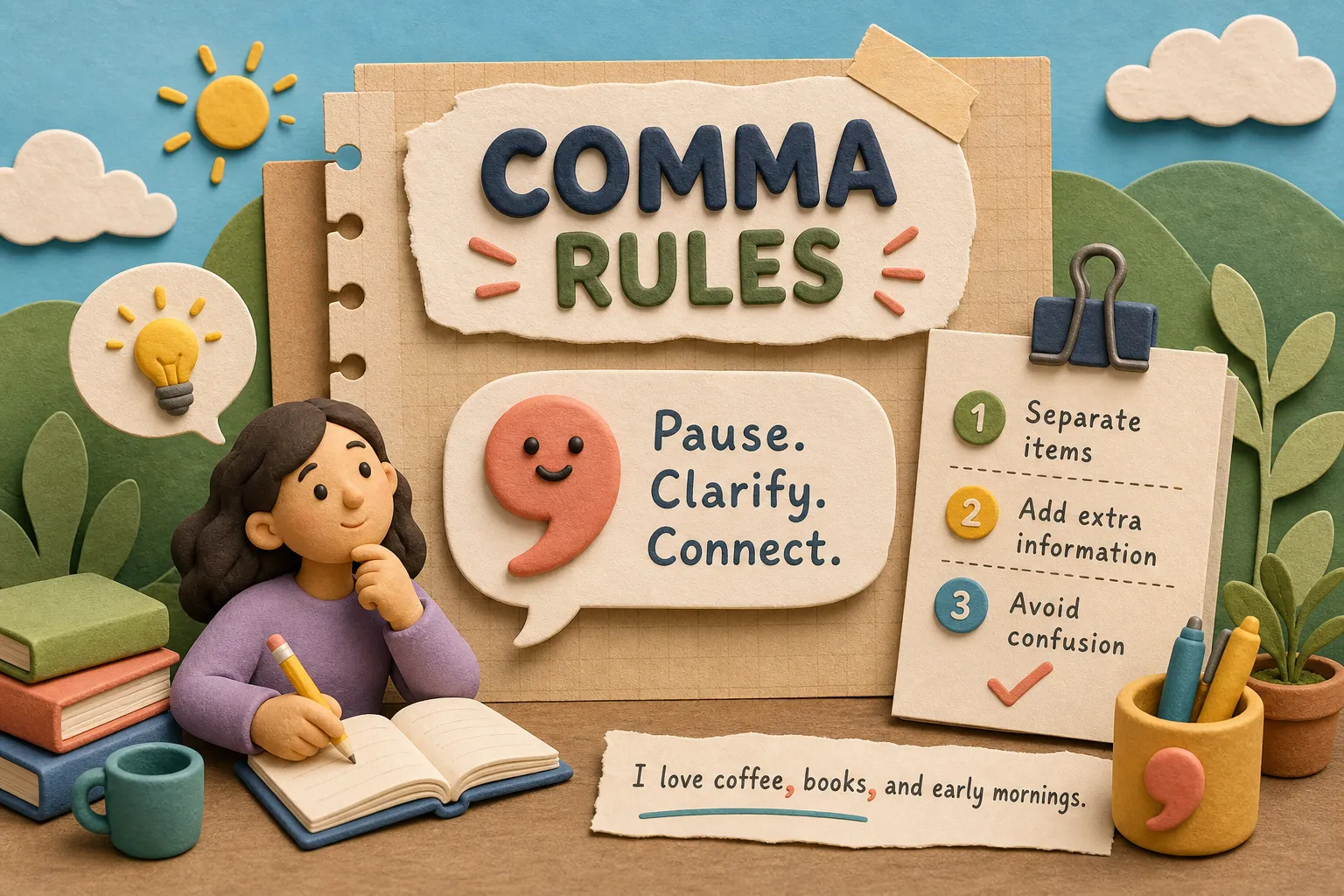
Learn the essential rules for using commas in American English. Covers serial commas, introductory phrases, nonrestrictive clauses, and comma splices, with clear examples.
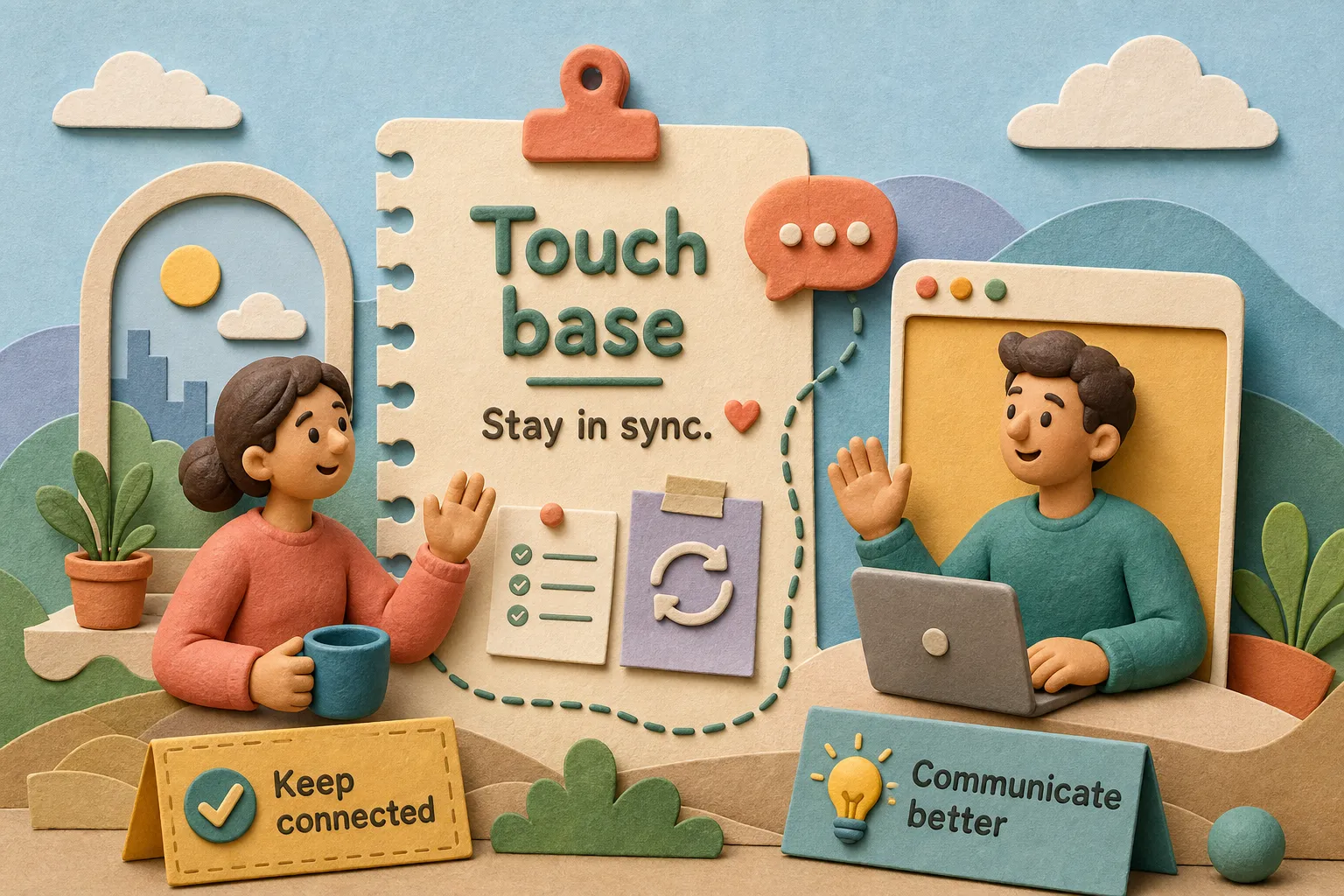
Learn what “touch base” means, why “touch bases” is wrong, and how to use it in emails and meetings. Plus smart alternatives for workplace English.
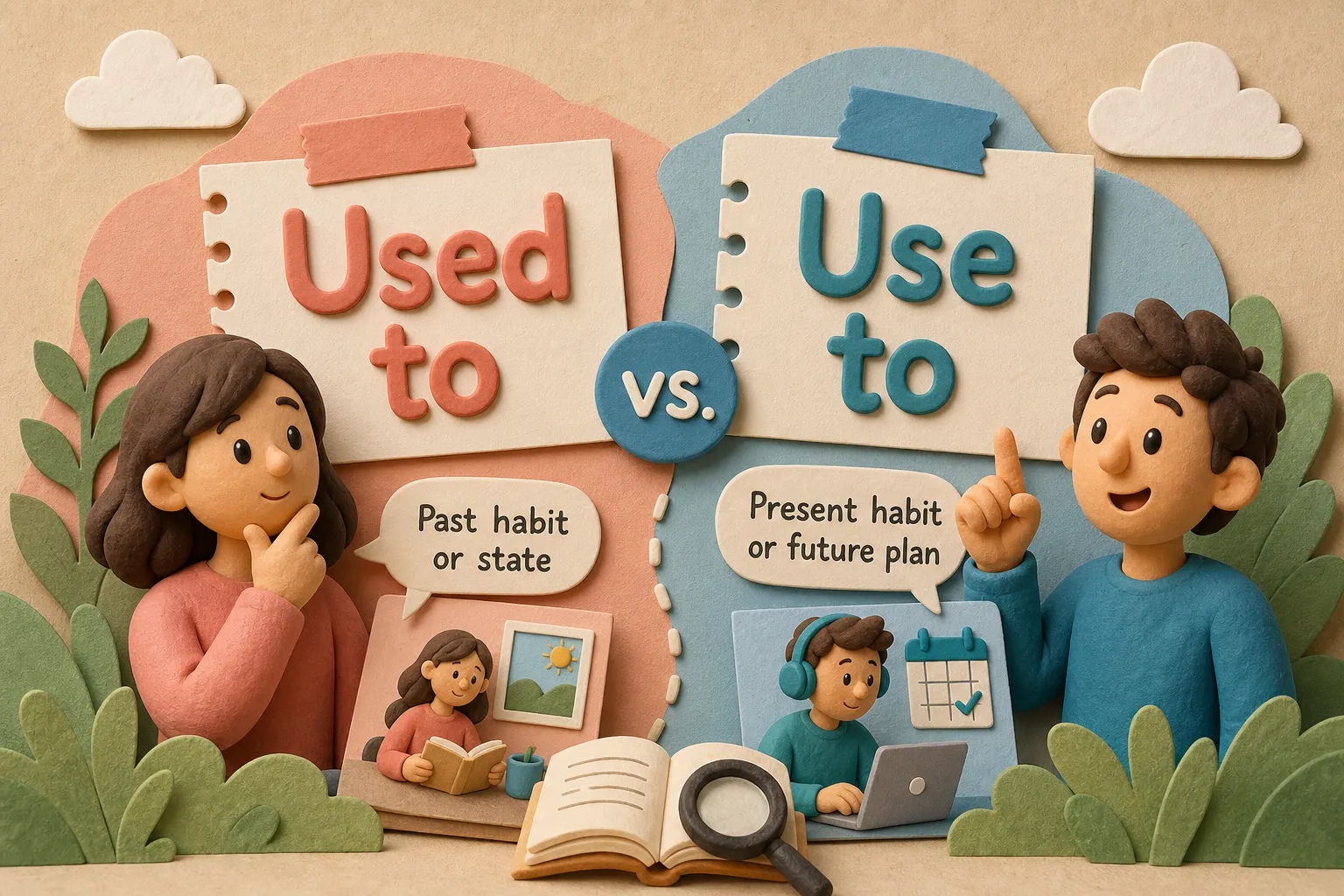
Confused about “used to” vs. “use to”? Learn the one rule that gets it right every time, plus how “be used to” and “get used to” work. Clear examples included.
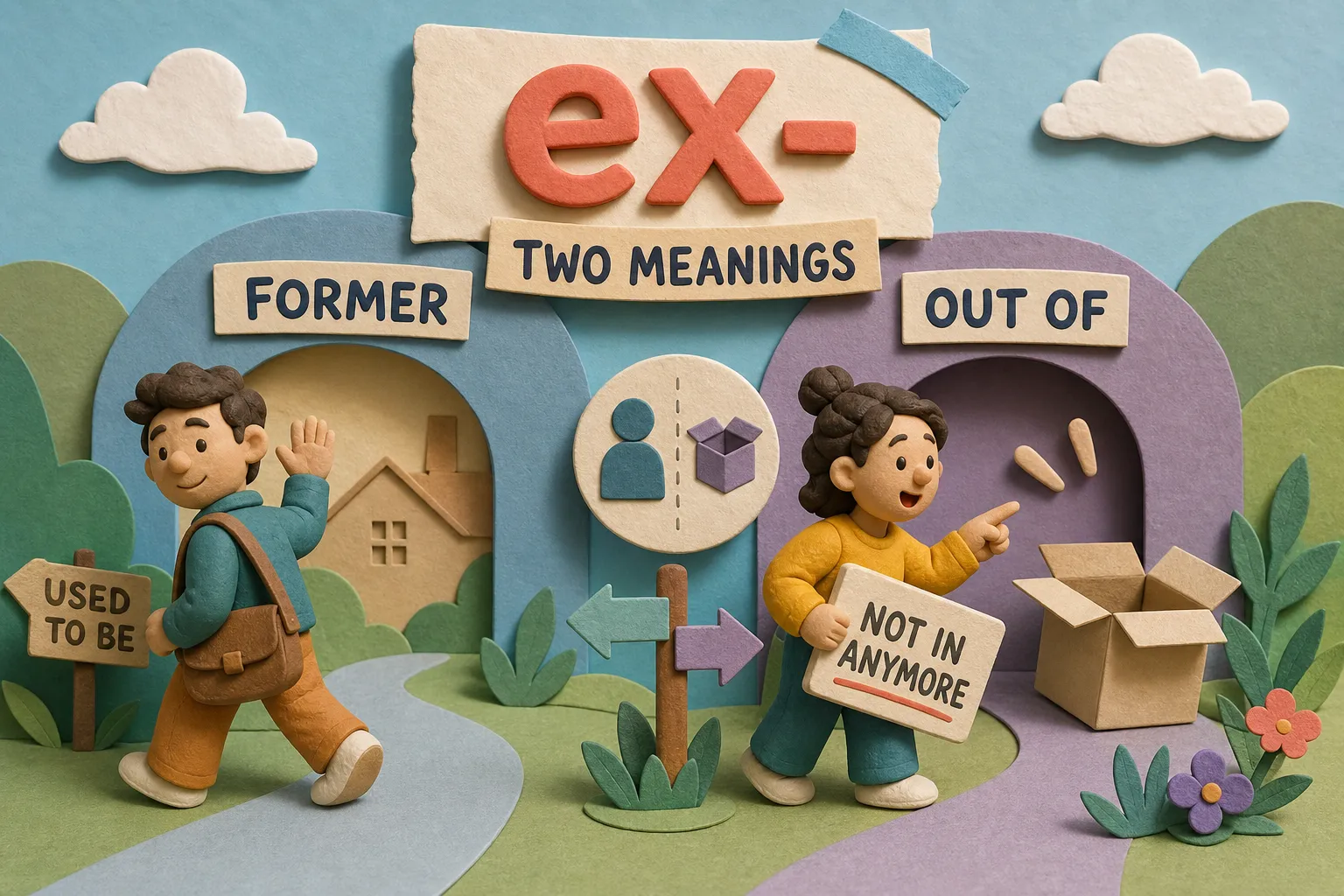
The ex- prefix means “out of” or “former” in American English. Learn both meanings with real workplace and conversation examples. Start using them today.
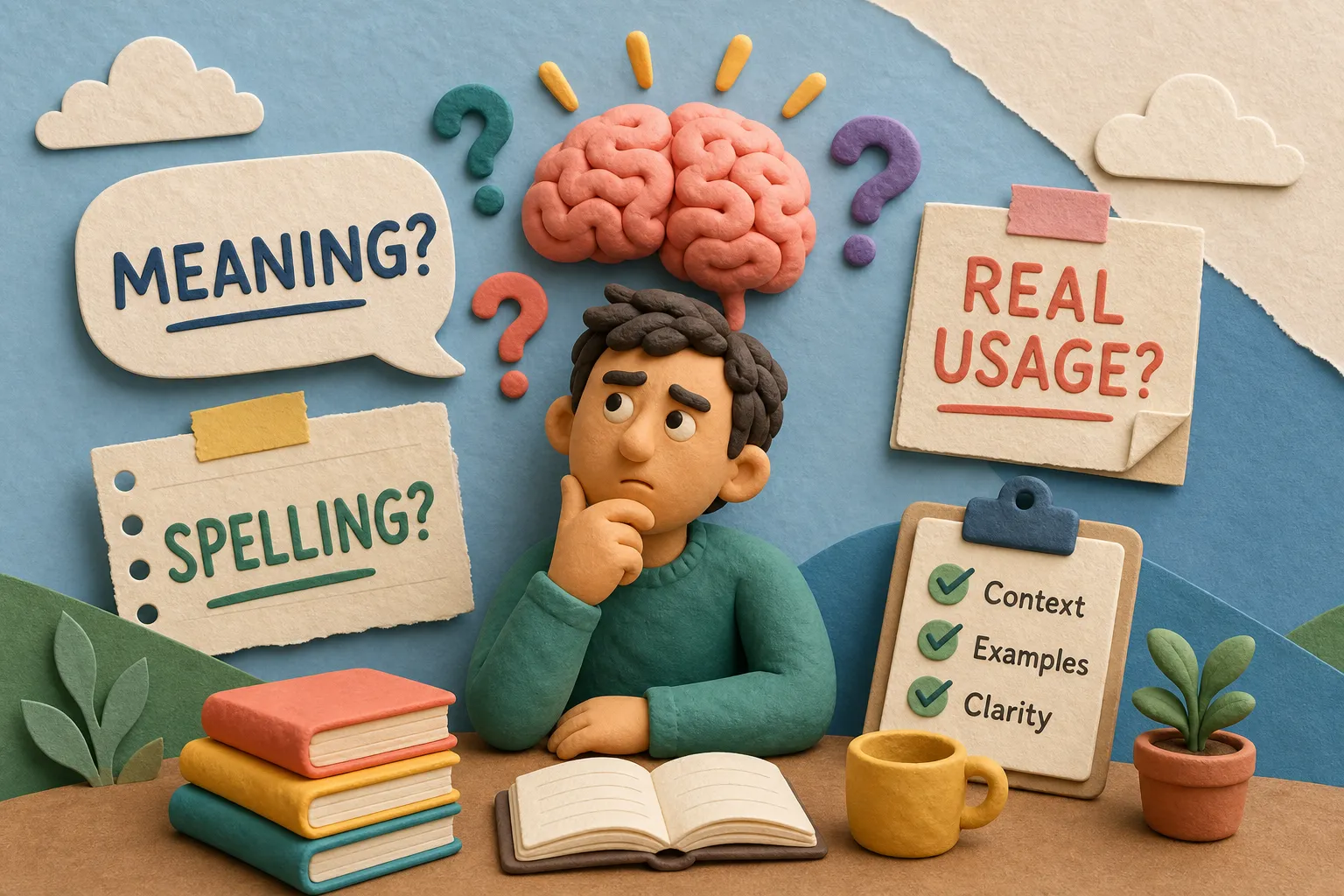
“Wracking my brain” confuses even advanced learners. Learn what it means, which spelling is correct, and how native speakers use it. Explore more at Your Daily American.
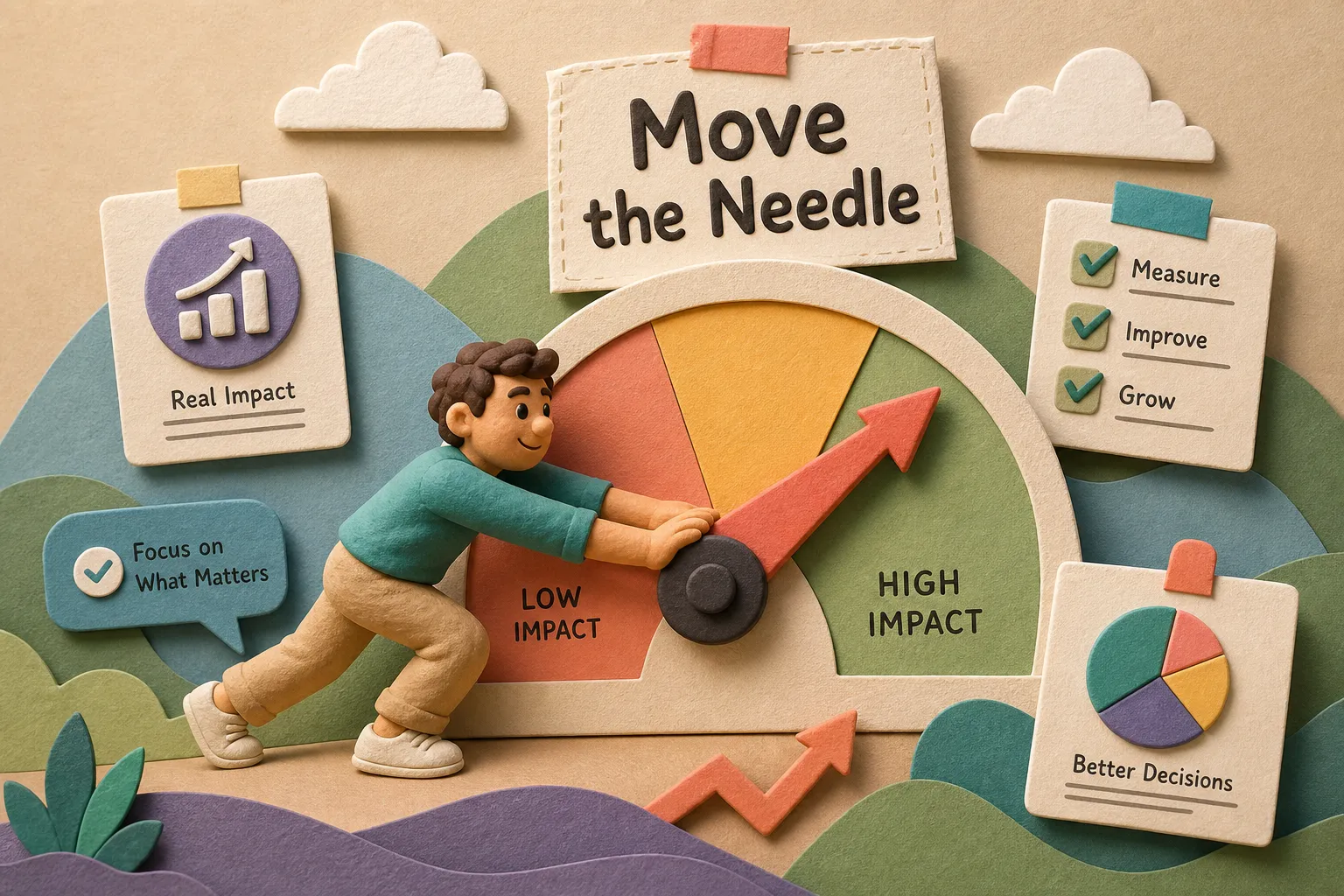
Learn what “move the needle” means, where it came from, and how to use it correctly in meetings and presentations. Real examples inside. Explore more at Your Daily American.
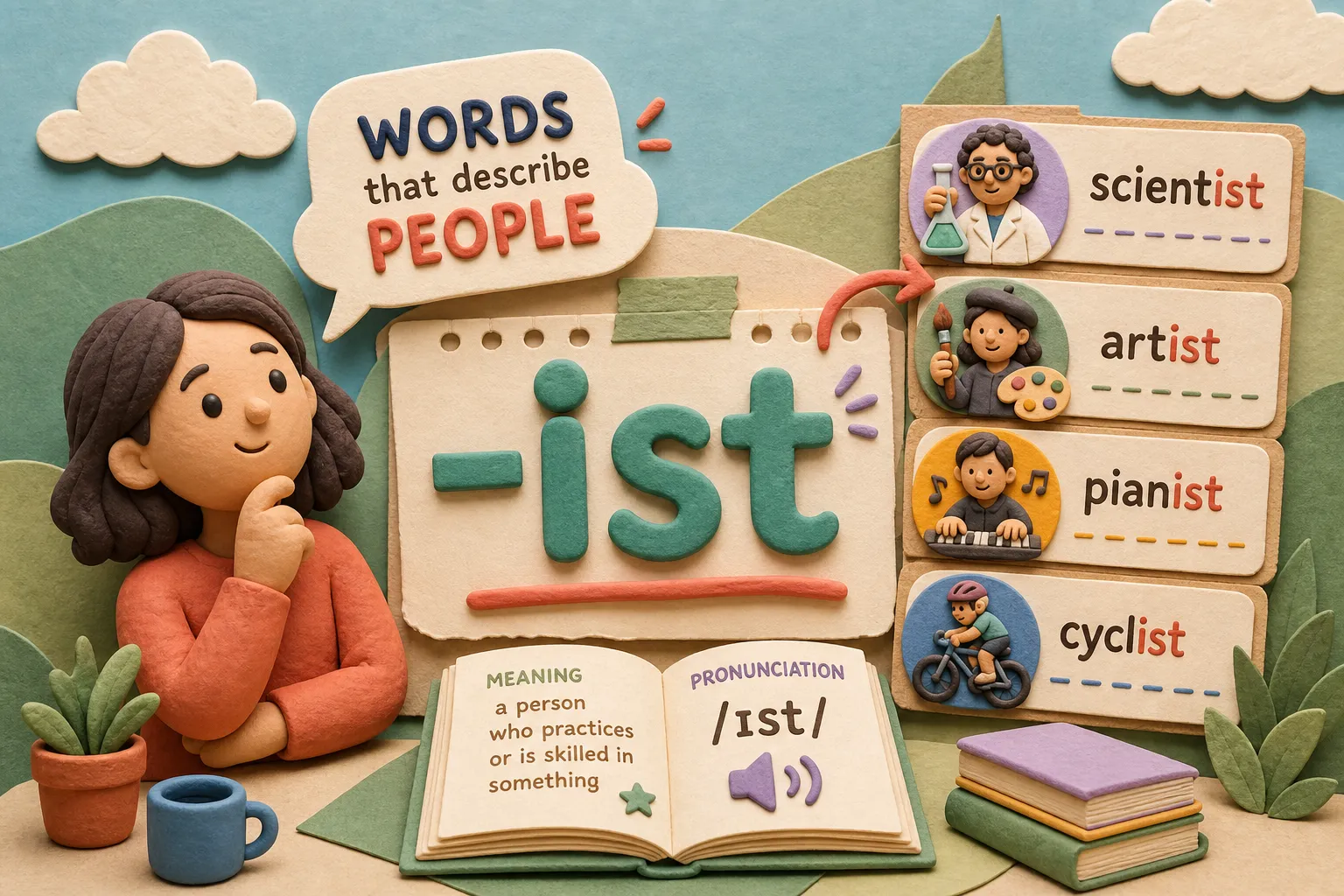
Learn what the -ist suffix means, see common -ist words for work, politics, and daily life, and get pronunciation tips. Build your vocabulary at Your Daily American.
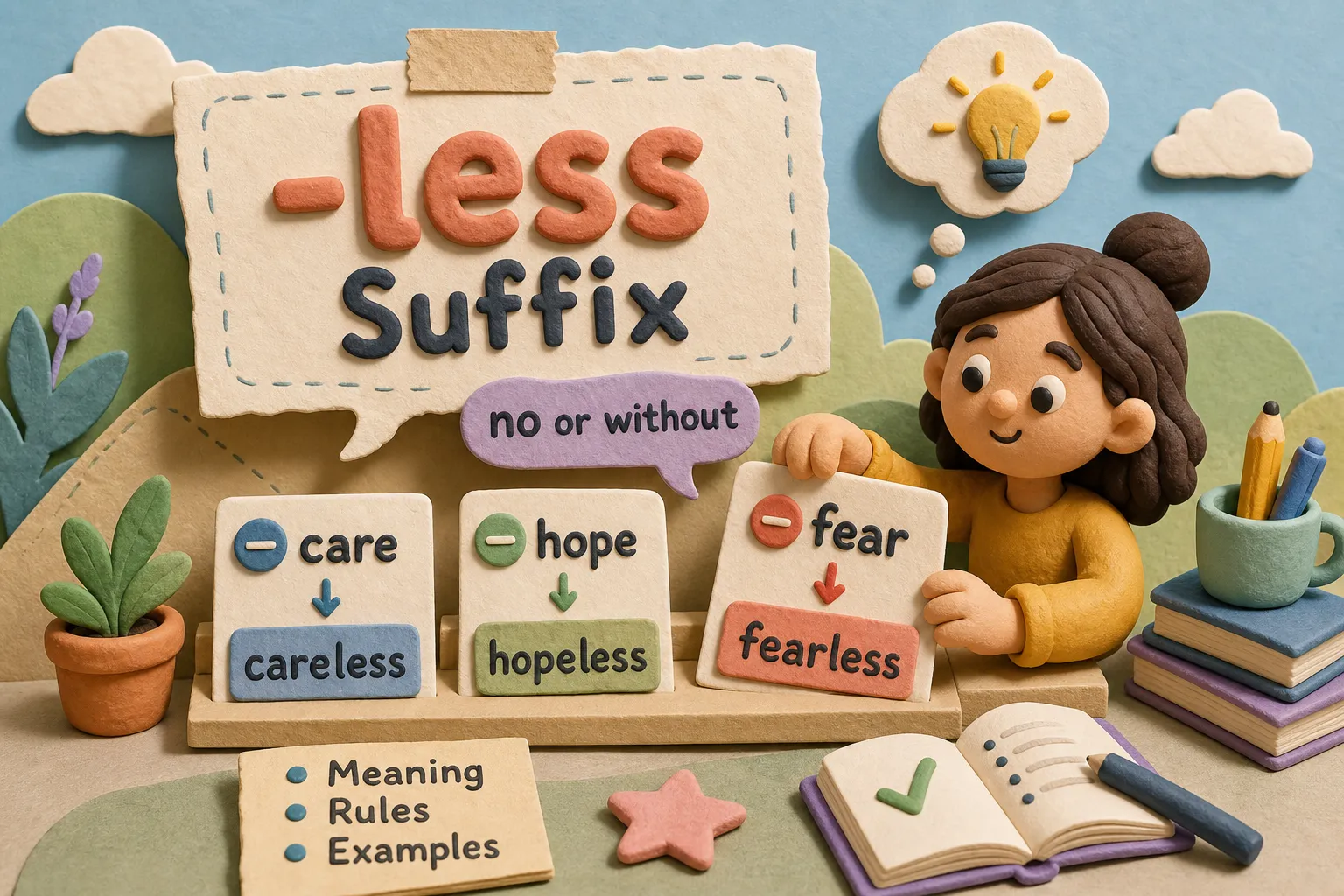
Learn how the -less suffix works: its meaning, pronunciation, spelling rules, and the most useful -less words with exercises. Build your vocabulary today.
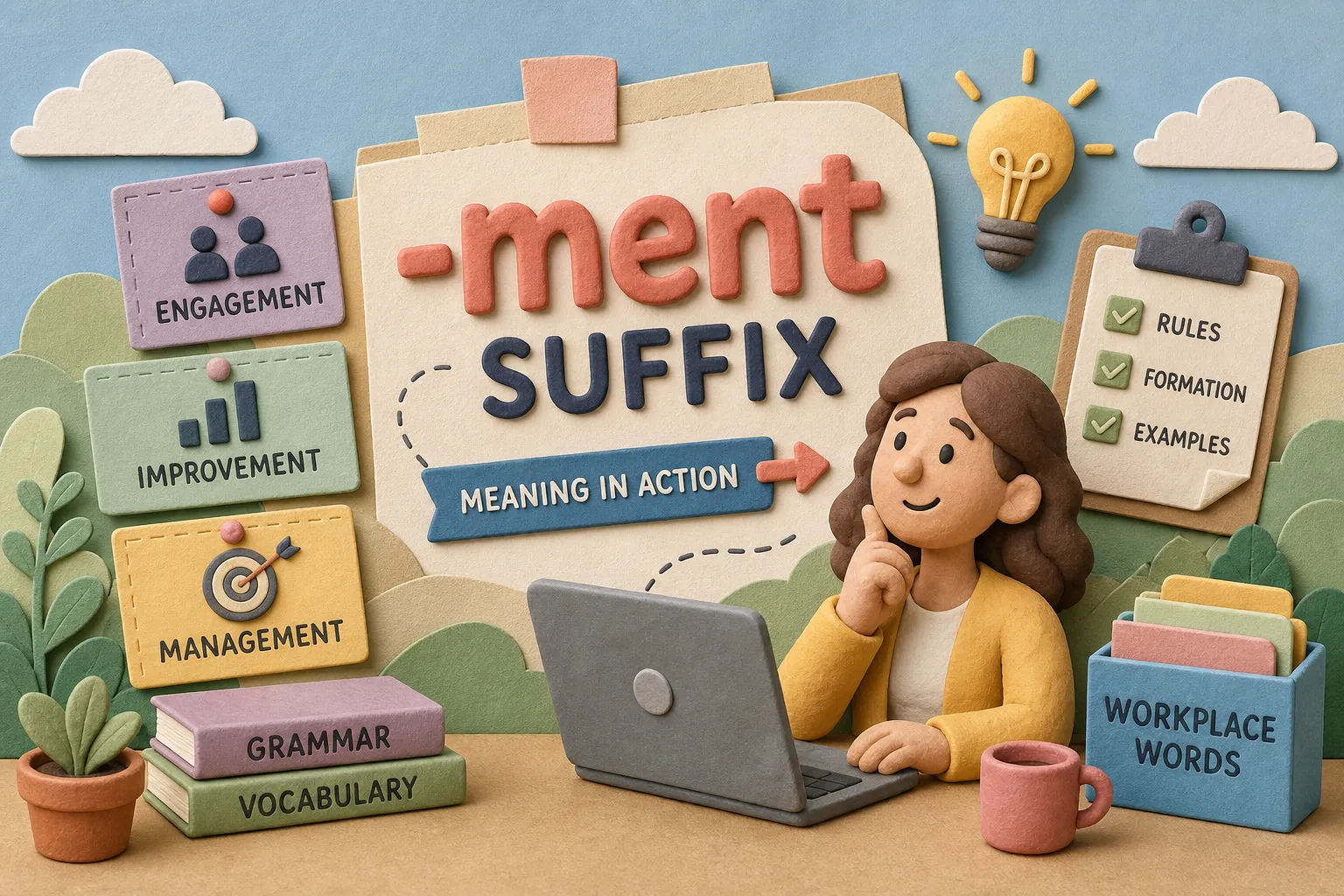
Picture this: you’re writing a professional email in English. You type “please confirm your agreement” and then “we need to

First come, first served explained: what it means, correct grammar, hyphenation rules, and real examples for signs, emails, and daily American English.

“Either and or” isn’t correct English. Learn the right way to use either…or and neither…nor with real examples from emails and daily American conversation.

Emigrate vs immigrate explained simply: learn the one rule, right prepositions, real examples, and how to avoid common mistakes. Start using both correctly today.

Mixing up to vs too? Learn the difference with clear rules, real email examples, and 3 memory tricks that make the right choice easy every time.
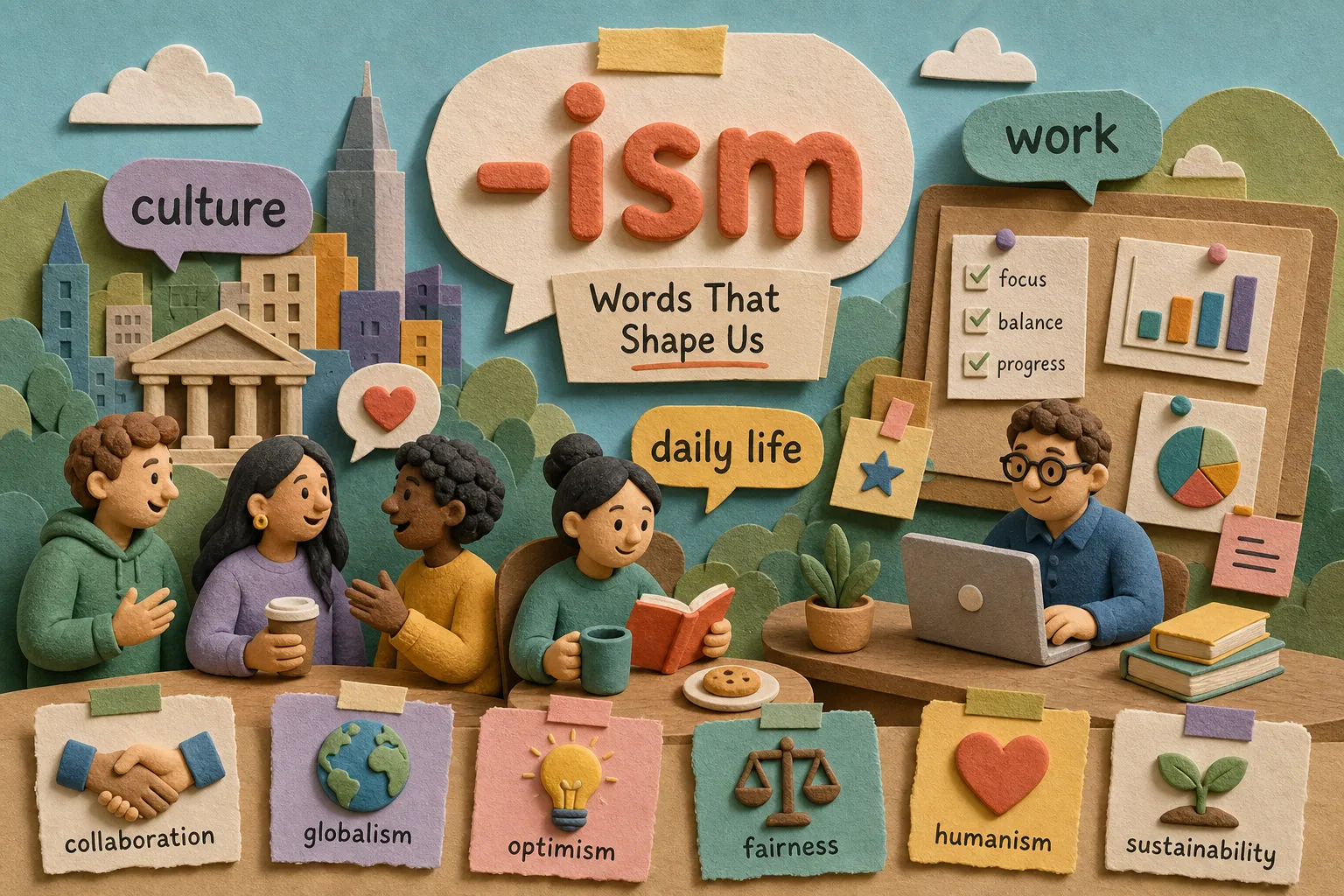
Learn what the ism suffix means, where it comes from, and how to use 30 common -ism words in American news, workplaces, and daily conversations.
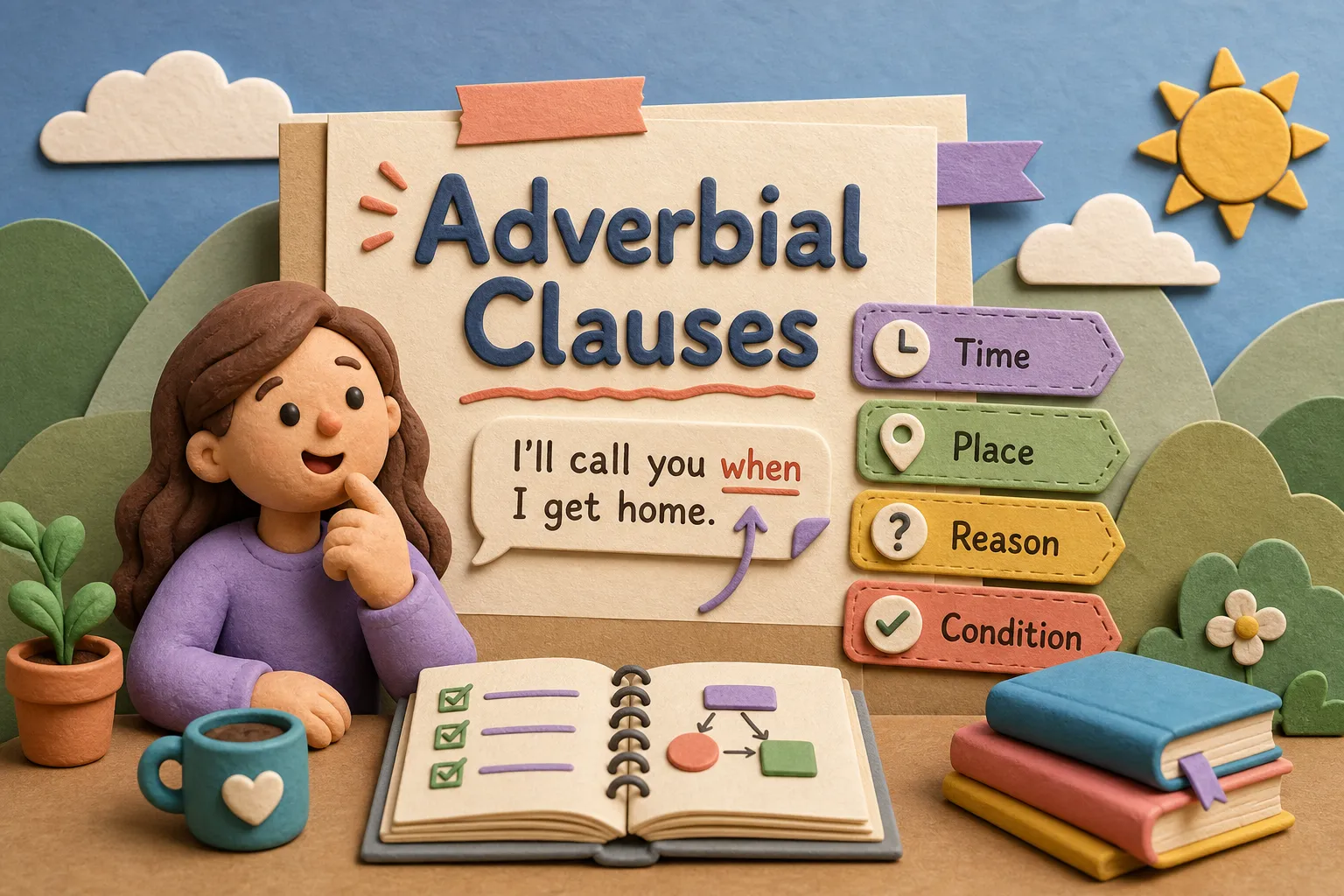
Learn what adverb clauses are, how to use them correctly, and the comma rules ESL learners miss most. Real examples from everyday American English.

The un- prefix is one of the most powerful vocabulary tools in American English. Learn its meanings, common examples, and how to use it with confidence.
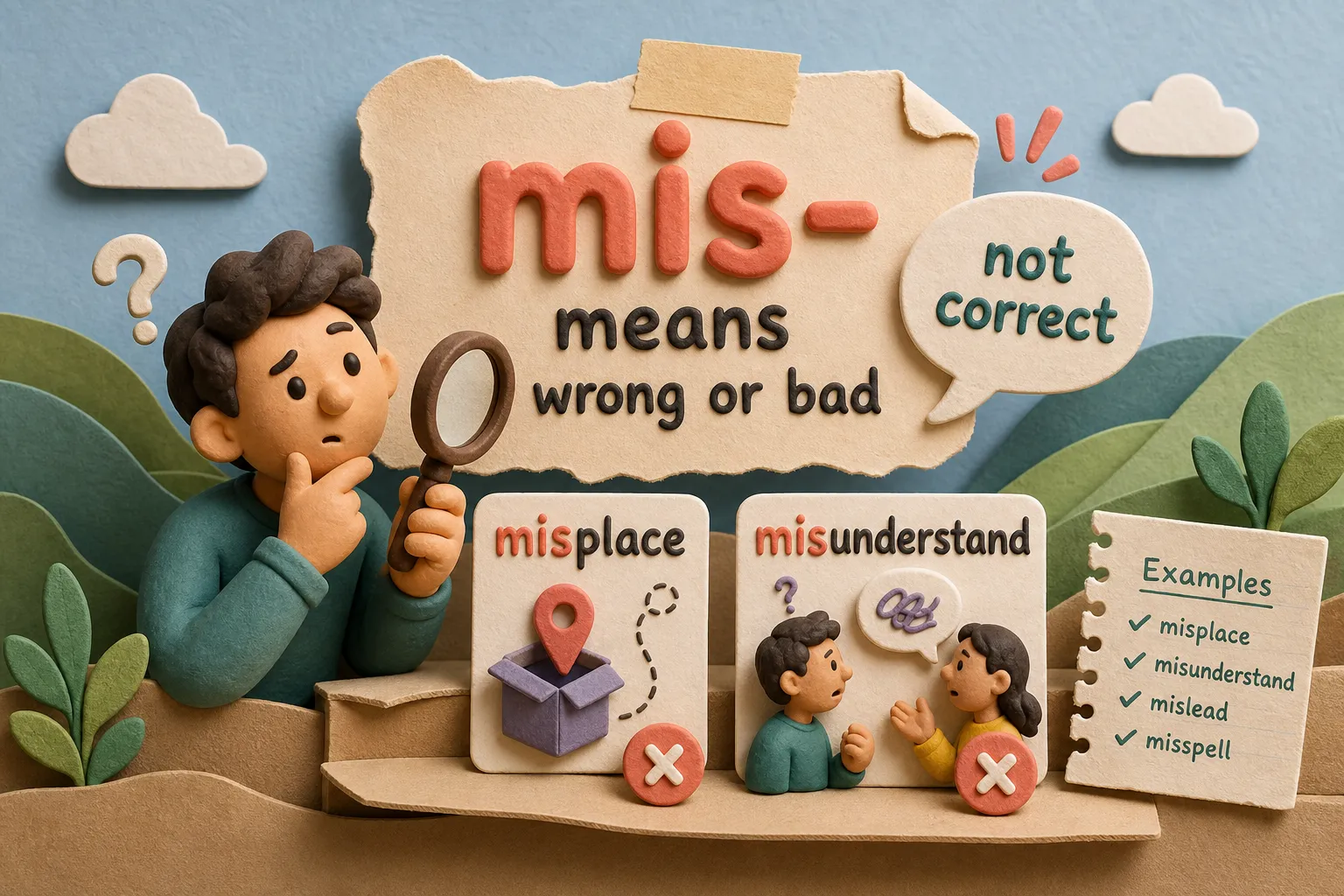
Learn what the mis- prefix means, where it comes from, and which words to know. Master this prefix and avoid common mistakes in American English.
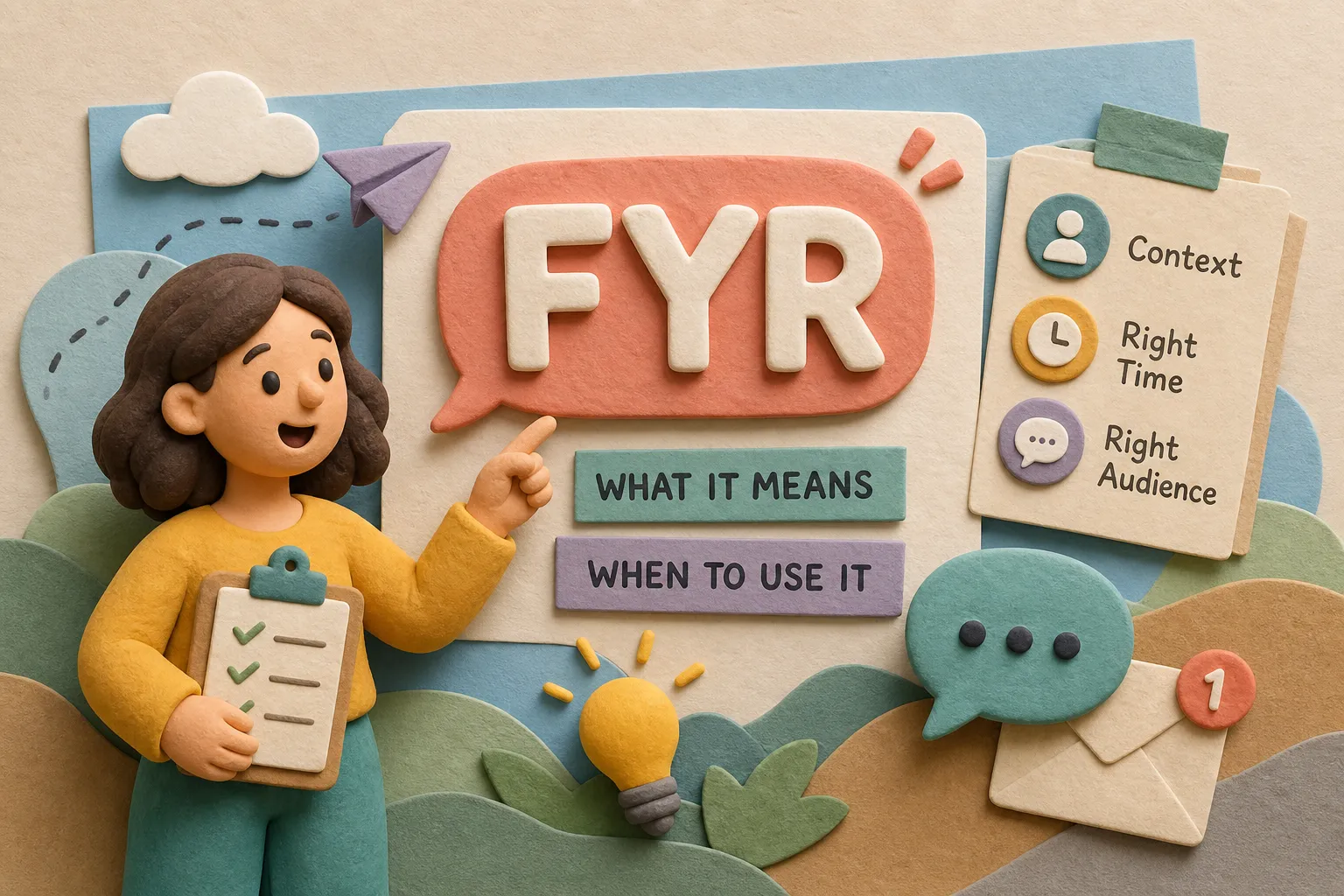
FYR meaning explained: it stands for “For Your Reference.” Learn how it differs from FYI, see real email examples, and use it correctly at work.